Ravalli County Montana Fair Festival
Most Montana county fairs close out August and hand the season over to school, but the Ravalli County Fair & Rodeo runs the other way, opening in the first days of September and building its week around the Labor Day holiday. It is a county-run fair staged at the Ravalli County Fairgrounds in Hamilton, the county seat, and it begins as few fairs anywhere still begin: with a parade down Main Street on Wednesday morning. From there the fair settles into its rhythm: livestock judging by day, a carnival gathering pace in the afternoon, and arena nights that climb from a ranch rodeo to two full rodeo performances before the week ends on Saturday.
Because the fair belongs to the county rather than to a private association, its character is unusually direct: the fair office sits on the grounds, the schedule is published by the county in full day-by-day detail, and the week doubles as the Bitterroot Valley’s annual report on its own agriculture, with market animals shown and sold and the halls filled with quilts, flowers and garden produce.
A Fair the County Runs Itself
The official published name is the Ravalli County Fair & Rodeo, and the second half of that name matters, because the rodeo — billed locally as the Rockin’ RC Rodeo — is woven through the fair rather than bolted onto its edge. Administration runs through the fairgrounds office at 100 Old Corvallis Road, where county staff and volunteer leaders organise the check-ins, interviews and weigh-ins that precede the public days. That machinery starts on the last Saturday of August with exhibitor arrivals, and does not unwind until the Sunday after the fair, reserved entirely for livestock release and exhibit pick-up.
Hamilton gives the fair a setting many county fairs cannot match: during fair week the boundary between town and fairgrounds nearly disappears, fairgoers drift between downtown cafés and the grounds, and the lunch hour becomes a recognised ritual, with the fair refunding the gate fee of anyone who came in only to eat between eleven and two. The grounds form a campus of arenas and barns — an Event Center, several show arenas and the Main Arena, a Floral Barn, separate barns for poultry, rabbits, goats, dairy and beef cattle and sheep and swine, a dog arena, an antique machinery lawn and a community stage — so the week unfolds across neighbourhoods rather than a single midway strip.
Quick Facts
| Detail | What the record shows |
| Official name | Ravalli County Fair & Rodeo |
| Fair town | Hamilton, the Ravalli County seat |
| Grounds | Ravalli County Fairgrounds, 100 Old Corvallis Road, Hamilton |
| Run by | Ravalli County, through its fairgrounds office, with volunteer leadership |
| Documented 2026 public days | Wednesday September 2 to Saturday September 5, 2026 |
| Sunday’s role | Livestock release and exhibit pick-up only, not a public fair day |
| Opening ceremony | The Ravalli County Fair Parade down Main Street at 10 a.m. Wednesday |
| Arena ladder | Ranch Rodeo, then Bulls, Broncs & Barrels, then two rodeo nights |
| Admission | A gate fee is charged; the amount is not published in the fair’s own material |
| Saturday anchor | The 4-H and FFA Livestock Sale, beginning at 8 a.m. |
A Century, Give or Take Thirty Years
Ask how old this fair is and the published record answers with two numbers that cannot both be right. Valley tourism material describes a fair over one hundred years old and calls it the largest event in Ravalli County, while the fair’s own ticketing partner writes of one that has spent over one hundred and thirty years getting better at being itself. Neither figure comes from a settled history published by the fair, so both are held at arm’s length here: the fair is plainly old and plainly rooted in the valley’s agricultural past, but not safely datable to a founding year or edition number on promotional copy.
For a useful comparison, see the Prairie County Montana Fair Festival for another county festival.
What the grounds testify to is continuity of use rather than a birthday. The antique machinery lawn, where threshing demonstrations still run during fair week, speaks to a valley that mechanised early and kept its old iron; the specialised livestock barns speak to generations of families showing in classes their grandparents entered. The modern shape — county administration, online premium books, contemporary ticketing — has been layered over that older skeleton without replacing it, so the fair feels less like an event rented for a weekend than an institution the valley maintains between Septembers.
What to Expect
Four Nights, Four Different Arena Shows
The evening programme is built as an escalation. Wednesday night belongs to the Ranch Rodeo, where working crews compete in events drawn from actual ranch labour. Thursday raises the stakes with Bulls, Broncs & Barrels, a compact card of bucking stock and timed speed. Friday and Saturday then give the week its summit: full rodeo performances under the Rockin’ RC banner on consecutive nights at seven o’clock, Saturday’s followed by live music so the fair closes on a concert rather than a whimper. Rodeo slack runs on Saturday morning for overflow contestants, so serious fans can watch competitive runs before breakfast.
The Livestock Week Underneath the Spectacle
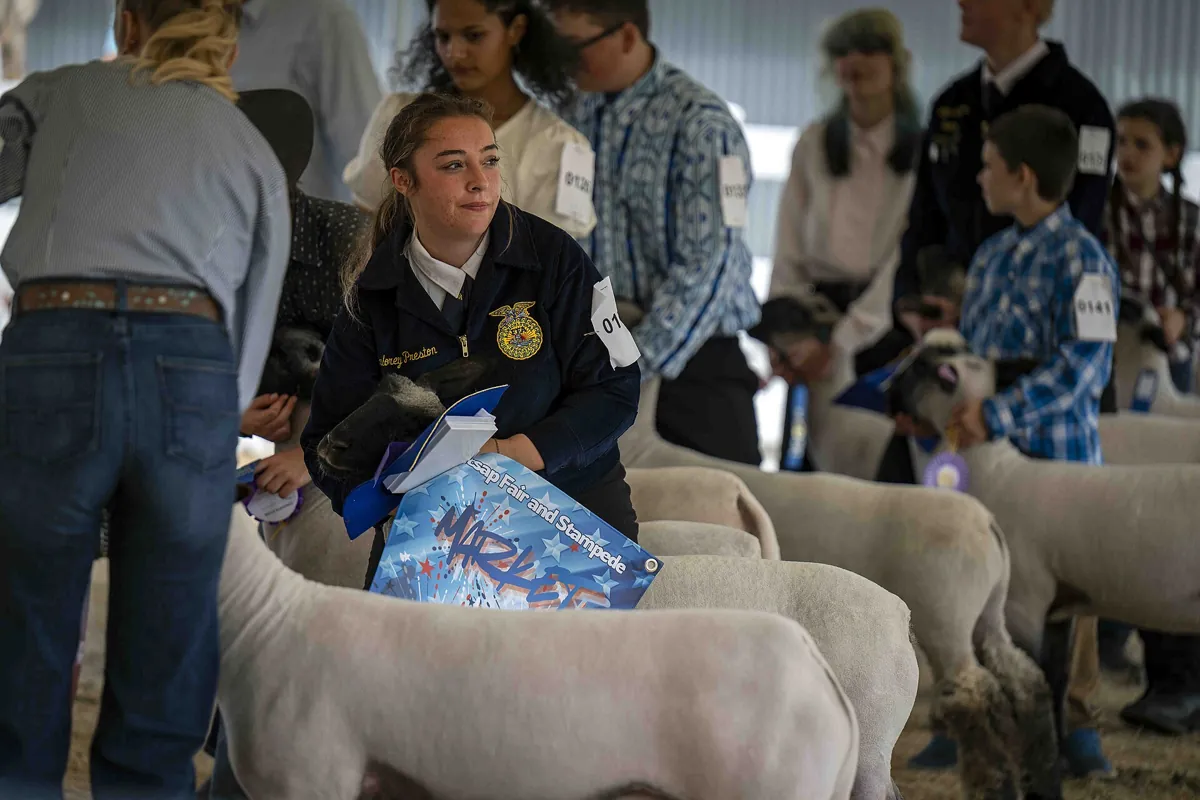
Beneath the arena lights, the fair is an exhibitor’s marathon. Market swine and sheep shows fill Wednesday, sheep and beef showmanship follows on Thursday, and Friday’s round robin contests pit the best young handlers across species against each other. The whole structure resolves early on Saturday, when the livestock sale opens at eight in the morning after a buyers breakfast at half past six, selling in a published order of beef, dairy, sheep, swine and then market goat, with a small-animal auction and the awards ceremony completing the day. For the families involved, that sale — not the rodeo — is the emotional summit of the year.
The Grounds Between the Headlines
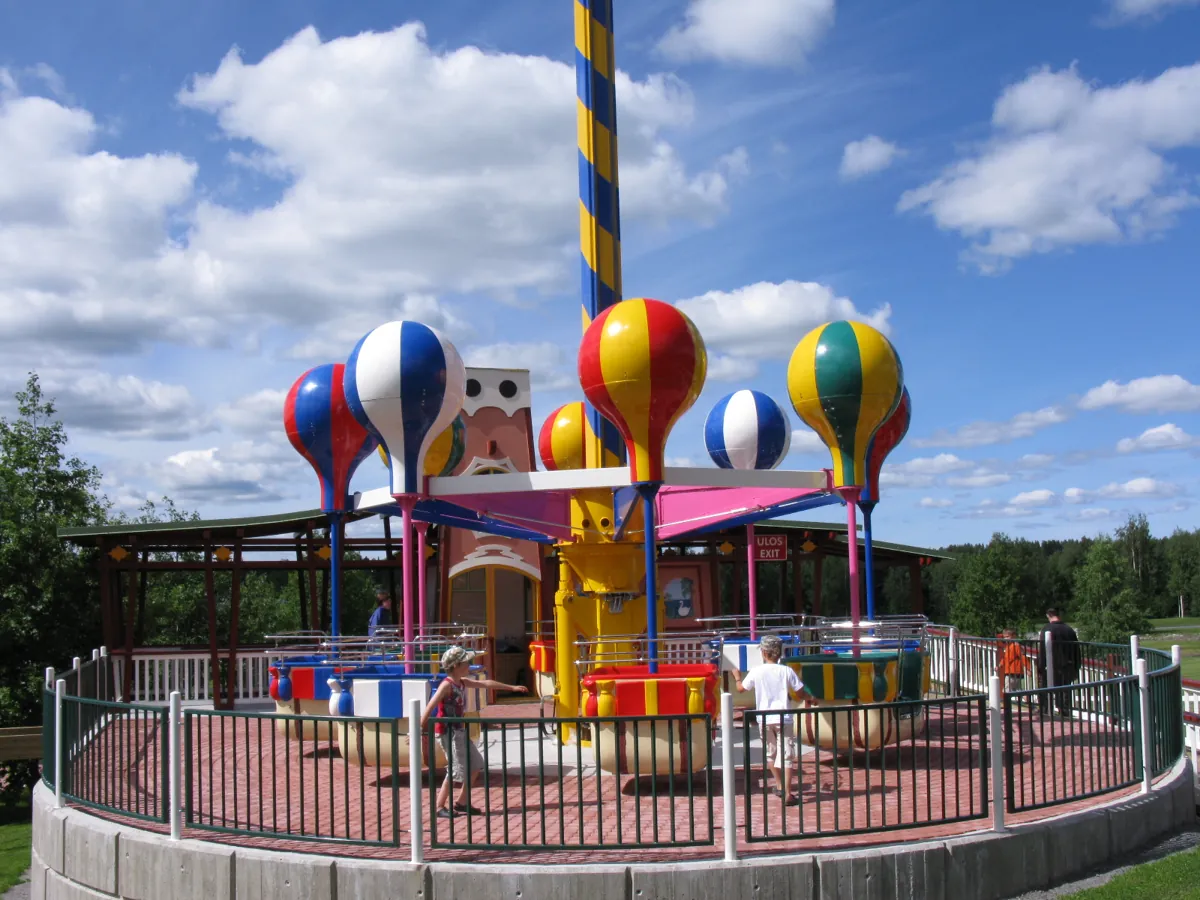
Exhibit buildings and barns keep long hours, from ten in the morning until ten at night, with the Floral Barn, spinning demonstrations and antique machinery displays rewarding anyone who wanders rather than schedules. The carnival opens on Wednesday afternoon, and Thursday morning includes a dedicated sensory carnival session before noon, when the midway runs gentler for visitors who need it quieter. Free caricature drawings, herding and dog demonstrations, a children’s fun park and the Lions Club bingo booth fill the gaps between headline events. Friday’s Kid’s Hour — mutton bustin’, miniature buckers and a boot scramble — gives the youngest visitors their own arena moment before the tractor pulls.
Planning Your Visit
Timing the Labor Day Run
The public fair runs four days, Wednesday through Saturday, in Labor Day week, and the documented 2026 edition ran that shape from September 2 to 5. Arriving on Wednesday buys the parade and the first market shows; arriving Friday buys the fullest single day, with round robin showmanship, tractor pulls, the children’s hour and the first rodeo night stacked. Sunday is the trap for the uninformed: it appears on the schedule, but it is a release and pick-up day for exhibitors, with nothing staged for the public.
Gates, Lunch and the Unpublished Price
Plan your budget around one honest unknown. The fair charges a gate fee — its own schedule proves the fee exists by offering a daily refund of it to visitors who enter between eleven and two purely for lunch, at the south and north gates only — yet the amount appears nowhere in the fair’s published material, and this article will not guess at it. Check the fair’s current schedule or telephone the fair office before you go if the figure matters to your planning. Valley tourism material bills the rodeo as included with fair admission and describes parking as plentiful and free; treat both as the tourism office’s account rather than the fair’s own printed terms. Carnival tickets are a separate economy, sold in advance at the fair office and online; their prices belong to the carnival, not the gate.
Staying Over and Settling In
The fairgrounds office handles camping and space reservations directly as year-round grounds business, so arrange any stay through the office in advance; no fair-week camping rate or rule is published, and none should be assumed. Hamilton, the valley’s main town, is the natural base, with the parade route and the grounds within the same morning’s walk. September evenings cool quickly once the sun drops, which matters for rodeo nights past dark — a jacket is not pessimism, it is local knowledge.
A Saturday at the Fair
Begin with the buyers breakfast at half past six and take a seat for the livestock sale at eight, watching the order work through beef and dairy before sheep, swine and market goats close the auction. Cross the grounds mid-morning while rodeo slack finishes, then give the exhibit halls their due — the Floral Barn and home arts displays are freshest before the afternoon heat. Eat lunch inside the grounds, spend the early afternoon at the antique machinery lawn and community stage, and be back for the awards ceremony. By evening, settle into the grandstand for the final rodeo at seven, and stay when the last bull has bucked, because the live music afterwards is the fair’s own way of closing its year.
How It Compares
The comparison this fair cannot escape is with the Western Montana Fair in Missoula, an hour north, earlier in August and famous for charging nothing at its gate. Missoula’s is the bigger urban fairground production with a free-gate policy the whole region knows; Ravalli’s is a county-administered fair whose admission fee exists even if its amount goes unpublished, whose week opens with a hometown parade rather than a headline act, and whose identity rests on the density of its livestock programme and the escalation of its arena nights toward two full rodeos. Touring both in sequence, a traveller would find them complementary: one a city fair in a university town, the other an agricultural valley’s end-of-summer reckoning with itself.
Your Fair Week Checklist
- Confirm the year’s dates and the gate amount with the fair office before travelling, since the fee is unpublished
- Arrive Wednesday by ten o’clock if the Main Street parade matters to you
- Build the Thursday morning sensory carnival session into your plan for any visitor who finds midways overwhelming
- Be in a sale seat by eight on Saturday morning, earlier if you want the buyers breakfast first
- Keep Sunday free of fair plans, because the grounds are given over to releases and pick-ups
- Carry a warm layer for the Friday and Saturday night rodeos
- Buy carnival tickets in advance at the fair office or online if the midway is a priority
- Ask the fair office directly about camping space rather than assuming a fair-week rate exists
Beyond the Fairgrounds
Hamilton does not empty when the fair closes each night. The Main Street the parade claims on Wednesday is the town’s everyday spine of shops and cafés, and fair week gives it a density it does not carry in July. The Bitterroot Valley runs south in a long corridor of farms and small communities whose produce and livestock were on display all week, so a drive down it afterwards reads like a footnote to the exhibit halls. Visitors with an extra day pair the grounds with museums, river access and mountain trailheads — but even a fair-only trip leaves the sense of a place introducing itself.
Why This Fair Matters to the Valley
County fairs everywhere claim to be their community’s showcase, but Ravalli’s has the structural proof: county administration, heavy volunteer staffing, and an organisation centred on the sale ring, where a year of a young exhibitor’s work converts into the valley’s direct financial applause. Its tourism office bills it as the county’s largest event, and the claim is plausible in kind if not in audited number — no other week gathers the valley’s ranch families, town businesses, service clubs and visitors into one fenced campus. Where agriculture remains a living economy rather than a heritage theme, the fair is the week that economy inspects itself in public, and the rodeo nights are celebration laid over something more serious.
Frequently Asked Questions
Is the Ravalli County Fair the same as the Western Montana Fair?
No. The Western Montana Fair is Missoula’s fair, held earlier in the summer in a different county. The Ravalli County Fair & Rodeo is Hamilton’s own county-run event, opening in the first days of September.
Is the admission price published anywhere?
Not in the fair’s own schedule or county material. A gate fee is definitely charged — the fair refunds it daily to visitors who enter between eleven and two purely for lunch, at the south and north gates — but the amount itself is unpublished, so confirm the current figure with the fair office before you travel.
What happens on the Sunday after the fair?
Nothing for the public. That day is reserved for livestock release and exhibit pick-up, so plan your visit between Wednesday and Saturday instead.
When is the livestock sale, and can visitors watch?
The sale opens at eight on Saturday morning, preceded by a buyers breakfast at half past six, and it sells beef, dairy, sheep, swine and market goats in that order. Spectators are part of the occasion — the sale is the week’s centrepiece for exhibitor families, and visitors are welcome.
What to Expect From the Next Ravalli County Montana Fair Festival
How often is the Ravalli County Montana Fair Festival held?
The fair is annual, held once each year in the run into Labor Day weekend, with exhibitor check-ins beginning several days before the public gates open.
When is the next Ravalli County Montana Fair Festival?
Expect the next edition in the same late-summer slot, opening on the Wednesday of Labor Day week with the Main Street parade and running through Saturday. The documented 2026 edition ran September 2 to 5, and the county publishes each year’s full schedule in advance, so confirm the exact dates against that schedule when it appears.
Will the dates change?
The fair’s anchor is the Labor Day weekend rather than a fixed set of calendar dates, so the precise days move slightly from year to year. The shape — parade Wednesday, four public days, exhibitor-only Sunday — has been the fair’s documented pattern, but each edition’s dates should be verified against the county’s published schedule.
Closing
The Ravalli County Fair & Rodeo asks a little more of its visitors than most fairs: it keeps its gate price unpublished, gives its final day back to the exhibitors, and puts its biggest livestock moment at eight on a Saturday morning. In exchange it offers something rare: a fair unmistakably a county’s own, run from an office on the grounds, opened by a parade down its own Main Street, and crowned by two rodeo nights the valley treats as the true end of summer. Arrive on Wednesday for the parade, stay for the sale on Saturday, and you will have seen the Bitterroot Valley in the act of presenting itself.