Kittson County Minnesota Fair Festival
Every grandstand has to start somewhere, and Kittson’s started as carpentry and empties. When the first Kittson County Fair opened in the autumn of 1888, there was no stand at all: spectators followed the racing from planks laid across beer kegs, on grounds a block south of Hallock’s Swedish Lutheran Church. The fair has acquired real buildings and a demolition derby since then, but that improvised first row of seating remains the truest summary of what it is: a small county’s fair, assembled out of whatever was at hand.
The fair still belongs to Hallock, the county seat of Kittson County in Minnesota’s far northwestern corner, hard against the Canadian border. It runs for five days, Wednesday to Sunday, in the third week of July, on grounds at the town’s southwest edge. The Kittson County Agricultural Society, organised in 1888 and still an all-volunteer body of roughly thirty people, stages the whole production.
Its programme mixes the deeply local with the quietly ambitious. Baking and produce contests put the county’s kitchens and gardens on trial; a talent contest sends its winners onward to compete at the Minnesota State Fair; and during the interval of the demolition derby, small children take over the track in battery-powered toy cars for a Power Wheels derby.
Getting here is part of the character: the drive north is long enough that nobody arrives by accident. Those who make it find a fair scaled to a farming county of small towns — five days carrying a whole community’s summer inside one fence line.
Minnesota fairgoers building a midsummer circuit will meet this fair’s opposite number further south. The Kandiyohi County Minnesota Fair Festival in Willmar publishes every price it charges, down to the parking. Kittson publishes almost nothing in advance and runs on volunteers and habit. The two are the same institution in different temperaments, and one summer has room for both.
Kittson County Fair Quick Facts
| Event | Kittson County Fair |
| County | Kittson County |
| State | Minnesota |
| Fair Town | Hallock, the county seat |
| Organiser | Kittson County Agricultural Society (all-volunteer, about thirty people) |
| Season | July, the third week, Wednesday to Sunday |
| Grounds | Southwest edge of Hallock, west of US Highway 75 on County Highway 1 |
| Gate | Not published in advance; confirm the current figure with the fair before travelling |
| Roots | Agricultural society organised in 1888; the first fair followed that October |
| Known For | Planks on beer kegs for a first grandstand, the Power Wheels derby, and a talent contest feeding the state fair |
Planks, Kegs and Pumpkin Fairs: How the Fair Began
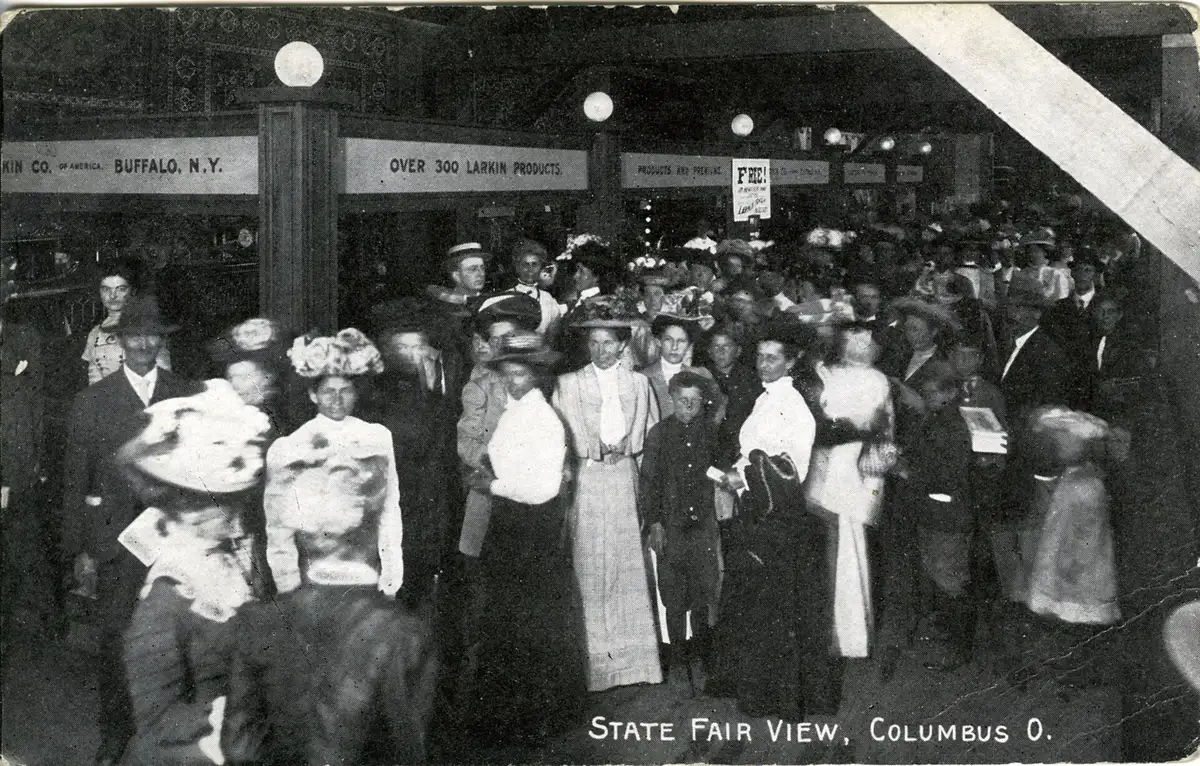
The Kittson County Agricultural Society organised itself in the summer of 1888 — its directors met in June and the society incorporated in July — and it wasted no time. That October it staged the county’s first fair on grounds a block south of the Swedish Lutheran Church. There was a mile of track and no grandstand, and the seating, as the county’s own history tells it, was planks resting on beer kegs.
The first editions were modest affairs, remembered locally as pumpkin fairs, and the society nearly lost its monopoly at once. A merger with the rival Saint Vincent Association fair was attempted in 1889 and failed, leaving two fairs running side by side in one small county.
Ambition grew with the new century: the Patten Company Carnival was brought in for 1908 and 1909, and one early fireworks display cost 570 dollars, a serious outlay for volunteers. Auto Polo and an Aerial Circus joined the bill in 1923; by 1932 the racing purse stood at 400 dollars. In 1934 the fair secured fourteen acres of its own, and along the way the season migrated too: a fair born in October now occupies the third week of July.
Thirty Volunteers and a Society From 1888
Thirty volunteers is the entire workforce. The society that stages this fair descends from the body that incorporated in 1888, and everything on the grounds in July is there because local people gave the fair their evenings and weekends. When the same neighbours judge the entries, park the cars and sell the tickets, the fair becomes a thing the town is, not just an event it hosts.
The grounds stand at the southwest edge of Hallock, three blocks west of US Highway 75 along County Highway 1. Two buildings anchor the site: the Centennial Building, forty feet by one hundred and twenty and painted red, white and blue, and Donald Dagen Hall, with the barns, contest spaces and derby track around them.
What Five Days in Hallock Hold
Five days in Hallock divide themselves as small fairs prefer: judged things in the morning, participatory things at midday, loud things after dark.
Battery Power at the Interval: The Power Wheels Derby
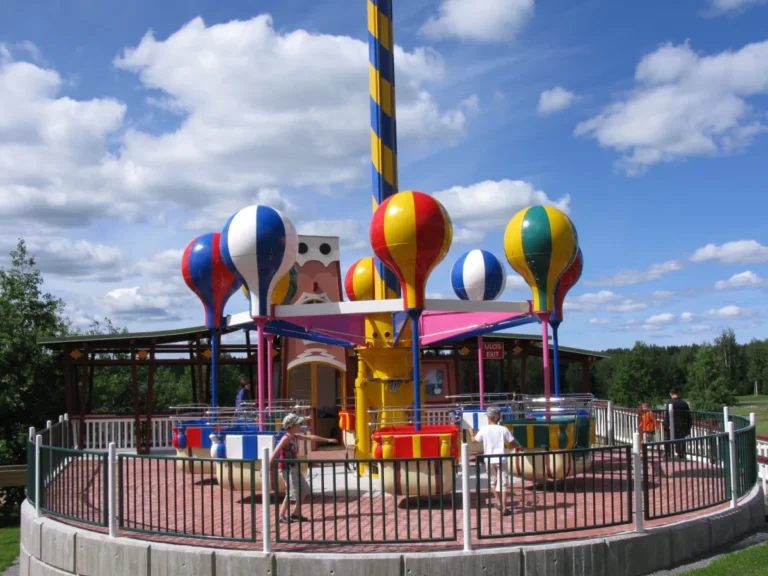
The demolition derby headlines the grandstand, but its best-loved act happens at the interval. Children climb into battery-powered ride-on cars and run a Power Wheels derby on the same dirt, to the loudest small-scale cheering in the state. The break becomes a second main event, and knowing families plan their evening around it.
Bake ‘n Taste and Produce Creations
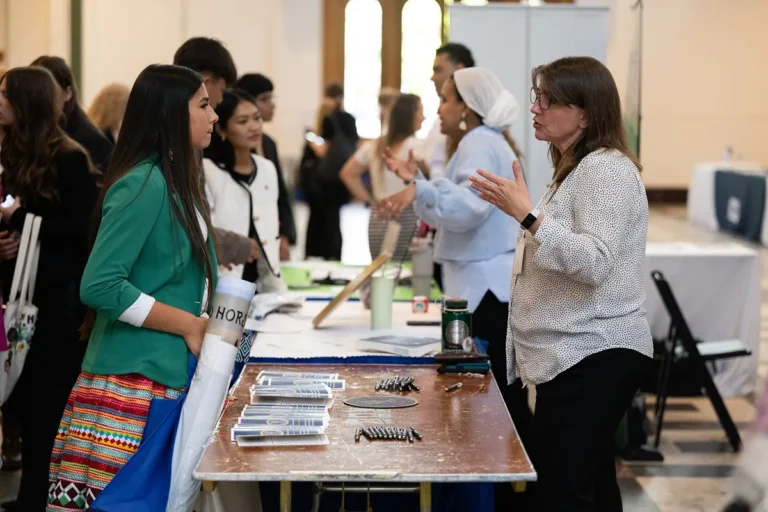
The Bake ‘n Taste Contest puts the county’s baking on trial, sourdough entries welcome, while the Produce Creations Contest does the same for garden imagination. Between them they settle the question every agricultural fair exists to ask: who made and grew the best of what this ground provides this year?
A Talent Ladder That Ends at the State Fair
Most county talent shows end at the county line. Kittson’s is a doorway: its contest winners advance to the Minnesota State Fair Talent Contest, so a singer from Hallock performs in July with a route to the state’s biggest stage attached. For all its smallness, this fair is wired into Minnesota’s wider fair circuit.
Farm to Plate, Pet Shows and Hands-On Science
The Minnesota Farm Bureau’s Farm to Plate meal turns the county’s produce into lunch with its lesson still attached. Around it, the 4-H Pet Show gives young handlers a ring of their own, UMC’s STEM activities put hands-on science in front of farm children, and Ninja Anywhere adds an obstacle challenge pitched at fairground energy.
Wristbands and the Occasional Free Grandstand Night
Recent programmes have listed a grandstand act as free and offered an all-day carnival wristband — a habit of keeping a family day affordable without printing prices it may later revise. Look for both in the current programme rather than counting on them.
Planning the Long Drive North
Plan like a local: confirm what the fair does not publish, and book the bed early.
Reaching Hallock: Highway 75 to County Highway 1
Hallock stands far up US Highway 75, a short drive from the Canadian border, and the fairgrounds wait at the town’s southwest edge, three blocks west of the highway on County Highway 1. From most of the state it is a half-day’s drive. Fill the tank before the last stretch, because services thin out as the towns do.
Admission: The Price the Fair Keeps to Itself
The society does not publish a gate figure in advance, and this guide will not invent one. Recent programmes point to low headline costs — a grandstand act listed free, an all-day band for the carnival — but the sound advice is to confirm the current admission with the fair before travelling, and to carry cash rather than count on a card reader at a volunteer-run gate.
Beds Before Barns: Staying Over Near Hallock
Staying over is a decision to make early. Guidance aimed at vendors discourages early camping on the grounds, and organised visitor camping at the fairgrounds is not something the fair confirms, so a tent beside the barns is not a plan to build a trip on. Hallock’s rooms are few; book ahead, or base yourself in a larger town down the highway.
July Weather at the Top of the State
The third week of July this far north brings some of the longest evenings in Minnesota: farmland heat through the afternoon, then a quick cool-down once the derby ends. Dress for both halves of the day — sun protection for the bench shows, a warm layer for the grandstand after dark, and shoes that forgive grass and gravel.
One Saturday at the Kittson County Fair
A single long day shows the fair whole, provided it is spent in the fair’s own order:
Morning: Judged Things First
Start where the judging is. Walk the contest entries while the light is honest — the baking, the sourdough, the produce creations — then the barns and the 4-H Pet Show, where the county’s youngest exhibitors do their serious work before the heat and crowds arrive.
Midday: The Farm to Plate Hour
Eat the county: the Farm to Plate meal is the fair’s argument served as lunch. Follow it with the science and obstacle corners — STEM activities and Ninja Anywhere — while the afternoon builds toward the track.
Evening: Stay Seated for the Interval
Take a grandstand seat before the demolition derby, and keep it at the interval. The Power Wheels derby is the whole fair in miniature: small machines, total commitment, and a crowd roaring for its own children. By the time the full-size cars resume their argument, the night has already made its point.
Two Fairs, Two Temperaments: Kittson and Kandiyohi
Kittson’s natural partner sits far down the state. The Kandiyohi County Fair in Willmar opens in the first full week of August, a fortnight after Hallock closes, and runs on a published price list: five dollars at the gate, five dollars to park, a cash-only grandstand wristband covering bull riding and a semi pull. Kittson runs on thirty volunteers, an unpublished gate and contests judged strictly within the county.
Read together, the two fairs divide Minnesota between them — the border county’s fair, homespun and soaked in its own history, against the lakes country’s fair, itemised and loud. A traveller with two summer weekends can take Hallock’s derby children in July and Willmar’s bulls in August, and understand the state’s fair culture better than either teaches it alone.
Packed for the Border: A Kittson Checklist
- The current season’s dates and programme confirmed — Wednesday to Sunday in July’s third week is the pattern
- Cash carried for the gate and the food rows, since admission is not published in advance
- A bed in or near Hallock booked early, because a small town fills quickly in fair week
- Sunscreen, a hat and water for long northern afternoons on open ground
- A warm layer for the grandstand once the sun drops behind the barns
- Your seat kept through the derby interval — the Power Wheels derby is not a break
- An appetite saved for the Farm to Plate meal
- Time left in the schedule for the drive itself; Hallock is a destination, not a detour
Beyond the Fairgrounds: Hallock and the Border Country
Hallock beyond fair week is a small county seat serving a wide, level farming county. The Canadian border lies a short drive north, lending even a fuel stop an international edge, and the townships spread away in big-field prairie. Fair week is the natural anchor for a border-country trip: come for the derby, add a day, and drive the quiet roads the exhibitors travelled in on.
Why the Kegs Still Matter
A fair that begins with its audience balanced on beer kegs cannot afford pretension, and Kittson never acquired any. Its importance is continuity: a society incorporated in 1888, before the county had a grandstand or a carnival, still staging the show with thirty volunteers. The failed merger of 1889, the 570-dollar fireworks, the Auto Polo of 1923 — each generation bolted the entertainment of its own day onto the same institution and kept it. When the talent contest sends a Hallock singer onward toward the state fair, the plank-and-keg fair is still doing its original work: showing a small county to itself first, and then to everyone else.
Reading the Grounds: Hallock’s Southwest Edge
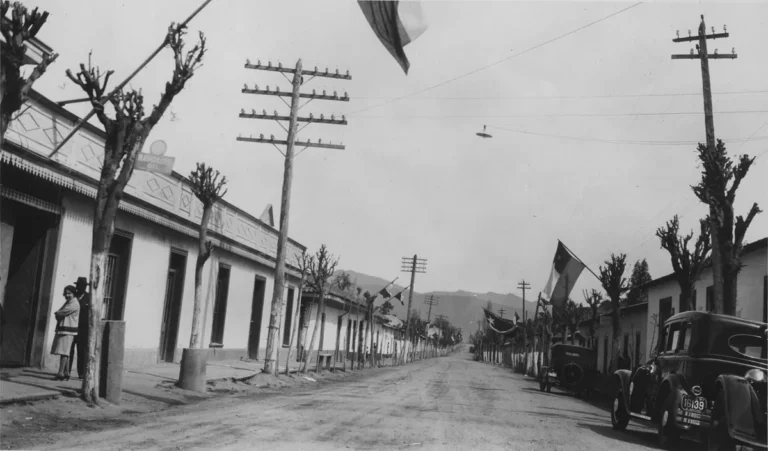
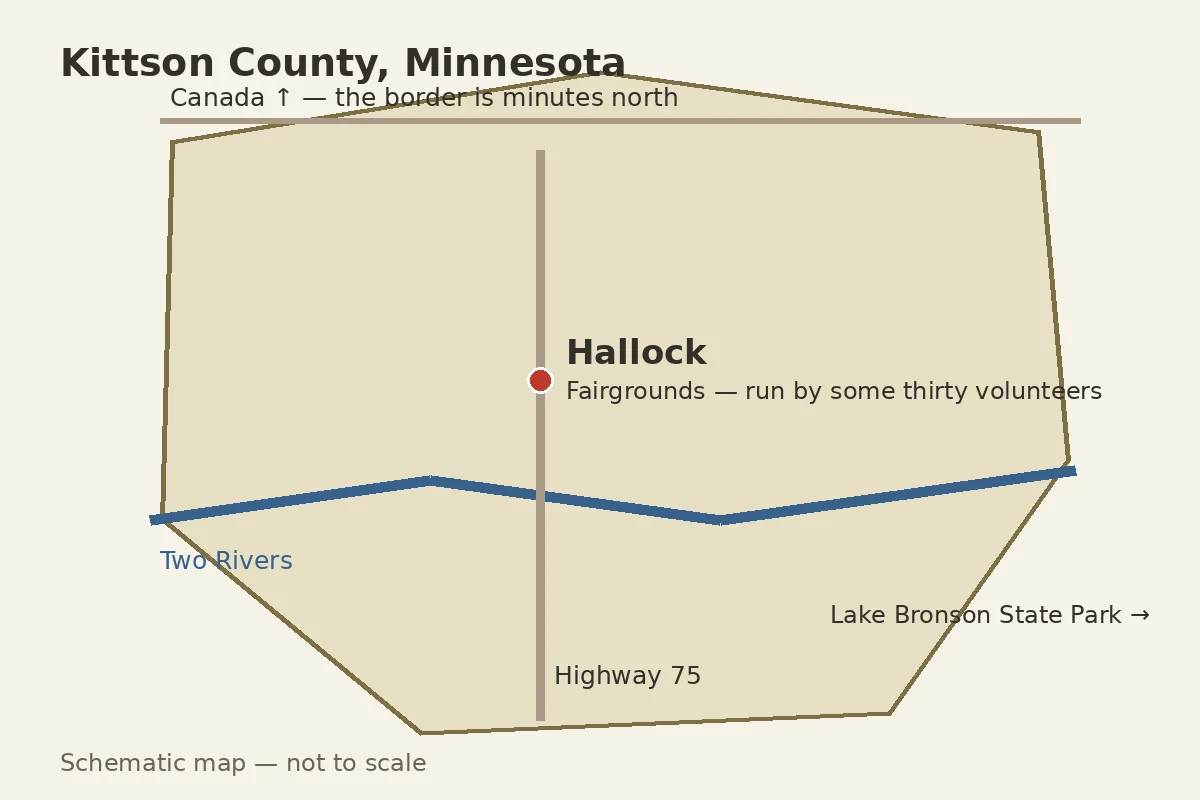
Picture the town first: US Highway 75 carries you into Hallock, and the fairgrounds sit three blocks west of it on County Highway 1, at the southwest edge of town, near enough to walk from the main street. The red-white-and-blue Centennial Building and Donald Dagen Hall are the landmarks; the sketch below shows the setting rather than the survey.
Frequently Asked Questions
When does the Kittson County Fair take place?
The fair runs for five days, Wednesday to Sunday, in the third week of July. It began life as an autumn occasion — the first edition was held in October 1888 — but July has been its settled home in the modern era, and the Wednesday-to-Sunday shape is the pattern recent editions follow.
How much does it cost to get into the Kittson County Fair?
The fair does not publish its gate admission in advance, so no honest guide can quote a figure. Recent programmes suggest a fair intent on keeping costs down — one listed a grandstand act as free and offered an all-day carnival wristband — but confirm the current season’s prices with the Kittson County Agricultural Society before you travel, and carry cash for the gate.
What is the Power Wheels derby?
It is the demolition derby’s interval act, and for many families the highlight of the week: children drive battery-powered ride-on cars in a derby of their own on the grandstand track while the full-size cars pause. Arrive in good time for the derby, and whatever you do, do not spend the interval at the food rows.
What happened at the very first Kittson County Fair?
The first fair was held in October 1888, the same year the Kittson County Agricultural Society organised and incorporated. There was a mile of track but no grandstand, so spectators sat on planks laid across beer kegs — the founding image this fair has never outgrown, and never needed to.
What to Expect From the Next Kittson County Minnesota Fair Festival
How often is the Kittson County Fair held?
The fair is an annual event, staged once each summer by the Kittson County Agricultural Society, which has kept it going since 1888 through pumpkin fairs, Auto Polo and demolition derbies. It remains the fixed point of Hallock’s year.
When is the next Kittson County Fair?
The next edition is expected in the third week of July, running Wednesday to Sunday as recent editions have. The society publishes the confirmed programme as the season approaches.
Will the dates change?
The third week of July and the Wednesday-to-Sunday shape have been consistent in recent seasons, so a major move is unlikely — though this is a fair that once travelled from October to July, and its history argues for confirming rather than assuming. Anchor plans to the traditional week and check the final programme before travelling.
Drive to the top of Minnesota and the reward is in proportion: a fair small enough to learn in a day and old enough to have seated its first crowd on beer kegs. Hallock keeps it the way it began — volunteers, neighbours, and planks where the grandstand ought to be, in spirit if no longer in fact.
Last updated: October 2026