Webster Parish Louisiana Webster Parish Fair Festival

Webster Parish Fair: A Returning Visitor’s Guide to North Louisiana’s Parish Fair Week
The first thing I notice every time I come back is how little the rhythm has changed. The Webster Parish Fair belongs to the Webster Parish area of north Louisiana, a parish founded in 1871 and seated in Minden, spread across 615 square miles of pine timber, pasture, and small communities. The 2020 census counted 36,967 people here, and fair week still pulls a good share of them toward the fairgrounds.
I’ve been a returning visitor for years, so this is the version of the fair I’d give a friend: what the week actually feels like, where a day goes, and how to plan around an event that runs on volunteer energy and local tradition rather than corporate polish. There’s no wrong way to do it, but there is a smarter way.
Webster Parish Fair Essentials: Parish, Place, and Practical Detail
The basics, gathered in one place for anyone plotting a first trip or a long-overdue return.
| County / parish | Webster Parish, Louisiana |
| Parish seat | Minden |
| Population | 36,967 (2020 census) |
| Parish land area | 615 square miles |
| Parish founded | 1871 |
| Typical timing | Autumn, in most years |
| Admission | Generally free; vendors and activities are priced separately |
| Setting | Open fairgrounds in the Webster Parish area, with exhibit halls, a midway, and outdoor stages |
| Typical features | Agriculture and youth exhibits, livestock, midway rides, food booths, live entertainment |
| Organizer | Local fair board and community volunteers |
What the Webster Parish Fair Is, and Why I Keep Coming Back
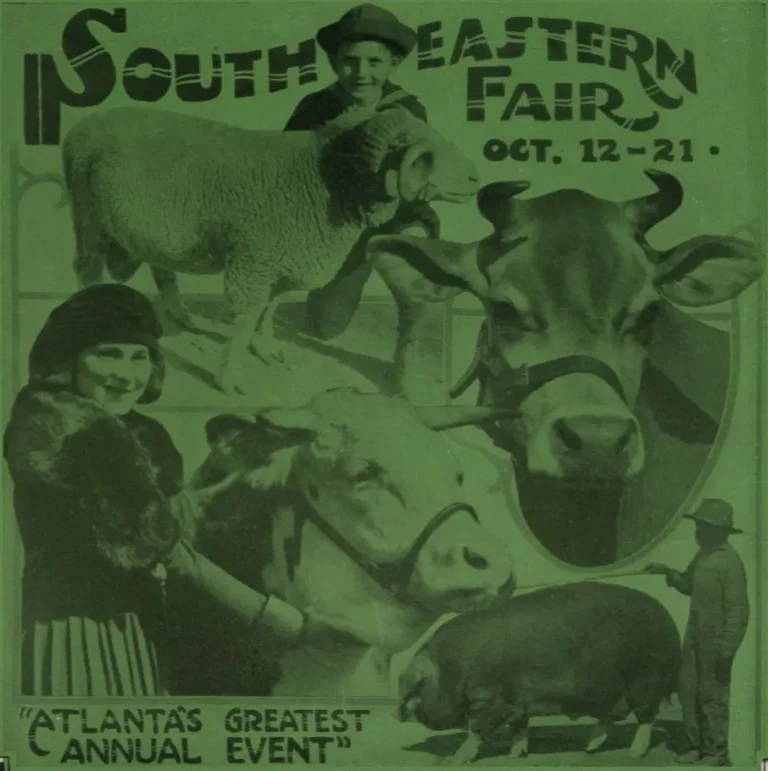
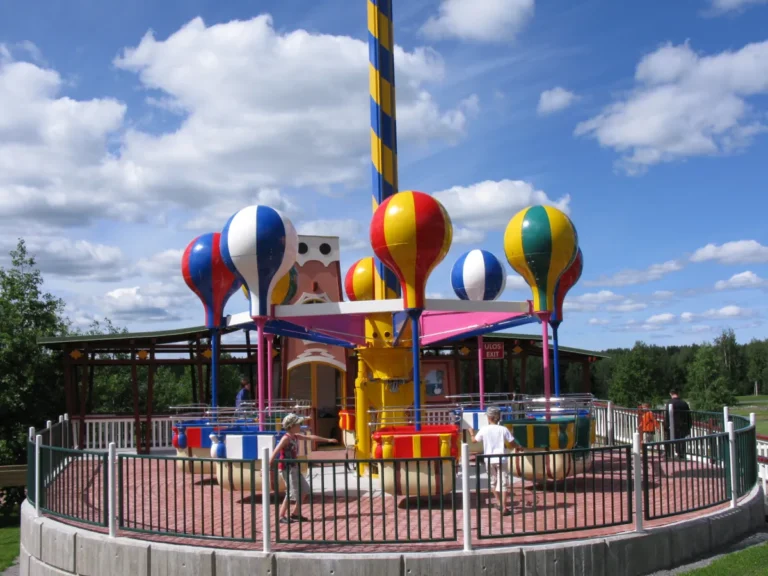
At its core this is an agricultural gathering with a carnival built around it. The exhibit halls and barns carry the weight: canned goods, quilts, photographs, poultry, cattle, and the youth projects that teach a kid how to finish something they started months ago. Around that core you get a midway, food booths, and stages — roughly the blueprint every Louisiana parish fair has followed for generations.
What makes it worth a return trip is scale. A parish of 615 square miles with Minden at its center is small enough that fair week still functions as a reunion. You will run into people you haven’t seen since the last one. You can also see the whole thing in an afternoon or stretch it across a weekend without feeling like you missed a wing of it.
I keep coming back because it doesn’t pretend to be a regional mega-festival. It’s a parish fair and it’s content to be one, which is exactly why the food tastes like somebody’s grandmother made it and why the livestock show still draws a crowd.
From an 1871 Parish to a Fair That Still Runs on Local Hands
Webster Parish was founded in 1871, and Minden became its seat. The parish grew on timber and agriculture, and its towns organized around churches, schools, and the seasonal rhythms of planting and harvest. Parish fairs across Louisiana emerged from that same impulse: farmers needed a place to compare crops and livestock, families needed an excuse to gather, and communities needed a stage for the year’s work.
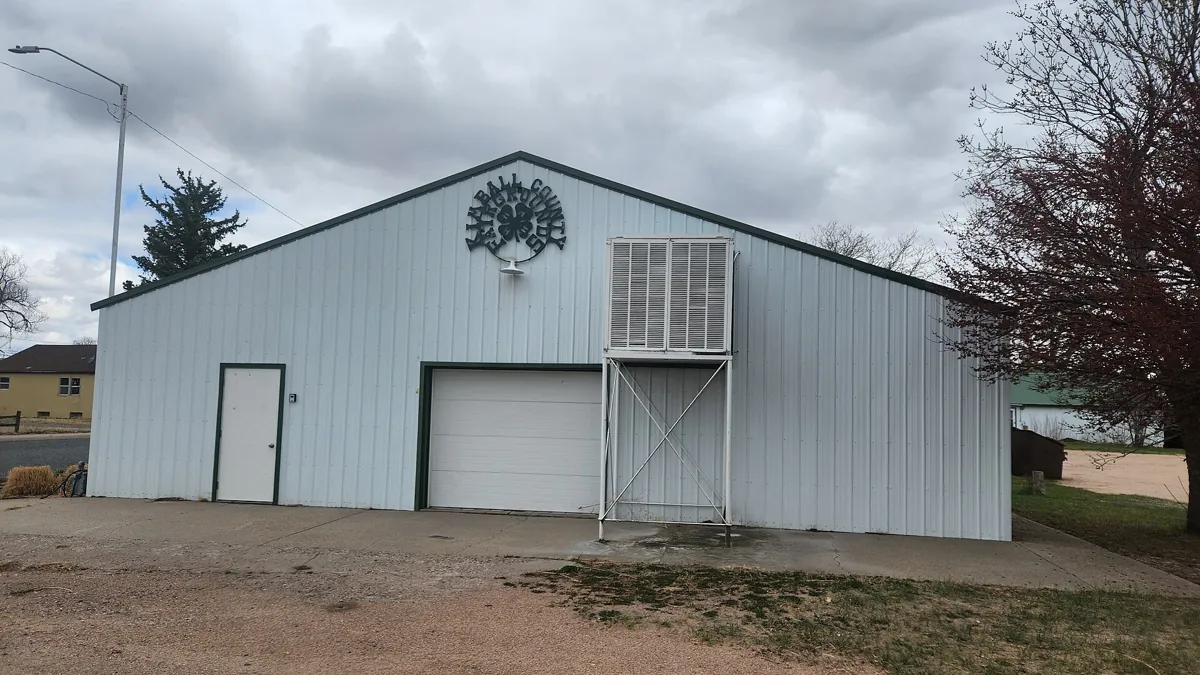
The Webster Parish Fair sits squarely in that tradition. The specific early chapters belong to the families and volunteers who kept it alive, but the shape of the thing has been consistent for generations. Exhibits came first. Livestock shows followed. Then came the midway, the pageants, the food booths, and the stage acts that turn an agricultural showcase into a weeklong social calendar.
What has changed is mostly logistical. Grounds get updated, exhibit categories shift as youth agriculture programs evolve, and entertainment gets booked a little differently than it once was. What hasn’t changed is who runs it — a fair board, church groups, school organizations, and volunteers who show up to set pens and sell tickets because the fair is theirs.
That volunteer spine is why a parish of 36,967 people can still put on a fair every year, and it’s why the week feels less like an attraction and more like an annual homecoming with funnel cakes.
A Full Day on the Webster Parish Fairgrounds, Start to Finish
A day here has a natural arc: exhibits and barns in the morning and early afternoon, midway and stage in the evening. Knowing that rhythm is most of the planning.
Fair Food and the North Louisiana Plate
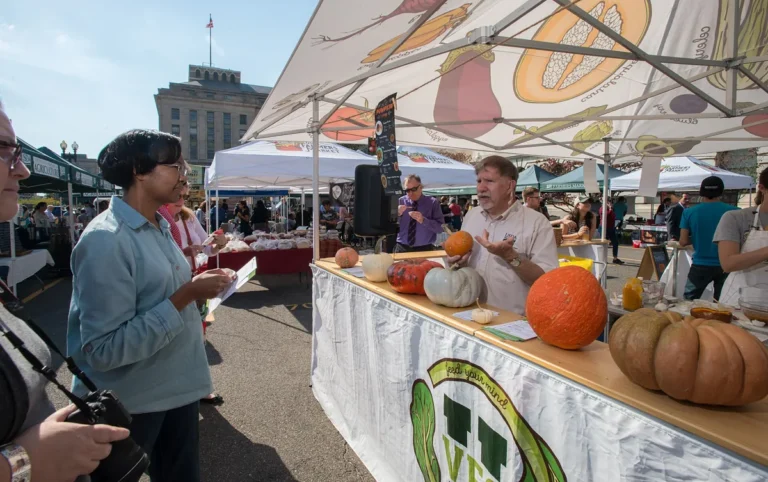
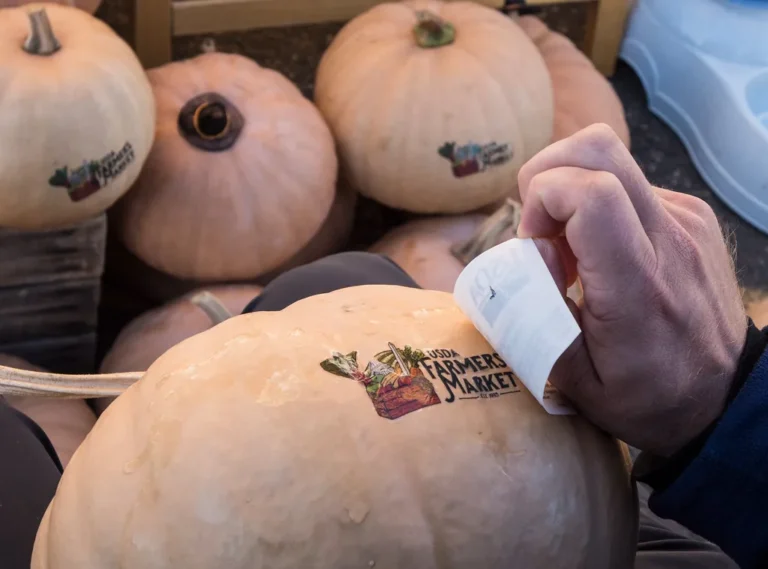
Food is the easy sell, and the Webster Parish area does it the way small Louisiana fairs do — booths run by local groups rather than one big concessions contractor. Expect corn dogs, funnel cakes, cotton candy, and nachos alongside the slow-cooked savory plates that appear whenever Louisiana cooks get involved. Church and civic booths are usually where the best value hides. Bring cash, since some booths move faster that way, and eat early if you want to beat the Saturday dinner rush.
Stage Acts, Music, and Local Entertainment
Entertainment at a parish fair is deliberately broad: local and regional bands, school performance groups, dance troupes, pageants, and a fair queen or ambassador program that families follow closely. Evening sets draw the biggest crowds, when the midway lights come on and the temperature finally drops. If music is your priority, build your day around the evening and treat the afternoon as the warm-up.
Family Activities, Livestock Barns, and Youth Exhibits
Families with young kids usually start at the midway and end at the exhibits. The livestock barn is the quietest, most rewarding corner of the grounds — it’s where you watch kids who spent months raising an animal walk it into a ring. Crafts, photography, baked goods, and youth projects fill the hall. Older visitors tend to drift toward the exhibit halls and the seating near the stage, where the shade and the conversation are both reliable.
Planning a Trip to the Webster Parish Fair and Minden
Planning a fair trip in a rural parish is mostly about logistics. Get those right and the rest of the week takes care of itself.
Getting There: Routes Into Webster Parish
Webster Parish sits in north Louisiana, with Minden as the parish seat and the most useful reference point for navigation. Most out-of-town visitors arrive from the Shreveport–Bossier City metro area to the west, or from the Ruston and Monroe directions to the east, using the interstate corridors that cross the region. Once you’re inside the parish, local roads and fair-week signage take over. Coming from out of state, treat Minden as your destination and follow the signs from there.
Where to Stay Around Minden and the Parish
Lodging in the immediate area is limited and skews practical — a handful of motels and inns in and around Minden, plus short-term rentals in surrounding communities. Fair week is a busy stretch on the local calendar, so booking ahead matters more than it would on an ordinary weekend. If everything nearby is taken, the Shreveport–Bossier City area offers far more inventory and an easy drive in.
Parking and Getting In and Out
Parking at parish fairs is usually a field, a lot, or a church yard, with volunteers directing traffic. Arrive early for the evening session or plan to walk a bit. The exit rush is real, so many returning visitors park once, stay for the whole evening, and leave after the crowd thins rather than fighting the first wave.
Admission, Tickets, and What You’ll Actually Spend
Admission to fairs like this is typically free, with money changing hands inside — for rides, games, food, raffle tickets, and exhibit-related purchases. Budget for the midway separately from food and keep small bills handy. If you’re bringing kids, agree on a ride budget before you walk through the gate; it saves a lot of negotiating later.
Weather in North Louisiana and How to Dress
Autumn in north Louisiana is unpredictable in the best way. Days can still run warm and humid, evenings cool off, and a passing shower is always possible. Dress in layers, wear shoes you don’t mind getting dusty, and keep a poncho or small umbrella in the car. Comfortable footwear matters more than anything else — you’ll cover more ground on grass and gravel than you expect.
My Sample Webster Parish Fair Weekend, Friday Through Sunday
A returning visitor’s weekend usually looks something like this. Friday: arrive late afternoon, walk the exhibit halls before the crowd builds, eat dinner from a church or civic booth, catch the early stage set, and take one pass through the midway just to see it lit up.
Saturday: come back mid-morning for the livestock show and youth exhibits, when the barns are active and the heat hasn’t settled in. Eat lunch on the grounds, rest through the afternoon, then return for the evening entertainment and the busiest midway hours.
Sunday: the slow, pleasant version of the fair. Vendors move what they don’t want to haul home, exhibits get one last look, and the crowd is mostly local families. It’s the best day to actually talk to people.
If you only have one day, Saturday covers the most ground. If you only have an evening, Friday gives you the atmosphere without the crush.
Webster Parish Fair Compared With Nearby Louisiana Towns
Against bigger regional events, the Webster Parish Fair is small, inexpensive, and easy to navigate. Ruston, in neighboring Lincoln Parish, hosts a well-known peach-season festival that pulls visitors from across the region, and the Shreveport–Bossier City area offers larger festivals, riverfront events, and a fuller slate of concerts. Those are good trips, but they’re built around crowds, driving, and parking strategy.
This fair trades scale for intimacy. Minden and the surrounding communities are the whole audience, the grounds are walkable, and you can see everything in a day without a plan. If you want the big-tent Louisiana festival experience, head to the metro. If you want the parish version — where the people selling you a plate of food also made it — stay here.
A Returning Visitor’s Checklist Before You Leave for Webster Parish
Before you leave the house, check the current local schedule, since dates shift year to year and some events happen on specific days only. Fill the tank, because stations near the grounds get busy, and pull out cash, because not every booth takes a card.
In the car: comfortable shoes, a light jacket, sunscreen, bug spray, a refillable water bottle, and a small umbrella. If you have young kids, bring a stroller you don’t mind pushing across grass and a change of clothes.
At the grounds, grab a program at the gate, note the livestock and stage times you care about, and pick a meeting point in case your group splits up. Charge your phone before you go so you’re not hunting for an outlet later.
Beyond the Fairgrounds: Minden and the Wider Parish
Minden is the parish seat and the natural base for the rest of your trip — a courthouse square, local restaurants, and a downtown that rewards a slow walk. Outside town, Webster Parish opens into 615 square miles of pine forest, farmland, and small communities strung along the highways.
With an extra half-day, spend it driving. The backroads are quiet, the landscape is genuinely pretty in the fall, and you’ll pass through towns that don’t show up on many itineraries. Check locally for what’s open, since rural hours run short and seasonal, and build the drive around a meal rather than a schedule.
What Fair Week Means to a Parish of 36,967
For a parish of 36,967 people, a fair isn’t entertainment — it’s infrastructure. It’s the week when youth agriculture projects get judged, when local businesses sponsor ribbons, when grandparents watch grandkids show an animal, and when money raised by church and civic booths goes straight back into the community.
It’s also one of the few events left that pulls an entire parish into one place at one time. Minden is the seat, but the fair belongs to the whole 615 square miles — the small towns, the farms, and the families who have been entering exhibits for generations. That’s the part visitors feel without being able to name it: the fair isn’t performing community. It is community.
Where the Webster Parish Fair Sits on the Map
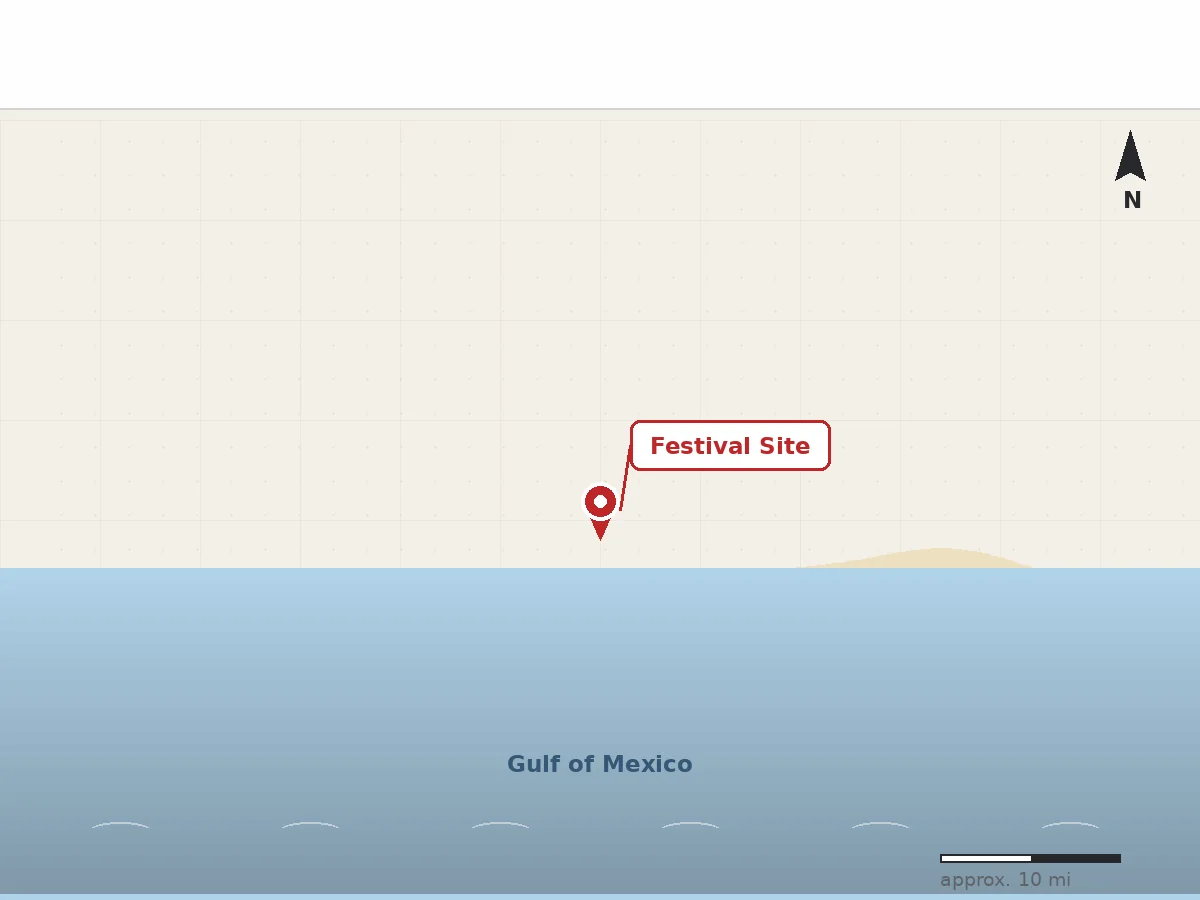
The Webster Parish Fair takes place in the Webster Parish area of north Louisiana, with Minden — the parish seat — serving as the most convenient reference point for anyone navigating in.
Webster Parish Fair Questions I Get From Friends Every Year
Is the Webster Parish Fair free to attend?
Admission is typically free, which is standard for Louisiana parish fairs. The spending happens inside the grounds — food, midway rides and games, raffle tickets, vendor goods — so bring cash and set a budget if you’re bringing kids.
How long does the fair usually run?
It’s generally a multi-day event in the autumn, spanning a weekend and often a few weekdays around it. Dates change from year to year, so confirm the current local schedule before you book travel or request time off.
Is it a good fit for young children and older visitors?
Yes, for different reasons. Kids get the midway, games, animals, and room to run. Older visitors get shaded seating, exhibit halls, and a pace that doesn’t require standing all day. The grounds are flat and walkable, though grass and gravel can be tough on wheels, so plan accordingly.
What should I bring to the fairgrounds?
Comfortable shoes, a layer for the evening, cash in small bills, sunscreen, and a water bottle. A tote bag helps with exhibit purchases and giveaway items. If rain is in the forecast, add a poncho and be ready for muddy footing.
What Comes Next for the Webster Parish Fair
Parish fairs survive on volunteers, and this one’s future depends on the same thing it always has: local families willing to run booths, enter exhibits, and show up. That pipeline looks different than it did a generation ago, but the fair’s core — agriculture, youth programs, and a shared week in the fall — remains a durable draw.
Expect small evolutions rather than reinventions: updated exhibit categories, different entertainment bookings, gradual improvements to the grounds. What won’t change is the reason people come back. For a parish of 36,967, this is still the week everyone is in the same place.
Last updated: October 2026
If you’ve never been, go on a Saturday and stay for the evening. If you’ve been away a while, go on a Sunday and let it be slow. Either way, the Webster Parish Fair will look familiar in the way that matters — same grounds, same smells, same people who have been running it for years.