Rowan County Kentucky Rowan County Fair Festival
If you have never been to the Rowan County Fair, start with the shape of the place. Rowan County sits in northeastern Kentucky, a 286-square-mile stretch of hill country whose county seat is Morehead. The county was founded in 1856 and named for John Rowan, and about 24,662 people lived here at the 2020 census. That scale matters. This is a fair rooted in one specific community, not a metro expo with a sponsor wall.
The most common first-timer mistake is treating it as a quick stop. County fairs reward lingering: one slow pass through the exhibit buildings, one loop of the midway, one plate of something fried, one seat on the grass for the evening entertainment. What follows is an orientation — what the fair is, how it fits into Rowan County’s long history, what to expect once you are through the gate, and how to build a day or a weekend around it.
Rowan County Fair Basics Before You Leave the House
| Town or place | Rowan County area, northeastern Kentucky |
| County | Rowan County, Kentucky |
| County seat | Morehead |
| Population | 24,662 (2020 census) |
| Region | Northeastern Kentucky |
| Typical timing | Summer into early autumn, usually across several days |
| Admission | Typically free; rides, games, and concessions are paid separately |
| Setting | Fairgrounds in the Rowan County area, surrounded by hill country |
| Features | Livestock exhibits, carnival rides, fair food, live entertainment, community displays |
| Organizer | Local fair organizers and community volunteers |
One line in that table is worth repeating: admission is typically free, which means your money at the fair is money you choose to spend — on rides, games, food, and whatever the booths are raffling. Carry some small bills anyway, since small-county vendors often prefer cash.
What the Rowan County Fair Actually Is
The Rowan County Fair is the county’s annual agricultural and community gathering, staged in the Rowan County area with Morehead, the county seat, as the anchor town. Expect the classic county fair anatomy: an exhibit hall full of entries from local households, a midway of rides and games, food trailers, a stage for live entertainment, and barns and pens where livestock take their turn in the spotlight.
What separates it from a commercial festival is who it belongs to. A county of roughly 24,662 people spread across 286 square miles produces a fair staffed and attended largely by neighbors. You will hear announcers call local names. You will see ribbons pinned to pies, photographs, vegetables, and handwork. The fair is less a spectacle you consume than a season you join.
Recalibrate your expectations about scale, too. This is not a state fair with a dozen stages and a Ferris wheel the size of a building. It is a walkable, unhurried fairground where you can see most of it in an afternoon and still find reasons to come back the next evening.
A Fair Tradition That Grew Up With Rowan County
Rowan County was founded in 1856 and named for John Rowan, with Morehead established as the county seat. In a place like this, the fairground has long served as one of the few venues where the whole county occupies the same space at the same time — farm families, town residents, students, and grandparents, all on the same gravel path.
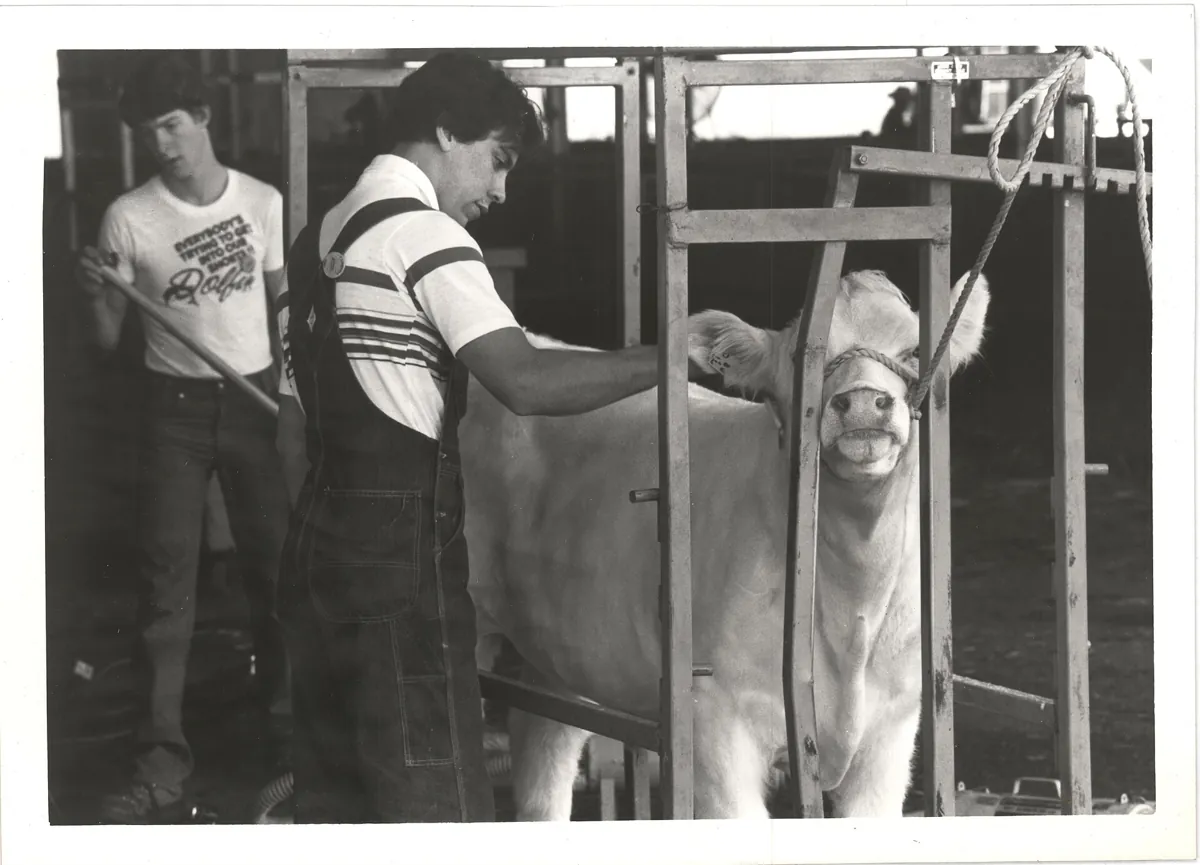
County fairs across northeastern Kentucky grew out of the agricultural calendar, marking the point in the year when crops and livestock were judged, household skills were displayed, and neighbors compared notes after a busy season. The Rowan County Fair carries that inheritance forward. Its categories, its barns, and its judging ribbons are direct descendants of an era when a county’s reputation was built on what it could grow and raise.
Over time, the entertainment side grew alongside the agricultural one. Rides, games, and evening shows were added to keep the fairground busy after the judging was finished, and today the two halves — the exhibit hall and the midway — sit side by side, each drawing its own crowd.
Inside the Fairgrounds: Food, Stages, and Family Rides
Once you are through the gate, the fair splits into a few zones that first-timers can learn quickly. The exhibit buildings and livestock barns sit on one side, the midway and food row on another, and the entertainment area usually anchors the evening.
Fair Food Along the Midway
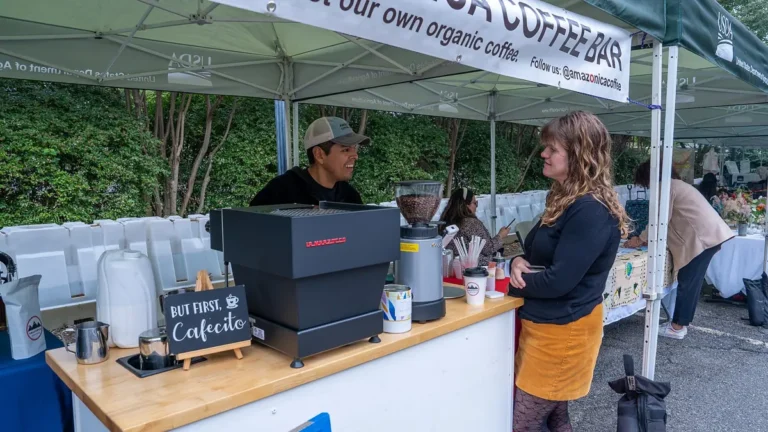
Food is the fair’s most democratic attraction: it costs nothing to look and a few dollars to join in. Expect the regional standard — fried and grilled handhelds, funnel cakes, kettle corn, lemonade, ice cream, and church or civic booths selling simpler fare. Lines are longest in the first hour after opening and again at dusk, so a mid-afternoon snack run usually moves fastest.
Music, Stages, and Evening Draws
Live entertainment tends to carry the fair from late afternoon into the night, with local and regional acts on the schedule alongside the kind of crowd-pleasing events county fairs are known for. Bring a folding chair or a blanket if you plan to settle in, and claim your spot early — the best sightlines go fast once the lights come on.
Family Activities and Livestock Barns
Families get the most out of the fair by splitting the visit. Younger children gravitate to the kiddie rides and games, while older kids and adults drift toward the barns, where exhibitors are often happy to talk about their animals. The exhibit hall is the sleeper hit: quilts, canned goods, produce, photography, and school projects, all judged and displayed. It is also the most air-conditioned and least crowded part of the fairground on a hot afternoon.
Planning a Fair Day Around Morehead
A little planning turns a fair visit from a scramble into a comfortable outing, especially if you are driving in from outside the county.
Getting There From Across Northeastern Kentucky
Morehead is the practical hub for fair traffic, and most visitors arrive by car on the region’s main highways. If you are coming from a neighboring county, allow extra time in the late afternoon, when commuting traffic and fair traffic overlap. Set your navigation for the fairgrounds rather than the town center, and keep an eye for temporary directional signs once you are close.
Where to Stay Near Morehead
Because the fair runs across several days, many first-timers turn it into an overnight trip. Morehead and its immediate surroundings hold the bulk of the region’s lodging, from national-chain motels to smaller independent options, and campgrounds in the area suit visitors traveling with trailers or RVs. Book early if your visit lands on a weekend.
Parking and Traffic on Fair Days
Fairground parking is usually the simplest part of the trip, but the lot fills in waves. Arriving before the evening rush buys you a shorter walk and an easier exit. Follow the directions of lot attendants rather than parking along the road, and note where you came in — fairgrounds look different after dark.
Admission, Ride Tickets, and Cash
Admission is typically free, with costs concentrated in rides, games, food, and any special events. That structure makes the fair easy on a budget: you can wander the barns and exhibit halls for nothing, then decide how much midway time you want. Set a cash limit for the kids before you arrive, and it will be a calmer evening for everyone.
Weather in the Rowan County Hills
Late summer and early autumn in northeastern Kentucky can swing from humid afternoons to cool nights, and hill country weather changes quickly. Dress in layers, wear shoes you do not mind getting dusty, and pack a light rain jacket rather than an umbrella if you plan to be on the midway. Evenings in the open air feel noticeably cooler than the afternoon.
A Sample Fair Weekend in Rowan County
Start your first day mid-afternoon. Walk the exhibit hall and barns while the light is still strong and the crowds are thin, then move to the midway as the rides warm up. Eat dinner from the food row around dusk, and finish with the evening entertainment.
Day two works better in reverse. Come early for the livestock shows, when exhibitors are busy and the barns are at their most interesting. Spend the hottest hours in the shaded seating areas or back at your lodging, then return for a second evening of rides and music. A second visit costs you nothing at the gate and lets you see everything you missed.
If you only have one day, choose the evening. That is when the fair is at full volume, and the atmosphere is the reason most people come back year after year.
How Rowan County Compares to Neighboring Fair Counties
Rowan County sits in a cluster of small northeastern Kentucky counties, each with its own late-summer or early-autumn fair tradition. Fleming County to the north, Bath County to the northwest, and Morgan County to the southeast all host community fairs of a similar size and spirit. If you enjoy the Rowan County Fair, the surrounding counties offer easy day trips that feel familiar without being identical.
The difference is usually in the details: which barns dominate, which food booths have a following, how much of the schedule leans on livestock versus entertainment. Rowan County’s advantage is its balance — a genuine agricultural fair with a lively midway, anchored by Morehead, which gives out-of-town visitors somewhere to eat, sleep, and wander between fair sessions.
First-Timer’s Checklist for the Rowan County Fair
Before you go, handle the basics: check the fair’s schedule for the days you plan to attend, confirm the current hours, and decide whether you are visiting once or twice. Bring cash in small bills, a refillable water bottle, sunscreen, and a light layer for the evening.
At the fairground, wear comfortable shoes, take a photo of your parking row, agree on a meeting point with your group before you split up, and pace the midway rather than sprinting through it. Leave the coolers and pets at home unless the fair publishes otherwise, and keep an eye on children near the rides and animal pens.
Beyond the Fairgrounds: Morehead and Rowan County
The fair is a fine reason to see Rowan County, but it should not be the only one. Morehead serves as the county seat and the area’s commercial center, with restaurants, shops, and services within a short drive of the fairgrounds. The surrounding 286 square miles of hills, ridges, and rural roads reward a slow drive, especially in early autumn when the leaves begin to turn.
Pair your fair visit with a morning in town or an afternoon on the back roads. Northeastern Kentucky’s landscape is the reason agriculture shaped this county the way it did, and seeing the countryside makes the fair’s livestock barns and produce displays land differently.
What the Fair Means to Rowan County
For a county of about 24,662 people, the fair is one of the few annual events that genuinely spans generations. It is where students show projects, where families compare notes after harvest, and where neighbors who have not seen each other since last year finally catch up.
It is also an economic and civic anchor for the area. Local vendors, civic groups, churches, and volunteers all take part, and the money spent at the fairground tends to circulate close to home. For visitors, that is the appeal: you are not just attending an event, you are briefly part of a community’s yearly rhythm.
Where the Rowan County Fair Sits
The Rowan County Fair takes place in the Rowan County area of northeastern Kentucky, with Morehead, the county seat, as the closest town and the practical base for visitors.
What Newcomers Want to Know About the Rowan County Fair
Is the Rowan County Fair free to attend?
Admission is typically free, so you can walk the grounds, browse the exhibit halls, and watch the entertainment without buying a ticket. Your spending is concentrated in rides, games, food, and any special events, which makes it easy to control your budget. Bring cash in small bills for vendors and booths.
How long should I plan to stay?
Most first-timers find two to three hours enough to see the exhibits, walk the midway, and eat. Add an hour or more if you are staying for the evening entertainment, and consider a second visit if the fair runs across several days — the barns and shows look different depending on the time of day.
Is it a good outing for young children and older visitors?
Yes, with a little planning. The fairground is walkable, and the exhibit halls offer shade and seating, which suits older visitors and anyone escaping the afternoon heat. Families with small children should head for the kiddie rides early, before the evening crowds build, and keep a meeting point in mind in case anyone wanders.
What should I bring with me?
Comfortable shoes, cash, a refillable water bottle, sunscreen, and a light jacket for the evening. A folding chair or blanket helps if you plan to sit for the entertainment. Leave pets at home unless the fair announces otherwise, and check the schedule before you drive in.
The Next Chapter for the Rowan County Fair
County fairs survive by adapting without losing their center. For Rowan County, that means keeping the livestock shows, the exhibit hall, and the local vendors at the heart of the event while continuing to refresh the midway, the entertainment lineup, and the ways families spend an evening on the grounds.
For first-timers, the useful takeaway is simple: the fair you attend this year is part of a long local tradition, and the best way to support it is to show up, spend a little with local vendors, and come back next season. If the fair runs across several days in summer or early autumn, plan around it early rather than squeezing it into a spare afternoon.
Last updated: October 2026
Go once, and you will understand why a county of 24,662 people keeps setting aside a stretch of late summer or early autumn for the same ritual: the barns swept clean, the ribbons ready, the midway lit, and the whole of Rowan County drifting toward Morehead to see what this year’s fair has in store.