Queen Anne’s County Maryland Queen Anne’s County Fair Festival
Centreville, the seat of Queen Anne’s County, Maryland, is the kind of Eastern Shore town where the courthouse, the church steeples, and the surrounding farm fields still set the rhythm of the year. The county was founded in 1706 and named for Queen Anne of Great Britain, and its 511 square miles are home to 49,874 people spread across small towns, working farms, and waterfront communities. Each late summer, a good share of them turn toward the fairgrounds.
The Queen Anne’s County Fair is the county’s own version of an old American ritual: a few days when the year’s work — livestock, preserves, quilts, prize vegetables — is shown, judged, and celebrated in public. It is part agricultural showcase, part family reunion, part carnival midway, and it has filled that role for generations of Mid-Shore families.
Queen Anne’s County Fair: The Essentials in One Table
| Town / area | Queen Anne’s County area, centered on Centreville |
| County | Queen Anne’s County, Maryland |
| County seat | Centreville |
| County population | 49,874 |
| Region | Maryland’s Eastern Shore (Mid-Shore) |
| Typical timing | Late summer, most often in August |
| Admission | Free or low-cost gate in most years; food, rides, and some events cost extra |
| Setting | Rural fairgrounds with exhibit halls, animal barns, and a midway |
| Signature features | Livestock and youth exhibits, home arts entries, tractor pulls, carnival rides |
| Organizer | Local volunteer fair association and community groups |
What the Queen Anne’s County Fair Actually Is
Strip away the lights and the noise of the midway and the fair is still, at heart, a countywide exhibition. Farmers bring cattle, goats, sheep, and poultry. Home cooks enter jams, breads, and pies. Quilters, photographers, and woodworkers put their year’s best work on display. Young people in 4-H-style programs show animals they have raised and keep record books on them, and the ribbons handed out in the barns and exhibit halls carry real bragging rights in a county this size.
Because the fair is run by local volunteers and community groups rather than a touring commercial operation, it keeps a distinctly local flavor. The people selling tickets at the gate, judging the flower arrangements, and flipping burgers are often neighbors. That is the difference between a county fair and a traveling carnival, and it shapes everything from the schedule to the mood of the crowd.
From a 1706 County to a Summer Habit in Centreville
Queen Anne’s County was formed in 1706 and named for Queen Anne of Great Britain, which makes it one of Maryland’s older jurisdictions. Its economy for most of those centuries ran on agriculture and the water, and that history explains why a fair took hold here so naturally. In the 1800s, agricultural societies across the Eastern Shore began organizing exhibitions where farmers could compare crops, bloodlines, and equipment. These gatherings were practical before they were festive — a way to spread better methods through a rural county.
Over time the practical and the celebratory merged. Permanent fairgrounds with exhibit halls, barns, and a show ring replaced one-off displays. Livestock judging became a public spectacle. Machinery demonstrations turned into tractor pulls. Women’s committees that once judged preserves and needlework grew into the sprawling home arts departments that still anchor county fairs today. The Queen Anne’s County Fair follows that same broad arc, growing from an agricultural meeting into a multi-day event that draws people from across the Mid-Shore.
What has changed is mostly the packaging: amplified music, carnival rides, food trailers selling everything from funnel cake to local seafood. What has not changed is the core. The fair still measures the year in ribbons, and the county still shows up to see who won.
A Day on the Grounds in Centreville
A fair day here has a predictable shape, and knowing it helps you plan. Mornings belong to exhibitors and judges, afternoons to families and livestock shows, evenings to rides, music, and crowds. Arrive early for quiet barn time with the animals; stay late if you want the midway at full volume.
Eastern Shore Food, From the Fryer to the Pie Table
Fair food on the Eastern Shore tends to mix the standard midway menu — fries, funnel cake, cotton candy, snowballs — with local favorites. Depending on the year’s vendors, you may find crab cakes, fried chicken, pulled pork, and seafood sandwiches alongside the expected fried dough. Church and civic groups often run their own stands, which is usually where the best home-style cooking is hiding. Bring cash for smaller stands and for the bake sale tables, where prize-winning pies and cakes sometimes go on sale after judging.
Music, Tractor Pulls, and Evening Entertainment
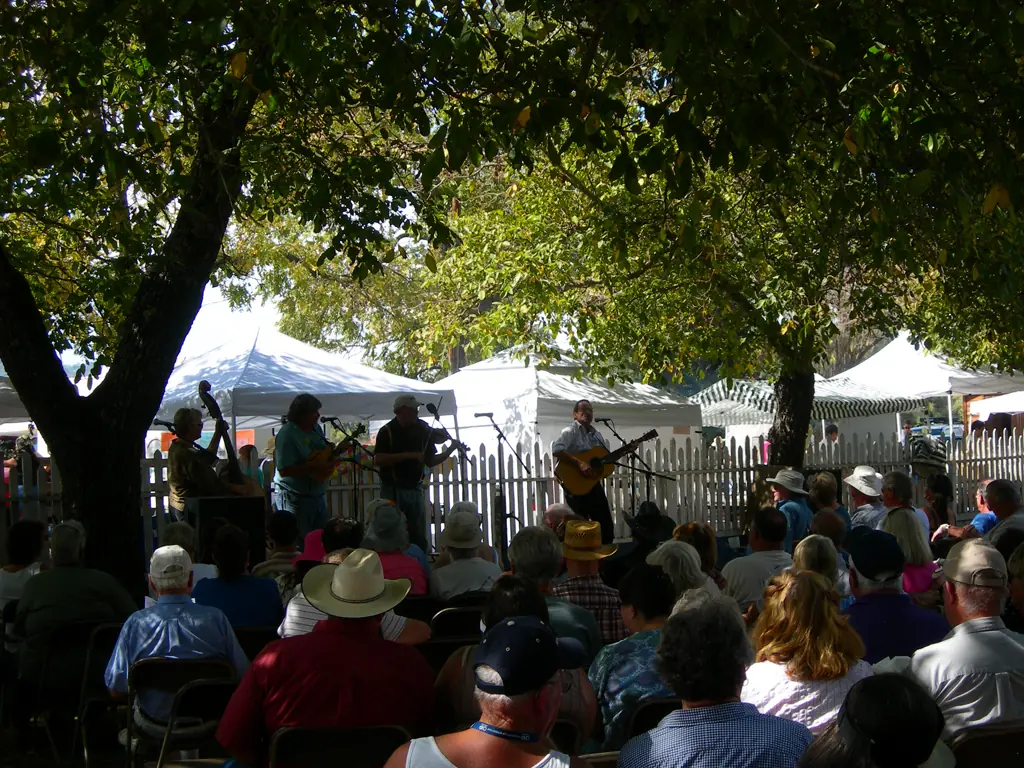
Live entertainment is typically a mix of local bands, country and classic rock cover acts, and community performances, with a stage or grandstand program running through the evening. Tractor pulls and similar motorized contests are a county fair staple and draw a loyal crowd of their own. Smaller attractions — magic shows, demonstrations, contests, and announcer-led games — fill the gaps between headline sets.
Youth Exhibits, Contests, and Things for Kids to Do
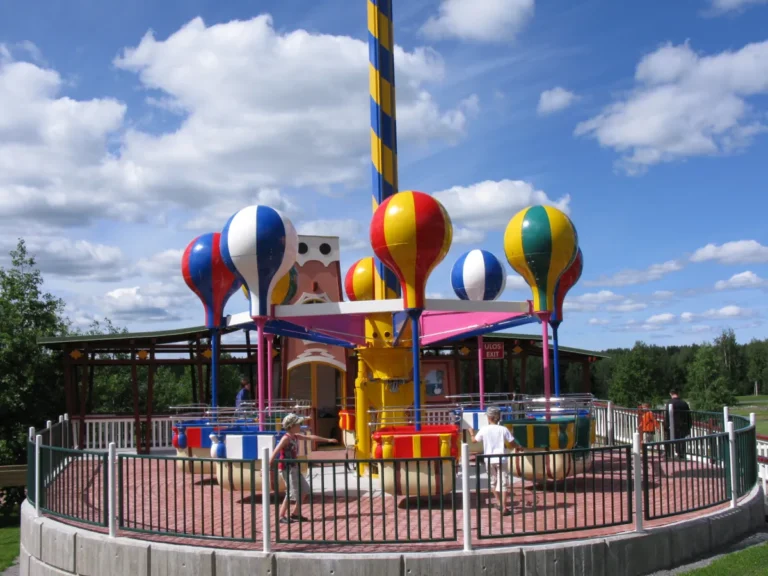
For families, the fair’s strongest asset is that children can get close to real agriculture. Petting areas, barn visits, and youth livestock shows let kids meet animals they would otherwise only see in pictures. Carnival rides and games are usually grouped in one section of the grounds, so you can decide how much of the day to spend there. Look for hands-on contests and craft activities, which are often free or inexpensive and give younger children something to do between rides.
Planning a Fair Weekend in Queen Anne’s County
Getting to Centreville by Car
Queen Anne’s County sits on Maryland’s Eastern Shore, and Centreville is the county seat, so the fairgrounds are reached by car for nearly everyone. Drivers coming from the Baltimore or Annapolis side cross the Chesapeake Bay and continue east; those coming from Delaware or the upper shore approach from the north and east. Route 301 and Route 50 are the main regional arteries, with local roads finishing the trip into Centreville. Traffic thickens in the hour before evening events, so leaving a cushion is wise.
Where to Stay Around the County
Lodging in the immediate Centreville area is limited, which is typical of a rural Eastern Shore county. Most fairgoers either live within driving distance or base themselves in nearby towns such as Easton, Chestertown, or Denton and make the short trip in. Small inns, bed-and-breakfasts, and vacation rentals dot the region, and larger hotel clusters sit along the Route 50 corridor. Book early for fair week, since late summer is also a busy season for Chesapeake Bay travel.
Parking and Getting Through the Gate
Fairground parking is usually on grass or gravel, directed by volunteers, and included with admission or offered for a small fee depending on the year. Expect a short walk from the outer lots to the gates. If you have strollers, coolers, or mobility needs, ask the parking crew for the closest available area rather than circling. Carpooling genuinely helps on the busiest evenings.
Admission, Wristbands, and What Adds Up
County fair pricing varies from year to year, and Queen Anne’s is no exception. Gate admission is often free or modest, with costs concentrated in ride wristbands, games, food, and raffle or contest entries. Many fairs offer multi-day passes or discounted ride nights, so it pays to check the current schedule before you commit to a single evening. Bring some cash even if cards are accepted, because small volunteer-run stands sometimes cannot take them.
Late-Summer Weather on the Mid-Shore
August on the Eastern Shore means heat, humidity, and the chance of an afternoon thunderstorm. Wear light clothing, bring water, and treat a pop-up shower as a normal part of the day rather than a reason to leave — most fairgrounds have indoor exhibit halls and barns where you can wait it out. Evenings cool off nicely, which is why the crowds build after dinner. Insect repellent is a sensible addition for anyone planning to linger near the barns or the edges of the grounds.
A Two-Day Sample Itinerary Around the Fair
On day one, arrive in the late morning and start with the exhibit halls while they are still quiet. Walk the home arts and youth project displays, then move to the barns for the livestock shows. Eat lunch from a civic group stand, catch an afternoon demonstration or contest, and head out before the evening rush. Use the late afternoon to explore downtown Centreville or rest at your lodging, then return after dinner for the midway, live music, and the grandstand program.
On day two, come earlier and focus on whatever you missed. If you have children, dedicate the morning to animals and hands-on activities, then give the rides a block of time in the afternoon before the lines get long. Finish with a tractor pull or an evening concert, and leave time for one last walk through the barns after the crowds thin. Two visits let you see the fair as both an agricultural exhibition and a summer night out, which are really two different experiences sharing one set of grounds.
How Queen Anne’s Compares with Nearby Fair Towns
Neighboring Talbot County, with its fair in Easton, tends to draw a somewhat larger regional crowd and pairs easily with a day of shopping and dining in town. Chestertown, up in Kent County, leans into its historic waterfront character, and its seasonal events feel more like street festivals than farm exhibitions. Denton, in Caroline County, sits at the head of the Choptank and offers its own small-town fair atmosphere with easy river access. Queen Anne’s distinguishes itself by staying visibly agricultural: the barns, the show ring, and the youth exhibits are the point, not a side attraction.
Fair-Day Checklist for Queen Anne’s County
Pack sunscreen, a hat, refillable water bottles, and a light rain jacket. Wear closed-toe shoes you do not mind getting dusty, since barn areas and grass lots are hard on sandals. Bring cash in small bills, a tote for purchases or baked goods, and a phone charger or battery pack for a long day. Check the current schedule online before you drive out, note the gate times and any ride wristband deals, and decide in advance whether you are staying for the evening program. If you are meeting people, choose a specific landmark near the main gate rather than a general area, because cell service can get sluggish when the grounds are full.
Beyond the Fairgrounds: The Rest of Queen Anne’s County
Queen Anne’s County covers 511 square miles of farmland, shoreline, and small communities, and the fair is a good excuse to see more of it. Centreville itself rewards a slow walk, with a historic courthouse district and quiet residential streets. The county’s edges meet Chesapeake Bay tributaries, where you will find public landings, small parks, and working waterfronts. Route 50 runs the length of the county and connects it to Easton, Cambridge, and the Bay Bridge, so a fair weekend can easily stretch into a broader Eastern Shore loop.
Why the Fair Still Anchors the County’s Calendar
In a county of 49,874 people, the fair functions as a shared annual checkpoint. It is where farm families see neighbors they have not spoken to since last year, where kids learn that a ribbon is earned rather than given, and where people who moved to the county from elsewhere get a fast education in how the place actually works. Local businesses sponsor classes, volunteers staff the gates, and the money raised tends to circulate back into community programs. That is a lot of social infrastructure for a few days in late summer.
Where the Queen Anne’s County Fairgrounds Sit
The fairgrounds are located in the Queen Anne’s County area served by Centreville, the county seat, within easy reach of the Route 50 and Route 301 corridors that cross Maryland’s Eastern Shore.
Straight Answers for First-Time Fairgoers
When is the Queen Anne’s County Fair held?
It is a late-summer event, most often held in August and usually across several consecutive days. Exact dates shift from year to year, so check the current schedule rather than relying on last season’s calendar.
Do I need to buy tickets in advance?
For most visitors, no. Gate admission at county fairs of this kind is frequently free or low-cost and available at the entrance, while rides and some special events carry separate charges. Advance or discounted options sometimes exist for ride wristbands, so it is worth a quick look at the fair’s current information before you go.
Is the fair a good outing for young children?
Yes, provided you plan around the heat and the walking. Mornings are calmer and cooler, the animal barns are the biggest hit with small kids, and the midway is best tackled in a defined block of time rather than stretched across the whole day. Bring a stroller or wagon if you have one.
How long should I plan to spend there?
Three to four hours covers the exhibits, barns, and a meal comfortably. Add two more if you want rides, games, and an evening show. Splitting your visit across two days is the easiest way to see everything without rushing through the parts that make this fair different from a carnival.
What’s Next for the Queen Anne’s County Fair
County fairs everywhere are working to stay relevant to younger families while preserving the agricultural core that justifies their existence. For Queen Anne’s, that balance looks familiar: keep the livestock shows, youth programs, and home arts departments strong, while refreshing entertainment, vendor lineups, and the midway experience. Expect the fair to continue as a volunteer-driven, late-summer fixture in Centreville, evolving in details but not in purpose. Anyone planning a trip should confirm the season’s dates, gate times, and admission structure once they are announced.
Last updated: October 2026
What makes the Queen Anne’s County Fair worth a drive is not any single attraction but the way an entire county folds its year into a few days: the judged tomatoes, the nervous kids in the show ring, the smell of fried food drifting past the barns, and the sound of neighbors catching up. Come for the rides if you like, but stay for the ribbons — that is where Queen Anne’s County tells its own story.