Plymouth County Massachusetts Plymouth Waterfront Festival
Late summer in Plymouth County smells like salt air and fried dough, and nowhere is that combination thicker than along the town of Plymouth’s harborfront. When August arrives, the Plymouth Waterfront Festival pulls locals and day-trippers onto the same stretch of pavement — fishermen, families with strollers, teenagers on bikes, grandparents in lawn chairs — all of them pointed toward the water. It is the sort of weekend that reminds you why this corner of southeastern Massachusetts has drawn people to its shore for four centuries.
Unlike a fenced-in fairground, the festival works with the harbor rather than around it. Vendor tents settle in beside working piers, the smell of the ocean competes with the smell of the grill, and the whole event keeps one eye on the tide. General admission is free, which matters in a county where a family day out can add up quickly.
What follows is a plain-spoken guide: what the festival is, how it grew out of Plymouth’s maritime past, how to plan a weekend around it, and what else is worth seeing while you are in Plymouth County.
Where Plymouth County Meets the Sea: Core Details
Before the crowds arrive, here is the practical shape of the event — the details most visitors want in the first thirty seconds.
| Town / place | The Plymouth County area, centered on Plymouth’s harborfront |
| County | Plymouth County, Massachusetts |
| County seat | Plymouth |
| County population | 530,819 (2020 census) |
| Region | Southeastern Massachusetts, South Shore and Cape gateway |
| Typical timing | A weekend in August, late summer |
| Admission | Free general admission; individual vendors and activities set their own prices |
| Setting | Plymouth Harbor and the adjoining waterfront streets |
| Features | Waterfront food, live entertainment, vendor booths, family activities, harbor views |
| Organizer | Community-organized; details are announced locally each summer |
The county figures above describe Plymouth County as a whole — a land area of roughly 1,093 square miles, founded on June 2, 1685 — which gives a sense of the audience a harbor festival here can draw from.
What the Plymouth Waterfront Festival Actually Feels Like
Picture a summer Saturday where the town simply opens its front door. The waterfront becomes a long, slow promenade of tents, food trailers and small stages, with the harbor as the backdrop and the occasional gust of wind threatening to rearrange a vendor’s signage. You walk, you graze, you stop when something smells good or sounds better.
The mood is deliberately unpretentious. This is not a festival built around a single headline act or a ticketed gate; it is built around wandering. Children dart between booths, dogs get more attention than their owners, and someone is always selling something made of rope, resin or sea glass. Because admission is free, people come and go across the day rather than committing to one long shift.
What ties it together is the location itself. Plymouth’s waterfront is a place where tourism, fishing and everyday town life still share the same few blocks, and the festival leans into that overlap rather than smoothing it out.
From Working Wharves to Festival Tents: Plymouth’s Harbor Story
Plymouth’s relationship with its harbor is older than the county that surrounds it. Long before Plymouth County was formally established on June 2, 1685, the shoreline here was the reason the settlement survived at all — a place to land, fish, trade and repair. For generations afterward, the waterfront was a working district first and a scenic one second.
As the region’s economy shifted, the harbor’s role shifted with it. Fishing and shipping gave ground to tourism, and the waterfront gradually became the public face of the town — the spot where visitors arrived, took photographs and looked out at the bay. A waterfront festival is, in that sense, a natural extension of what this stretch of coast has always done: gathering people at the edge of the water.
The modern event is best understood as a late-summer ritual rather than a one-off. It returns in August, it is free to enter, and it depends on the same mix of civic volunteers, local businesses and municipal cooperation that keeps most New England harbor celebrations running year after year. Its history is less a single founding moment than a steady accumulation of Augusts.
What You’ll Find Along Plymouth’s Harborfront
The festival rewards a slow walk. Plan on a few hours rather than a tight schedule, and expect the waterfront to be busiest from mid-morning through mid-afternoon.
Food and Drink with a Harbor Breeze
Food is the engine of the weekend. Expect the classic coastal Massachusetts lineup — fried seafood, chowder, sausage and pepper stands, ice cream, lemonade and kettle corn — alongside local vendors selling chowder bread bowls and lobster rolls at prices that vary booth to booth. Seating is scarce and improvised; most people eat standing, sitting on a seawall, or balanced on a curb with a paper tray. Bring cash as a backup even if most vendors take cards.
Music, Performers and Waterfront Entertainment
Live entertainment runs throughout the weekend, typically with local and regional acts rather than national names. The programming tends toward cover bands, folk and acoustic sets, and the kind of easygoing rock that plays well outdoors. Between sets, buskers and street performers often fill the gaps. Because stages sit close to the water, the sound carries — which is part of the charm and part of the reason conversation gets loud near the front.
Family Activities for Kids of Every Age
This is a genuinely family-friendly weekend. Expect children’s activities, craft and game booths, face painting and the low-stakes carnival games that empty a parent’s pocket change in twenty minutes. Strollers are manageable but crowded stretches near the main booths can be slow going. For older kids, the appeal is simpler: freedom to roam a defined area with a friend and a few dollars.
Planning Your Plymouth Waterfront Festival Weekend
Getting to Plymouth by Road and Rail
Plymouth sits roughly midway between Boston and Cape Cod, and most visitors arrive by car via Route 3, which feeds directly into the town’s waterfront area. Seasonal traffic on summer weekends is heavy, particularly mid-morning heading south and late afternoon heading north. Commuter rail service connects the Plymouth area to Boston, which is worth considering if you would rather skip the drive entirely.
Where to Stay Near Plymouth Harbor
Lodging in and around Plymouth ranges from waterfront hotels and historic inns to chain properties along the Route 3 corridor and campgrounds in the surrounding towns. August is peak season on the South Shore, so book well ahead if you want to walk to the festival rather than drive. Staying within walking distance is the single biggest upgrade to the weekend.
Parking Around the Waterfront
Parking is the festival’s real bottleneck. Waterfront lots and street spaces fill early, and the town typically directs overflow traffic to peripheral lots and shuttle points. Arrive before mid-morning or after the lunch peak, carpool if you can, and treat a ten-minute walk as normal rather than a problem. Handicap parking near the waterfront exists but is limited and goes quickly.
Admission, Costs and What to Budget For
Entry to the festival is free. Your spending will go to food, drinks, crafts and any activities your children spot first. A realistic budget for a family of four covers parking, lunch, a snack, a drink and one or two small purchases. Vendors set their own prices, so costs vary across the site.
August Weather and What to Wear
Expect warm, humid conditions with a strong chance of a breezy afternoon on the water. Sunscreen, a hat and a refillable water bottle are essentials. Layers help in the evening, when the harbor air cools quickly. Coastal fog and sudden showers are both possible in August, so a light rain jacket beats an umbrella in a crowd.
A Sample Late-Summer Weekend in Plymouth
Saturday morning. Arrive early, park once, and walk the length of the waterfront before the crowds thicken. Grab coffee and a pastry downtown, then loop back along the harbor to see what the vendors are offering before the lunch rush.
Saturday afternoon. Eat at the festival — chowder or a lobster roll — then find a spot near a stage. Spend the early afternoon on the family activities, and let the kids burn off energy while you sit on the seawall and watch the boats.
Saturday evening. Walk into downtown Plymouth for dinner away from the tents, then return to the waterfront for the evening atmosphere. This is the best window for photographs, when the light softens over the harbor.
Sunday. Come back mid-morning for a second, shorter visit — the pace is gentler and vendors are often more willing to chat. Spend the afternoon on local history or a beach, and leave before the late-afternoon traffic builds on Route 3.
Plymouth Waterfront Festival vs. Nearby South Shore Events
Plymouth’s waterfront weekend is one option among several strong late-summer gatherings in the region. Scituate Heritage Days, held in the neighboring coastal town of Scituate, has a similar free, walkable, harbor-town character, with a slightly smaller footprint and a strong emphasis on local craft and community groups.
The Marshfield Fair, a long-running agricultural fair also in Plymouth County, is the opposite experience: ticketed, sprawling, and built around livestock, demolition derbies and midway rides. Families who want rides and grandstand entertainment often prefer it; visitors who want a free harbor stroll and a view of the water tend to prefer Plymouth.
Plymouth also hosts a separate, much larger heritage celebration later in the year, which draws enormous crowds but has a very different purpose and feel. The waterfront festival remains the relaxed, local-scale option — the one you can decide to attend on a Saturday morning.
A Plymouth Harbor Festival Checklist
| Arrive early | Parking fills fast and the waterfront is most pleasant before the midday crush |
| Cash and cards | Most vendors take cards, but a little cash speeds up small purchases |
| Sun protection | There is very little shade along an exposed harborfront in August |
| Water bottle | Refill stations and vendors are easier than carrying multiple bottles |
| Comfortable shoes | You will walk more than you expect, often on pavement and uneven wharf surfaces |
| Light layer | The harbor cools noticeably after sunset |
| Patience with traffic | Route 3 and downtown streets back up on summer weekends |
Beyond the Festival: Plymouth County’s Wider Waterfront
Once the tents come down, Plymouth County keeps going. The town’s historic waterfront district, the nearby waterfront landmarks that draw visitors year-round, and the surrounding shoreline offer plenty to fill the rest of a weekend. Downtown Plymouth is compact and walkable, with restaurants, shops and centuries-old streets that reward an unhurried afternoon.
Beyond the town, the county stretches across more than a thousand square miles of coast, cranberry country and colonial-era villages. Duxbury, Marshfield, Hingham and Scituate each have their own harbor character and their own summer calendars. For anyone who loves working waterfronts, the South Shore is best treated as a series of stops rather than a single destination.
What This Weekend Means to Plymouth County
With more than half a million residents spread across Plymouth County, most people here live well inland from the water. A free waterfront festival gives them a reason to come to the coast, and gives the town a chance to show off the asset that shaped it. It is also a quiet economic engine: local vendors, restaurants, shops and hotels all get a bump from a single August weekend.
More than that, it functions as a shared civic habit. Volunteers staff booths, local groups fundraise, neighbors run into each other, and the town’s identity as a place that grew up around a harbor gets reaffirmed once a year. That is harder to measure than attendance, and it matters more.
Finding the Plymouth Waterfront Festival
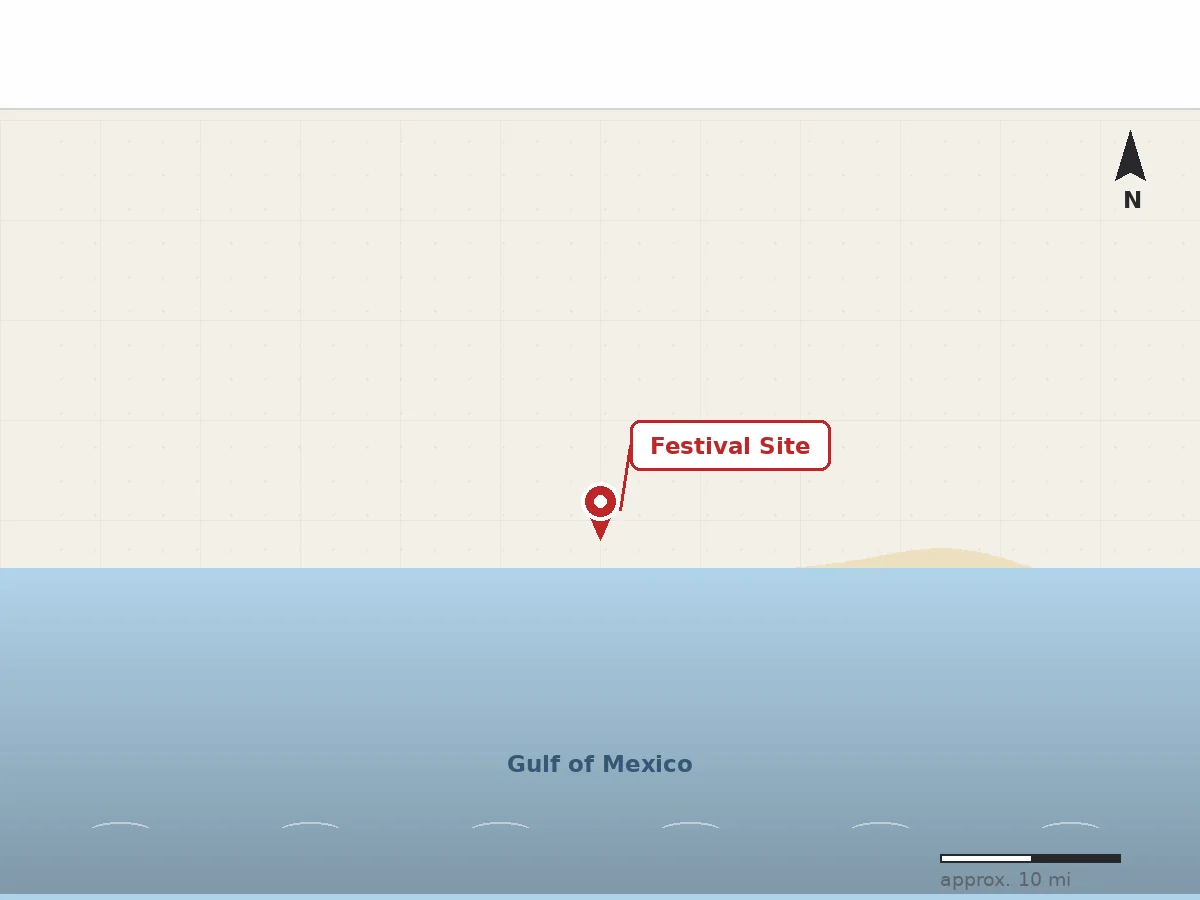
The Plymouth Waterfront Festival takes place along Plymouth Harbor and the adjoining waterfront streets in downtown Plymouth, within Plymouth County, Massachusetts.
Plymouth Waterfront Festival Questions, Answered
Is the Plymouth Waterfront Festival free to attend?
Yes. General admission is free, and you can walk the waterfront without buying a ticket. Costs come from parking, food, drinks and any vendor purchases or activities you choose.
When does the festival usually take place?
It is a late-summer event, held on a weekend in August in most years. Because the exact weekend varies, check local announcements before you plan travel.
Is the festival suitable for young children and older visitors?
It is generally a family-oriented event with children’s activities and plenty of places to sit and rest. Crowds and parking are the main challenges; arriving early makes the day far easier for anyone with limited mobility or small children in tow.
How long should I plan to spend at the festival?
Most visitors spend two to four hours on site. Because the event is free and spread along the waterfront, it is easy to visit in shorter blocks and combine it with other plans in Plymouth the same day.
The Next Chapter for Plymouth’s Waterfront Weekend
The festival’s future looks tied to the same questions facing every coastal New England town: parking capacity, summer traffic, weather variability and the cost of putting on a large free event. Its greatest strength is that it does not depend on a single big attraction — it depends on the harbor, which is not going anywhere.
As long as Plymouth keeps opening its waterfront to the public for one August weekend, the festival should remain what it has become: an easy, inexpensive, unmistakably local tradition in a county of more than half a million people.
Last updated: October 2026
If you go, go early, park once, and let the day unfold at the speed of a harbor town. The Plymouth Waterfront Festival is not trying to impress you with spectacle — it is inviting you to stand at the edge of the water where this town began, eat something fried, listen to a band you have never heard of, and remember that the best summer weekends in Plymouth County are usually the simplest ones.