Ohio County Kentucky Ohio County Fair Festival

In Ohio County, the fair is less an event than a habit. Around Hartford, people start talking about it the way they talk about the weather — casually, constantly, and with a plan already half-formed. Someone’s cousin is showing something. Someone’s neighbor is already thinking about where to park. Nobody needs a reminder that it is coming; the county just knows.
That is the thing about a fair in a place like this. Ohio County covers 596 square miles, and its 23,772 residents are spread across farmland, small communities, and the county seat of Hartford. A fair is one of the few occasions when that whole spread lands in the same field at the same time. What follows is a look at how it works, told mostly through the people who treat it as a fixed point in the year.
Ohio County Fair Basics, Hartford and Beyond
| Town / area | The Ohio County area, centered on Hartford |
| County | Ohio County, Kentucky |
| County seat | Hartford |
| Population | 23,772 (2020 census) |
| Region | Western Kentucky |
| Typical timing | A summer weekend, most often in late summer |
| Admission | Typically free to the grounds; food, rides and some events cost extra |
| Setting | Open-air fairgrounds in the countryside around Hartford |
| Features | Livestock and youth exhibits, midway rides, fair food, live entertainment, community contests |
| Organizer | A community-run effort led by local volunteers and county organizations |
What the Ohio County Fair Is, in Local Terms
The Ohio County Fair is the county’s own late-summer gathering: a few days when the fairgrounds become the busiest place in the Ohio County area. It is a county fair in the classic Kentucky sense — animals, exhibits, a midway, food, and a schedule that runs from afternoon into the night.
Context matters here. Ohio County was founded on December 17, 1798, and Hartford has served as its seat of government since the county’s earliest days. Farming shaped this place long before anything else did, and the fair still reflects that: the livestock barns and youth exhibits tend to be the heart of it rather than an afterthought. Ask a local what they go for and you will usually get two answers — the food, and to see who won.
Nobody in Hartford describes the fair in terms of acreage or attendance figures. They describe it in terms of who they will run into. A teacher will see forty former students. A farmer will spend an hour discussing equipment he had no intention of discussing. That social function is as real as the rides.
From 1798 Farm Country to Fair Weekend
Any honest history of the Ohio County Fair starts with the county itself. Ohio County was established on December 17, 1798, in what was then the young western edge of Kentucky settlement. Hartford became the county seat, and the surrounding 596 square miles grew up around agriculture — crops, livestock, and the small towns that supported them.
County fairs across Kentucky grew out of that same agricultural world. They began as showcases for crops and animals, places where farmers compared notes and buyers found sellers, and where a year of work could be judged in public. Over time the midway and the music arrived, but the original purpose never fully left. You can still see it in the way the barns draw the earliest crowds of the day.
For generations of Ohio County families, the fair has been a recurring appointment rather than a one-time attraction. Parents who showed animals as kids now watch their own children do it. Grandparents who remember when the grounds felt enormous sit in folding chairs and comment on how fast everything moves. The fair’s history is less a list of dates than a chain of people who kept showing up.
What a Day at the Ohio County Fair Actually Feels Like
Expect a county fair rather than a polished theme park, and you will be in the right frame of mind. The grounds are outdoors, the schedule is busy, and the best moments tend to be the unplanned ones.
Fair Food That Regulars Buy First
Fair food is its own category here, and locals tend to have a routine. Funnel cakes, corn dogs, burgers and fries off a trailer griddle, lemonade shaken in a big plastic jug — the classics hold their ground. So do the church and civic group stands that return year after year; for many regulars, a plate from one of those booths is the actual reason for the trip. Come hungry, carry cash for the smaller stands, and do not wait until the last night to buy the thing you have been eyeing.
Live Music and Evening Entertainment on the Grounds
Evenings are when the fair changes character. The rides light up, the crowd thickens, and whatever is booked for the main area gets people to stop walking and stand still for a while. Expect local and regional acts rather than national headliners — the kind of entertainment that gets a crowd of neighbors clapping, kids dancing near the front, and a few people singing along badly and happily. Bring a chair if you plan to settle in.
Family Activities That Fill an Afternoon
Families tend to build their day around the animal barns and the midway. Kids wander through the exhibits, pet whatever is willing to be petted, and burn an hour on rides. Contests and demonstrations give the afternoon structure for anyone who wants it. A note from parents who have done this a hundred times: the barns are calmer and cooler in the morning, the midway is better after the sun drops, and a meet-up spot should be agreed on before anyone gets distracted.
Planning an Ohio County Fair Trip Without Guesswork
The fair is not hard to navigate, but a little planning goes a long way, especially if you are driving in from outside the county.
Driving Into Hartford and the Ohio County Area
Hartford sits at the center of Ohio County and is the natural reference point for anyone heading to the fair. Most visitors arrive by car, and the last stretch of the trip is rural two-lane driving, so build in a little extra time — slow trucks, farm equipment, and unfamiliar turns are all part of the deal.
Where to Stay Around Ohio County
Lodging in the immediate area is limited and fills quickly on fair weekends. Many visitors stay in larger nearby towns and drive in, while others treat it as a day trip from home. If you are coming from a distance, book early and plan your route back before the evening ends.
Parking on Fair Days
Expect parking to be field-style and first-come. Arrive earlier than you think you need to, particularly on the busiest evening, and follow the directions of whoever is waving cars into place — they know the ground better than any map app. Note where you parked before you walk in; a dark field looks very different after nightfall.
What It Costs and How to Pay
Admission to the grounds is typically free, which is a big part of why the fair feels open to everyone. Individual costs add up — rides, food, games, and some events charge separately. Carry cash for the smaller vendors and food stands; not every booth is set up for cards.
Summer Heat, Storms, and What to Bring
The fair falls in the warm part of the year, so plan for heat and humidity during the day and a quick cooldown after dark. Afternoon thunderstorms are a normal summer possibility in this part of Kentucky. Sunscreen, a hat, a refillable water bottle, and a light rain jacket cover most scenarios.
A Sample Fair Weekend, Hartford Style
Friday evening: Arrive before the dinner rush, walk the grounds once to get your bearings, then eat. Catch the evening entertainment and let the kids hit the midway while the temperature drops.
Saturday morning: Come early for the animal barns. This is when exhibitors are working, judging happens, and the crowds are thinnest. It is also the best time to actually talk to people.
Saturday afternoon: Find shade, eat something you did not plan to eat, and watch whatever is happening in the main area. Take a break back at the car if you need one.
Saturday evening: The busiest stretch of the weekend. Claim a spot for the entertainment early, then wander until you are tired.
Sunday: The pace slows. Come for a last pass through the exhibits, one more round of fair food, and the good mood that comes with the end of a long, full weekend.
How the Ohio County Fair Compares Nearby
Ohio County’s fair sits in a region full of similar traditions. Nearby county seats such as Morgantown, Leitchfield and Owensboro all host their own community events, and each has its own personality.
What sets the Ohio County version apart is scale. It is not the biggest gathering in the region, and that works in its favor: parking is manageable, you can walk the whole grounds in an afternoon, and you will recognize faces. Larger nearby towns offer more restaurants and entertainment before or after, which makes them a natural pairing if you are making a full day of it. The fair itself, though, is a county affair in the best sense — built by and for the people who live here.
Fair-Day Checklist for Ohio County
| Cash in small bills | Food stands, games and smaller vendors |
| Folding chairs or a blanket | Evening entertainment and shaded breaks |
| Sunscreen and a hat | Afternoon sun on open ground |
| Refillable water bottle | Heat and long walks between areas |
| Closed-toe shoes | Barns, fields and gravel |
| Light rain jacket | Summer storms move through fast |
| Charged phone or battery pack | Long day, plenty of photos, meet-up plans |
| A set meet-up spot | Crowds and distracted kids |
| Hand wipes or sanitizer | Animal barns |
| A layer for after dark | Evenings cool off quickly |
Beyond the Midway: The Rest of Ohio County
The fair is a reason to visit, not the only one. Ohio County spreads across 596 square miles of western Kentucky, most of it farmland and small communities linked by two-lane roads. Hartford, the county seat, is where civic life concentrates.
If you have extra time, drive. The county roads between Hartford and the surrounding communities show what the fair is really celebrating — working land, family operations, and towns small enough that a passing car still gets a wave. A slow loop through the countryside before or after the fair makes the trip feel more complete than a quick in-and-out.
What the Fair Means to a County of 23,772
Ohio County’s population was 23,772 at the 2020 census, spread across 596 square miles. That math matters when you think about the fair. In a county this size and this rural, shared experiences are not automatic. People live twenty minutes apart and might not cross paths for months.
The fair solves that. It is where local organizations raise money, where kids learn to present their work in public, where small businesses get in front of their neighbors, and where people who disagree about plenty of things stand in the same line for the same funnel cake. That is the real function of a county fair, and it is why so many Ohio County families treat it as non-negotiable.
Where the Ohio County Fair Sits on the Map
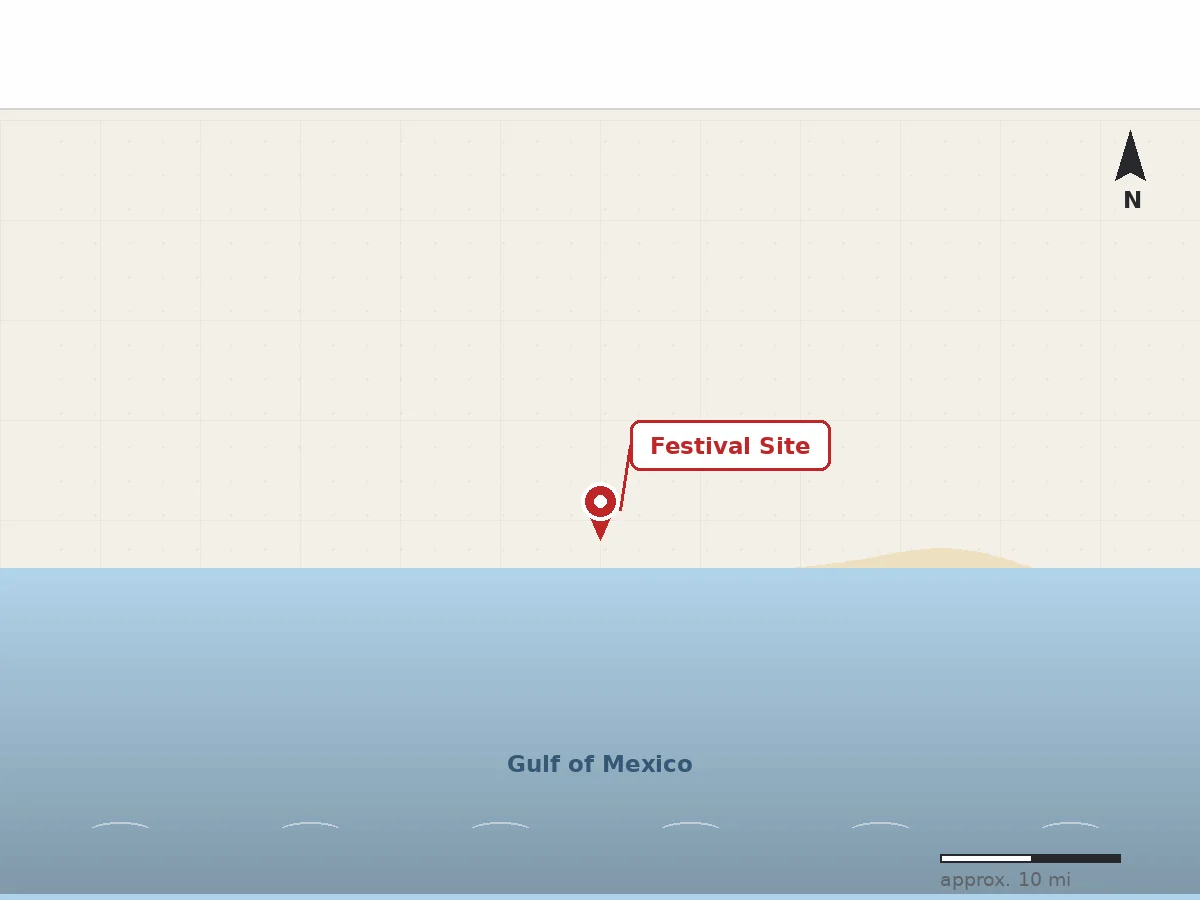
The Ohio County Fair takes place in the Ohio County area of western Kentucky, anchored by Hartford, the county seat, which is where most visitors aim their drive.
Straight Answers About the Ohio County Fair
When does the Ohio County Fair usually take place?
Timing varies from year to year, but the fair is a warm-weather event, most often on a weekend in summer and typically toward the later part of the season. If you are planning around it, check locally closer to the season rather than assuming a fixed date.
Is there an admission charge?
Admission to the grounds is typically free. Individual items — rides, food, games, and certain events — are priced separately, so bring cash for the smaller stands.
Is the fair good for young kids?
Yes, with a little planning. Morning visits to the animal barns are calmer and cooler, the midway is best in the evening, and a pre-agreed meet-up spot saves a lot of stress once the crowd thickens.
What happens if it rains?
Summer showers in this part of Kentucky tend to move through quickly. The fair is an outdoor event, so a light rain jacket and a little patience usually get you through it. Severe weather is a different matter — follow local guidance and use your judgment.
Looking Ahead for the Ohio County Fair
County fairs survive on volunteers, exhibitors, and families who keep showing up. Ohio County has all three, and the fair’s future looks tied to the same things that built it: youth programs, agricultural exhibits, local vendors, and the simple fact that people here like seeing each other.
The pressures are familiar ones. Volunteer hours are harder to find than they used to be, weather is never predictable, and every generation has more ways to spend a summer weekend. What the fair has going for it is habit — the kind passed down without anyone ever making a formal decision about it.
Last updated: October 2026
If you take one thing from all of this, take the local version: go early one morning, stand near the barns, and watch the county wake up together. Eat something you should not. Sit in a folding chair and let the evening entertainment happen around you. Then come back the next year, because that is how it works in Ohio County — nobody really decides to make it a tradition. It just becomes one.