Montgomery County Maryland Agricultural Fair Festival
Montgomery County likes to think of itself as a place of offices, laboratories and leafy commuter neighborhoods, and it is all of those things. But this county was farmland long before it was a suburb, and for a few days every summer the Montgomery County Maryland Agricultural Fair Festival puts that older identity back on display.
Held in the Montgomery County area, the fair is a traditional county gathering: barns, show rings, exhibition halls, a midway and a crowd that mixes third-generation farm families with households that have never set foot on a working farm. It is warm, loud, a little dusty and unmistakably local.
Montgomery County Fair Basics: Town, Timing and Setting
| Town / place | The Montgomery County area, Maryland |
| County | Montgomery County, Maryland |
| County seat | Rockville |
| Population | 1,062,061 (county) |
| Region | Central Maryland, in the suburban Washington, D.C. corridor |
| Typical timing | Late summer, generally during August |
| Admission | Varies by day and event; confirm current details before you travel |
| Setting | A traditional fairground with barns, exhibition halls, show rings and open-air gathering space |
| Features | Agricultural and livestock exhibits, home arts, carnival rides, live entertainment, fair food |
| Organizer | Volunteer community and agricultural groups from across the county |
Montgomery County covers 506.91 square miles, which matters more than it sounds. That is a lot of ground to draw exhibitors, judges, vendors and visitors from, and it explains why the fair feels both suburban and rural at the same time.
Inside the Fair: Barns, Show Rings and County Pride
An agricultural fair is a simple idea executed at scale. You take the work people do all year — raising animals, growing vegetables, baking, canning, sewing, building — and you put it in front of neighbors who otherwise never see it. The Montgomery County fair does exactly that, and the result is a few days when the county’s rural edge and its suburban center share the same bleachers.
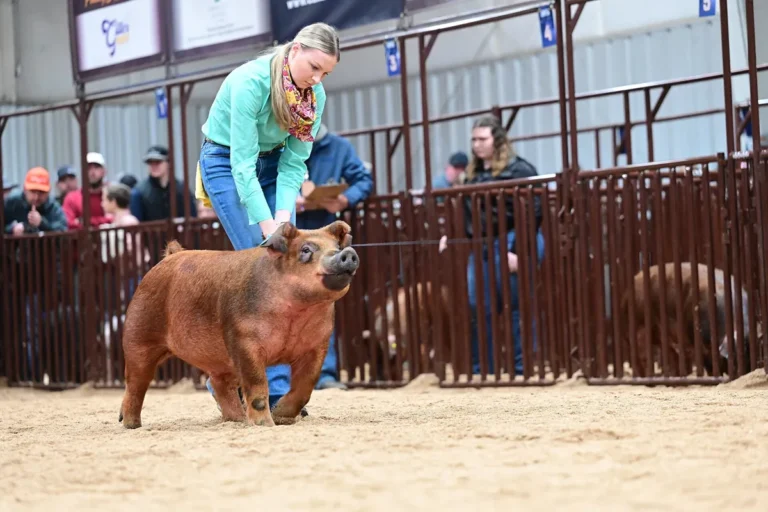
The fairground layout rewards wandering. Livestock barns anchor one part of the grounds, where exhibitors groom animals, answer questions and wait for judges. Exhibition halls hold the quieter entries: preserves, baked goods, flowers, crafts and youth projects. Outside, the midway hums, show rings fill and empty on a schedule, and food vendors work in a steady haze of smoke and sugar.
What makes it distinctly Montgomery County is the audience. In a county of more than a million people, most visitors arrive from towns and subdivisions rather than farms. The fair is where they meet the working side of local agriculture — and where farm families get a rare chance to show a whole county what they do.
From Farm Fields to Fairgrounds: How the Tradition Grew
Montgomery County’s agricultural fair tradition belongs to a time when Rockville was a small county seat surrounded by fields, orchards and dairy farms. The county’s economy ran on crops and livestock, and a fair was how a farming community measured a year’s work, traded stock, compared techniques and socialized after a long growing season.
Then the county changed. Federal jobs, highways and suburban development pulled population outward from Washington, D.C., and Montgomery County grew into one of the wealthiest and most densely developed counties in Maryland. Rockville became a real city, not a crossroads. Farmland gave way to neighborhoods, office parks and school campuses.
The fair survived that transformation, which is the interesting part. Instead of fading, it became a kind of annual memory exercise — a place where a county of more than a million people keeps a working relationship with its agricultural past. Families who have exhibited for generations still enter animals and preserves, and newcomers still show up to watch.
Sights, Sounds and Smells of the Fairground
A fair day has a rhythm. Mornings are for judging, animals and quieter halls. Afternoons fill with rides, games and crowds. Evenings belong to entertainment and food, when the lights come on and the grounds get loud.
Fair Food and Farm-Fresh Flavor
Food is half the reason people come. Expect the classic fair vocabulary: grilled sausages, barbecue, hand-cut fries, funnel cake, ice cream, lemonade and sweets from local vendors. Agricultural fairs also tend to showcase what the county grows, so look for stands tied to local farms and producers. Portions are generous, lines move quickly and cash-free payment is increasingly common, though it never hurts to carry a little cash.
Stages, Music and Evening Entertainment
Live entertainment runs through the day and into the night, typically a mix of local and regional acts performing on stages around the grounds. Between sets, visitors drift toward the midway, the exhibition halls or the show rings. Evening is when the fair feels most like an event rather than an errand, and it is usually the busiest window of the day.
Family Activities for Every Age
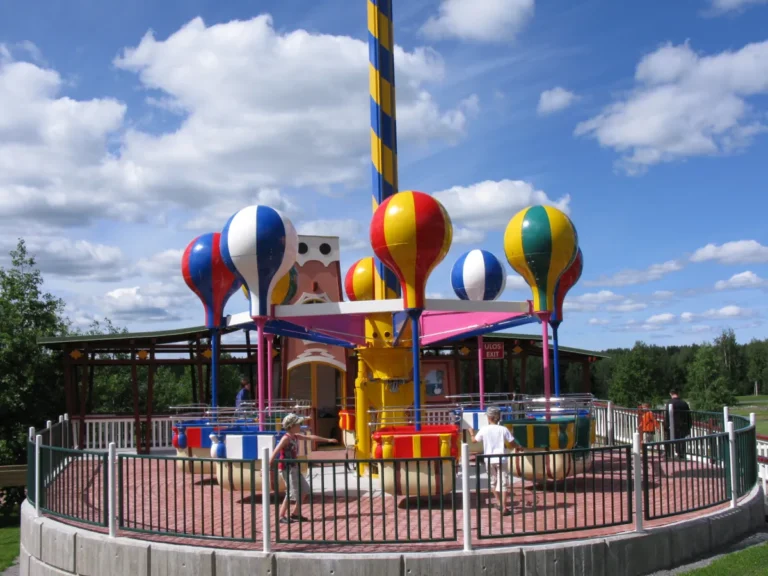
This is a genuinely all-ages fair. Small children get carnival rides, animals to look at and plenty of sugar. Older kids gravitate to games, rides and anything competitive. Adults come for the food, the exhibits and the chance to run into people they have not seen since last summer. Grandparents often treat the exhibition halls as the main event. Strollers, wagons and comfortable shoes are all standard equipment here.
Planning Your Trip to the Fair in Montgomery County
The fair is easy to reach and easy to enjoy once you decide how to handle traffic, heat and timing. A little planning goes a long way.
Getting There from Rockville and the Wider County
Rockville, the county seat, sits at the center of the county’s road and transit network, so most visitors reach the fair by car along the area’s main arteries. Public transit serves much of Montgomery County, but fairgrounds are rarely a doorstep stop, so plan on a short final leg by shuttle, rideshare or a walk from a nearby lot. If you are coming from elsewhere in the county, build in extra time — a million-person county generates real traffic on a summer weekend.
Where to Stay Around Montgomery County
Because the fair sits inside a major suburban county, lodging is not a problem. Rockville and the surrounding communities offer the fullest range of hotels, from budget chains to full-service properties, and Washington, D.C. is close enough for a day trip. Visitors from out of state often base themselves in Rockville for the county-seat convenience and drive out to the grounds.
Parking and Moving Around the Grounds
Expect fairground parking to be organized but busy, especially on weekend evenings. Arrive early in the day or after the dinner rush if you want an easier spot, and follow the directions of attendants rather than improvising. Once inside, the grounds are walkable; plan your route around the barns, halls and midway so you are not crossing the site repeatedly in the heat.
Admission, Costs and Budget Tips
Admission structures vary by day and event, so confirm the current details before you go rather than relying on what you remember from a previous year. Beyond the gate, budget for food, rides and games, which is where most families spend the bulk of their money. Multi-day or family passes, when offered, usually beat paying day by day. Setting a per-child spending limit before you walk through the gate prevents the classic midway negotiation.
Late-Summer Weather and What to Wear
August in central Maryland means heat and humidity, with the chance of an afternoon thunderstorm. Wear light clothing, bring a hat, and carry water. Sunscreen matters even on cloudy days. Comfortable closed-toe shoes are the single best decision you will make, because fairgrounds are dusty, uneven and bigger than they look on a map. A light rain jacket beats an umbrella in a crowd.
A Sample Weekend at the Montgomery County Fair
Start Saturday morning at the livestock barns, while the animals are fresh and the aisles are still passable. Move into the exhibition halls next, before the afternoon heat builds, and take your time with the home arts entries — they are the part of the fair most people rush past and later wish they had not.
Break for lunch from a food vendor, then spend the early afternoon on rides and games. Retreat to shade or an indoor exhibit during the hottest hours, and save the evening for live entertainment, dinner and one last loop through the midway. Sunday works well as a shorter visit: arrive mid-morning, catch a show ring or two, eat, and leave before the evening rush.
How This Fair Compares With Neighboring County Fairs
Maryland’s neighboring counties — Frederick, Howard and Prince George’s among them — all hold their own agricultural fairs, and each reflects the place it comes from. Fairs in more rural counties lean harder on livestock and farm equipment, and the setting feels genuinely open-country.
Montgomery County’s version is different because the county is different: dense, wealthy and suburban, with agriculture pushed to the edges. That makes its fair a sharper contrast and, for many visitors, a more surprising experience. Within the county itself, towns like Rockville, Silver Spring and Bethesda offer urban dining and nightlife, but none of them offers a barn.
A Fairgoer’s Checklist for Montgomery County
Bring water, sunscreen, hats and comfortable shoes. Carry a light layer for the evening and a rain jacket for afternoon storms. Keep some cash on hand alongside a card. Charge your phone before you leave, since fairgrounds drain batteries quickly. Decide your parking plan in advance, and set a spending limit for rides and games. Finally, check the fair’s current schedule, admission details and hours directly before you travel — those are the only details that matter on the day.
Beyond the Fairgrounds: Rockville and the Rest of the County
Pair a fair visit with the rest of Montgomery County. Rockville, the county seat, has a walkable town center with restaurants and shops that make an easy evening after a hot afternoon on the grounds. The C&O Canal corridor along the Potomac River offers towpath walking and cycling, and Great Falls is one of the region’s signature natural attractions.
Washington, D.C. is a short drive or transit ride away, which means a fair weekend can double as a city weekend. Closer in, the county’s parks, trails and historic sites fill the hours between fair sessions without adding much driving.
What the Fair Means to a Suburb of a Million People
Montgomery County has 1,062,061 residents and 506.91 square miles of land, and the overwhelming majority of them will never earn a living from agriculture. That is precisely why the fair matters. It keeps a working connection between a suburban county and the farms that came before it, and it gives young exhibitors a reason to learn skills that have nothing to do with a screen.
It is also one of the few countywide events that pulls together people from every corner of a very large, very diverse place. For a few days, the county seat, the bedroom communities and the remaining farmland all show up in the same field.
The Fairgrounds on the County Map
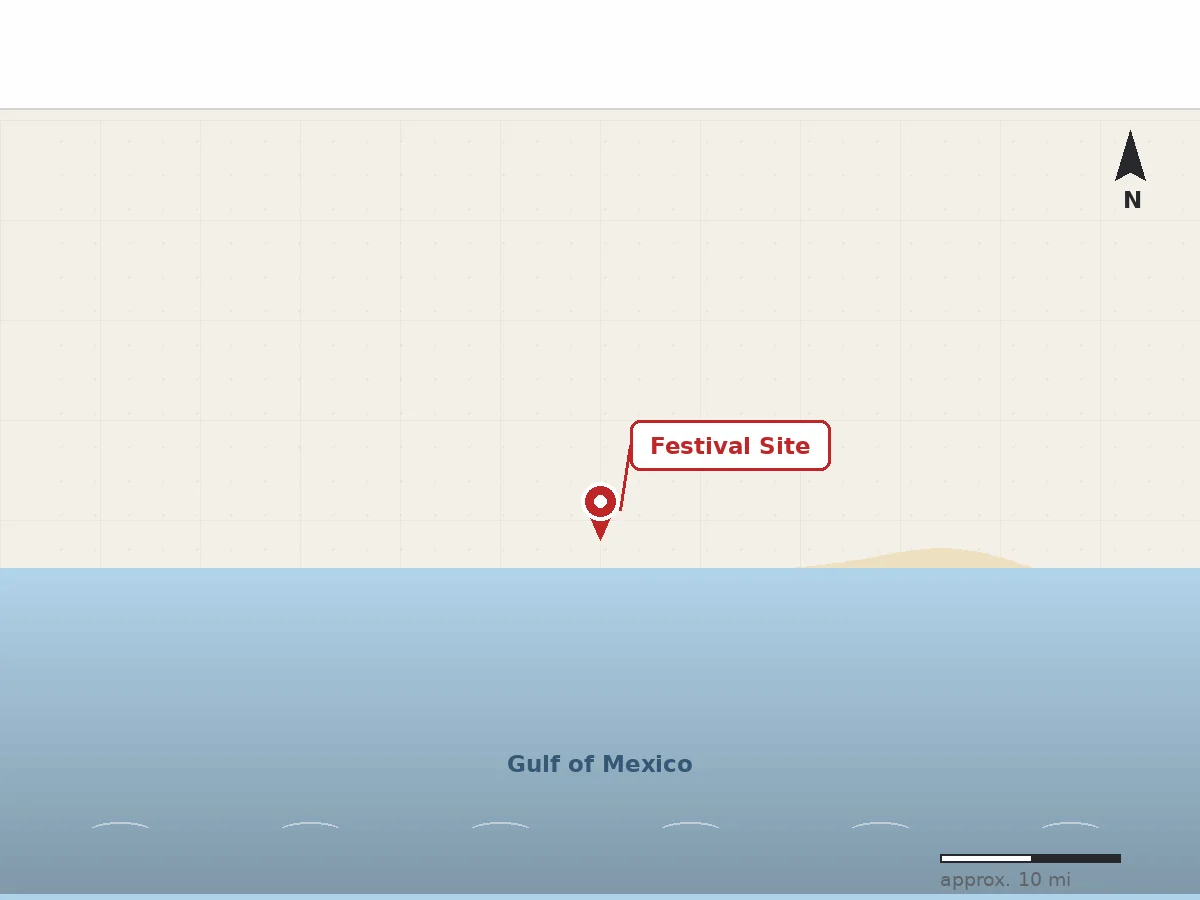
The fair takes place in the Montgomery County area of central Maryland, with Rockville — the county seat — serving as the natural anchor for visitors navigating the region.
Montgomery County Fair Questions, Answered
When is the Montgomery County Agricultural Fair held?
It is a late-summer fair, typically held during August. Exact dates shift from year to year, so check the current schedule before planning your trip.
Do I need to buy tickets in advance?
Admission details vary by day and by event, and some promotions are date-specific. Buying ahead can save time at the gate, but confirming the current policy directly is the safest approach.
Is the fair suitable for young children and older visitors?
Yes. Rides, animals and food appeal to young children, while exhibition halls, show rings and shaded seating suit older visitors. The main challenge for both groups is heat and walking distance, so plan breaks.
Can I reach the fair without driving?
Public transit covers much of Montgomery County, but the final stretch to a fairground usually involves a shuttle, rideshare or a walk. If you are relying on transit, plan that last leg in advance.
The Next Chapter for Montgomery County’s Agricultural Fair
The fair’s future looks a lot like its past: a county that keeps growing, and a tradition that keeps adapting to it. As Montgomery County adds residents, the fair’s role as a meeting point between suburban life and agricultural work becomes more valuable, not less.
Expect the format to evolve — more online ticketing, more diverse food, more programming aimed at first-time visitors — while the barns, the show rings and the exhibition halls stay at the center of it. Last updated: October 2026
If you live in Montgomery County, the fair is the rare event that shows you the whole place at once: the county seat and the countryside, the longtime residents and the newcomers, the midway and the barn. Go once in the morning for the animals and once in the evening for the lights, and you will understand why a county of more than a million people still clears space on the calendar for it.