Marion County Kentucky Country Ham Days Festival
Country Ham Days is the kind of festival that explains a place better than any brochure. For one long weekend in late summer, the Marion County area around Lebanon, Kentucky, turns into an open-air dining room, a concert venue, and a countywide reunion at the same time.
If this is your first visit, the practical questions arrive fast: where to park, what to eat first, when the crowds peak, and what else there is to do once you have had your fill of ham. This orientation walks through all of it.
The Essentials for a First Country Ham Days Visit
Here is the short version before we go deeper.
| Town | The Marion County area, centered on Lebanon |
| County | Marion County, Kentucky |
| County seat | Lebanon |
| Population | 19,581 (2020 census) |
| Region | Central Kentucky |
| Typical timing | Late summer, over a long holiday weekend |
| Admission | Typically free to enter; food, rides, and games are paid |
| Setting | Downtown Lebanon streets and surrounding community gathering spaces |
| Features | Country ham meals and sandwiches, live music, parade, crafts, kids’ activities |
| Organizer | Local community and civic organizations |
What Country Ham Days Is, in Plain Terms
The festival is built around one regional specialty. Country ham — dry-cured, salt-rubbed, and aged — is an old Kentucky tradition, and Marion County has long been part of that story. Ham Days turns the tradition into a full weekend: early breakfasts, sandwiches served all day, and a menu that rarely strays far from the main ingredient.
What surprises first-timers is how much else is going on. Yes, there is ham. There is also a parade, live music in more than one spot, craft and vendor booths, carnival-style rides, and a general sense that the whole county has decided to spend the weekend outdoors. Because Marion County covers 347 square miles of mostly rural land, the festival works as a meeting point for people who otherwise rarely cross paths.

From Farm Curing to Street Festival: How Ham Days Took Hold
Marion County was founded in 1834 and named for Francis Marion, the Revolutionary War officer remembered as the Swamp Fox. Lebanon has served as the county seat, and the local economy has long leaned on agriculture — livestock, crops, and the curing of pork among them.
Country ham is not a novelty in this part of Kentucky; it is a preservation method that predates refrigeration and a source of genuine local pride. Community ham breakfasts have long been a fixture of rural Kentucky life, run by churches, fire departments, and civic groups as fundraisers and gatherings. The festival grew out of that habit rather than arriving fully formed.
The pattern since has been steady expansion. What began as a community meal with a few booths became a weekend with a parade, multiple music stages, a vendor row, and children’s activities, all organized by volunteers. The event now draws visitors from well beyond Marion County while still feeling, at its core, like something the county does for itself.
What a First-Timer Actually Notices
Country Ham First, and Plenty of It
The food is the anchor. Expect country ham served in the forms that suit a crowd: biscuits, sandwiches, full breakfast plates, and slices sold by the pound for people who want to take some home. Country ham is salty, firm, and deeply savory, and if your only reference is supermarket deli ham, this will taste like a different food entirely. Vendors round out the menu with the usual festival fare — funnel cakes, lemonade, barbecue, and sweets. Come hungry, carry cash for the smaller stands, and pace yourself; the ham is rich and the day is long.
Music, Stages, and Street-Level Entertainment
Live music runs through the weekend, with local and regional acts covering country, bluegrass, rock, and gospel. Stages and informal performance spots keep the sound moving as you walk from block to block. Alongside the music, expect a parade, demonstrations, and the general street theater of a town that has handed its main streets over to pedestrians. Schedules are usually posted locally and printed for the weekend, so grab a program early and build your day around the acts you do not want to miss.
Keeping Kids Busy Between Plates
Families make up a large share of the crowd, and the festival is set up for them. Expect carnival rides and games, inflatables, face painting, craft tables, and enough open pavement for kids to burn off energy. Strollers work on the main blocks but get tight at peak hours, so an early-afternoon visit is easier than a late-evening one. Most children’s activities charge per ride or per game, which makes a set amount of cash more practical than a card.
Planning a Weekend Around Lebanon and Marion County
Getting to Lebanon from Out of Town
Lebanon sits in the heart of Marion County in central Kentucky, and nearly everyone arrives by car. There is no major transit option into the festival itself. If you are coming from a larger city, plan on a highway drive followed by local roads into town, with the final few miles being the slowest on festival days. Set your navigation for downtown Lebanon rather than a specific address, and follow the temporary signs once you are close.
Where to Stay in and Around Marion County
Lodging in the immediate area is limited, and festival weekend fills it early. Options typically include small local motels, bed-and-breakfast-style properties, and short-term rentals in and around Lebanon. Many visitors instead base themselves in a larger nearby town and drive in for the day. If you want to stay close, book well ahead, and be flexible about commuting in from a neighboring community.
Parking Strategy for Festival Weekend
Downtown street parking disappears quickly. Expect to use designated lots, business and church lots opened for the event, and side streets a few blocks out, then walk in. Arriving before mid-morning gives you the easiest options. Note where you parked — downtown Lebanon is compact, but the streets can look alike after a few hours in a crowd. If you have mobility concerns, a drop-off near the main blocks is usually possible before you go hunting for a space.
What You Will Spend
Admission to Country Ham Days is typically free, which is a big part of why it draws such a broad crowd. Your money goes toward food, drinks, rides, games, crafts, and raffles instead. Vendors vary in whether they take cards, so carry cash. Set a rough budget per person for meals and children’s activities, and keep a little extra for the stands you will inevitably pass on the way back to the car.
Late-Summer Weather and What to Wear
Late summer in central Kentucky means heat and humidity, with a real chance of an afternoon storm. Wear light clothing, broken-in shoes, and a hat. Bring sunscreen and a refillable water bottle. Evenings cool off enough that a light layer helps if you plan to stay for the music. If rain moves in, events of this kind usually carry on — pack a poncho rather than an umbrella, which is easier to manage in a crowd.
A Two-Day Country Ham Days Itinerary for Newcomers
A weekend built for someone who has never been before:
Day one — arrival and orientation. Arrive in Lebanon before mid-morning and park a few blocks from the center. Walk the main blocks once without buying anything, just to learn the layout: which food lines are shortest, where the stage sits, where the children’s area is. Then eat — a country ham biscuit or a breakfast plate, taken slowly. Spend the early afternoon on crafts and vendor booths, catch an afternoon set of live music, and let the kids work through the rides. Stay into the evening for the parade or the headline act, then slip out before the final rush and eat dinner somewhere quieter.
Day two — the deeper visit. Come back early, when the streets are still cool and the coffee is fresh. This is the day for everything you missed: a second ham meal, a demonstration, a booth you skipped, a conversation with a vendor who has been doing this for years. Catch whatever morning event the schedule offers, then slow down through the middle of the day. Before you leave, drive out into the surrounding county for an hour — it is a good way to end the weekend with the taste of the place rather than the noise of it.
How Ham Days Compares with Nearby Kentucky Festivals
Country Ham Days is one of several events in central Kentucky that fill a late-summer or fall weekend, and knowing what makes it different helps you decide how to plan.
Bardstown, in neighboring Nelson County, leans into the region’s distilling identity with a bourbon-centered festival. Danville, to the east, is known for a brass band festival that fills its downtown with music rather than food. Closer to home, Marion County’s smaller community events — church suppers, school fundraisers, fair traditions — carry the same ham-and-neighbors feeling at a much smaller scale.
The distinction is simple. Ham Days is a food-first, small-town street festival with a specific regional product at its center. If you want a polished, ticketed, drink-focused weekend, the bigger regional events deliver that. If you want to eat something that genuinely tastes like this part of Kentucky and talk to the people who made it, this is the one to choose.
A Pre-Trip Checklist for Marion County First-Timers
A short list worth running through the night before you drive in.
| Item | Why it matters |
| Cash | Cards are accepted inconsistently at food and game stands |
| Folding chair or blanket | Seating at parade and music spots fills up fast |
| Water bottle and sunscreen | You will be standing in open sun for hours |
| Comfortable shoes | The walking adds up faster than you expect |
| Parking note or phone pin | Side streets look similar by evening |
| A cooler in the car | Useful if you plan to buy ham or produce to take home |
| Patience at midday | The busiest window is early afternoon |
| A dinner backup plan | Local restaurants fill quickly during festival weekend |
Beyond the Ham: Marion County Between Festival Hours
Marion County covers 347 square miles of rolling central Kentucky countryside, and the festival occupies only a few blocks of it. Once the crowd starts to wear on you, the surrounding area rewards a slow drive.
Lebanon is the county seat and the natural starting point — a small downtown worth a walk once the barricades come down. Beyond town, the landscape opens into farmland, fence lines, and two-lane roads that curve past barns and pastures.
Give yourself an hour or two to drive without a destination. Stop at a farm stand, a local diner, or a roadside marker. The county was founded in 1834 and named for Francis Marion, and small reminders of that long history are scattered across the countryside. In a place this rural, the drive itself is the attraction.
What Country Ham Days Means to Marion County
What makes Country Ham Days matter is not really the ham. It is that a county of roughly 19,600 people can still stage a multi-day festival, draw visitors from across the region, and keep them fed, entertained, and oriented.
Festivals like this are civic infrastructure. They give local organizations a reason to work together, hand small businesses a spike in traffic, and give families a shared date on the calendar that does not require a plane ticket. They also preserve something specific: a food tradition that ties this county to a much older rural Kentucky.
For a first-timer, that is worth noticing. The person selling you a ham biscuit probably lives a few miles away. The band on the stage likely knows people in the crowd. The whole weekend is a small place showing off what it does well.
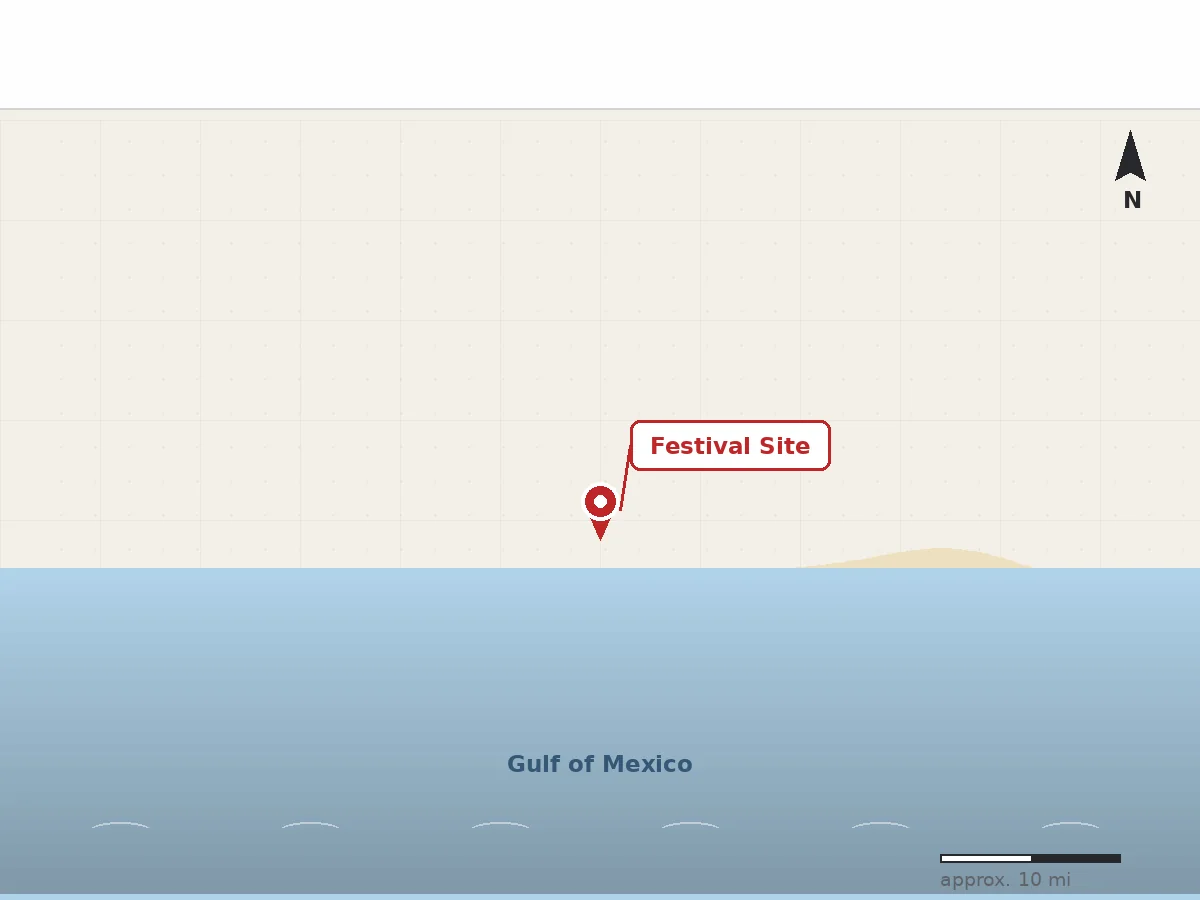
Locating the Festival in Lebanon, Kentucky
Country Ham Days takes over the streets of Lebanon, the seat of Marion County, in the heart of central Kentucky.
First-Timer Questions About Country Ham Days
Is Country Ham Days free to attend?
Admission is typically free. You pay for food, drinks, rides, games, and merchandise as you go, and some individual activities carry their own small charge. Budget for meals and kids’ activities rather than a gate fee.
What is the best time to arrive?
Earlier is easier. Arriving before mid-morning gives you better parking, shorter food lines, and cooler temperatures. Midday through early evening is the busiest stretch and the streets get tight. If you mainly want music and atmosphere, late afternoon into evening works well — just plan for a longer walk from your parking spot.
Can I bring my dog?
Rules vary by year and by area, and many festivals restrict pets in crowded food zones for safety and health reasons. Check locally before you go and, if pets are allowed, keep them leashed, bring water, and avoid peak crowds and hot pavement.
What should I eat first?
Start with country ham in its simplest form — a biscuit or a sandwich — before branching out. It is saltier and firmer than most people expect, so the first bite tells you how much you want. After that, sample the rest of the vendor row and leave room for dessert.
Looking Ahead for Country Ham Days
Country Ham Days has lasted by staying recognizable: a volunteer-driven, food-centered, small-town festival in a county of 347 square miles. Its future depends on the same things that built it — local groups willing to organize, vendors willing to set up, and visitors willing to make the drive.
Expect continued emphasis on the ham itself, on family-friendly programming, and on keeping the weekend walkable and affordable. Growth brings its own pressures, from parking to crowding to the cost of running a multi-day event, and the balancing act is to welcome more visitors without losing the feel that brings people back.
For anyone planning a first visit, the advice is straightforward: go before the secret gets any bigger.
Last updated: October 2026
Country Ham Days is not trying to be a destination festival. It is a county that decided to celebrate the thing it does well and then invited everyone. Show up with cash in your pocket, comfortable shoes, and an appetite for something saltier than you are used to, and you will understand why Marion County keeps doing it.