Logan County Kentucky Logan County Fair Festival

A county fair is easy to enjoy and surprisingly easy to botch. Arrive at the wrong hour without a plan and you spend the evening circling a grass lot, standing in the longest line on the midway, and missing the livestock shows that give the week its purpose. The Logan County Fair, held in the Logan County area around Russellville in south-central Kentucky, is a summer tradition built on exactly that blend of agriculture, rides, food, and neighborly competition. Treat it like a trip rather than a whim, and the whole week gets better.
This guide is written for the visitor who wants the logistics settled before the gates open: how the fair fits inside a 557-square-mile county whose seat is Russellville, how a fair week typically unfolds, what to budget beyond free gate entry, where to sleep if you are driving in from outside the county, and how to build a weekend that leaves room for both the barns and the midway.
Logan County Fair Basics for Russellville-Bound Visitors
Before you map a route or reserve a room, here is the framework worth knowing about the fair and the county that hosts it.
| Town / area | Logan County area, around Russellville |
| County | Logan County, Kentucky |
| County seat | Russellville |
| Population | 27,432 (2020 census) |
| Land area | 557 square miles |
| Region | South-central Kentucky |
| Typical timing | A summer week, in most years |
| Admission | Free entry to the grounds in most years; rides, food, and grandstand events priced separately |
| Setting | Open-air fairground with barns, exhibit space, a midway, and a grandstand area |
| Who runs it | A volunteer fair board and local community groups from across Logan County |
What the Logan County Fair Actually Is
At its core, this is a county fair in the classic Kentucky mold: an open-air gathering where Logan County’s agricultural life is put on display, then wrapped in rides, food, and music. Expect barns and show rings, an exhibit hall filled with entries from around the county, a midway, and a schedule that stretches from late morning into the evening.
Logan County itself shapes what that looks like. Russellville is the county seat, and the county counted 27,432 residents at the 2020 census — a population spread across 557 square miles of small communities, farmland, and rural roads. That scale matters. A county this size rarely produces an anonymous, corporate-feeling fair; the people running the gates, judging the entries, and working the concession stands are usually the same people showing animals and cheering from the bleachers. For a visitor, that means a fair that is easy to navigate and genuinely conversational.
It also means the fair functions as the county’s annual meeting point. Families plan reunions around it, local businesses sponsor classes and events, and kids who spent the spring raising an animal bring it here to be judged in front of neighbors. You do not need a connection to Logan County to enjoy it, but understanding that context is what turns a pleasant evening into a memorable one.
From a 1792 County to a Modern Fair Week
Logan County was founded on September 1, 1792, and Russellville has served as its seat of government. Two centuries of farming later, the county still organizes much of its social calendar around the rhythms of planting, harvest, and livestock — and the fair sits squarely inside that tradition.
County fairs across Kentucky grew out of agricultural societies that gathered growers and breeders to compare crops, bloodlines, and equipment. Logan County’s fair followed that broader arc, shifting over the decades as farming changed. Mechanization reduced the number of hands needed on each farm. Small operations consolidated. The automobile made it possible to draw visitors from every corner of a 557-square-mile county and beyond.
What survived all of that is the part that matters most: the judging, the exhibits, the youth projects, and the shared week when the county turns out in force. The midway and the food trailers came later and stayed, but they were always the frame around a working agricultural showcase. Today the fair is less a relic than a living calendar entry — one that a county of 27,432 people still builds together, season after season.
What to Expect Across a Logan County Fair Week
A fair week is not one event repeated seven times. It has a rhythm, and knowing it helps you pick the right night.
Fair Food and Concession Stands on the Midway
Food is the easiest part of the fair to plan around and the easiest to overspend on. Expect the usual midway lineup — fried everything, funnel cakes, corn dogs, lemonade shake-ups, ice cream, and cold drinks — alongside local vendors selling simpler fare. Prices are set per item, so a family of four can spend a little or a lot depending on appetite and impulse control.
Two practical notes. First, lines are longest in the hour after gates open and again right after any grandstand event lets out; eat early or late. Second, not every stand accepts cards, so carry some cash even if you plan to pay digitally. If you have dietary restrictions, plan to scout the midway before committing — options are typically broad but not gourmet.
Grandstand Nights, Live Music, and Evening Draws
Evening programming is usually the loudest and most crowded part of the day, and in most years it is ticketed separately from gate entry. Regional fair weeks commonly build toward a demolition derby, a tractor pull, a pageant, or a live music night, and Logan County generally follows that pattern. If a particular evening is your reason for coming, arrive well before the start time — parking fills first, then the bleachers.
Family Activities, Exhibits, and Livestock Barns
Daytime is when the fair does its real work. Barns hold animals being groomed and judged. Exhibit halls display baked goods, canned goods, crafts, photography, produce, and youth projects. This is the part of the fair that costs nothing extra and rewards slow wandering.
For families with young children, the rhythm that works best is barns and exhibits in the cooler morning hours, a break during the hottest part of the afternoon, then rides and food in the evening. Bring a stroller that handles grass and gravel, and set a meeting point in case your group splits up — cell service is fine, but crowds make texting slow.
Planning the Trip: Russellville, Roads, Rooms, and Rain
Getting to the Logan County Area
Russellville is the anchor for anyone traveling to the fair, and it is the natural place to aim your navigation. From there, expect rural two-lane roads to carry most of the traffic. Fuel up before you get close — the last few miles are the busiest, and stopping for gas mid-approach costs you a parking spot.
Where to Stay Around Russellville
Lodging in a county of this size is limited, and fair week is the busiest stretch of the summer. Book early. If Russellville-area rooms are gone, look to larger nearby towns and plan a longer drive back at night, or consider a campground if you are traveling with an RV or tent. Day-tripping from home is entirely workable for anyone within a reasonable drive.
Parking and Gate Logistics
Fairground parking is usually grass or gravel and fills fast on grandstand nights. Arrive 45 to 60 minutes before a headline event if you want a spot without a hike. Park facing the exit if you can, note a landmark near your car, and keep a flashlight or phone light handy for the walk back after dark. Expect to walk on uneven ground regardless of where you land.
Admission, Costs, and What to Budget
In most years, entry to the grounds is free, with costs concentrated in rides, food, games, and ticketed grandstand events. That structure makes the fair easy to sample on a budget and easy to overspend on if you buy wristbands and concessions without thinking. Set a per-person limit before you walk in, and treat ride passes as the biggest single variable.
Weather and What to Wear
Summer in south-central Kentucky means heat, humidity, and the real possibility of an afternoon thunderstorm. Wear light clothing, bring a hat, and carry water. Closed-toe shoes beat sandals once you are walking through barns and across gravel. A poncho stows smaller than an umbrella and is easier to manage in a crowd. If storms roll in, barns and exhibit halls become the natural shelter — and often the best part of the day.
A Sample Fair Weekend in Logan County
Friday: Arrive mid-afternoon, before the evening rush. Walk the exhibit hall and barns while they are still quiet, grab an early dinner on the midway, then settle in for the grandstand event. Leave before the final crowd surge if you parked far out.
Saturday: Come early for livestock judging and youth exhibits — this is the heart of the fair and the least crowded window. Take a midday break away from the grounds to cool off and eat a real meal. Return in the late afternoon for rides, games, and live entertainment, and stay for the full evening.
Sunday: Keep it short and low-key. A final pass through the exhibits, a last funnel cake, and a slow walk through the barns make a good close. If you are driving home, leave before the closing-night traffic builds.
Logan County Fair Versus Nearby Kentucky Options
Fair weeks across the region overlap, which is good news for anyone willing to compare.
Bowling Green and Warren County offer the largest-scale fair experience in the area, with bigger crowds, more vendors, and heavier traffic. Choose it if you want volume; choose Logan County if you want to park easily and actually talk to people.
Hopkinsville and Christian County run a comparable small-city fair with a similar agricultural core. The two are natural alternates for each other, and visitors often pick based on which week fits their calendar.
Russellville’s own smaller community events fill the rest of the calendar with parades, markets, and local gatherings. The fair remains the biggest single draw of the year, but it is not the only reason to drive into Logan County.
The Logan County Fair Checklist
| Cash on hand | Not every midway vendor takes cards |
| Water and a hat | Summer heat builds fast by midday |
| Closed-toe shoes | Barns, gravel, and grass |
| Rain poncho | Afternoon storms are common |
| Booked lodging | Rooms disappear during fair week |
| Fuel before arrival | Last-mile traffic is the slowest |
| Set budget limit | Rides and food add up quickly |
| Meeting point | Crowds split groups apart |
Beyond the Fairgrounds in Logan County
The fair is a reason to come, not the only thing to do once you are here. Logan County spreads across 557 square miles, and much of it is farmland and open road. Russellville, the county seat, is the practical base for fuel, groceries, restaurants, and a look at a small Kentucky downtown.
Give yourself an extra half day to drive the backroads, stop at a local diner, and see the countryside the fair is celebrating. Visitors who only touch the midway miss the point of the place.
Why Fair Week Matters in Logan County
For a county of 27,432 people, the fair is one of the few events that pulls every corner of the map into one place. It is where youth agriculture projects get judged, where local businesses get visibility, where volunteers log long hours in ticket booths and barns, and where neighbors who rarely cross paths actually do.
That volunteer labor is the quiet engine behind the whole week. When you buy a ticket, a funnel cake, or a ride wristband, the money recirculates through local organizations and back into next year’s fair. It is a small economy, but a durable one — and it is the reason a county this size can still put on a fair week at all.
Where the Logan County Fair Sits
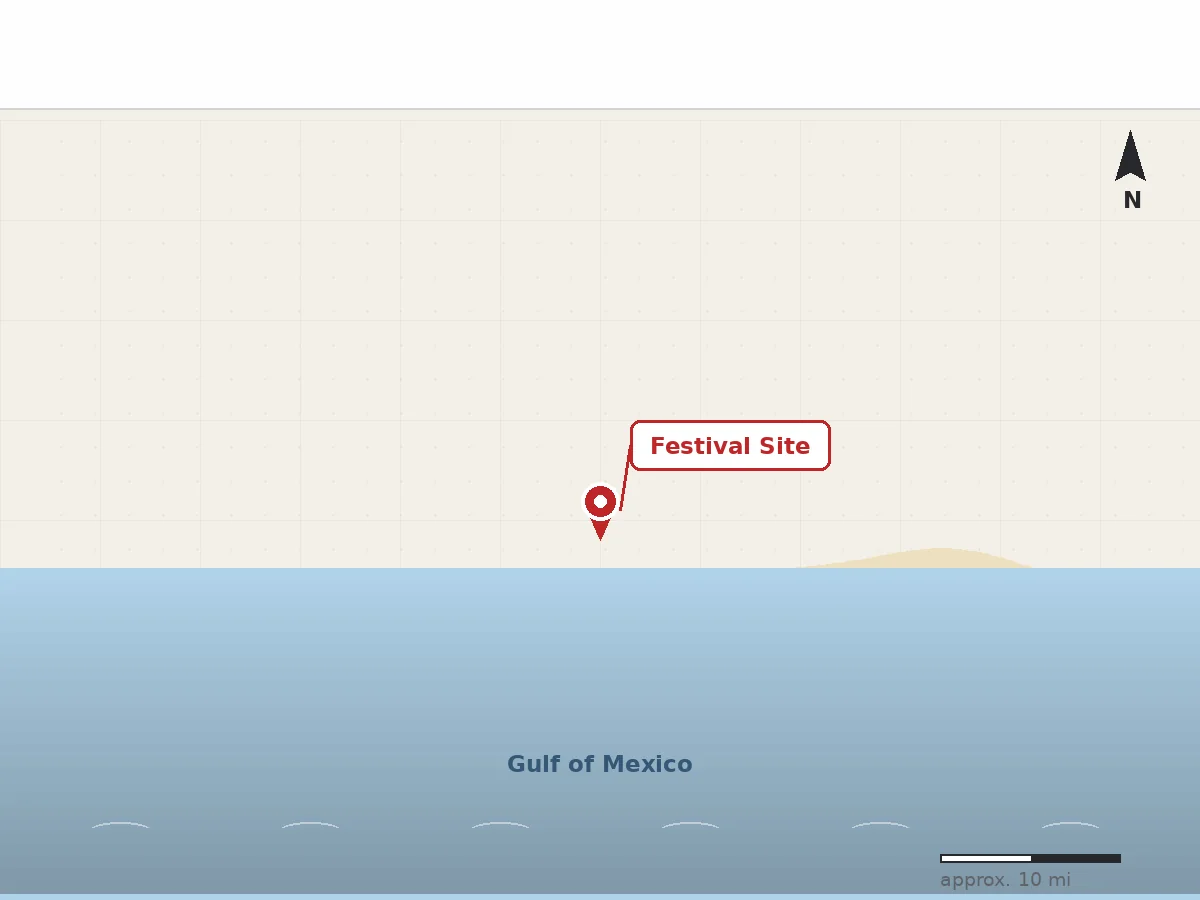
The fair takes place in the Logan County area around Russellville, the county seat, in south-central Kentucky.
Logan County Fair Questions, Answered
When does the Logan County Fair usually take place?
It is a summer fair, typically running across a single week in most years. Because dates shift annually, confirm the current schedule with local sources before you plan travel or book lodging.
Is there an admission charge to get in?
In most years, entry to the fairgrounds is free. Costs come from rides, games, food, and separately ticketed grandstand events. Budget for those rather than for a gate fee.
Should I bring cash to the fair?
Yes. Many vendors and ride operators take cards, but not all of them do, and rural cell service can slow mobile payments in a crowd. A modest amount of cash covers the gaps.
Is the fairground easy to manage with kids or a stroller?
It is a family-oriented event, but surfaces are largely grass and gravel. A stroller with larger wheels handles it far better than a lightweight umbrella model. Bring water, plan a midday break, and set a meeting point in case anyone gets separated.
The Road Ahead for the Logan County Fair
The long-term challenge for fairs of this size is not attendance on a Saturday night — it is the volunteer pipeline. Every fair board in rural Kentucky needs people willing to run gates, judge entries, and organize events for a week each summer. Logan County has sustained that effort, and its fair continues to balance two audiences: families who come for rides and food, and agricultural families who come for the shows.
Expect the fair to keep evolving along those lines — more digital ticketing and promotion, the same core of barns, exhibits, and grandstand nights. Weather will always be the wild card, and so will the wider economy that determines what vendors and sponsors can commit to each season. What is unlikely to change is the fair’s role as the county’s biggest shared week.
Last updated: October 2026
Plan the logistics, arrive early, keep some cash in your pocket, and let the schedule breathe. The Logan County Fair rewards visitors who show up prepared and unhurried — and in a county this size, the best moments usually happen between the scheduled events, in a barn aisle or a food line, with someone from Russellville telling you exactly which exhibit you should not miss.