Livingston Parish Louisiana Livingston Parish Fair Festival

Say the full title out loud — Livingston Parish Louisiana Livingston Parish Fair Festival — and you get a sense of how thoroughly this corner of southeast Louisiana claims its own. For a first-timer, the fair itself is simpler than the name suggests: a parish-wide autumn gathering in the Livingston Parish area, built around livestock, exhibits, rides, and food, with the whole community drifting through the gates over a fall weekend.
Livingston Parish covers 703 square miles and was founded on February 10, 1832. That scale matters at fair time. Families come in from small towns and rural roads across the parish, and the fairgrounds become the one place where everyone ends up in the same spot at once. Think of it less as a tourist attraction and more as a homecoming you happen to be welcome at.
Livingston Parish Fair Basics: Parish, Season, and Grounds
| Town / place | The Livingston Parish area, Louisiana |
| County | Livingston Parish, Louisiana |
| Parish seat | Livingston |
| Region | North shore of Lake Pontchartrain, in the Florida Parishes, along the I-12 corridor |
| Population | Spread across Denham Springs, Walker, Springfield, Livingston, and surrounding rural communities rather than one city |
| Typical timing | Each autumn, usually across a weekend in the fall months |
| Admission | Typically free to enter, with rides, games, and food sold separately |
| Setting | A parish fairground with exhibit halls, livestock barns, a midway, and outdoor stages |
| Features | Livestock shows, youth exhibits, pageants, carnival rides, fair food, live music |
| Organizer | A volunteer parish fair association with local agricultural and civic groups |
What the Livingston Parish Fair Is, in Plain Terms
The fair is a parish fair in the oldest sense of the phrase. It exists because Livingston Parish is agricultural country that slowly became a bedroom parish for Baton Rouge, and fair week is when those two identities sit side by side without anyone arguing about it.
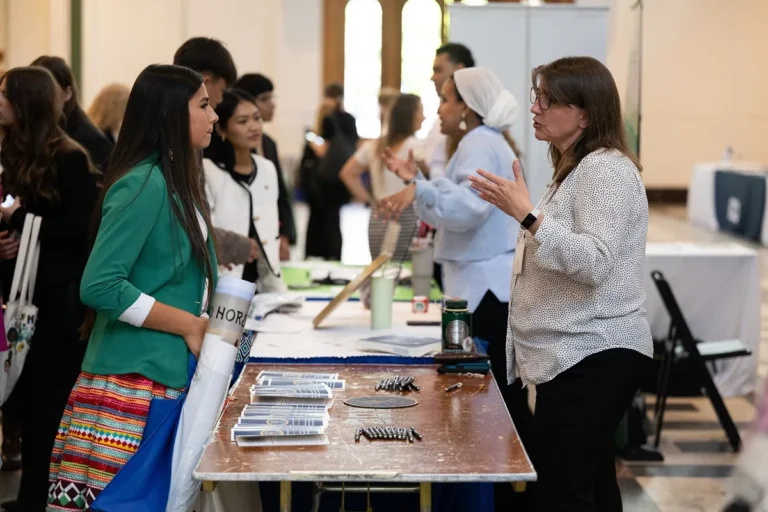
Expect a fairground rather than a convention center: an open-air midway, barns and exhibit halls, a stage or two, and plenty of walking between them. Expect a schedule that leans on local participation — students showing animals, hobbyists entering canned goods and crafts, children in pageants, clubs selling food to fund their year. And expect a crowd that is mostly neighbors. First-timers sometimes arrive braced for a big regional festival and are surprised by how personal it feels. Regulars would tell you that is the point.
Because the fair serves the whole parish rather than one town, the mix of people is wider than you might guess. You will stand in line behind a farmer from a rural road and a family from a new subdivision, and both will happily tell you where to find the best plate of food.
An 1832 Parish and the Fair That Grew Out of Its Fields
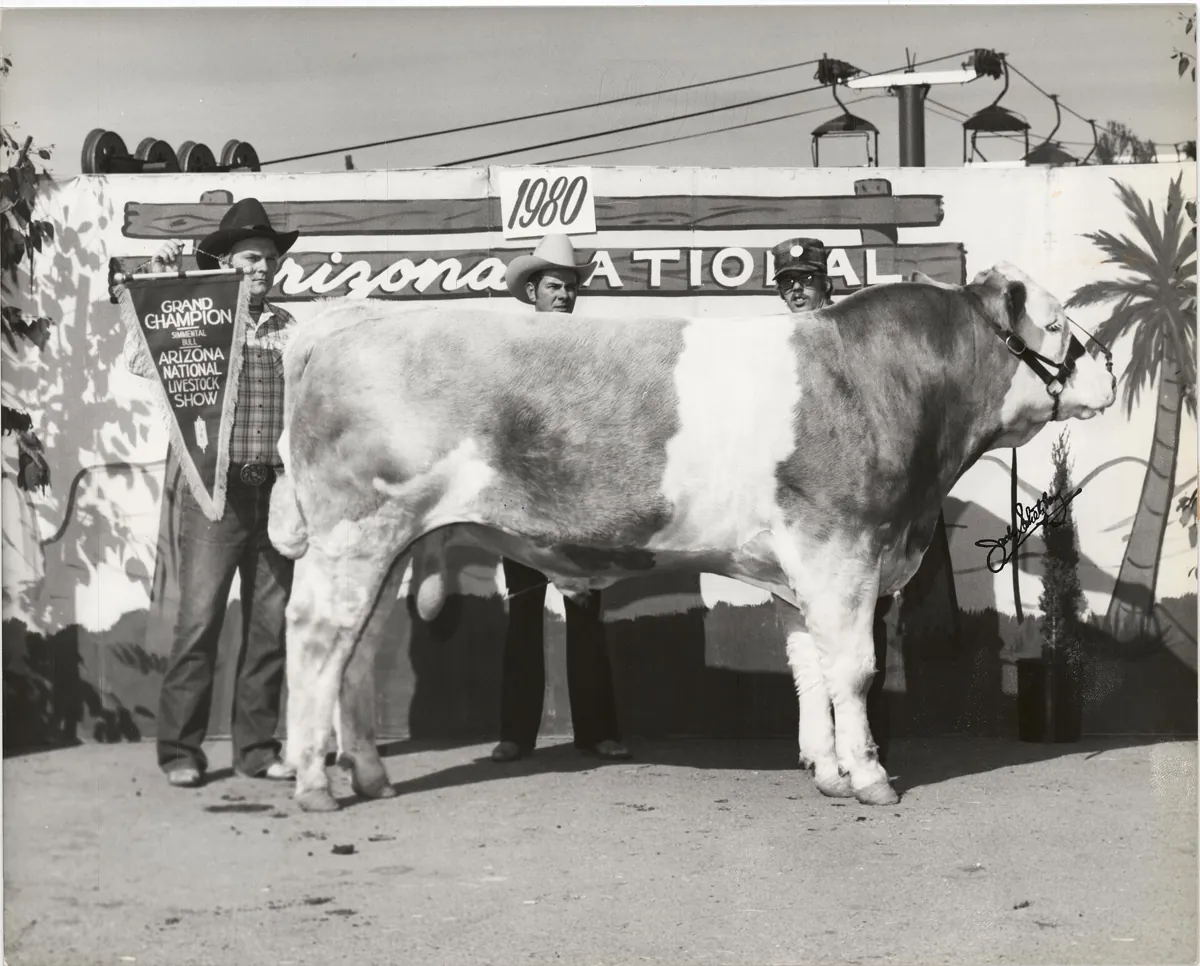
Livingston Parish was established on February 10, 1832, carved from a landscape of piney woods, river bottom, and farmland north of Lake Pontchartrain. For most of its first century the parish economy ran on timber, cattle, and crops, and the calendar ran on harvests. Fairs in this part of Louisiana grew out of that rhythm: a time to bring in the year’s best animals and produce, compare notes with neighbors, and let the parish see what everyone had been working on.
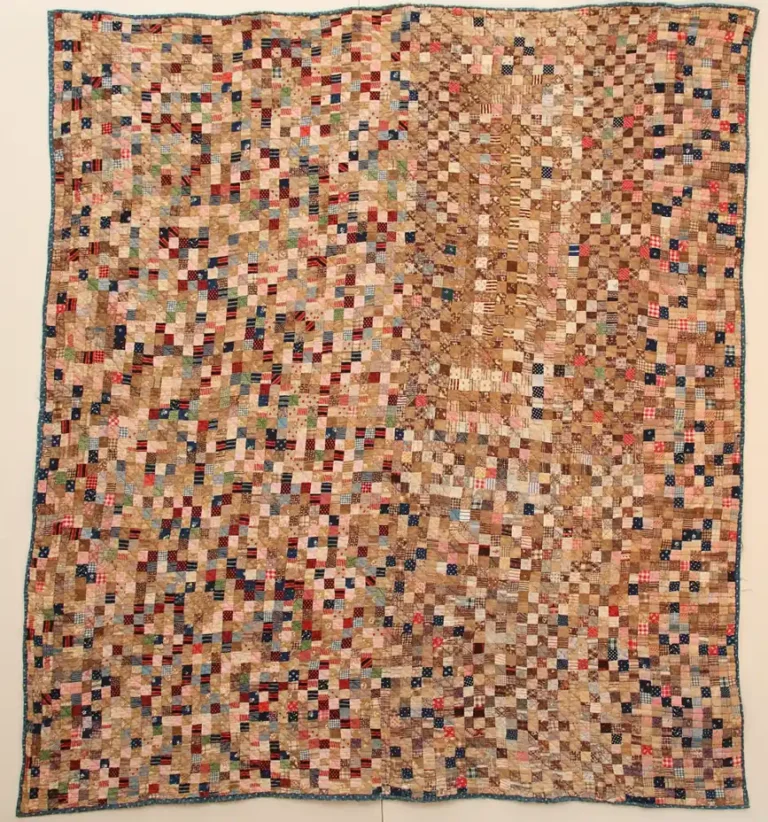
That agricultural foundation still shapes the fair today, even as the parish has grown and suburbanized. The livestock barn is not a nostalgia exhibit; it is the through-line. The exhibit halls full of preserves, quilts, photographs, and school projects are the same idea in a different form. Walk into those buildings on a first visit and you are looking at a tradition older than most of the towns around it, still run by people who live within a short drive of the grounds.
The fair has also always been a civic project. It takes a small army of volunteers, sponsors, and parish organizations to stage a multi-day event with animals, rides, and a full entertainment schedule. That volunteer structure is why the fair feels local rather than corporate — the person selling you a funnel cake may be the same person who judged the rabbit show that morning.
What a First Visit to the Livingston Parish Fair Feels Like
Every fair has its own pace, and this one is unhurried until it isn’t. Mornings belong to exhibitors, judges, and families with small children. Afternoons fill in. Evenings, when the midway lights come on and the stage gets loud, are the busiest stretch. If you want to actually talk to people, go early. If you want the full sensory version, go after dark.
Fair Food, Served the Livingston Parish Way
This is southern Louisiana fair food, and it does not pretend otherwise: fried seafood and fried sweets, smoked meats, sausage po-boys, jambalaya, corn, kettle corn, snowballs, and lemonade by the gallon. Church groups, school clubs, and civic organizations often run the booths, which means the recipes are local rather than franchised. Portions are generous, prices are fair, and the lines move faster than they look. Eat early in the evening if you want a table, and save room for something you cannot get at home.
Live Music and Entertainment Around the Grounds
Expect local and regional acts rather than national headliners — country, swamp pop, rock, and gospel, depending on the night — plus the pageants, announcements, and contests that make a parish fair a parish fair. Schedules shift from year to year, so treat any lineup you see online as a guide rather than a contract. The music is best experienced as background to the fair itself: grab a seat near the stage, eat, and let the evening unfold.
Family Activities, Livestock, and Exhibit Halls
Rides and games anchor the midway, but the quieter attractions are just as worthwhile. Livestock shows run through the day, with young exhibitors presenting cattle, goats, poultry, and rabbits. Exhibit halls display student art, photography, baking, canning, and crafts. Small children do best in the morning, when the grounds are shaded and stroller-friendly; teenagers will want the evening. Budget for ride tickets or a wristband, and plan on more walking than you expect.
Planning a First Trip to the Livingston Parish Fair
Driving In from Baton Rouge, New Orleans, or Hammond
Interstate 12 is the main artery through Livingston Parish, with US 190 running roughly parallel for local access. From Baton Rouge you head east; from New Orleans you take I-55 north to I-12 or US 51 up through Hammond. Traffic thickens noticeably in the late afternoon and early evening, so a mid-afternoon arrival saves real time. Follow posted fair signage and any temporary traffic direction rather than your phone’s shortest route.
Where to Stay Around Livingston Parish
There is no single fair hotel. The closest cluster of chain lodging sits along the I-12 corridor in the Denham Springs and Walker areas, with Hammond to the east and Baton Rouge to the west offering more choice. Book early on fair weekends, since the region draws visitors for other events and for LSU home games. If you are visiting from out of state, staying in Baton Rouge gives you restaurants and museums alongside the fair.
Parking Without the Guesswork
Fairground parking is usually the simplest option: a field or lot with attendants and a short walk to the gates. Arrive before the evening rush, carpool if you can, and wear shoes that handle grass and gravel. If you park on a nearby side road, respect local driveways and any posted restrictions — parish residents are welcoming, but they still need to get home.
Admission, Ride Costs, and What to Bring
Admission is typically free, with money going toward rides, games, food, and vendor stalls. Ride wristbands and ticket sheets are the usual formats, and pricing changes from year to year, so check the fair’s current information before you travel. Bring cash — many booths prefer it — and keep a card as backup. ATM lines get long on Saturday night, and small bills speed everything up.
Fall Weather in Southeast Louisiana and How to Dress
Autumn here means warm, humid afternoons and noticeably cooler evenings, with the occasional fast-moving shower. Dress in layers, bring sunscreen and insect repellent, and pack a poncho rather than an umbrella if you plan to be on the midway. Comfortable shoes matter more than anything else on this list.
A Sample Fall Weekend at the Livingston Parish Fair
Friday evening. Arrive an hour before sunset, park while lots are still open, and walk the grounds once to get oriented. Eat dinner from a booth, catch the first stage set, and let the kids burn off energy on the rides while the crowd is still building.
Saturday morning. Come back early for the livestock shows and the exhibit halls. This is the calmest, coolest stretch of the weekend and the best time to talk with exhibitors and volunteers. Grab lunch before noon, when lines are short.
Saturday evening. The busiest window, and the most fun if you like crowds. Live music, lit midway, full food row. Claim a spot near the stage early, and set a meeting point in case your group splits up.
Sunday. Quieter, family-heavy, and easier for grandparents and toddlers. Wander the barns, buy something from the exhibit hall, and finish with a last plate of fair food before the drive home.
How the Livingston Parish Fair Compares with Nearby Celebrations
Neighboring Tangipahoa Parish hosts the Ponchatoula Strawberry Festival, a spring event with a single-crop identity and a much heavier tourism footprint. Baton Rouge, a short drive west, offers a year-round calendar of urban festivals with big-name music and downtown venues. Hammond, to the east, leans into its own university-town culture and arts scene.
The Livingston Parish Fair sits differently from all of them. It is seasonal rather than crop-specific, parish-wide rather than city-centered, and agricultural at its core rather than commercial. If you want polish and headline acts, look toward Baton Rouge. If you want to understand how a Louisiana parish actually spends a fall weekend, this is the better introduction.
First-Timer’s Fair-Day Checklist for Livingston Parish
| Cash plus a backup card | Many booths and game stalls still prefer paper money. |
| Sturdy, closed-toe shoes | Grass, gravel, and long walks between barns, halls, and midway. |
| Layers and a poncho | Warm afternoons, cooler nights, fast showers. |
| Sunscreen and insect repellent | Louisiana fall is still sunny and still buggy. |
| A meeting point | Crowds thicken after dark and phone signals slow down. |
| A small tote bag | For exhibit hall purchases, prizes, and leftovers. |
| Patience for traffic | The worst congestion hits right after the evening rush. |
Beyond the Fairgrounds in Livingston Parish
If you have driven in for the fair, give yourself an extra half day. The parish sits on the north shore of Lake Pontchartrain, with the Tickfaw and Amite rivers, cypress swamps, and pine woods shaping the landscape. Tickfaw State Park near Springfield offers trails and boardwalks through bottomland forest, and the historic core of Springfield rewards a slow walk. Denham Springs has an antique district worth an afternoon.
Farther out, Baton Rouge is roughly a half-hour west along I-12, and New Orleans is about an hour southeast. Hammond makes a pleasant lunch stop on the way home. Between the fair, the rivers, and the small-town main streets, a fair weekend can easily become a full south Louisiana loop.
Why the Fair Still Anchors Livingston Parish Life
A parish that covers 703 square miles does not have many shared gathering points. The fair is one of the few. It is where a school club raises its budget for the year, where a first-year exhibitor learns to handle an animal in front of a crowd, where grandparents run into people they have not seen since last fall. In a parish that has grown quickly, that continuity is not sentimental — it is structural.
For visitors, that means the fair is worth more than the rides and the food. It is a working snapshot of a Louisiana parish: agricultural roots, suburban present, and a volunteer culture holding both together for one weekend each autumn.
Where the Livingston Parish Fair Fits on the Map
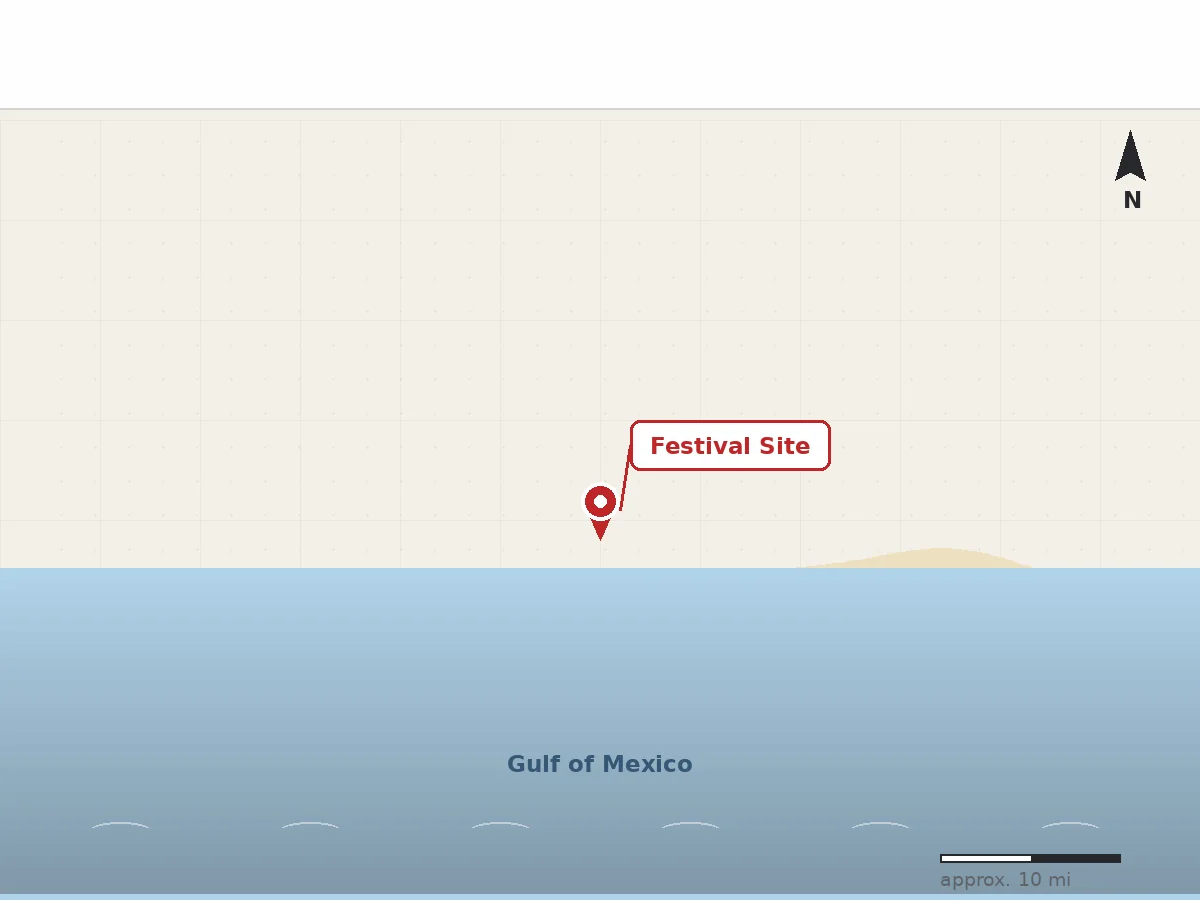
The fair takes place on fairgrounds within the Livingston Parish area of southeast Louisiana, along the I-12 corridor between Baton Rouge and Hammond.
Livingston Parish Fair Questions First-Timers Ask
Is the Livingston Parish Fair free to attend?
Admission is typically free, with costs limited to rides, games, food, and vendor purchases. Because details can change from year to year, confirm current arrangements through the fair’s own information channels before you make the drive.
Do I need to bring cash?
Yes, and more than you think. Many food booths and game stalls prefer cash, card readers are not universal on a fairground, and ATM lines grow long during peak hours. Carry small bills for speed and keep a card as a backup.
Is the fair a good fit for young children and older visitors?
It is, particularly in the morning. Grounds are flatter and cooler early in the day, lines are short, and the livestock barns and exhibit halls are easy, shaded places to spend an hour. Evenings are louder and more crowded, which suits teenagers better than toddlers or grandparents.
What happens if it rains during the fair?
Louisiana showers tend to arrive hard and leave quickly. Barns and exhibit halls are under roof, so the fair generally keeps going, though midway rides may pause for safety. Bring a poncho, watch for muddy footing, and check the fair’s updates if a storm looks severe.
What’s Next for the Livingston Parish Fair
The fair’s future looks much like its past: volunteer-run, agriculturally rooted, and held each autumn as the parish continues to grow around it. Expect the same core draws — livestock, exhibits, pageants, rides, food, and music — with gradual updates to scheduling, vendors, and grounds as the surrounding communities change. For a first-timer, that stability is good news. What you see this fall is likely to still be here next fall.
Last updated: October 2026
Go once and you will understand why the Livingston Parish Louisiana Livingston Parish Fair Festival carries that long, repetitive, entirely sincere name. It is not a marketing title; it is a statement of ownership. Bring cash, wear good shoes, arrive before the evening rush, and let a parish show you how it celebrates itself.