Knott County Kentucky Knott County Fair Festival

The Knott County Fair is one of the biggest recurring events in this part of eastern Kentucky, and first-timers tend to arrive with the same question: what exactly am I walking into? Knott County spreads across 353 square miles of ridgelines and hollows, with Hindman as the county seat. The county was founded in 1884 and named for James Proctor Knott, and the 2020 census counted 14,251 residents. A fair in a county that size has a particular feel — the midway is genuine, the exhibit halls are competitive, and most of the crowd knows each other.
This guide is written for someone who has never been. It covers what the fair is, how it fits into the county’s year, what to eat and listen to, where to park, how to handle mountain weather, and how to shape a weekend around it. Read it once before you drive in, and you will spend your time at the fair instead of figuring out the fair.
Knott County Fair Basics for a First Visit
| Town / area | Knott County area, centered on Hindman |
| County | Knott County, Kentucky |
| County seat | Hindman |
| Population | 14,251 (2020 census) |
| Region | Eastern Kentucky, Appalachian coalfields |
| County founded / namesake | 1884 / James Proctor Knott |
| Typical timing | Late summer into early autumn |
| Admission | Generally free to enter; rides, food, and games sold separately |
| Setting and features | Fairgrounds with midway, grandstand, exhibit halls, livestock barns, and food rows |
| Organizer | Local volunteer fair board and community organizations |
What the Knott County Fair Is, in Plain Terms
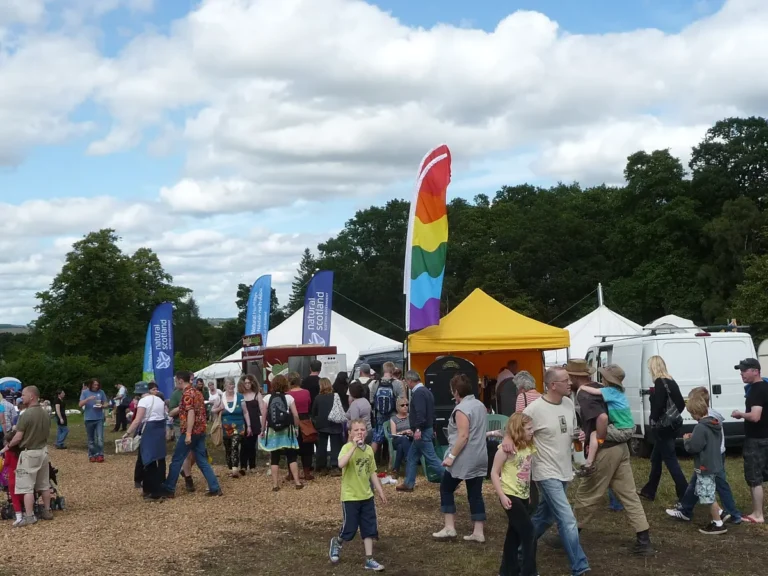
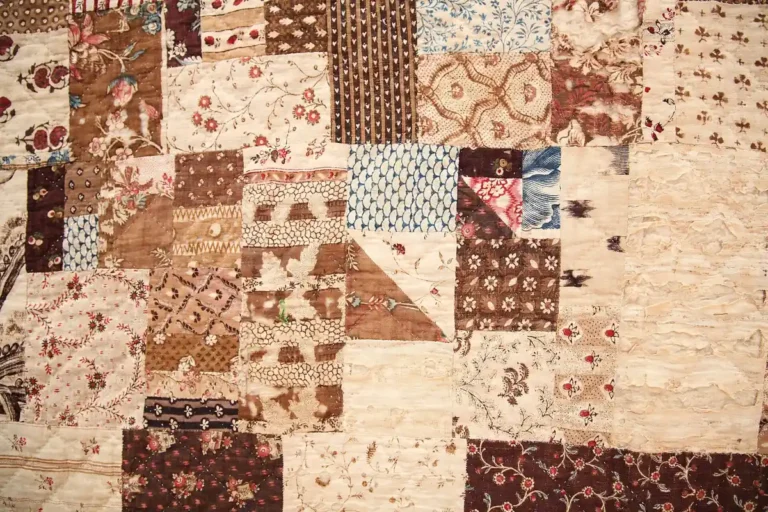
At its core, this is a traditional county fair with an Appalachian accent. You get the expected pieces — a midway with rides and game booths, a grandstand, exhibit halls full of canned goods, quilts, vegetables, and student art, plus livestock barns where 4-H and FFA members show animals. Around those anchors sits what makes a mountain fair distinct: vendors selling soup beans and cornbread, local bands trading sets with gospel groups, and a schedule that runs from late afternoon into the night.
The fair is a gathering point rather than a tourist attraction. Families come for the evening, teenagers come for the midway, grandparents come for the exhibits and the music. If you are visiting from outside the region, that is the appeal — you are not watching a performance of local culture, you are standing in the middle of it. Bring cash, wear shoes you don’t mind getting dusty, and plan to talk to strangers.
From an 1884 County Seat to Today’s Fairgrounds
Knott County was formed in 1884 and named for James Proctor Knott, and Hindman was established as its seat of government. In a county with no railroad and little flat ground, public life has always depended on gathering — at church, at the school, at the courthouse square, and eventually at the fair.
County fairs across the region grew out of agricultural societies that wanted to reward good crops, good livestock, and good homemaking, and the Knott County Fair carries that lineage. Over the decades it has shifted along with the county itself: as farming and coal employment changed, the fair leaned harder into entertainment, youth competitions, and community fundraising. What has stayed constant is the calendar slot — a late-summer or early-autumn run that lands after the garden is in and before the first hard frost, when the county has something to show for the year.
Your First Evening at the Knott County Fair
Schedules shift from year to year, so treat the following as orientation rather than a timetable. Most fair evenings follow a similar rhythm, and knowing it in advance helps you pace yourself.
Fair Food Worth Standing in Line For
Food is the easiest place to start. Expect the standard lineup — funnel cakes, corn dogs, fries, lemonade — alongside cooking you will not find at every fair in America: soup beans, cornbread, pulled pork, and fried apple pies. Booths run by local churches and civic groups are usually the best value and the best eating. Bring cash, since some smaller vendors may not take cards, and eat early in the evening before the lines build.
Music and Entertainment Around the Midway
Live entertainment typically anchors the grandstand and a smaller stage elsewhere on the grounds. Lineups lean local — country, bluegrass, gospel, and rock from bands within a county or two. Between sets, the midway is the entertainment. Check the schedule when you arrive and claim a seat early for anything you actually want to see; seating at small fairs fills fast.
Family Activities, Livestock, and Exhibits
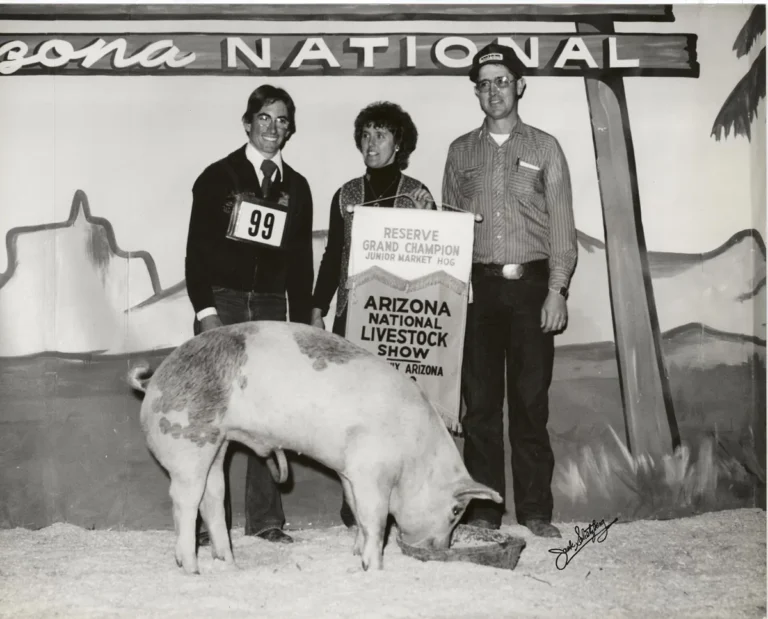
Much of the best programming costs nothing beyond admission. Livestock shows, tractor and truck pulls, pageants, and youth competitions fill the evenings. The exhibit halls deserve a slow lap — quilts, canned goods, photography, and school art judged and displayed with ribbons. For younger kids the rides are the draw, but the animal barns often hold their attention longer. Gravel and grass are the norm underfoot, so plan accordingly.
Planning the Trip: Hindman, Parking, and Mountain Weather
Getting to Knott County and Hindman
Knott County sits in the mountains of eastern Kentucky, and Hindman is both the county seat and the natural reference point for the fairgrounds. Most visitors arrive by car. The drive in is scenic and slow — two-lane roads, switchbacks, few passing lanes — so build in more time than the mileage suggests, especially in the evening.
Where to Stay Near the Fair
Lodging inside the county is limited and skews toward cabins, campgrounds, and small independent properties rather than chain hotels. Many fairgoers stay in nearby larger towns and drive in. If you are planning a weekend, reserve early — fair dates tighten up the area’s entire supply.
Parking at the Knott County Fair
Parking is usually a mix of designated lots and field parking, staffed by volunteers and often free or by donation. Arrive before the evening rush if you want to park close, and expect to walk on grass or gravel. Carpooling helps, and a flashlight for the walk back to the car after dark makes a real difference.
Admission and What a Fair Night Costs
Admission is typically free, with costs concentrated in rides, food, games, and grandstand events. That structure makes a visit easy on a budget: walk the grounds, watch the shows, spend only on what you want. Bring cash, set a rough midway budget before you arrive, and treat ride wristbands or ticket bundles as the main variable expense.
Mountain Weather and What to Wear
Late summer and early autumn here can swing from humid afternoons to cool nights in a single visit. Dress in layers, wear closed-toe shoes you don’t mind scuffing, and keep a light rain jacket in the car — mountain showers move through quickly, but they do move through. A camp chair or blanket is worth packing if you plan to sit through grandstand entertainment.
A Sample Fair Weekend Built Around Knott County
Friday afternoon: arrive in Hindman with time to spare, park before the evening rush, and start with a quiet lap of the exhibit halls. Eat dinner from a local booth, catch the early grandstand set, and let the kids work the midway until closing.
Saturday morning: drive the county’s backroads while the fair is still asleep. Knott County’s 353 square miles are best seen slowly, and a morning loop gives you a sense of the place the fair belongs to. Come back to town for a late lunch.
Saturday evening: this is the fair at full volume. Livestock shows, pageants, pulls, and music overlap, so pick two or three things and accept that you will miss the rest. Save the midway for after dark, when the lights matter most.
Sunday: return for a short, unhurried visit — a final pass through the exhibits, something fried, and a look at who won what. Many fairs wind down by late afternoon, so treat the morning as your window.
How the Knott County Fair Compares With Nearby Gatherings
Eastern Kentucky has a dense festival calendar, and a first-timer may be weighing several options. Pikeville’s spring street festival is larger and more urban, built around a downtown grid rather than a fairground. Hazard’s autumn celebration leans on the coal-country identity of Perry County and draws a broad regional crowd. Prestonsburg’s fall heritage festival is more explicitly storytelling-and-crafts oriented, and Whitesburg, over in Letcher County, runs its own mountain-themed events with an arts-forward bent.
The Knott County Fair is the smallest-scale and most traditional of that group — a genuine county fair rather than a street festival. Fewer headline acts, shorter lines, easier parking, and a stronger sense that you are at a local institution rather than a regional production. If you want the version of a mountain festival that people who live here actually attend, this is it.
Knott County Fair Packing and Prep List
Before you go: confirm the current year’s dates and hours through the county’s official channels, since the run shifts annually. Check the forecast for Hindman specifically — mountain weather differs from the nearest city’s. Reserve lodging early if you are staying overnight.
Bring: cash in small bills, a light rain jacket, layers, closed-toe shoes, a camp chair or blanket, sunscreen, bug spray, a refillable water bottle, and a flashlight for the walk to your car.
Leave at home: anything you would hate to lose in a crowd, and any pet that isn’t a service animal. Set a meeting point with your group before you split up at the midway.
Beyond the Midway: Knott County Between Fair Days
The fair is a reason to visit, but it is not the whole county. Hindman has a walkable core with local shops and a long association with mountain arts and education — a settlement school tradition that has kept craft, music, and storytelling alive in this valley for generations. Seek out the small galleries and workshops where quilters, woodworkers, and instrument makers still work.
Outside town, Knott County is 353 square miles of ridge and hollow. Drive the backroads, stop at a country store, and look for overlooks where the land opens up. Fishing, hiking, and fall color are the main outdoor draws, and the county’s network of small roads rewards anyone willing to get slightly lost. If you have a spare half-day, spend it here rather than adding another town.
Why the Knott County Fair Still Matters Here
In a county of 14,251 people spread across 353 square miles, gathering takes effort. The fair is one of the few times each year when the whole county — and the people who grew up here and moved away — shows up in the same place. For 4-H and FFA members, it is the payoff for months of work. For small organizations, it is a fundraiser and a recruiting tool. For families, it is a fixed point in the year.
That is the real significance. This fair is not designed for visitors, which is exactly why it is worth visiting. It is a community holding itself together in public, one evening at a time.
Where the Knott County Fairgrounds Sit in the County
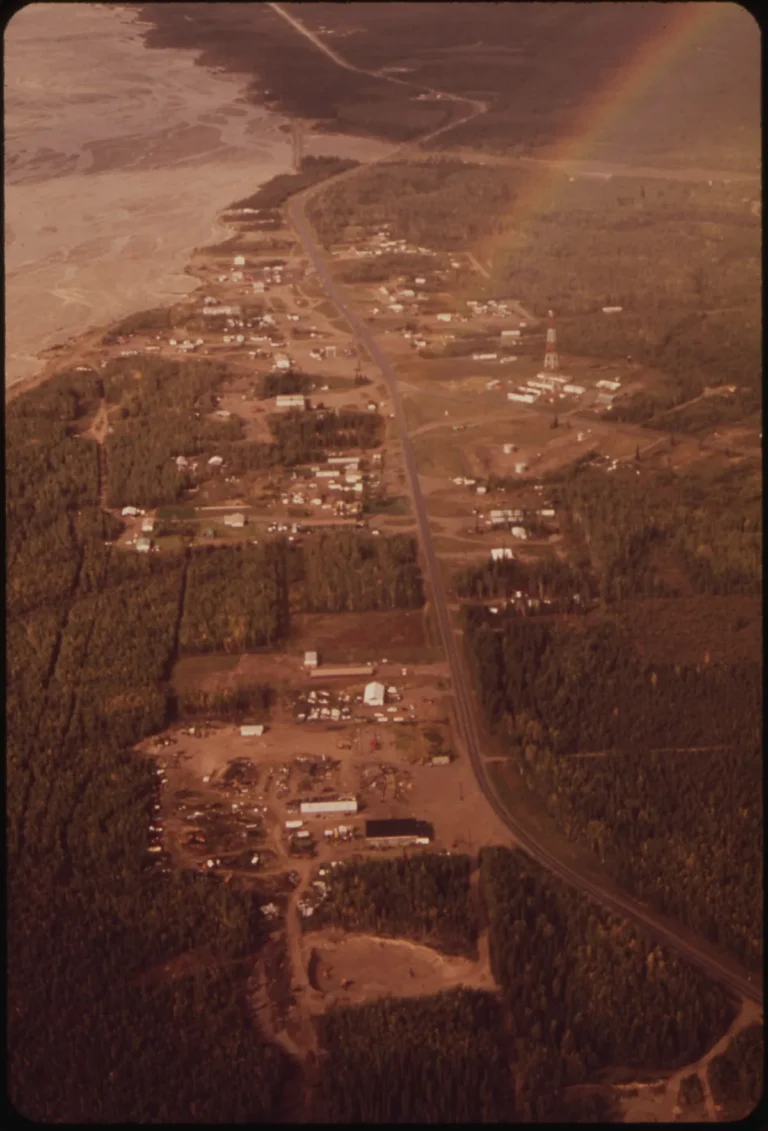
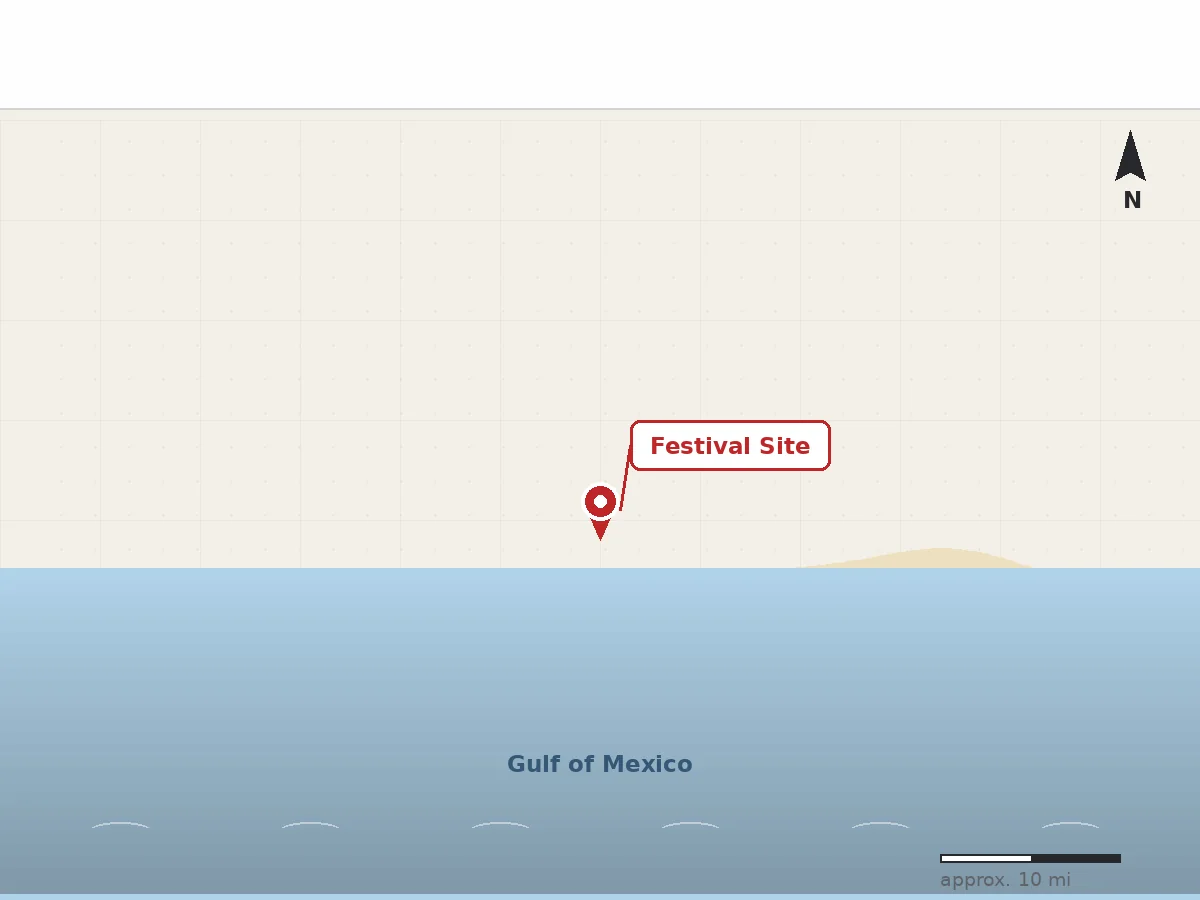
The fairgrounds are located in the Knott County area around Hindman, the county seat, in the heart of eastern Kentucky’s mountain region.
First-Timer Q&A for the Knott County Fair
Do I need tickets in advance?
Usually not. Admission is typically free, and most spending happens on rides, food, and grandstand events once you are inside. Some fairs sell ride wristbands or event tickets at the gate, and a few special events carry their own pricing. Bring cash and check the current year’s schedule so you know which events require a ticket.
Is it a good fit for young kids and older visitors?
Yes. The grounds are walkable, evenings start early, and much of the best programming — livestock shows, exhibits, pageants — is free to watch. Families with toddlers should plan around the midway’s noise and crowds, and older visitors tend to find the exhibit halls and grandstand seating comfortable. Arriving earlier in the evening suits both groups.
How long should I plan to stay?
Most people spend two to four hours on a first visit, or a full evening if there is a grandstand act they want to see. If you are coming from outside the region, a weekend lets you pair the fair with the county’s backroads and Hindman’s shops instead of making the drive for a single night.
What happens if it rains?
Mountain showers are common and often brief. Many events continue in light rain, and indoor spaces such as exhibit halls stay open. Watch the fair’s announcements for weather-related schedule changes, and keep a rain jacket in the car so a passing storm doesn’t end your evening.
Looking Ahead for the Knott County Fair
County fairs everywhere are navigating the same pressures: rising ride and insurance costs, an aging volunteer base, and competition from screens for younger attendees. Knott County’s fair has the advantage of a real community stake — youth agriculture programs, local organizations that depend on the week’s proceeds, and families for whom the fair is simply part of the year’s shape.
Expect it to keep evolving: more emphasis on youth competitions and local entertainment, continued reliance on volunteers, and a schedule that still lands in late summer or early autumn. For a first-timer, that continuity is the point. Come once, and you will recognize the fair the next time you visit.
Last updated: October 2026
If you are new to Knott County, treat the fair as your introduction. Walk the exhibit halls, eat at a booth run by a local church, sit through one grandstand set, and let the evening take its time. You will leave knowing more about this corner of eastern Kentucky than any scenic drive could teach you.