Iberia Parish Louisiana Louisiana Sugar Cane Festival
By the time the sun lifts over the cane fields west of New Iberia, the Thibodeaux family has already claimed its spot along the parade route — folding chairs, a battered ice chest, and three generations of opinions about the proper way to boil crawfish. For them, the Louisiana Sugar Cane Festival is less a weekend on the calendar than a family ritual, one that marks the turning of the year in Iberia Parish the way the first cold front marks autumn farther north.
Sugar Cane Festival Essentials in Iberia Parish
| Town / area | New Iberia and the surrounding Iberia Parish area |
| County | Iberia Parish, Louisiana |
| County seat | New Iberia |
| Parish founding | Founded in 1868 and named for Iberia |
| Population | Spread across the parish’s towns and rural communities, with New Iberia the largest |
| Region | South Louisiana bayou country along Bayou Teche |
| Typical timing | Each autumn, in most years during late September |
| Admission | Generally free for street-level festivities; some individual activities may charge |
| Setting and features | Downtown New Iberia, cane fields, parades, Cajun food, live music, family activities |
| Organizer | Community volunteers and local civic groups from the New Iberia area |
A Bayou Teche Harvest Celebration Rooted in Iberia Parish
New Iberia is the seat of Iberia Parish, a 1,031-square-mile stretch of south Louisiana where sugarcane runs to the horizon and Bayou Teche curls through the middle of town. The parish was founded in 1868 and named for Iberia, and its identity has been bound to the cane harvest almost from the start.
The Louisiana Sugar Cane Festival is the parish’s annual answer to that harvest: a multi-day celebration held each autumn, in most years during late September, when the mills begin grinding and the air carries the smell of burnt cane and syrup. Downtown New Iberia becomes the center of it all, with parades, cane-cutting demonstrations, sugar industry exhibits, cooking, live music, and a full schedule of family events. Admission is generally free for the street-level festivities, though individual activities may charge their own fees.
How Cane Country Built the Celebration New Iberia Hosts Today
Iberia Parish was carved out of surrounding sugar country in 1868, named for Iberia, and it grew up around the crop that defined it. Along Bayou Teche, plantations and small farms sent cane to mills that ran day and night through the grinding season, and the rhythm of that season — planting, cutting, hauling, boiling — set the calendar for every community in the parish.
Harvest gatherings came first: mill-town suppers, church fairs, and informal competitions over who grew the sweetest cane. Over the decades those gatherings grew into something larger and more organized, with parades through New Iberia, a festival court, cane exhibits, and demonstrations of the equipment and craft behind Louisiana sugar. The festival’s story is really the parish’s story told in public — a way for farming families, mill workers, and town businesses to mark the end of one cycle and the beginning of another.
One Family’s Saturday: What to Expect Across New Iberia
For the Thibodeaux family, festival day starts early and ends with sore feet. Here is what fills the hours in between.
Boudin, Cane Syrup, and Everything Fried Along the Route
Food is the through-line of the day. Vendors along the downtown streets and around the festival grounds sell boudin, cracklins, gumbo, crawfish étouffée, fried catfish, and boiled shrimp, plus sweets that lean hard on local sugar — pralines, candied pecans, and syrup poured over hot biscuits. Cane syrup itself is a festival staple, and a jar makes a fine souvenir. Bring cash for smaller vendors, and expect a line at the stands that have been coming back for years.
Zydeco, Cajun Fiddles, and Brass on the Bayou
Live music runs all weekend, and the lineup leans local: zydeco accordion and washboard, Cajun fiddle and steel guitar, swamp pop, and brass. Stages and street corners fill up in the afternoon and stay busy into the evening, and dancing tends to start whether or not anyone built a dance floor. If you know Louisiana music only from the radio, this is where it finally makes sense.
Parades, Cane Demonstrations, and Rides for the Kids
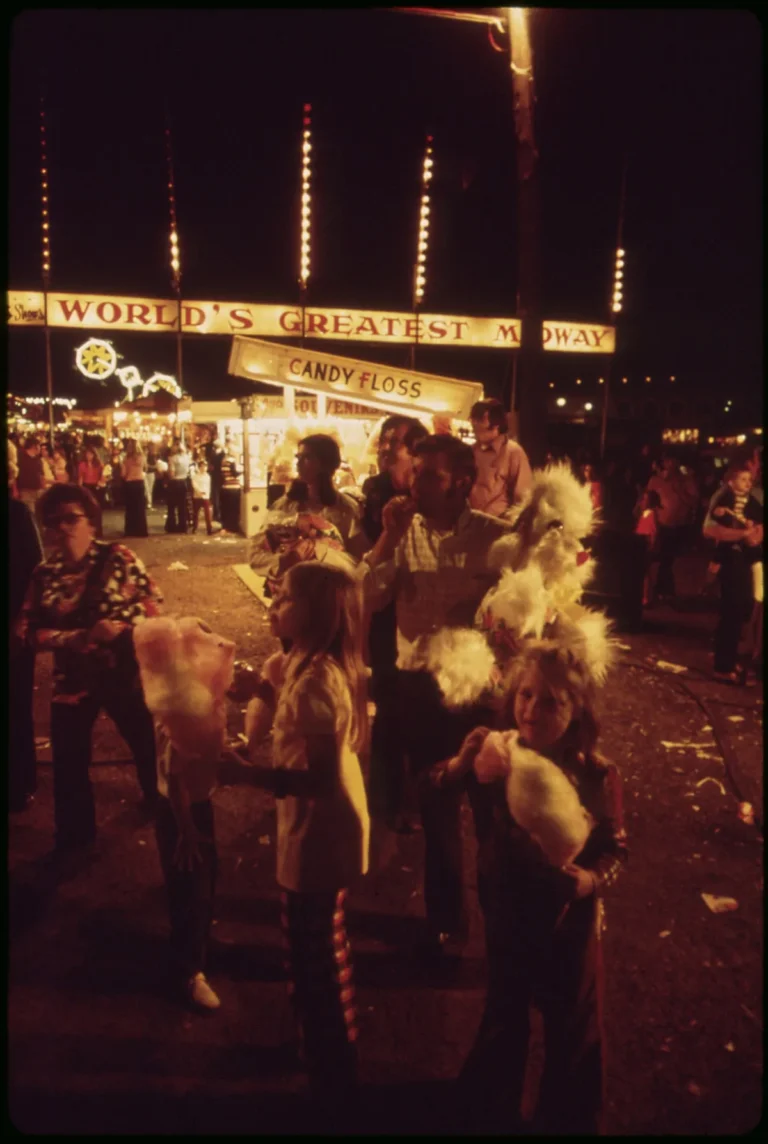
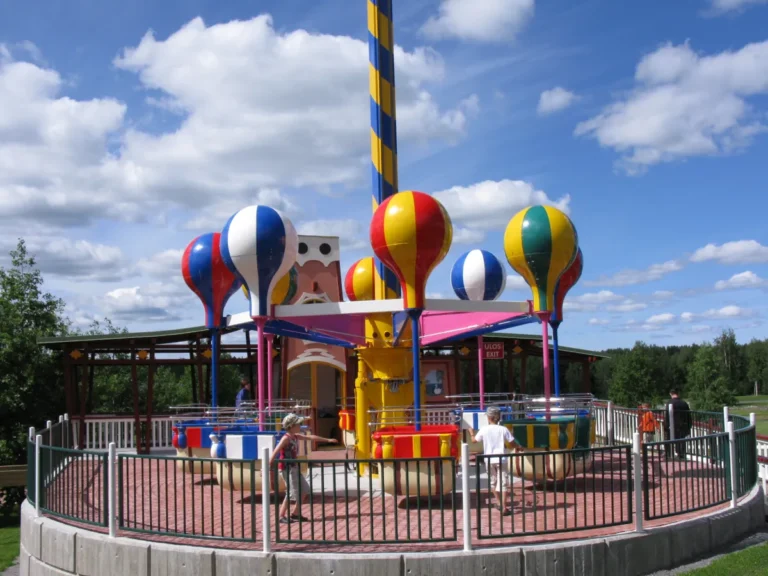
The parade is the centerpiece, with marching bands, decorated floats, festival royalty, and tractors hauling the machinery of the harvest. Between parades, families drift toward carnival rides, craft booths, cane-cutting and milling demonstrations, and hands-on activities aimed at children. Most of it is stroller-friendly, but the streets get crowded, so pick a meeting point before anyone wanders off.
Planning a Trip to Iberia Parish for Festival Weekend
Getting to New Iberia and the Iberia Parish Area
New Iberia sits in south Louisiana along the U.S. 90 corridor, with Interstate 10 running north of the parish. Most visitors arrive by car, whether from Lafayette to the east or from the Baton Rouge and New Orleans direction via I-10. Lafayette and Baton Rouge handle the closest commercial flights, and New Orleans is a longer but manageable drive.
Where to Stay Around New Iberia
New Iberia has chain hotels near the highway and a handful of inns and bed-and-breakfasts close to the historic district; booking early matters on festival weekends. Lafayette, a short drive east, adds a much larger inventory of rooms, and the smaller towns across Iberia Parish offer quieter options for travelers who do not mind a little windshield time.
Parking Near the Parade Route
Downtown street parking fills quickly, and church lots, school lots, and temporary event parking absorb much of the overflow. Arrive before mid-morning, carpool if you can, and be patient afterward — everyone leaves at roughly the same moment once the parade ends.
What the Weekend Costs
Admission is typically free for the street-level festivities, and watching the parade or wandering the exhibits costs nothing. Individual events — a concert, a pageant, a carnival ride — may charge their own fees. Budget for food, drinks, and parking, and keep some cash on hand for vendors who do not take cards.
Late September Heat and Afternoon Storms
Late September in south Louisiana is still summer in disguise: hot, humid, and prone to sudden afternoon thunderstorms. Dress light, drink more water than you think you need, wear a hat, and pack a poncho rather than an umbrella. Morning and evening are the most comfortable hours for walking the route.
A Sample Sugar Cane Weekend With the Thibodeaux Family
Friday Evening: Arrival and a First Plate of Boudin
The Thibodeauxs drive in after work, drop bags at a hotel near the highway, and head downtown for the opening evening. The crowd is still thin, the food stands are fully stocked, and the first bands are warming up. They eat standing up, let the kids run the midway once, and turn in early.
Saturday: Parade Route, Cane Fields, and Dance Floor
Chairs hit the curb by eight in the morning. The parade rolls mid-morning, lunch is gumbo and boudin, and the afternoon belongs to cane-cutting demonstrations, craft booths, and rides. After a short rest, they return for the evening music, where the grandparents outlast everyone on the dance floor.
Sunday: Bayou Morning and the Drive Home
Sunday is slow. A long breakfast, a walk along Bayou Teche or a stop at a local attraction, one last pass through the grounds, then the drive home with a jar of cane syrup, a bag of pralines, and a sunburn that will be worth it.
How Iberia Parish’s Harvest Weekend Compares Nearby
Iberia Parish’s harvest weekend has cousins all across Acadiana, and each has its own personality. Breaux Bridge, east of here, celebrates crawfish in the spring when the ponds are drained and the season peaks — a smaller, food-forward party. Lafayette’s Festival International, also a spring event, is a free downtown music gathering with international acts and a far bigger footprint.
To the south, Delcambre’s shrimp celebration honors the boats and the bayou, while St. Martinville, up Bayou Teche, trades crowds for a quieter historic atmosphere. What sets the Sugar Cane Festival apart is the crop itself: it is the only one of the group built around the grinding season, and the only one where the machinery, the mills, and the farming families are the main attraction.
Packing and Practical Notes for Iberia Parish
| Item | Why it matters |
| Cash in small bills | Food stands, parking, and vendors who do not take cards |
| Folding chairs | Parade-route seating fills up hours before the bands arrive |
| Hat, sunscreen, sunglasses | Open streets and a strong south Louisiana sun |
| Refillable water bottle | Heat and humidity drain you faster than you notice |
| Rain poncho | Afternoon storms arrive quickly and pass just as fast |
| Comfortable shoes | You will walk more than you expect between venues |
| A tote or small cooler | Somewhere to stash cane syrup and pralines for the ride home |
Beyond the Parade Route: Iberia Parish After the Confetti
The festival is a reason to stay, not just a reason to visit. South of New Iberia, Avery Island holds gardens, a wildlife refuge, and the pepper sauce operation that made the island famous. Jefferson Island’s Rip Van Winkle Gardens offer a quieter afternoon among live oaks and open water, and Shadows-on-the-Teche, an antebellum home on the bayou in New Iberia, tells the parish’s story from a different angle.
In town, a rice mill tour and a slow drive along Bayou Teche fill the gaps between meals. Jeanerette and the smaller communities west of New Iberia reward anyone willing to follow the two-lane roads past the cane fields, especially in the golden hour before sunset.
Why the Harvest Still Matters to Iberia Parish Families
For one weekend a year, the whole parish shows up in the same few blocks: mill families, farm families, small-business owners, marching bands, church groups, and volunteers who have worked the festival for decades. The event is a reunion as much as a celebration, and it keeps a working agricultural tradition visible to people who might otherwise never see the inside of a mill.
Sugar still shapes the landscape here, and the festival is how Iberia Parish explains that to itself and to visitors. It is also an economic engine for local vendors and a point of pride for a town that has been tied to cane since long before the festival had a name.
Where the Celebration Sits in Iberia Parish
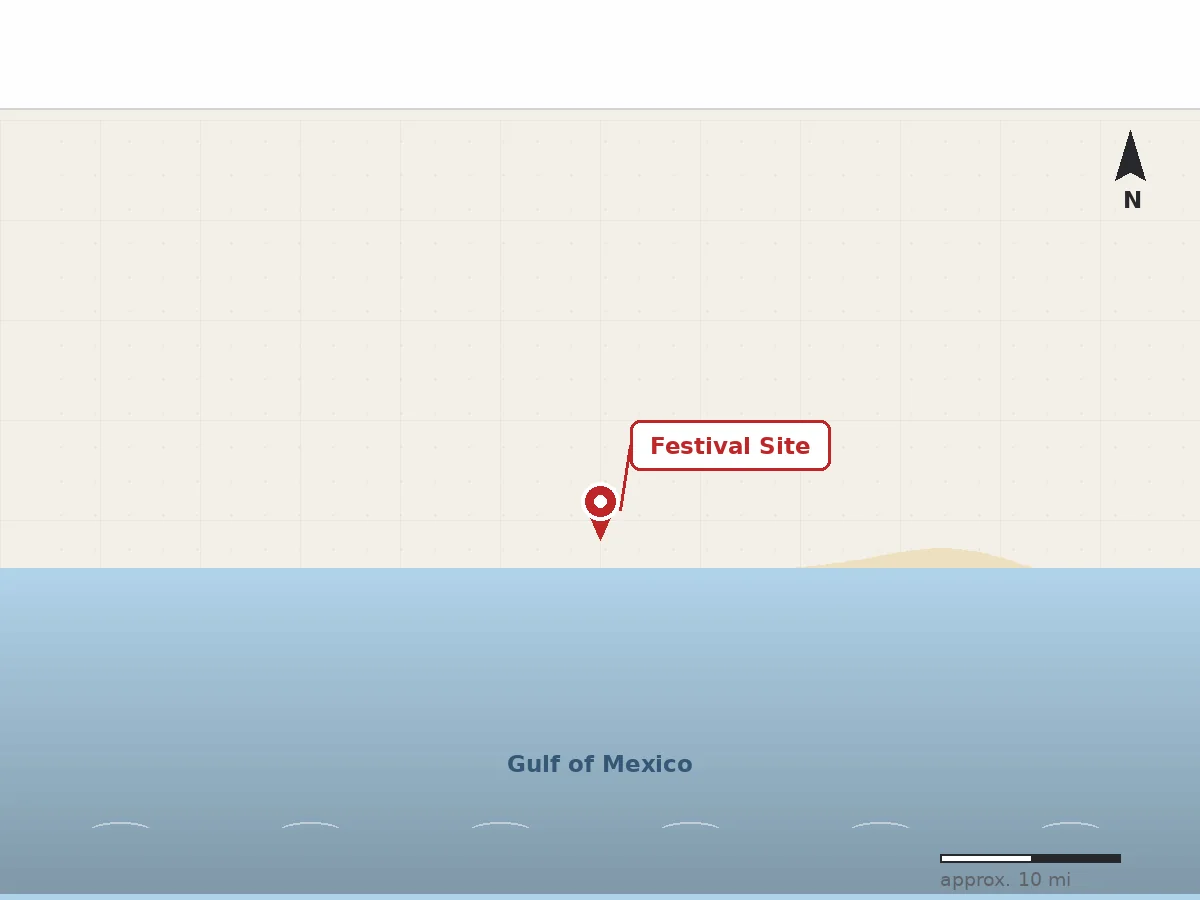
The Louisiana Sugar Cane Festival takes place in and around New Iberia, the seat of Iberia Parish in south Louisiana, with most public events centered on the city’s historic downtown and nearby grounds.
First-Time Answers for Sugar Cane Festival Visitors
When Does the Louisiana Sugar Cane Festival Take Place?
It is held each autumn, in most years during late September, timed to the start of the grinding season when cane comes in from the fields and the mills fire up. Because the schedule follows the harvest rather than a fixed calendar slot, check current listings before you book travel.
Is the Sugar Cane Festival Free to Attend?
Admission is generally free for the street-level festivities, including parades and most outdoor entertainment. Some individual events and activities may charge their own fees, so plan on spending mainly on food, drinks, rides, and parking.
Where Do Visitors Park in New Iberia?
Street parking near downtown fills early, and nearby lots at churches, schools, and designated event areas take the overflow. Arriving before mid-morning gives you the best choice, and carpooling makes the post-parade exit much easier.
What Should a First-Timer See in Iberia Parish?
Start with the parade, then spend an hour at the cane-cutting and milling demonstrations — they explain everything else you will see. Eat your way down the vendor line, catch at least one zydeco or Cajun set, and leave time for Bayou Teche and the historic district before heading home.
The Next Harvest: Looking Ahead for Iberia Parish
The festival’s future is tied to the same things that decide any harvest: weather, markets, and whether the next generation wants to stay in cane. What has kept the celebration alive for so long is its flexibility — it has absorbed new music, new food, and new crowds without losing the grinding-season core that gives it meaning.
Visitors should expect the same rhythm in the years ahead: a parade through New Iberia, demonstrations of a trade that predates the parish itself, and a weekend when the whole of Iberia Parish turns out to greet the harvest together.
Last updated: October 2026
The Thibodeauxs will be back next year, chairs in the trunk and the ice chest packed before sunrise. In Iberia Parish, the sugar cane comes in whether or not anyone throws a party — but the party is what makes the harvest feel like home.