Henry County Kentucky Henry County Fair Festival
If you have never set foot on a rural Kentucky fairground, the Henry County Fair is a forgiving place to start. Henry County covers 291 square miles of north central Kentucky, with New Castle as its county seat, and the fair is built around the people who farm and live across that land. First-timers often arrive expecting a small, quiet evening and leave surprised by how much fits into a few summer days. What follows is an orientation rather than a schedule: what the fair is, where it came from, what to eat and watch, and how to plan a visit without guessing at every turn.
Henry County Fair Basics: What First-Timers Should Know
A short orientation to the fair and to the county that hosts it.
| Town / area | Henry County area, around New Castle |
| County | Henry County, Kentucky |
| County seat | New Castle |
| Population | 15,678 (2020 census) |
| Region | North central Kentucky |
| Typical timing | Summer, generally across a weekend or several days |
| Admission | Typically free general entry, with some activities priced separately |
| Setting | Rural fairgrounds ringed by farmland |
| Features | Livestock shows, exhibits, midway rides, fair food, live entertainment |
| Organizer | Local volunteer fair board and community groups |
What the Henry County Fair Actually Is
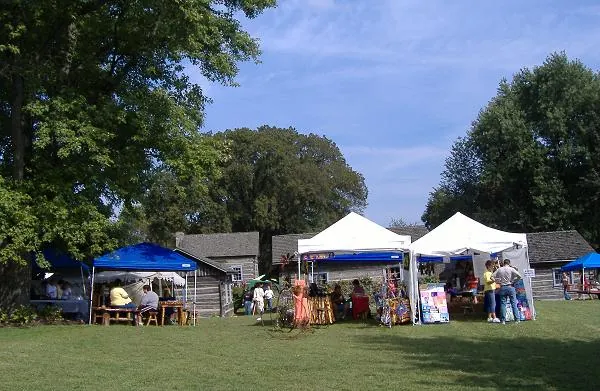
The Henry County Fair is a county fair in the classic Kentucky sense — not a commercial expo, not a music festival with a livestock tent bolted on, but a genuinely local event where the exhibitors and the audience tend to know each other. The county was founded in 1798 and has remained overwhelmingly agricultural, and the fair reflects that. Expect the midway and the food trailers, yes, but also barns, pens, and display cases full of work that people spent months preparing.
Because Henry County is small — 15,678 residents at the 2020 census — the fair functions as a reunion as much as an entertainment. Grandparents watch grandchildren show animals. Neighbors compare garden entries. Someone you met at a church supper in June turns up running a concession stand in July. For a visitor from outside the county, that atmosphere is the main attraction: you are watching a community hold its annual conversation with itself.
Two Centuries of Farm Life Behind the Henry County Fair
Henry County’s identity was set long before any fairground gate opened. Formed in 1798 in the north central part of the state, the county grew around New Castle as its seat of government and around the rolling farmland that still defines it. Tobacco, livestock, grain, and later dairy shaped the workday rhythm, and that rhythm produced the institutions rural counties depend on: churches, schools, granges, and the annual fair.
County fairs across Kentucky emerged from the same impulse — a desire to compare crops and animals, share techniques, and mark the end of a growing season with something celebratory. Henry County’s version followed that pattern, built by volunteer effort rather than corporate sponsorship. Premiums for the best exhibits, ribbons for the best animals, and a carnival for the evenings became the template.
What has changed is the scale of the surrounding world, not the fair’s purpose. Louisville and Cincinnati are both within reach of Henry County, and many residents now commute out of the county for work. The fair has adapted by remaining stubbornly local. Its continuity is the point: a thread running from the county’s earliest decades into the present, maintained by people who volunteer because their parents did.
Your First Walk Through the Henry County Fairgrounds
Most first-timers follow the same route without meaning to: through the gate, past the ticket and information area, straight toward whatever smell reaches them first. Here is what each part of the grounds tends to offer.
Fair Food and the Smell of the Midway
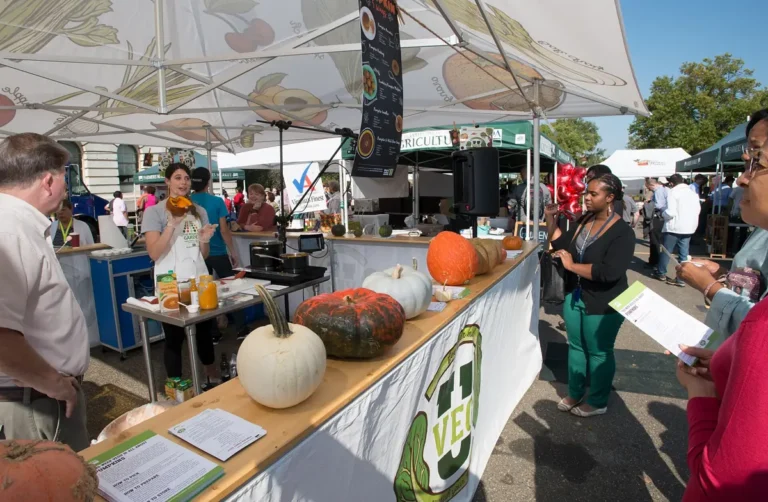
Fair food in Henry County is the familiar Kentucky lineup done well: funnel cakes, corn dogs, hand-cut fries, lemon shake-ups, barbecue, and at least one stand selling something fried that you did not know could be fried. Local church and civic groups often run their own booths, which is where you find the food that tastes least like a carnival — burgoo, soups, pies, and plate lunches. Bring cash for the small stands; card readers appear at some trailers but not all.
Livestock Shows, Music, and Evening Entertainment
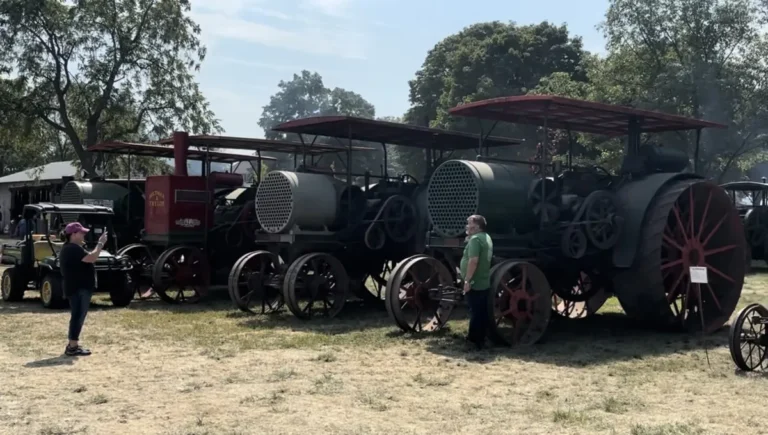
The barns are the heart of the fair. Cattle, goats, sheep, swine, and poultry classes run through the week, along with the showmanship contests where young exhibitors lead animals they raised themselves. Tractor and truck pulls, demolition-style events, and horse-related classes are staples at fairs of this size. Evenings usually bring live music — local and regional country, bluegrass, and gospel acts — plus whatever grandstand event the fair board has booked for that year.
Family Activities for Kids and Grandparents Alike
Rides and games fill the midway, and the smaller-kid rides are usually grouped together so parents are not chasing a toddler across the grounds. Beyond the carnival, look for exhibit halls full of canned goods, quilts, photography, flowers, and school art; a petting area or small animal barn; and contests that invite audience participation. Older visitors tend to settle into the exhibit hall and the seating near the entertainment stage, which is exactly where the best conversations happen.
Planning a Trip to the Henry County Area
A little forethought turns a fair visit from a scramble into a comfortable afternoon or evening.
Getting There and Around Henry County
Henry County sits in north central Kentucky along the I-71 corridor, which makes it reachable from Louisville, Cincinnati, and the Lexington area without a long detour. New Castle, the county seat, is the natural reference point for anyone navigating in. Roads into the fairgrounds are rural two-lanes, so expect farm equipment, slow turns, and limited shoulders after dark. Fill your tank before you get close; gas stations thin out quickly once you leave the larger towns.
Where to Stay Near New Castle and Eminence
Henry County is not a hotel county. Most overnight visitors stay in the surrounding region and drive in, or book a cabin or campground in the countryside. If you prefer a short drive home, look at the larger towns along the interstate corridors north and south of the county line. For a fair weekend, reserving early matters more than choosing perfectly — summer lodging in this part of Kentucky fills up.
Parking Without the Headache
Fairground parking is typically on grass or gravel, directed by volunteers, and often free or by small donation. Arrive before the evening rush if you want a spot near the gate. Wear shoes you do not mind getting dusty, and note where you parked — rows of trucks and trailers look identical after sunset. If rain has moved through, low spots can get soft, so keep to the marked lanes.
Admission, Costs, and Keeping Cash Handy
General admission to fairs of this kind is typically free, with costs concentrated in rides, games, food, and specific grandstand events. That structure means a family can enjoy the barns, exhibits, and atmosphere at almost no cost and then decide how much midway time to buy. Set a budget before you walk in, carry small bills, and expect a separate charge for ride wristbands or individual tickets.
Weather and What to Wear in a Kentucky Summer
Summer in north central Kentucky means heat, humidity, and the real chance of an afternoon thunderstorm. Dress in light layers, bring a hat, and carry water. Evenings cool off enough that a light jacket is welcome if you plan to stay for the music. Mud boots are not a joke at a fairground after a downpour — closed-toe shoes handle both dust and puddles better than sandals.
A Sample Weekend at the Henry County Fair
Use this as a loose frame rather than a strict plan. The first afternoon is for orientation: walk the grounds end to end, find the barns, the exhibit hall, and the food rows, and let the kids burn off energy on the rides before the crowds build. Eat early — the stands move faster before the evening rush.
Spend the next morning on the agricultural side. Livestock classes and showmanship contests usually run earlier in the day when animals and handlers are freshest, and the exhibit hall is quiet enough to actually look at the quilts, canned goods, and photography. This is the part of the fair most visitors skip and most locals consider essential.
Afternoon is for the midway, the games, and a second pass at the food. Take a break in the shade during the hottest hours, then come back for the evening program: the grandstand event, the live music, and the lights coming on across the grounds.
Save the final morning for a slow walk and a last look at the barns before the trailers start pulling out. If you have children, let them pick one last ride. Then leave before the closing-night traffic knots up at the exit, and you will end the weekend liking the fair more, not less.
Henry County and Its Neighboring Fair Towns
Henry County’s fair sits in a cluster of small Kentucky county seats, each with its own summer traditions. Shelbyville, to the south in Shelby County, is the largest of the nearby towns and the most commercial, with a busier retail strip and a horse-oriented identity. La Grange, to the west in Oldham County, has a walkable downtown split by railroad tracks and a commuter feel that comes from being closer to Louisville.
Frankfort, the state capital, lies to the east in Franklin County and offers the museums, restaurants, and hotel rooms that Henry County lacks. The difference is character rather than quality: Henry County’s fair is smaller, more agricultural, and more likely to be run by the same families year after year. If you want a big regional fair with national entertainment, look elsewhere. If you want the version where the exhibitor in the barn is your server from breakfast, this is it.
First-Timer Checklist for Fair Weekend
Before you leave the house, confirm the year’s dates through local listings, since the fair is scheduled seasonally rather than on a fixed calendar date. Charge your phone, but assume spotty signal in rural areas. Bring cash in small bills, a refillable water bottle, sunscreen, bug spray, and a light rain jacket.
Wear closed-toe shoes and clothes you can get dusty. Pack a tote for anything you buy from vendors or exhibitors. If you have young children, agree on a meeting point at the gate in case anyone gets separated. Finally, plan your exit before the closing event ends — leaving ten minutes early saves a long wait in the parking field.
Beyond the Midway: Henry County Between Fair Days
Give yourself an extra hour or two outside the gate. New Castle is a small county seat with the courthouse-square feel typical of rural Kentucky, and the surrounding towns — Eminence, Pleasureville, Campbellsburg, Smithfield — each have their own character and a diner or two worth stopping for. The drive between them is the real attraction: rolling farmland, barns, fences, and tree lines that explain why the fair exists in the first place.
This is also horse and cattle country at the edges of the Bluegrass region, so you will pass pastures and farm lanes on almost any route. Bring a cooler if you plan to buy produce, jam, or baked goods from roadside stands. And if you are coming from Louisville or Cincinnati, treat the drive itself as part of the outing rather than dead time between the interstate and the parking field.
The Fair’s Place in Henry County’s Yearly Rhythm
For a county of 15,678 people, the fair is one of the few events that genuinely pulls everyone into the same space. Schools, churches, farms, and businesses all send someone. The result is a shared reference point: the year the hog won grand champion, the storm that cut the concert short, the pie that should have taken first place.
That function matters more, not less, as the county’s residents increasingly work outside its borders. The fair is where the agricultural identity that has defined Henry County since 1798 gets renewed in public, in front of an audience that includes the next generation of exhibitors. Visitors are welcome, but they are guests at a family gathering — and it shows in the best way.
Where the Fairgrounds Sit in North Central Kentucky
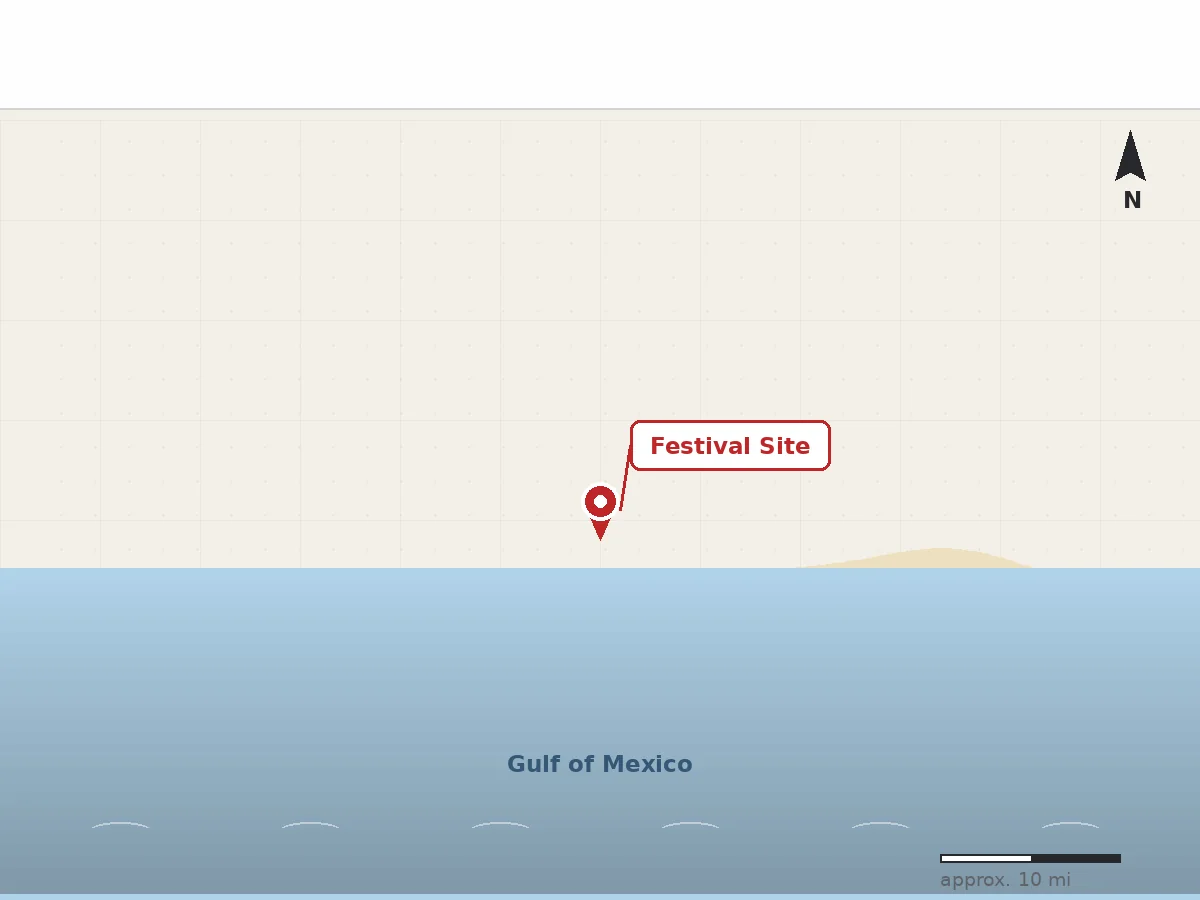
The Henry County Fair takes place in the Henry County area, within easy reach of New Castle, the county seat of this 291-square-mile county in north central Kentucky.
What First-Timers Ask About the Henry County Fair
Do I need to buy tickets ahead of time?
Generally no. Entry to fairs of this size is typically free, and you pay as you go for rides, games, food, and any special grandstand event. Check the year’s local listings before you drive out, since arrangements can change and some events do sell separate tickets at the gate.
Is the fair a good outing with young children?
Yes, with a few adjustments. Go earlier in the day when it is cooler and less crowded, keep to the kiddie ride area, and plan a break in the shade. Strollers handle the main paths fine but struggle on grass and gravel, so a carrier can be easier for smaller children.
How busy does it get, and when is the quietest time?
Weekday afternoons and early evenings are calmest. Weekend nights, especially when a grandstand event or concert is scheduled, draw the largest crowds of the run. If you want space to talk with exhibitors in the barns, go in the morning.
What happens if it rains during the fair?
Kentucky summer storms are usually brief, and much of the fair carries on. Exhibit halls and barns offer cover, and organizers typically adjust the schedule for outdoor events as needed. Bring rain gear rather than cancelling your plans, and watch your footing where the grounds turn to mud.
Looking Ahead to the Next Henry County Fair
The fair’s future looks much like its past: volunteer-run, seasonally scheduled, and anchored in livestock and exhibits rather than headline acts. That model is durable precisely because it is modest. As long as families in Henry County keep raising animals and entering canned goods, there will be a fair to enter them in.
For visitors, the practical advice for coming years is unchanged: confirm the season’s dates locally, arrive early in the week if you want elbow room, and bring cash. The rest of the experience — the food, the barns, the evening lights — tends to take care of itself.
Last updated: October 2026
Whether you come for the livestock shows, the funnel cakes, or simply to see how a small Kentucky county spends its summer, the Henry County Fair rewards the visitor who slows down. Walk the barns before the midway, talk to the people behind the tables, and stay past sunset at least once. You will leave understanding something about Henry County that no drive through it can teach.