Hancock County Kentucky Hancock County Fair Festival

There is a moment at the Hancock County Fair that regulars wait for. The sun drops behind the tree line, the midway lights buzz on all at once, and the smell shifts from cut grass and diesel to funnel cake and grilled onions. For anyone who grew up in this corner of Kentucky, that switch is the real opening ceremony — more reliable than any ribbon cutting.
I have been coming to this fair for years, first as a kid dragging a parent toward the rides, later as an adult who comes for the livestock barn and stays for the grandstand. What follows is the guide I wish someone had handed me the first time I tried to explain the place to an out-of-town friend: what the fair is, how it fits into a county of 9,095 people, and how to plan a visit without wasting an evening circling a gravel lot.
The Hancock County Fair Field Notes: Ten Things to Know Before You Turn In
| Town / area | The Hancock County area, Kentucky |
| County | Hancock County, Kentucky |
| County seat | Hawesville |
| Population | 9,095 (2020 census) |
| Founded | 1829 |
| Region | Northwest Kentucky, Ohio River valley |
| Typical timing | A summer run, usually several days in July or August |
| Admission | Typically free to the grounds, with some events ticketed |
| Setting and features | Rural fairground with livestock barns, exhibit halls, a midway, and an open-air grandstand |
| Organizer | Volunteer-led community fair board |
The Hancock County Fair, Read Through a Returning Visitor’s Eyes
The Hancock County Fair is what people in this part of Kentucky mean when they say “the fair” without qualification. It is a county fair in the classic sense: a few days of livestock judging, baking and canning entries, tractor displays, carnival rides, and a grandstand that fills up after dark. The county itself covers 199 square miles of farmland, river bottom, and small towns strung along the Ohio, and the fair is one of the few occasions when all of that geography shows up in one place.
What separates it from bigger regional events is scale. You will run into the same people three times in one evening. The person selling you a ride wristband may also be the person who judged your niece’s goat. That intimacy is the appeal, and it is also why first-timers sometimes feel like they walked into a family reunion — because in a county this size, they essentially have.
Admission to the grounds is typically free, which changes the whole rhythm of a visit. You can stop in for an hour, leave for dinner, and come back for the evening show without feeling like you wasted a ticket. It is a fair built for repeat visits rather than one long, exhausting day.
From 1829 to Now: How the Hancock County Fair Grew With Its County
Hancock County was founded in 1829, carved out of a stretch of northwest Kentucky where the Ohio River bends and the land behind it rolls into some of the best farmland in the state. For most of the county’s history, that farmland was the economy, and the fair grew directly out of it.
County fairs in this region began as agricultural exhibitions — a place for farmers to compare livestock, swap seed and breeding stock, and let their children show what they had raised. Over the decades, the livestock and exhibit side stayed, while the entertainment side expanded: carnival rides, grandstand acts, demolition events, pageants, and food stands that now draw people who have never set foot in a barn.
That balance is why the Hancock County Fair still feels like itself. The midway is loud and bright, but walk twenty yards and you are standing in front of a row of rabbits with a nine-year-old explaining, very seriously, why this one is the best. A county of 9,095 people does not have the population to sustain a fair on spectacle alone. It sustains this one on participation — entries, volunteers, exhibitors, and families who mark the week on the calendar every year.
What Returning Visitors Notice First at the Hancock County Fair
If you have not been in a few years, a few things will stand out immediately: the midway is a little tighter, the food options are a little broader, and the crowds arrive later than they used to. Here is what to pay attention to.
Fair Food on the Midway: What’s Worth the Queue in Hancock County
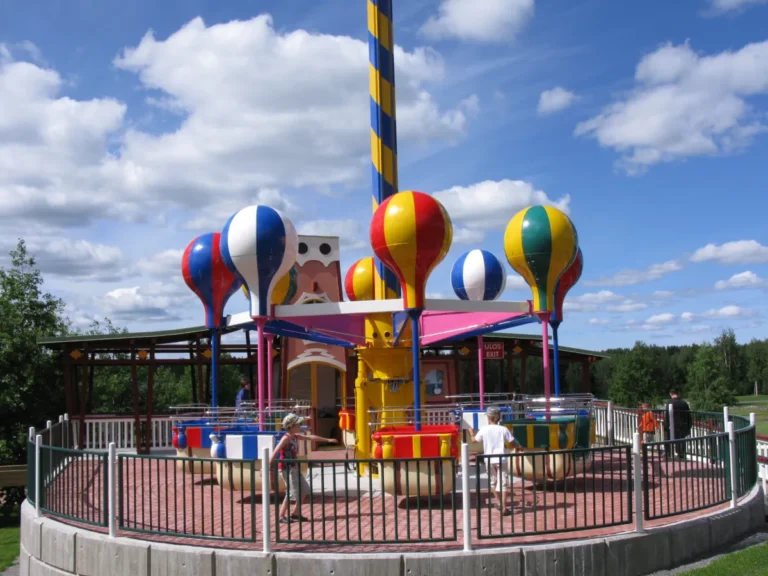
The midway food is the obvious draw — funnel cakes, corn dogs, elephant ears, lemon shake-ups — and it is exactly what you want it to be. The better strategy, though, is to eat early from the stands near the exhibit halls and barns, where local organizations typically set up, then graze on the midway later. Portions are generous, prices are what you would expect for a fair, and cash still moves faster than cards at most stands. Bring small bills.
Music, Engines, and Grandstand Nights in Hancock County
Evenings belong to the grandstand. Depending on the year, that can mean a local band, a pageant, a tractor or truck pull, or a demolition derby that packs the bleachers well before the first heat. Seating is first-come, so regulars claim spots early and treat the bleachers like a front porch. If you only plan one night at the fair, plan it around whatever is scheduled at the grandstand — that is the event everyone will be talking about the next morning.
Family Activities That Hold a Kid’s Attention Past Sunset
For families, the fair works in shifts. Early evening is for the barns — rabbits, poultry, goats, cattle — where kids can get close to animals and usually end up in conversation with an exhibitor. Then it is the midway for rides while the light holds, and finally the grandstand or a seat near the band for the last hour. Strollers handle the gravel fine, but the ground gets uneven near the barns, so closed-toe shoes are the right call for everyone.
Planning a Hancock County Fair Weekend Without Guesswork
Because the fair runs only a few days and the county is small, a little planning goes a long way. None of it is complicated — it is mostly about timing and where you park.
Getting There: Routes Into Hancock County From the River Towns
Hancock County sits in the Ohio River valley, with Hawesville as the county seat and Lewisport among the other communities in the county. Most visitors arrive by car, either from the east through the Owensboro area or from the west along the river corridor. If you are coming from southern Indiana, river crossings put you within easy reach. Traffic is heaviest in the hour before the grandstand starts, so arriving mid-afternoon buys you a calmer entry and a better parking spot.
Where to Stay Near the Hancock County Fairgrounds
Lodging inside the county is limited, and during fair week it disappears quickly. Most out-of-town visitors base themselves in a larger neighboring city and drive in for the evening, which is entirely workable given the short distances involved. Book early — this is a summer weekend in a rural county, and rooms in the surrounding region fill up with travelers heading in every direction.
Parking Without the Slow Circle Around the Grounds
Parking is generally on grass and gravel around the fairgrounds, directed by volunteers. It is free or very inexpensive in most years. The lot closest to the main gate fills first; the overflow lots add only a few minutes of walking and are usually the smarter choice once the evening crowd arrives. Follow the volunteers rather than improvising — they know which rows are still draining properly after a rain.
Admission, Ride Tickets, and What a Night Really Costs
Admission to the grounds is typically free, which makes the fair an unusually affordable night out for a family. Where you spend money is on rides, food, and any ticketed grandstand events. Ride pricing usually comes in two forms — individual tickets or a wristband for unlimited riding during a set window — and wristbands almost always win if your kids plan to ride for more than an hour. Set a cash budget before you walk through the gate; it is easier to hold to it there than at the ticket booth.
Ohio Valley Weather and How Locals Dress for the Fair
Summer in the Ohio Valley means heat, humidity, and the real possibility of an afternoon thunderstorm that clears out by evening. Locals dress for all three: light clothing, a hat, comfortable shoes, and a light rain jacket or poncho in the car. The fairgrounds dry out fast, but low ground near the barns and parking areas can stay soft, so skip the white sneakers. Evenings cool off noticeably once the sun drops, especially near the river.
A Sample Weekend at the Hancock County Fair
If you are coming for the full run, treat it as a weekend rather than a single outing. Start on the first evening with a walk-through: hit the exhibit halls and barns while the crowds are still thin, eat early, and save the midway for a later night when you have more time.
Spend the next afternoon on the agricultural side — livestock shows, tractor displays, and the baking and canning entries, which are consistently more interesting than people expect. Late afternoon is also the best light for photos and the easiest time to find parking.
Reserve your final evening for the grandstand and the midway, arriving a couple of hours before the main event. Ride first, eat second, and claim grandstand seats early. Finish with a slow loop past the barns as the exhibitors pack up — it is the quietest, most genuine half hour of the whole fair.
How the Hancock County Fair Compares to Nearby River Towns
The closest comparison is Owensboro, the larger city to the east, where summer events are bigger, more heavily programmed, and draw from a much wider radius. Owensboro offers more variety and more nightlife; Hancock County offers the version where you know half the crowd.
Across the Ohio in Indiana, Tell City and the surrounding river towns run their own community festivals with a similar feel — smaller crowds, local food, and an emphasis on neighbors rather than headliners. Closer to home, Lewisport’s community events carry the same small-town character as the fair itself.
If you are choosing between them on a given weekend, pick based on mood: Owensboro for a full-scale festival, Hancock County for the fair where the exhibitors wave at you from the ring.
The Hancock County Fair Checklist: What to Tuck in the Car
| Cash in small bills | Faster at food and ticket stands than cards |
| Closed-toe shoes | Gravel, mud, and barn aisles |
| Rain jacket or poncho | Afternoon storms are common in summer |
| Water bottles | Cheaper than buying repeatedly on the midway |
| Sunscreen and a hat | Little shade on the midway before dusk |
| Camp chairs or a blanket | Useful for grandstand and lawn seating |
| Phone battery pack | Long evenings drain a charge quickly |
Beyond the Fairgrounds: Hancock County the Rest of the Year
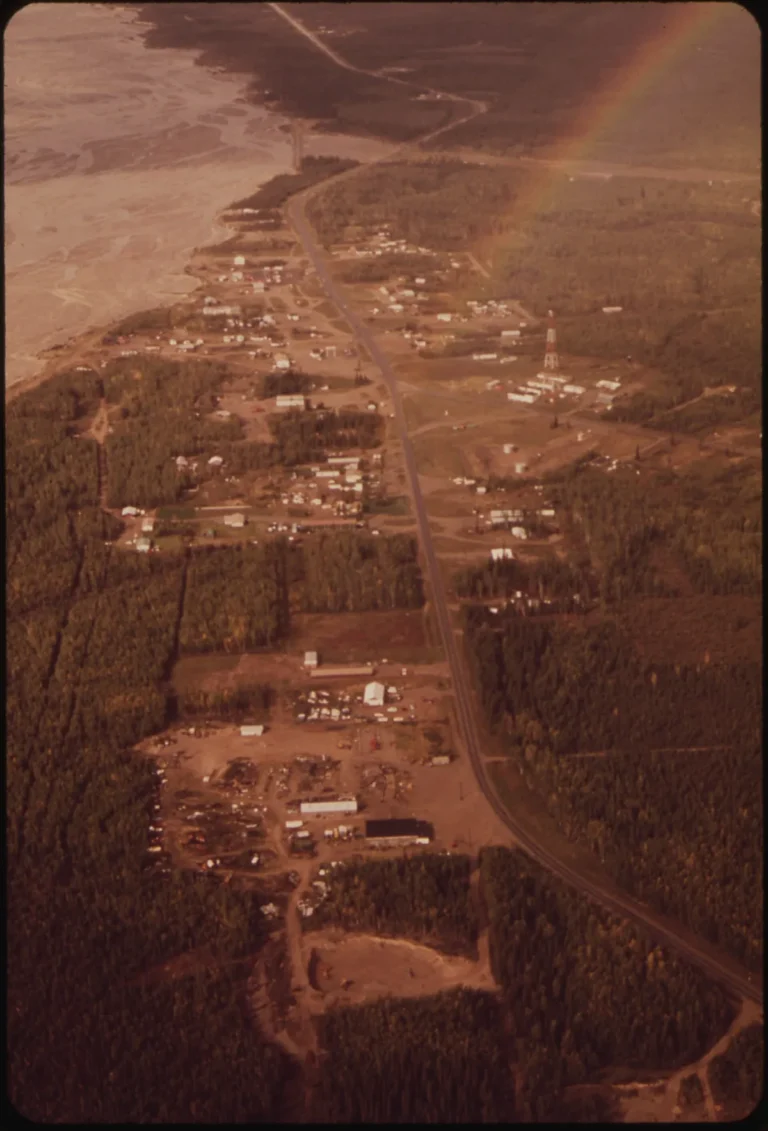
Hancock County is worth more than one stop. The Ohio River defines the place — the riverfront at Hawesville, the boat ramps and river views along the western edge, and the backroads that wind through farmland and bottomland between the small towns. Drive a loop out from the fairgrounds and you will pass fields, barns, and the kind of scenery that explains why the fair’s agricultural roots never faded here.
With 199 square miles and a population of 9,095, the county is quiet by design. That is precisely what makes fair week feel like an event: for a few days, all that dispersed rural energy collects in one place.
Why a Small County Fair Still Matters in Hancock County
A fair in a county this size is not just entertainment. It is one of the few institutions that still brings together farmers, tradespeople, students, retirees, and families from every corner of the county at the same time. The livestock shows give young exhibitors a stage and a set of skills — responsibility, presentation, follow-through — that carry well beyond the ring.
It is also a volunteer effort. The fair depends on people who take vacation days to run gates, park cars, staff booths, and clean up after everyone goes home. When you buy a funnel cake or a ride wristband, a meaningful share of that money stays in the community. That is the quiet case for showing up.
Where the Hancock County Fairgrounds Sit
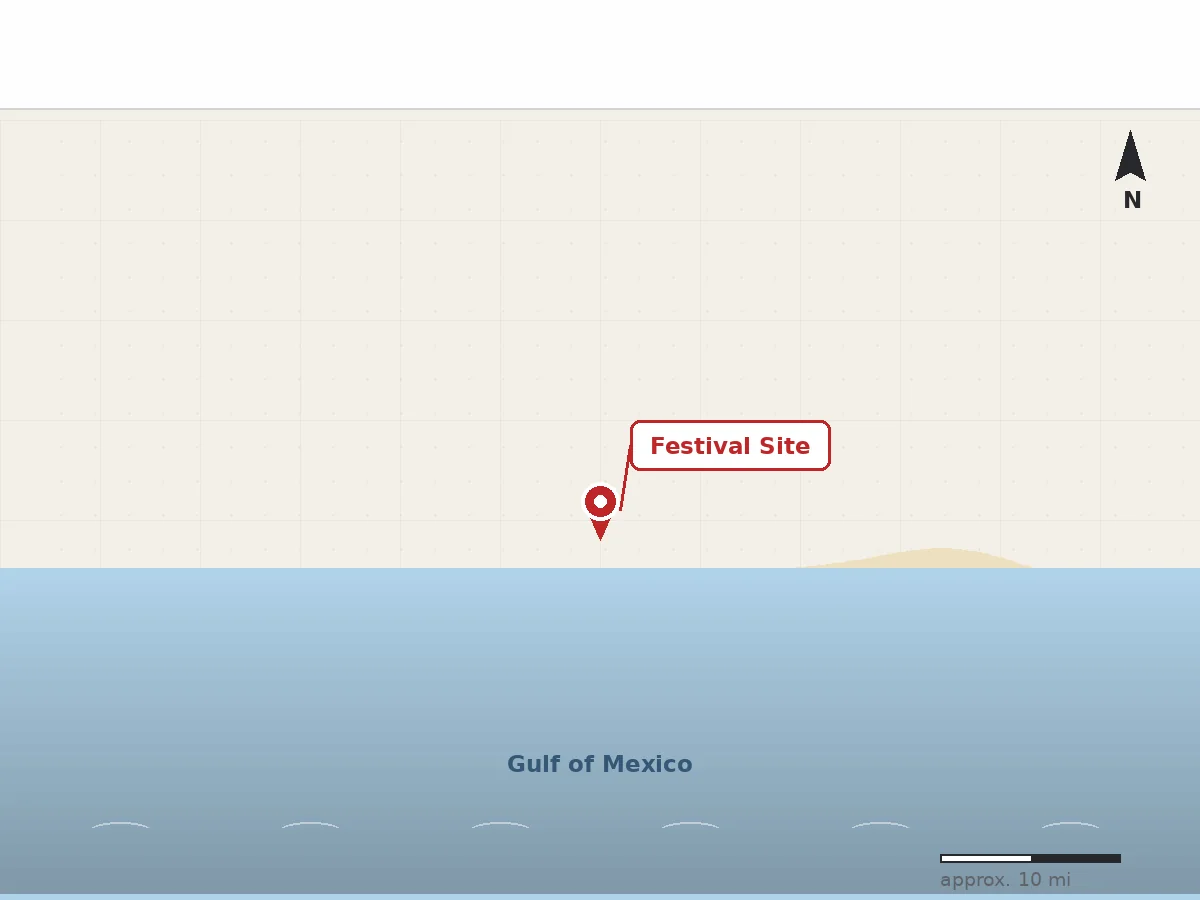
The Hancock County Fair takes place in the Hancock County area of northwest Kentucky, a short drive from the Ohio River.
Hancock County Fair Answers for First-Timers
When does the Hancock County Fair usually take place?
It is a summer fair, typically running for several days in July or August. Because dates shift from year to year, check with the fair’s local announcements before you plan a trip, and treat any weekend in that window as a possibility.
Is there an admission charge to get onto the grounds?
Admission is typically free, which is part of what makes the fair so easy to visit more than once in a week. Individual attractions — rides, some grandstand events, and certain activities — carry their own costs.
Is the fair a good fit for young children?
Yes. The livestock barns, exhibit halls, and early-evening midway hours suit young kids well, and the grounds are compact enough that you are never far from the car. Bring a stroller if you need one, but expect uneven ground near the animal barns.
How early should I arrive for the evening grandstand events?
Earlier than you think. Grandstand seating fills well before the main event on popular nights, and parking tightens in the hour beforehand. Arriving a couple of hours early gives you time to eat, ride, and still get a good seat.
The Next Chapter for the Hancock County Fair
The fair’s future looks a lot like its past: volunteer-driven, agriculture-centered, and dependent on local families continuing to show up with entries, animals, and time. The pressures are familiar ones for rural county fairs everywhere — rising costs, an aging volunteer base, and competition for a summer weekend.
What works in its favor is the thing that cannot be manufactured: a county small enough that the fair still functions as a reunion. As long as exhibitors keep entering and neighbors keep coming through the gate, the midway lights will keep coming on at dusk.
Last updated: October 2026
Go once and you will understand the rhythm. Go twice and you will start planning your summer around it — arriving early for the barns, eating before the crowds, and finding a seat in the grandstand while the light is still good. That is how a county fair in a place like Hancock County gets under your skin, and why so many people who leave eventually find their way back for one more evening on the midway.