Greenup County Kentucky Greenup County Fair Festival
The Greenup County Fair arrives in that thick, golden stretch of the year when northeastern Kentucky’s hills are at their greenest and the Ohio River bottoms shimmer through the afternoon. It is a county fair in the classic Kentucky mold — a midway, a show barn, a grandstand, and a crowd full of people who have been coming since they were tall enough to ride the bumper cars.
Greenup County is a place of small river towns and long ridges: 354 square miles of it, home to 35,962 people counted in the 2020 census, with its county seat at Greenup since the county was founded in 1803. The fair is one of the few times all of those communities — river towns, hill farms, and everything in between — end up in the same place at the same time.
Greenup County Fair Basics: Setting, Season, and What It Costs
| Town / place | The Greenup County area, northeastern Kentucky |
| County | Greenup County, Kentucky |
| County seat | Greenup |
| Population | 35,962 (2020 census) |
| County land area | 354 square miles |
| County founded | 1803 |
| Typical timing | Late summer, during Kentucky’s traditional county fair season |
| Admission | Gate admission is traditionally free in most years; rides, food, and some grandstand events are priced separately |
| Setting | Fairgrounds in a rural Ohio River county of wooded ridges, river bottoms, and small towns |
| Features | Livestock shows, youth exhibits, midway rides, tractor pulls, fair food, grandstand entertainment |
What Visitors Find at the Greenup County Fair
At its core, this is a working fair rather than a carnival that happens to have animals. The barns are the heart of it. Young exhibitors from across Greenup County spend months haltering, washing, and walking livestock in circles, and the payoff comes in the show ring, where ribbons are handed out and families crowd the rails with cameras. Exhibit halls fill up with canned goods, quilts, photography, garden vegetables, and school art — the kind of entries that make a county fair feel like a public scrapbook.
Around those barns and halls, the fairgrounds turn into a temporary village. Concession trailers line the main walk. The midway spins and flashes after dark. A grandstand anchors one end of the grounds, and the smell of fried dough, diesel, and sawdust drifts across the whole site by evening.
Because the fair is run by local volunteers and community organizations rather than a large commercial promoter, the atmosphere stays informal. Gate admission is traditionally free in most years, with money changing hands for rides, food, raffle tickets, and certain grandstand events. That model keeps the fair accessible to families and keeps the focus on the county rather than the box office.
It is also, unmistakably, a reunion. Teachers run into former students, farmers compare notes in the aisle between pens, and teenagers circulate the same loop a dozen times a night. For a county of 35,962 people spread across 354 square miles, that kind of overlap only happens a few times a year.
Roots That Reach Back to Greenup County’s Founding Era
Greenup County was established in 1803, carved out of the Ohio River country and named for a Kentucky governor of the era, with the town of Greenup designated as the county seat. Those early decades were built on river traffic, timber, and farmland — corn, tobacco, and livestock raised on the ridges and bottoms that still define the landscape.
Kentucky’s fair tradition grew out of that same agricultural world. In the 1800s, county agricultural societies organized exhibitions to spread better breeding practices and better farming methods, and the annual fair became the natural showcase. Livestock judging, produce displays, and friendly competition between neighbors were the original draw — long before Ferris wheels entered the picture.
Through the 1900s, the Greenup County Fair evolved alongside the county itself. Youth organizations brought structured livestock and home-economics projects into the fairgrounds, mechanization changed what a farm family could exhibit, and the midway and grandstand became part of the summer ritual. Permanent buildings replaced tents, and the fair settled into the rhythm it keeps today: a few days of noise and crowds, then a quiet fairgrounds until the next season.
A Walk Through the Fair: What to Expect in Greenup County
Fair Food That Keeps Greenup County Coming Back
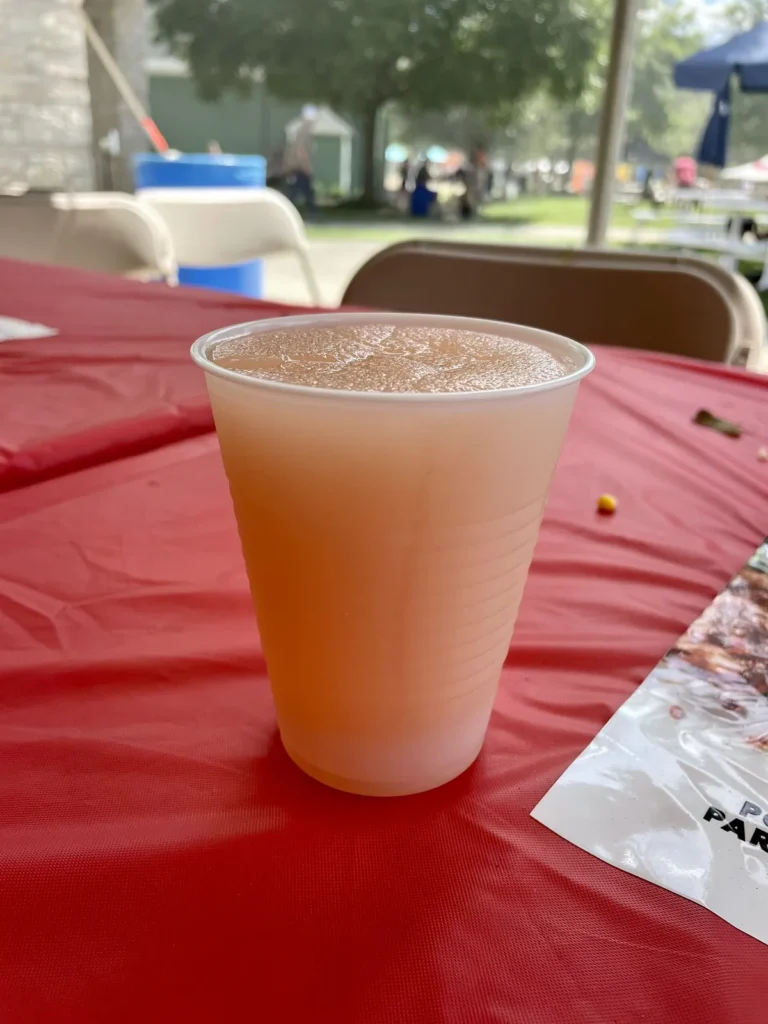
Fair food here is the familiar Kentucky lineup: funnel cakes dusted while you wait, corn dogs, hand-dipped lemonade, ribbon fries, cotton candy, and booth after booth run by churches, booster clubs, and civic groups. Local organizations often sell the best of it — pulled pork, chili, baked goods, and home-style plates that give the midway a run for its money. Bring cash and an appetite, and expect lines to bunch up right after the evening grandstand lets out.
Grandstand Nights: Music, Motors, and Local Talent
Evening programming usually leans on the things rural Kentucky crowds reliably turn out for: tractor pulls, demolition derbies, truck events, pageants, and live music from regional bands. Local and area performers often share the bill with touring acts, and the grandstand is where the loudest part of the night happens. Schedules shift from year to year, so it pays to check the fair’s lineup before you plan your evening around one specific event.
Family Activities from the Midway to the Show Barn
For families, the fair works as a full day rather than an hour. Younger kids gravitate to the kiddie rides, the petting areas, and the livestock barns, where animals are close enough to touch and exhibitors are usually happy to answer questions. Older kids claim the midway and the games. Parents get the exhibit halls, the shade under the trees, and a bench near the show ring. Many families come back on a second night because one pass never covers everything.
Planning Your Greenup County Fair Trip
Getting to the Greenup County Area
Greenup County sits in northeastern Kentucky along the Ohio River, with US 23 running the river corridor through the county and connecting the river towns with the wider Ashland–Huntington region to the east. Regional airports in the Huntington, West Virginia area and in Lexington serve travelers coming from farther out. Once you’re in the county, the fairgrounds are a straightforward drive from Greenup, Russell, Flatwoods, Raceland, Wurtland, and South Shore.
Where to Stay Near Greenup
Most out-of-town visitors base themselves in the motel corridor along US 23, where chain properties in and around the Russell and Flatwoods area put you within a short drive of the grounds. Greenbo Lake State Resort Park, in the western part of Greenup County, offers lodging and camping for travelers who would rather trade highway noise for lake quiet. Book early for fair week — this is a busy stretch of the summer calendar.
Parking Around the Fairgrounds
Fairgrounds parking is generally on-site or in adjacent grass lots, with volunteers directing traffic during peak hours. Arrive before the evening grandstand events if you want a short walk, and expect a slow crawl at closing time. Wear shoes you don’t mind getting dusty, and note where you parked — grass lots look alike after dark.
Admission and What a Fair Night Costs
Gate admission is traditionally free in most years, which makes the fair an easy outing for larger families. Budget for ride wristbands or individual tickets, food, games, and any ticketed grandstand shows. Bringing cash is wise, though many booths now take cards. Set a rough per-person budget before you walk in and the midway will be far less tempting.
Late-Summer Weather in Northeastern Kentucky
Expect warm, humid days and evenings that cool off nicely once the sun drops behind the ridges. Afternoon thunderstorms are a real possibility in late summer, so a light rain jacket and a dry place to wait out a shower are worth planning for. Sunscreen, water, and a hat make the daytime hours much more comfortable, especially around the barns and open midway.
A Sample Fair Weekend in Greenup County
Start your Saturday morning at the livestock barns, when the air is still cool and exhibitors are grooming animals for the day’s classes. Wander the exhibit hall next, then grab lunch from a church or booster booth before the afternoon heat settles in. Spend the hottest hours in the shade, at the show ring, or back at your hotel, then return in the evening for the midway, dinner, and the grandstand.
Sunday tends to run at an easier pace. Come for a late breakfast, catch the final rounds of judging and any awards presentations, and let the kids work through the rides one last time. Before you leave, walk the barns again — the last hours of a county fair have a quieter, end-of-summer feel that’s worth sticking around for.
How the Greenup County Fair Compares to Nearby Towns
Compared with Ashland and the broader Boyd County area to the east, Greenup County’s fair is smaller and more agricultural — fewer big-name grandstand bookings, more time spent around the show ring. Maysville, upriver to the west, leans on its historic riverfront and heritage events, which gives that area a different flavor of summer celebration. Portsmouth, Ohio, just across the river, offers its own river-town festival calendar. What sets the Greenup County Fair apart is its scale: it belongs to the county in a way larger regional events can’t quite replicate.
What to Bring to the Greenup County Fair
Pack for a long day outdoors: comfortable shoes, sunscreen, hats, refillable water bottles, and a light rain jacket for afternoon storms. Bring cash for booths and games, a tote for anything you buy in the exhibit hall, and a phone charger if you plan to stay through the evening.
If you have kids, add wipes, a change of clothes for the youngest, and a stroller that handles grass and gravel. If you’re showing livestock, bring your registration paperwork, feed and bedding, and a cooler for the long hours between classes. And check the fair’s schedule in advance so you know which night features the events you care about most.
Beyond the Midway: Greenup County and the Ohio River
The fair is a good excuse to see the rest of the county. Greenup, the county seat, sits on the Ohio River with a small downtown and riverfront that rewards a slow drive. Greenbo Lake State Resort Park, west of the river towns, offers hiking, fishing, and a lake setting that feels far removed from the midway. The Greenup Locks and Dam on the Ohio River is a working piece of river infrastructure that’s genuinely interesting to watch.
Between the river towns and the rural backroads, Greenup County is at its best in late summer — fields full, gardens producing, and the hills holding their deepest green. Give yourself an extra afternoon to drive the county rather than treating the fair as a single-stop trip.
Why the Fair Still Matters in Greenup County
In a county of 35,962 people spread across 354 square miles, shared gatherings are not automatic. The fair gives farm families, river-town residents, and everyone else a common meeting ground, and it hands young exhibitors a stage that school and sports don’t provide. It also keeps practical knowledge alive — how to raise an animal, how to preserve a garden’s harvest, how to compete and lose gracefully.
Just as importantly, the fair is a local economy in miniature. Booths run by churches and civic groups raise money that goes straight back into Greenup County, and every funnel cake sold keeps a small organization going for another year.
Where the Greenup County Fairgrounds Sit
The fairgrounds lie within the Greenup County area in northeastern Kentucky, near the county seat of Greenup on the Ohio River.
Answers for First-Time Greenup County Fair Visitors
When does the Greenup County Fair usually take place?
It is held in late summer in most years, during Kentucky’s traditional county fair season. Because exact dates shift annually, check the fair’s current schedule before you plan travel or request time off.
Do you have to pay to get into the fair?
Gate admission is traditionally free in most years. Individual costs apply to rides, food, games, and certain grandstand events, so plan a budget for those rather than for entry.
Is the fair a good outing for young children?
Yes. Kiddie rides, livestock barns, and hands-on exhibits make it a strong family outing. Bring a stroller that can handle grass and gravel, and plan around the hottest part of the afternoon.
What should I see if I only have one evening?
Walk the barns and exhibit hall first, while there’s still daylight, then eat your way down the concession row before settling in at the grandstand for the night’s main event. Finish with a loop of the midway after dark.
The Greenup County Fair’s Next Chapter
County fairs everywhere are navigating the same questions: how to keep young families coming, how to fund aging buildings, and how to stay relevant when entertainment is available on a phone. Greenup County’s fair has an advantage in that it remains genuinely local — organized by volunteers, supported by community groups, and rooted in youth agriculture that still matters to farm families across the county.
The likeliest path forward is a familiar one: keep the livestock shows and exhibits at the center, modernize the midway and grandstand offerings gradually, and lean harder on the free-gate, family-friendly model that has kept the fair accessible for generations. As long as the barns fill and the booths sell out, the fair will keep its place on the late-summer calendar.
Last updated: October 2026
For a county founded in 1803 and still defined by its farms, its river towns, and its ridgelines, the Greenup County Fair is less an event than an annual checkpoint — a few nights when everyone shows up, the show ring lights come on, and northeastern Kentucky’s summer ends the way it always has.