Garrett County Maryland Agriculture Fair Festival

Garrett County occupies the far western edge of Maryland, a 656-square-mile stretch of ridgelines, farm valleys, and small towns where the county fair still matters. The Garrett County Agriculture Fair is the annual occasion when that rural identity takes center stage: livestock in the barns, preserves and pies on the tables, and neighbors trading news between the exhibit hall and the midway.
If you have never attended, the fair can feel like an insider’s event. Everyone else seems to know which barn to visit first and where to park. This first-timer’s orientation fixes that. What follows is what the fair actually is, how it fits into Garrett County’s story, what a day on the grounds looks like, and how to plan around mountain weather, long drives, and the rhythms of a county that is home to 28,806 people.
Orientation Table: The Fair, the County, and the Basics
| Town / area | The Garrett County area, served by the county seat at Oakland |
| County | Garrett County, Maryland |
| County seat | Oakland |
| County population | 28,806 |
| County land area | 656 square miles |
| County founded | November 4, 1872 |
| Region | Western Maryland, in the Allegheny Mountains |
| Typical timing | Late summer in most years, running across several consecutive days |
| Admission | Typically free to enter; individual vendors, rides, and activities set their own prices |
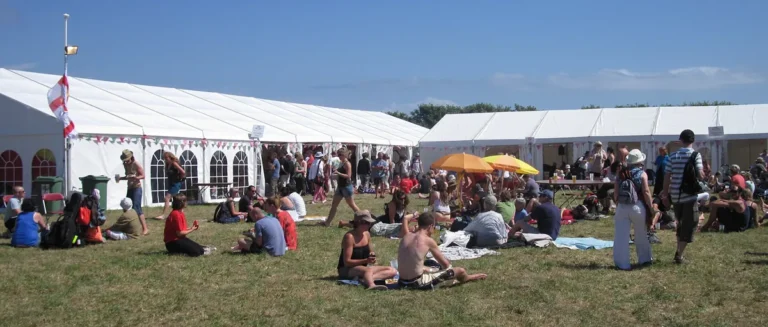
| Setting | Rural fairgrounds with barns, exhibit halls, and an open-air midway |
What the Garrett County Agriculture Fair Really Is
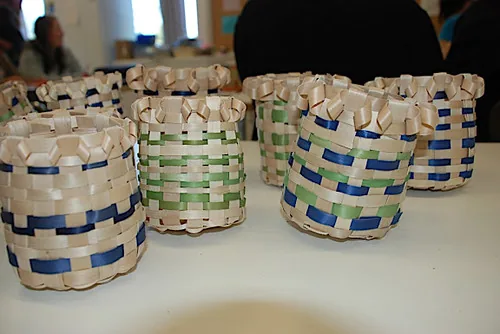
Strip away the carnival lights and the fair is an agricultural exhibition first. In a typical year the barns fill with cattle, sheep, goats, swine, and poultry, while the exhibit halls display what local households have grown, baked, canned, stitched, and photographed over the previous season. Judging happens throughout the day, which means ribbons appear on pens and tables as the hours pass — a small detail that gives the whole grounds a sense of ongoing competition rather than a static display.
Youth exhibitors are central to the event. Young people raise and show animals, submit garden produce, and enter craft and baking categories, which is why the fair feels less like a spectator sport and more like a countywide project. Around the edges of all this you get the familiar fair furniture: food trailers, games, rides, vendor booths, and a grandstand. The combination is what makes a first visit so full — you can spend an hour in a quiet barn and the next twenty minutes in a noisy midway without ever leaving the grounds.

A County Founded in 1872 and the Fair That Followed
Garrett County was founded on November 4, 1872, carved out of the western portion of Allegany County and named for a railroad executive whose line had opened up this high, remote plateau. Oakland became the county seat, and the new county’s economy rested almost entirely on the land — hay, corn, potatoes, livestock, and timber on a plateau where the growing season runs shorter than it does in the rest of Maryland.
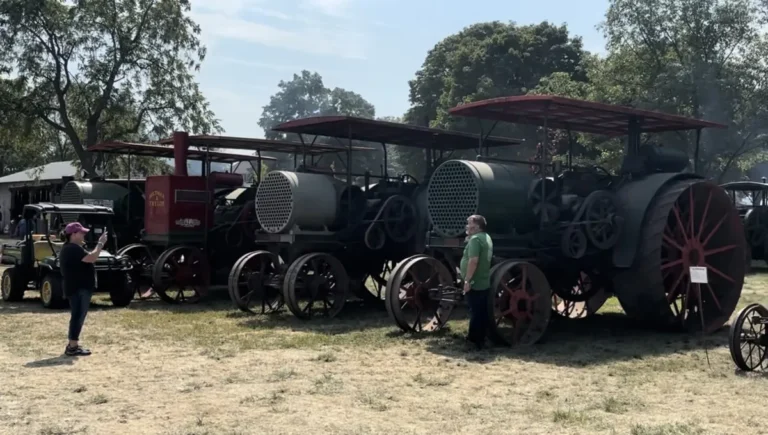
The fair grew out of the same late-nineteenth-century enthusiasm for agricultural societies that produced county fairs across Appalachia and the Mid-Atlantic. For isolated farm families spread across 656 square miles, a fair was not entertainment so much as infrastructure: the one week when breeding stock could be compared, new implements examined, and news exchanged face to face.
Over the decades the event settled into permanent fairgrounds with barns, exhibit halls, and a grandstand, and its programming broadened. Livestock and crops remained the spine, but home arts, youth organizations, commercial vendors, and evening entertainment were added as farming itself changed. Today Garrett County remains one of the most rural counties in Maryland, and the fair still reflects that: an agricultural show with a carnival wrapped around it, rather than the reverse.
What a Day on the Garrett County Fairgrounds Looks Like
Fair Food and the Local Kitchen Table
Food at the fair splits into two traditions. There is the midway menu — funnel cakes, fries, smoked meats, lemonade, ice cream — and there is the exhibit-hall menu, which is where the county’s actual cooking shows up: canned vegetables, jams and jellies, breads, cakes, and pies entered for judging and displayed behind glass. Eat your way through the first and study the second. If you are travelling with someone who grew up in the county, expect a running commentary on whose pie recipe is being unfairly overlooked.
Grandstand Entertainment and Live Music
Evenings bring the crowds to the grandstand and the open stages. Programming varies from year to year and often leans on local and regional acts — country, bluegrass, and rock cover bands — alongside demonstrations and contests that fill the hours between the afternoon shows and the closing of the midway. Because schedules shift annually, the practical move is to pick up a printed program or check the fair’s listings when you arrive, then build your day around whichever slot appeals.
Family Activities, Animals, and Kid-Friendly Stops
This is an easy fair to bring children to. The animal barns are the obvious draw, and most exhibitors are happy to answer questions about a heifer or a pen of rabbits. Rides, games, and craft or agricultural activity areas keep younger visitors occupied, and the grounds are flat enough that strollers work without much struggle. Plan on a slower pace than you would keep at a large state fair — the distances are shorter, the lines are shorter, and there is room to let kids wander a little.
Planning Your Trip to the Garrett County Area
Getting There from the Baltimore–Washington Corridor
Garrett County is the far end of Maryland, which means the drive is the first thing to plan. Interstate 68 runs east–west through the county and connects toward Cumberland and the I-70 corridor, while US 219 works north–south through the Oakland area. From Baltimore or Washington the trip runs well over three hours in normal conditions, longer on a summer Friday. Coming from Pittsburgh or Morgantown is considerably quicker. Fuel up before you get close; services thin out as you climb.
Where to Stay Near Oakland and Deep Creek Lake
Lodging clusters around Oakland and the Deep Creek Lake area, roughly a short drive from the fairgrounds, with a mix of motels, inns, rental cabins, and campgrounds. Fair week overlaps with peak summer demand at the lake, so book early rather than assuming you will find something on the day. If the lake is full, look at smaller communities along US 219 and I-68; the county is large, but nothing is more than a scenic drive away.
Parking and Arriving at the Right Time
Expect field parking with attendants directing traffic, and expect the closest spaces to fill by mid-afternoon. Arriving in the late morning gets you easy parking and cooler barns; arriving after dinner gets you the grandstand atmosphere and the lit-up midway. Grass lots can be soft after rain, so avoid parking on low ground if you have a two-wheel-drive car.
Admission, Costs, and What Cash Buys
Entry to the fair is typically free, with costs coming from rides, games, food, and vendor purchases rather than a gate fee. That means your budget depends on how much midway time you allow. Bring some cash even if most vendors take cards — small stands and 4-H booths are often cash-first, and an ATM on the grounds is not something to count on.
Mountain Weather and What to Wear
Garrett County sits high enough that its weather behaves differently from the rest of Maryland. Late-summer afternoons can be warm, but evenings cool down noticeably once the sun drops behind the ridges, and thunderstorms build quickly in the mountains. Wear comfortable shoes for gravel and grass, layer a light jacket or fleece for the evening, and keep a rain shell in the car. Mud is a real possibility after a wet stretch.
A Sample Fair Weekend for First-Timers
Friday afternoon. Arrive early enough to park easily, then walk the barns while the animals are still fresh and the crowds are light. Spend the first hour on livestock and poultry, then move into the exhibit halls to see the baking, canning, and craft entries before the ribbons are fully settled.
Friday evening. Eat at the midway, catch whatever is happening at the grandstand, and save the rides for after dark when the grounds look their best. Leave before the final rush to avoid the parking-lot crawl.
Saturday morning. Come back for the parts you missed: youth shows, demonstrations, and the vendor rows you skipped. Saturday is the busiest day, so front-load the animal barns before noon. After lunch, take a break from the grounds entirely — a drive to the lake or a state park nearby resets everyone’s patience.
Saturday evening. Return for the entertainment, a last pass through the food trailers, and the quieter corners of the fairgrounds once the midway empties out. If you have a Sunday in the county, use it for scenery rather than the fair.
Nearby Fairs and Towns Worth Weighing
Garrett County’s fair sits within a regional circuit of agricultural celebrations, and comparing them helps set expectations. East along I-68, the Allegany County Fair in Cumberland is a larger, more urban-adjacent event with a longer midway. North into Pennsylvania, the Somerset County Fair near Meyersdale draws on a similar mountain-farming base. West into West Virginia, the Preston County Buckwheat Festival in Kingwood is a heritage-focused autumn celebration built around a single crop rather than a broad agricultural exhibition.
Among local towns, Oakland is the county seat and the natural base for a fair visit, with the most services and lodging. Grantsville and Accident offer quieter alternatives within the same county, and Deep Creek Lake is the choice if you want your trip to double as a vacation. If your priority is the fair itself rather than the surrounding scenery, staying close to Oakland keeps your driving to a minimum.
A First-Timer’s Checklist for the Garrett County Fair
Before you leave: confirm the current year’s dates and hours through the fair’s own listings; book lodging early if you are staying overnight; download or screenshot a map, since cell coverage in the mountains can be patchy; pack a light rain jacket, a warm layer for the evening, and closed-toe shoes; bring cash in small bills; charge a power bank for your phone; and decide in advance whether you are doing the midway or the barns first. If you are travelling with children, set a meeting point near the entrance in case anyone gets separated in the crowd.
Beyond the Fairgrounds: Oakland and the Rest of Garrett County
A fair trip is worth extending. Oakland has a compact historic downtown with brick storefronts, local restaurants, and a walkable scale that makes an hour between fair sessions worthwhile. Deep Creek Lake, a short drive away, offers boating, swimming, and lakeside dining throughout the warm months. Swallow Falls State Park, with its rocky gorge and hemlock forest, is one of the county’s signature natural attractions and pairs naturally with a fair weekend.
Further afield, the Casselman River Bridge area near Grantsville and the artisan studios of the Spruce Forest area give you a taste of the county’s craft and transportation history. None of this requires a long detour — Garrett County’s 656 square miles are rural, but they are also connected, and a fair visit slots neatly into a broader mountain weekend.
Why the Fair Still Anchors Garrett County’s Year
With a population of 28,806 spread across a large, sparsely settled county, Garrett County does not have many occasions that gather everyone in one place. The fair is one of them. It is where farm families, seasonal residents, and visitors from across the region end up in the same barn aisle, and where the work of a growing season gets publicly recognized with a ribbon.
That function matters more, not less, as agriculture changes. The fair keeps a working connection between the county’s rural identity and the people who live in it, and it gives young exhibitors a reason to learn skills that are not taught anywhere else. For a first-time visitor, understanding that is what turns a pleasant afternoon into something worth returning for.
Where the Fairgrounds Sit in Garrett County
The fairgrounds are located in the Garrett County area near Oakland, the county seat, and are most easily reached via the I-68 and US 219 corridors that cross western Maryland.
First-Timer Questions About the Garrett County Agriculture Fair
Do I need to buy tickets in advance?
In most years entry is free, so there is nothing to buy ahead of time. What you will pay for — rides, games, food, and vendor goods — is handled on the grounds. Check the fair’s current listings before you go, since arrangements can change from one season to the next.
Is the fair a good fit for young children and strollers?
Yes. The grounds are relatively compact and mostly flat, with gravel and grass surfaces that strollers handle well. The animal barns, rides, and activity areas are the main draws for kids, and daytime hours are calmer than the evening rush. Bring sun protection for the open midway.
What happens if it rains during the fair?
Mountain showers are common in late summer, and short delays are normal. Exhibit halls and barns provide cover, and many events continue in light rain. Heavy storms can pause rides and outdoor entertainment, so keep an eye on the sky and be flexible with your timing rather than planning a single fixed schedule.
Can I bring my dog to the fairgrounds?
Leave pets at home unless you have confirmed otherwise. Fairs with large-animal exhibits generally restrict dogs for the safety of the animals and other visitors. Service animals are a separate matter and are normally accommodated — check with the fair before you arrive if you have questions.
Looking Ahead: Future Fair Seasons in Garrett County
The fair’s future looks much like its present: a late-summer gathering that balances livestock shows and home-arts exhibits with rides, food, and evening entertainment. As the county’s farm economy evolves, expect the agricultural side to keep adapting — more diversified exhibits, continued youth participation, and programming that reflects what people in Garrett County actually grow and raise. For visitors, that means the fair remains a genuine window into the county rather than a nostalgia act.
If you are planning a first trip, aim for the middle of the fair’s run rather than the opening or closing day. You will get the fullest version of the event: animals in the barns, ribbons on the tables, and the whole county turned out. Last updated: October 2026
Come for the animals and the pie tables, stay for the evening lights over the midway, and leave with a clearer picture of what a mountain county in western Maryland is actually like. The Garrett County Agriculture Fair rewards the visitor who slows down, asks questions in the barns, and treats the drive to Oakland as part of the experience rather than an obstacle to it.