Frederick County Maryland The Great Frederick Fair Festival
Frederick, the county seat of Frederick County, Maryland, is a walking town of brick sidewalks, church spires, and a main street that has served as the commercial spine of this part of western Maryland since the eighteenth century. Farmers from the surrounding 667 square miles of limestone valleys and rolling hills came into Frederick to trade, to settle accounts, and — every autumn — to show what their fields and barns had produced.
That autumn habit never faded. The Great Frederick Fair grew directly out of those yearly gatherings and still anchors the county’s calendar, drawing families from a county of 271,717 residents and from well beyond its borders. This is not a revival or a themed reenactment. It is the same continuous agricultural tradition, retuned for a modern crowd and held each September on the fairgrounds in Frederick.
The Great Frederick Fair: Key Facts for Frederick County Visitors
| Town / place | The Frederick County area, centered on the county seat of Frederick |
| County | Frederick County, Maryland |
| County seat | Frederick |
| County population | 271,717 |
| Region | Western Maryland |
| Typical timing | September, in most years |
| Admission | Ticketed gate entry; advance and multi-day passes are commonly offered |
| Setting | An established fairgrounds in Frederick, ringed by farmland and the county’s rolling countryside |
| Signature features | Livestock barns and agricultural exhibits, a carnival midway, grandstand entertainment, fair food |
| Organizer | The fair’s local agricultural association, which has stewarded the event for generations |
The Fair in the Life of Frederick County
The Great Frederick Fair is the largest recurring gathering in Frederick County — a multi-day event that converts its fairgrounds into a temporary town of barns, grandstands, exhibition halls, food rows, and ride lots. Because it sits in Frederick, the county seat, it pulls from both the city’s neighborhoods and the small towns and farm roads that spread across the county.
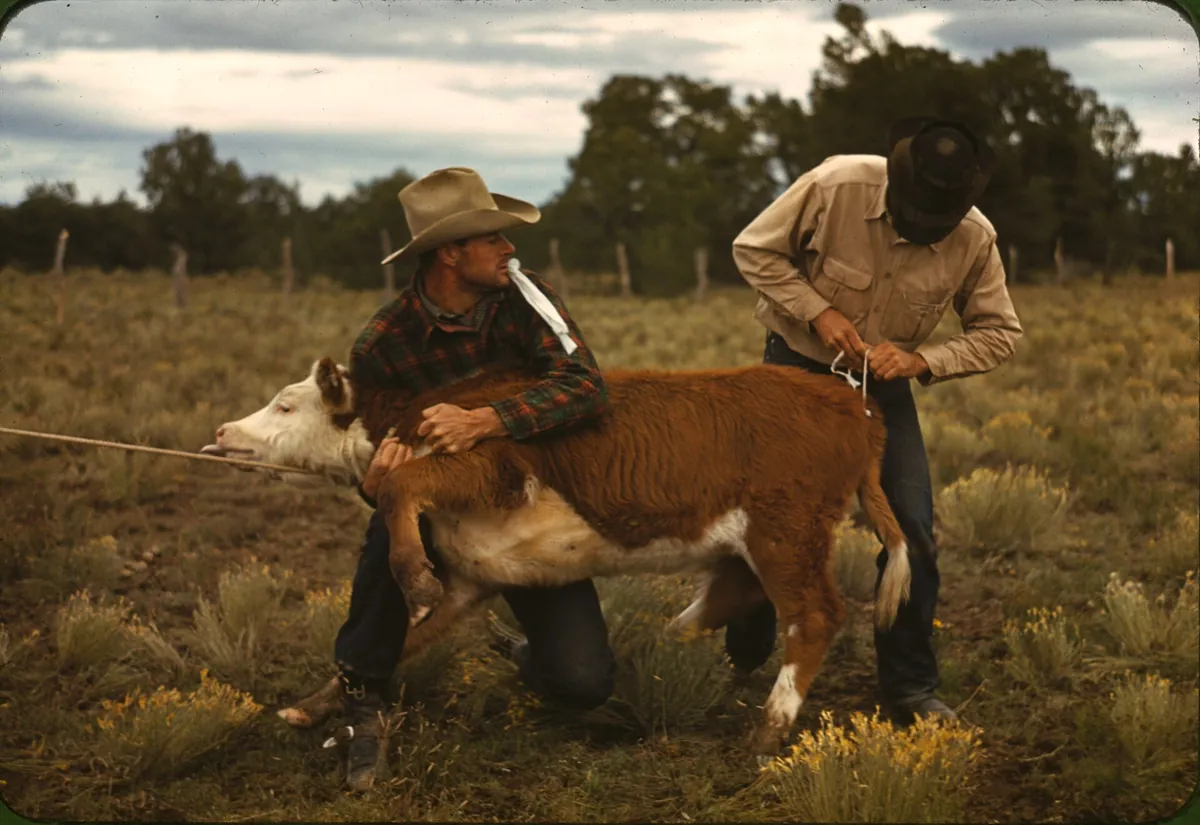
Agriculture remains the spine of the program. Cattle, dairy animals, sheep, goats, swine, and poultry are shown and judged; produce, flowers, baked goods, canned goods, quilts, and photography fill the exhibition buildings. Youth agricultural projects take up a large share of the schedule, and many families here have been entering the same categories for three or four generations.
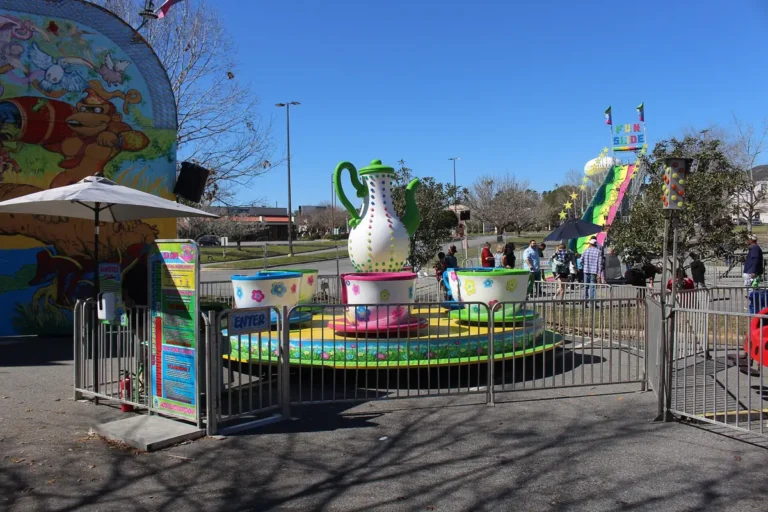
Around that core sits everything else a modern fair needs: carnival rides, grandstand shows, tractor pulls, harness racing, commercial vendors, and food stands run by churches, fire companies, and service clubs. The result is part county fair, part civic reunion.
From an Early-1800s Farm Show to a County Institution
The fair’s roots reach back to the early 1820s, when agricultural societies across Maryland began staging annual exhibitions so farmers could compare crops, bloodlines, and implements. Frederick County’s version took hold quickly and became one of the oldest continuously running fairs in the state, a distinction that still shapes how the event presents itself — proudly agricultural first, entertainment second.
Through the nineteenth century the fair added the pieces that made it a regional attraction: exhibition halls, a grandstand, and harness racing, which has long been part of the program. Rail connections into Frederick made it easier for visitors from Baltimore and Washington to attend, and the fair became a place where rural and urban Maryland met.
The twentieth century brought a different county. Frederick County shifted from a farm economy to one tied to Washington and Baltimore, and the fair adapted — more rides, more concerts, more concessions — while keeping the livestock barns at its center. The grounds themselves stayed in Frederick, which is one reason the event still feels tied to the town rather than parked at its edge.
What has not changed is the rhythm. Each September the barns fill, the judging starts, the midway lights come on, and the county shows up.
A Day Inside the Great Frederick Fair
A fair this old has a rhythm, and first-time visitors do best by following it. Mornings belong to the barns and exhibition halls, afternoons to the midway and the grandstand, and evenings to food, music, and the glow of the ride lights.
Food: Pit Beef, Funnel Cake, and Farm-Stand Favorites
Fair food here runs on Maryland and Mid-Atlantic staples: pit beef sandwiches, crab cakes, hand-cut fries, funnel cake, ice cream, kettle corn, and lemonade by the gallon. Local church and civic groups often run the stands, which means some of the best food on the grounds is also a fundraiser. Expect long lines at peak dinner hours and shorter ones mid-afternoon. Vegetarian options have widened in recent years, and the agricultural exhibits sometimes include a dairy or produce stand worth seeking out.
Grandstand Music, Motor Sports, and Midway Entertainment
Grandstand programming typically mixes live music, demolition derbies, tractor and truck pulls, and harness racing, with ticketed shows sitting alongside events included with gate admission. The carnival midway runs continuously and is brightest after dark. Because the lineup rotates from year to year, check the current season’s schedule before deciding which evening to attend.
Family Activities, Youth Exhibits, and the Barns
Families tend to build the day around the barns, where children can meet cattle, goats, sheep, and poultry up close, and around the youth exhibition halls, where local students display everything from woodworking to photography. Many fairs set aside a specific morning or day for young children’s activities, and stroller traffic is heaviest on weekend afternoons. If you have small children, an early arrival makes the animal barns far more enjoyable.
Planning a September Visit to Frederick County
Frederick County is easy to reach and easy to navigate, but a fair this size rewards a little forethought.
Getting to Frederick and the Fairgrounds
Frederick sits along the Interstate 70 and Interstate 270 corridors, roughly an hour from Baltimore and Washington in normal traffic, with US-15 and US-40 providing additional approaches. The fairgrounds are within the city, so most visitors arrive by car, though rideshare drop-offs work well if you would rather skip parking entirely. On weekends, traffic thickens noticeably in the late afternoon.
Where to Stay in and Around Frederick
Downtown Frederick has boutique inns and historic hotels within walking distance of restaurants and shops, while the corridors along I-70 and US-15 hold the larger chain properties. Because the fair lands in a busy September event season, book well ahead if you want to stay downtown. Campers sometimes base themselves at nearby state parks and private campgrounds in the county.
Parking and Arrival Timing
Fairground parking fills from mid-afternoon onward on weekends. Arriving before lunch is the single best move if you want a short walk and a relaxed start in the barns. If you come later, expect to queue, and consider a rideshare or a gate drop-off rather than circling the lots.
Admission and On-Site Costs
Gate admission is ticketed, with reduced rates for children and multi-day passes commonly offered; buying ahead usually shortens the entry line. Inside the grounds, rides, some grandstand shows, and food are separate costs, so set a rough budget per person before you go. Cash is still sensible for small vendors and fundraisers, though card acceptance has widened.
September Weather and What to Wear
September in Frederick County swings between warm afternoons and cool evenings, and the fairgrounds involve a lot of walking on gravel, grass, and pavement. Comfortable shoes, a light layer for after dark, sunscreen, and a refillable water bottle cover most situations. Rain is possible, but the barns, halls, and grandstand offer cover when a shower passes through.
A Sample Fair Weekend in Frederick County
Friday afternoon. Arrive before the dinner rush, walk the exhibition halls while they are quiet, then move to the barns as animals are readied for evening judging. Eat early — pit beef or a church-stand dinner — and finish on the midway after dark, when the lights and the crowds are at their best.
Saturday. This is the big day, so start early. Watch morning livestock judging, catch a grandstand event in the afternoon, and let children work through the youth exhibits and the small-animal barn. Break the middle of the day with a sit-down meal and a shaded bench; the fair is a marathon, not a sprint. Evening grandstand entertainment is the natural finish.
Sunday. Come for the quieter hours, revisit favorite barns, and spend time in the commercial and agricultural buildings that get skipped on busy days. If you have time left, drive into downtown Frederick for a late lunch on Market Street before heading home. Many visitors treat Sunday as the day for buying — preserves, crafts, and produce from exhibitors and vendors.
The Great Frederick Fair Alongside Nearby Celebrations
Frederick County’s fair sits in a crowded regional calendar. The Maryland State Fair in Timonium is larger and more urban, with a heavy concert schedule and a strong Baltimore County identity; the Carroll County fair in Westminster keeps a similar agricultural focus in a more compact setting; and the Washington County fair in Hagerstown draws from the western Maryland corridor. Compared with all three, the Great Frederick Fair leans harder into its own county’s identity — its exhibitors, its youth programs, its local food stands — and it benefits from being attached to a county seat with a genuinely walkable downtown.
Within Frederick itself, the fair is one of several seasonal anchors, sitting alongside summer street festivals and autumn events downtown. Visitors who come for the fair often find that the town turns out to be the second attraction.
A Fair-Day Checklist for Frederick County Visitors
Before you leave: confirm the season’s dates and gate hours, buy admission in advance if that option is available, check the grandstand schedule for the day you plan to attend, and reserve lodging if you are staying overnight. Pack comfortable shoes, a light jacket, sunscreen, a water bottle, and a tote for anything you buy.
At the grounds: pick one meeting point in case your group separates, carry a downloaded or paper map of the grounds, note where you parked, and plan meals slightly off-peak. Bring a little cash for small vendors, and keep an eye on the clock if you want a seat at the grandstand.
Beyond the Fairgrounds: Frederick County the Rest of the Year
Frederick County rewards a longer stay. Downtown Frederick’s Market Street and Carroll Creek district are dense with independent restaurants, breweries, and shops housed in restored brick. South of town, Monocacy National Battlefield preserves the ground of a Civil War engagement, while Catoctin Mountain Park and Cunningham Falls offer hiking and overlooks to the north and west.
Orchards, farm markets, and wineries dot the county’s rural roads, and the covered bridges in the northern part of the county make an easy half-day drive. In autumn, after the fair packs up, those same farm roads turn into leaf-peeping routes. For families, the county’s parks and the C&O Canal corridor along the Potomac add options for a second day.
Why the Great Frederick Fair Still Anchors Frederick County
For a county of 271,717 people spread across 667 square miles, the fair is one of the few events that pulls every part of the community into one place. It connects the county’s farming present — still real, despite steady commuter growth — with its suburban and urban residents, and it does so through something as simple as a judging ring and a table of baked goods.
The fair also works as a civic and economic engine: it supports scholarships and youth programs, gives local businesses a market, and gives volunteers from churches, fire companies, and clubs a reason to work side by side. That is why generations of Frederick County families treat September as a fixed point on the calendar.
The Fair’s Place on the Frederick County Map
The Great Frederick Fair takes place at the fairgrounds in Frederick, the county seat of Frederick County, Maryland.
Answers for First-Time Fairgoers in Frederick County
When does the Great Frederick Fair usually take place?
In most years the fair runs for several days in September, generally in the middle or later part of the month, with weekend days drawing the largest crowds. Confirm the current season’s schedule before you plan travel or book a room.
Do I need to buy admission in advance?
Gate admission is ticketed. Advance purchase and multi-day passes are typically available and usually save both time at the entrance and money overall, but walk-up admission is normally an option as well.
Is the fair a good fit for young children?
Yes. The animal barns, youth exhibits, and midway are the main draws for families, and mornings are calmer and cooler than weekend afternoons. Strollers handle most of the grounds, though gravel and grass sections can be bumpy.
How much of the fair is actually about agriculture?
More than first-time visitors expect. Livestock shows, produce and flower exhibits, baking and canning competitions, and youth projects fill the barns and halls throughout the run, and many of the people showing animals are county residents.
Looking Ahead for the Great Frederick Fair
The fair’s future looks much like its past: an agricultural exhibition that keeps finding new reasons for a modern county to show up. Expect continued investment in the fairgrounds, more family programming, and a schedule that balances livestock and youth exhibits with concerts, motor sports, and rides. As Frederick County grows, the fair’s role as a shared meeting point becomes more valuable, not less.
Last updated: October 2026
Whether you come for the cattle barns, the grandstand, or a pit beef sandwich eaten standing up, the Great Frederick Fair remains the most Frederick County thing you can do in September — a two-century habit the county has never seen a reason to break.