Franklin Parish Louisiana Franklin Parish Fair Festival
The Fontenots are out the door before the dew has burned off the pasture. Marcus drives, Danielle holds the thermos, and nine-year-old Beau and six-year-old Sylvie are already arguing about which ride comes first. Grandma Loretta rides up front and narrates the fields as they go — cotton on one side of the road, soybeans on the other, the flat green reach of Franklin Parish sliding past toward Winnsboro.
By mid-morning they are through the gate, where the smell of fry oil and livestock pens arrives at the same moment. This is the rhythm of the Franklin Parish Fair, the annual gathering that pulls together a parish of 19,774 people spread across 635 square miles. For the Fontenots it is not a one-off outing. It is a fixed point on the calendar, the few days each year when half the parish seems to be standing in the same gravel lot, greeting each other by name.
Franklin Parish Fair Basics: Winnsboro, Louisiana
The essentials, before the Fontenots get any further into their day.
| Town / place | Winnsboro and the surrounding Franklin Parish area |
| County | Franklin Parish, Louisiana |
| County seat | Winnsboro |
| Population | 19,774 (parish-wide) |
| Region | Northeast Louisiana |
| Typical timing | Autumn, usually October |
| Admission | Generally free to enter; rides, food, and games cost extra |
| Setting | Fairgrounds in the Winnsboro area, ringed by farmland and small communities |
| Features | Livestock shows, exhibit halls, carnival midway, fair food, live entertainment |
| Organizer | Local volunteer committees and parish civic groups |
What the Franklin Parish Fair Is to a Parish of 19,774
The Franklin Parish Fair is the parish’s homegrown fair, held in the Franklin Parish area with Winnsboro — the parish seat — as its anchor. Franklin Parish was founded in 1843 and named for Benjamin Franklin, and much of its 635 square miles is still farmland, piney woods, and small communities strung along two-lane highways. The fair is the one event on the calendar that gathers all of it in one place.
Entry to the grounds is generally free in most years, which matters in a parish this size: families can come for an hour or stay from open to close without a gate fee pressing on the decision. Money changes hands inside — at the fry trailers, the ride ticket booth, the game booths, the exhibit hall concession stand — but the fair itself is built to be walked into. Livestock shows, community exhibits, a carnival midway, and live entertainment fill the schedule, and the whole thing runs on volunteer hours from people who live within a short drive of the grounds.
From Harvest Gatherings to Fairgrounds: A Franklin Parish History
Franklin Parish was carved out of northeast Louisiana in 1843 and named for Benjamin Franklin, and its early life ran on cotton, corn, and the trade that fed Winnsboro as the parish seat. Parish fairs in this part of Louisiana grew out of exactly that world: harvest gatherings where farmers compared crops, cooks entered preserves and needlework, and children showed animals they had raised from spring.
Over the decades the Franklin Parish Fair took on the shape most Louisiana parish fairs still carry — an exhibit hall at the center, a livestock barn beside it, a midway that grew louder as the years went on, and a stage for local musicians. Some years brought bigger crowds than others; weather, crops, and economics all had a vote. But the fair kept returning, because the parish kept needing a place to put its year on display: the best tomatoes, the prize heifer, the quilt, the canned figs, the ribbon a kid carries home like a trophy.
What a Day at the Franklin Parish Fairgrounds Feels Like
Fair Food: Fry Trailers, Funnels, and Parish Favorites
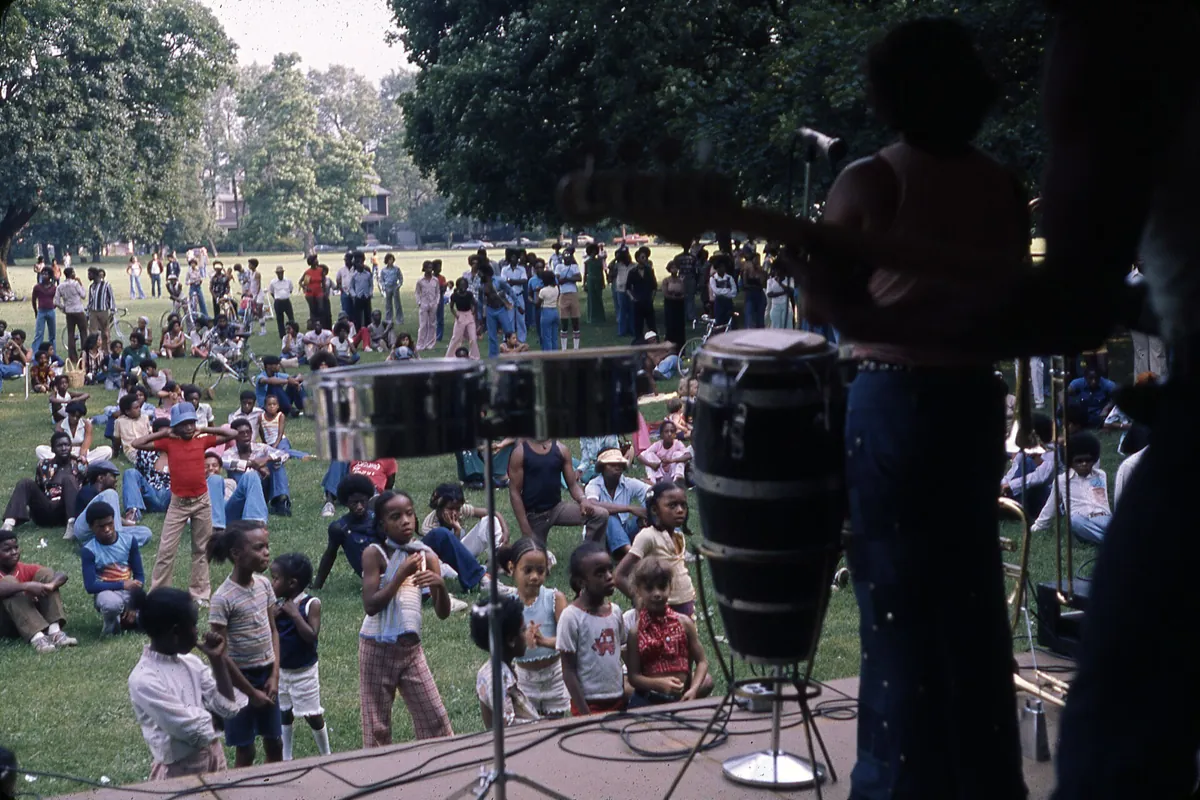
Food is the first thing most families negotiate. Fry trailers line the midway with corn dogs, curly fries, funnel cakes, and onion blossoms, while church groups and civic booths serve the food that actually tastes like home — jambalaya, gumbo, sausage po’boys, red beans, and plate lunches that sell out before the evening crowd arrives. Grandma Loretta’s rule, repeated every year, is to eat something fried early and something homemade later. Sweet tea and lemonade are everywhere; the kids will ask for something bright blue and you will probably say yes.
Music, Rides, and the Evening Crowd
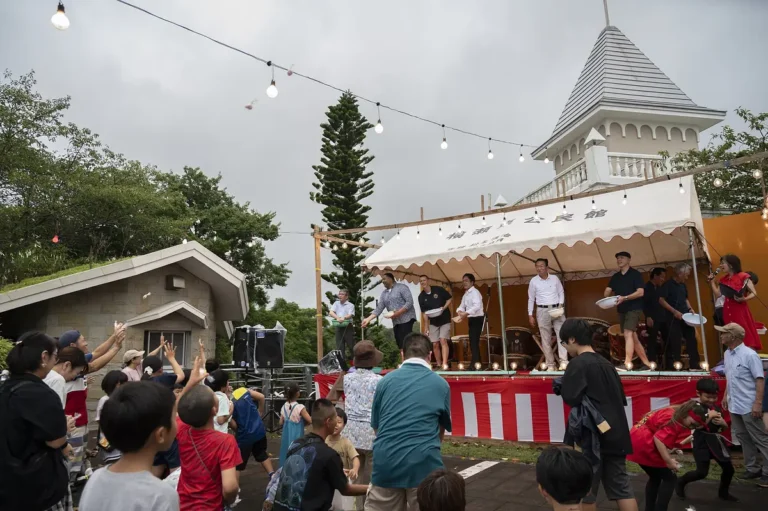
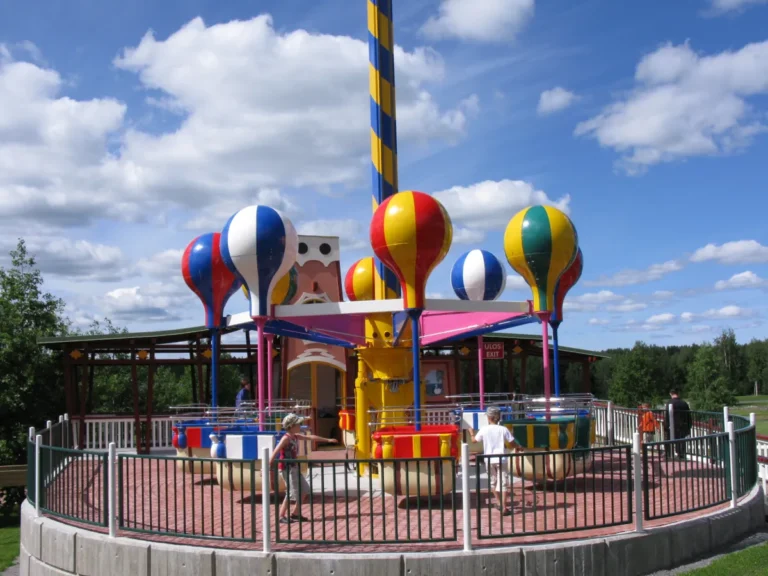
Live entertainment usually runs in the evenings, when the lights on the midway come on and the grounds fill with the sound of a local band, a country set, or a pageant announcement from the stage. The carnival rides are the loudest part of the fair and the part Beau and Sylvie judge the day by. Younger children gravitate to the smaller rides and the game booths; teenagers work the midway in packs. Around dusk the crowd thickens, the lines stretch, and the fair sounds exactly like a fair should.
Livestock Pens, Exhibit Halls, and Kid-Sized Fun
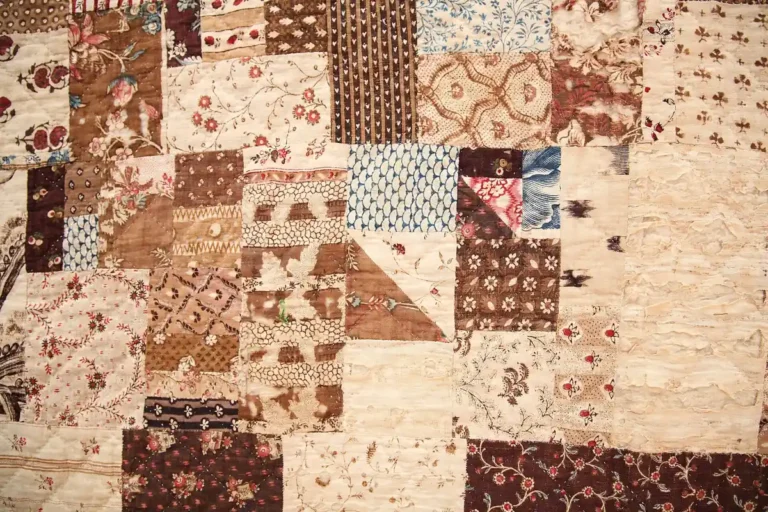
Daytime belongs to the barns and the exhibit hall. Livestock shows draw 4-H and FFA families from across the parish, and it is worth standing at the rail for a few minutes to watch a kid in a white shirt walk a heifer through a class. The exhibit hall holds the quieter entries — canned goods, baked breads, photography, quilts, school art — and any child who entered something will drag their parents straight to it. There are also the small traditions: the petting area, the face-painting booth, the game where a kid wins a goldfish that will not survive the week.
Planning a Franklin Parish Fair Weekend from Anywhere in Northeast Louisiana
Getting to Winnsboro and the Fairgrounds
Winnsboro sits in the heart of Franklin Parish, and most fairgoers arrive by car on the two-lane highways that connect the parish’s smaller communities to the seat. From elsewhere in northeast Louisiana, the drive is measured in backroads and patience rather than distance. Expect the last mile to be the slow one — traffic backs up near the grounds as the evening crowd arrives.
Where to Stay Around Franklin Parish
Franklin Parish is not a hotel destination, and that is part of the fair’s character. Most people who attend sleep at home or with family nearby. Visitors from farther out usually base themselves in the larger towns of northeast Louisiana and drive in for the day, or take a small local motel or rental if one is available. Book early if your trip lands on a fair weekend.
Parking and Getting In and Out
Parking around the grounds is typically on grass and gravel, with volunteers directing cars into rows. It fills fast after lunch, and faster on the weekend. The practical advice is simple: arrive before the dinner hour, park where you can pull out without reversing into a crowd, and remember your spot by landmark rather than by row number.
Admission, Costs, and What to Bring
Admission to the fairgrounds is generally free, with the real spending happening at the ride ticket booth, the food trailers, and the game booths. Bring cash — small bills move fastest at a busy fry trailer — along with a light jacket for after dark, sunscreen for the afternoon, and a bag for the ribbons, candy, and assorted treasures that come home. Ride wristbands, when they are offered, are usually the cheapest way to keep kids on the midway.
Weather in Fair Season
Fair season in northeast Louisiana usually means warm, humid afternoons and noticeably cooler evenings, with a real chance of rain on any given day. Autumn weather can swing from sticky to brisk inside a single weekend. Dress in layers, keep a poncho in the car, and check the forecast the morning you go; a rainy afternoon often clears into a pleasant night on the midway.
A Sample Fair Weekend: Friday Night Through Sunday Lunch
Friday evening is the arrival shift. Come after work, eat standing up at a fry trailer, and let the kids burn through a ride wristband while the lights come on. It is the loudest, most crowded night of the fair and the best one for teenagers.
Saturday belongs to daylight. Get there mid-morning for the livestock shows and a slow walk through the exhibit hall, eat a plate lunch from a church booth, and let younger children ride while the lines are short. Go home for a rest in the afternoon and come back for the evening entertainment, or skip the return trip and call it a full day.
Sunday is the family version: a later start, a final pass through the barns and booths, one last funnel cake, and the drive home with sleeping kids in the back seat. That is roughly the Fontenot schedule, and it has not changed in years.
Franklin Parish Fair and Nearby Northeast Louisiana Towns
Compared with the bigger cities of northeast Louisiana, the Franklin Parish Fair is small and unhurried. Monroe has a fuller calendar of concerts, college events, and larger venues, built for crowds a parish of 19,774 could never supply. Bastrop, in neighboring Morehouse Parish, carries a similar small-town rhythm — a courthouse square, a fair week, a strong sense of who lives there. Delhi, to the east, is smaller still. The Franklin Parish Fair sits in the middle ground: bigger than a school carnival, smaller than a city festival, and entirely dependent on the families who show up.
Fair-Day Checklist for a Franklin Parish Family
Cash in small bills, a jacket for after dark, sunscreen, and a tote bag for ribbons and prizes. Charge the phone and take a photo of where you parked. Agree on a meeting point before anyone walks off toward the midway, and write your number on a younger child’s arm.
Eat early if you want the homemade plate lunches, and check the schedule for livestock show times if a child in your group is showing an animal. Bring patience for the parking lot at closing time — everyone leaves at once, and nobody is in a hurry to be first out of the grass.
Beyond the Fairgrounds: Winnsboro and the Rest of Franklin Parish
Beyond the fair, Franklin Parish rewards a slow drive. Winnsboro, the parish seat, has the courthouse-square feel common to north Louisiana seats, with local restaurants, hardware stores, and diners where the special is written on a board. The parish’s 635 square miles hold farmland, small communities, and backroads worth an hour of wandering. If you have come any distance, add a plate lunch, a look at the old downtown blocks, and a drive through the countryside before heading home.
Why the Fair Still Anchors Franklin Parish
The fair matters because it is one of the few things in a 635-square-mile parish that everyone shares. Schools are split between towns, churches between congregations, Friday nights between football teams. The fair cuts across all of that. It is where a farmer talks with a banker, where a grandmother watches her grandchild show an animal, where the volunteer who has worked the same booth for years finally gets to sit down. For a parish founded in 1843, the fair is a living piece of continuity — not a museum exhibit, but a working week of the year.
Where the Fair Sits in the Winnsboro Area
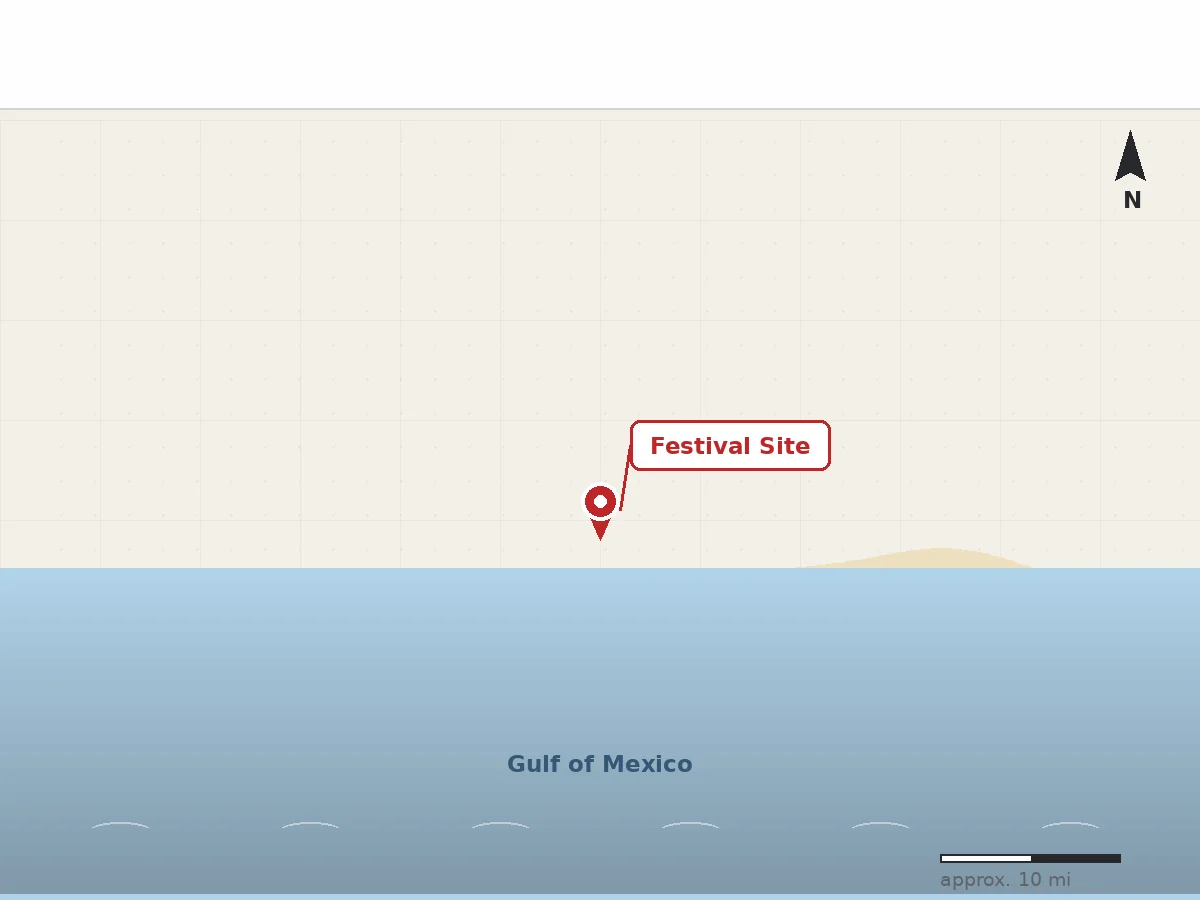
The Franklin Parish Fair takes place in the Franklin Parish area around Winnsboro, the parish seat, where the fairgrounds pull traffic in from every corner of the parish.
Franklin Parish Fair: Answers for First-Time Visitors
Is there an admission fee for the Franklin Parish Fair?
In most years, entry to the fairgrounds is free, and the fair makes its money through food vendors, ride tickets, game booths, and exhibit concessions. Bring cash in small bills and budget for the midway, because that is where a family’s spending actually goes.
When is the Franklin Parish Fair usually held?
The fair is an autumn event, most often during October, and it typically runs across a weekend. Because the schedule shifts from year to year, confirm current dates with local listings before you plan a trip around it.
Is the fair a good outing for young children?
Yes, especially in the morning and early afternoon. The smaller rides on the midway, the livestock barns, the exhibit hall, and the food booths all work well for young kids. Evenings are louder and more crowded, which tends to suit older children better.
How much time should we plan for a visit?
A few hours covers the essentials: food, a walk through the exhibit hall, the barns, and a handful of rides. Families who come for the evening entertainment or to watch a livestock show often stay half a day or longer.
Looking Ahead to the Next Franklin Parish Fair Seasons
The fair’s future looks a lot like its past: volunteer-run, weather-dependent, and tied to the agricultural calendar that still shapes the parish. The pressures are familiar — rising costs for vendors and ride operators, families with less free time, a younger generation that may or may not take up the same booths their parents worked. What keeps it going is the same thing that always has: 19,774 people who want one week a year when the whole parish stands in the same place.
Last updated: October 2026
On Sunday afternoon the Fontenots load back into the truck: a goldfish in a plastic bag, two ribbons from the exhibit hall, a funnel cake gone cold in Danielle’s lap. Sylvie is asleep before they reach the parish line. Marcus drives past the same fields, now in late light, and Grandma Loretta says what she says every year — that the fair gets smaller, and that she will be back next October anyway.