East Baton Rouge Parish Louisiana Greater Baton Rouge State Fair Festival
Each autumn, the Greater Baton Rouge State Fair turns a stretch of the East Baton Rouge Parish area into the region’s densest concentration of midway lights, livestock barns and fried food on a stick. It is a parish-scale state fair: large enough to fill an evening and then some, compact enough that a well-planned visitor can cover most of it in a single trip.
This guide is deliberately practical. The fair itself is easy to enjoy; the friction almost always comes from the trip — the drive in from Baton Rouge or the surrounding communities, the search for a parking space, the decision about when to eat. East Baton Rouge Parish covers 470 square miles and is home to 456,781 people, and the fair pulls from all of them plus neighboring parishes, so timing matters more than almost anything else.
Get the logistics right and the fair becomes what it should be: a relaxed few hours of rides, exhibits, music and food. Get them wrong and you spend your evening in a queue of brake lights.
Greater Baton Rouge State Fair Facts Worth Knowing Before You Drive Out
| Town / host area | East Baton Rouge Parish area, anchored by Baton Rouge |
| County (parish) | East Baton Rouge Parish, Louisiana |
| Parish seat | Baton Rouge |
| Population | 456,781 |
| Region | South Louisiana, Mississippi River corridor |
| Typical timing | Autumn, often spanning late October into November |
| Admission | Gate admission in most years, with reduced rates for children and seniors; confirm current pricing |
| Setting | Fairgrounds with a midway, exhibit halls, livestock areas and open-air stages |
| Signature features | Rides and games, agriculture and craft exhibits, fair food, live music |
| Organizer | Locally organized fair body supported by community volunteers |
What the Greater Baton Rouge State Fair Really Is
At its core, this is a traditional American fair staged in the East Baton Rouge Parish area, with Baton Rouge — the parish seat and the state capital — serving as the main urban anchor. The format will be familiar to anyone who has attended a fair in Louisiana: a midway of rides and games, exhibit halls full of agricultural and creative entries, livestock, food vendors, and stages running live entertainment from afternoon into the night.
What gives it local character is the mix. The competition categories reflect the hobbies and industries of South Louisiana, the food leans regional, and the music booking tends to draw on the deep talent pool of the Baton Rouge metro. It is a fair built by and for a parish of 456,781 people rather than a touring production dropped into a parking lot.
On admission: in most years the fair is a ticketed event rather than a free one, with children and seniors typically paying less than adults, and ride wristbands or unlimited-ride promotions sold separately or bundled. Because those details shift from season to season, treat any figure you hear secondhand as unreliable and confirm through the fair’s official channels before you drive out.
How a Parish Fair Grew Up With Baton Rouge
Louisiana’s fair tradition is agricultural at its root. Parish fairs began as exhibitions where growers, livestock raisers and homemakers brought their best work to be judged — canned goods, livestock, quilts, vegetables, baked entries. The judging ribbon was the point, and the carnival was the reward for showing up.
The Greater Baton Rouge State Fair followed that same arc. As Baton Rouge grew from a river town into the population center of East Baton Rouge Parish, the fair grew alongside it, layering a midway, then entertainment stages, then a fuller calendar of competitive events onto the original exhibition framework. The scale changed; the structure did not.
The through-line has stayed consistent across the decades. The fair remains the one week or so each year when the whole parish — city neighborhoods, suburbs, and the rural edges alike — shows up in the same place at the same time. That is a harder thing to engineer now than it was a generation ago, which is part of why the fair still matters.
On the Ground at the East Baton Rouge Fairgrounds
The grounds are organized around a handful of zones: the midway, the exhibit and livestock halls, the food rows, and the entertainment stages. Knowing which zone you are heading for saves a surprising amount of aimless walking, especially with children in tow.
Fair Food With a South Louisiana Accent
Expect the standard fair repertoire — corn dogs, funnel cake, cotton candy, turkey legs, lemonade — sitting comfortably alongside Louisiana staples like gumbo, jambalaya, boudin, seafood plates and sweet tea. Portions tend to be large and prices tend to be fairground prices, so set a food budget before you arrive rather than after. The smartest move is to eat early, around the time the gates open, when lines are short and seating is easy to find.
Music, Stages and Roaming Entertainment
Live entertainment runs throughout the fair, with local and regional acts covering country, swamp pop, zydeco, rock and cover-band favorites. Stages are typically open-air, which means the schedule and the weather are partners. Check the day’s lineup when you arrive, pick one or two sets you actually want to see, and build the rest of your visit around them instead of drifting.
Family Activities Beyond the Midway
The livestock barns and exhibit halls are the underrated part of the fair for families. Children can watch judging, meet animals, and see what people across East Baton Rouge Parish actually make and grow. Kiddie rides, games and hands-on displays round out the family side of the grounds. Strollers work fine on the main paths, though the midway gets tight after dark.
Planning Your Fair Day in East Baton Rouge Parish
Five decisions determine how smooth your visit feels: when you drive, where you park, where you sleep, what you spend, and what you wear. Take them in that order.
Getting to the Fairgrounds From Baton Rouge and Nearby Towns
If you are coming from downtown Baton Rouge, allow more time than the mileage suggests — afternoon and early-evening traffic on the main corridors is the single biggest variable. From communities like Zachary, Baker, Central or the eastern suburbs, the drive is shorter but converges on the same approach roads. Arriving in the first hour after gates open, or after the dinner rush has cleared, reliably beats the middle of the evening.
Where to Stay Around Baton Rouge
Because the fair sits inside a metro area rather than out in a rural county, lodging is not a problem. Baton Rouge has the full range of hotels, from interstate-adjacent chains to downtown properties near the river. Staying downtown puts you close to restaurants and the riverfront for the non-fair hours of your trip; staying near the interstate makes the drive in simpler. Book early for fair weekends, when demand from out-of-parish visitors rises.
Parking Without the Usual Frustration
On-site parking fills first and empties last. Arrive early enough to take a space close to a gate, note the lot name or a landmark near your car, and accept that the exit queue after the headline set is the price of staying to the end. If you have the option, a mid-afternoon arrival often means an easier space and a shorter walk than a prime-time one.
Admission, Ride Wristbands and What a Fair Day Costs
Budget in three buckets: gate admission, rides, and food. Gate pricing varies by year and by age category, and ride costs depend on whether you buy individual tickets or a wristband. Wristbands usually pay off for children who will ride for hours; individual tickets suit adults and casual riders. Bring some cash for vendors and tip jars, even where cards are accepted.
South Louisiana Weather and What to Wear
Autumn in South Louisiana means warm, humid afternoons and noticeably cooler evenings, plus a real chance of rain. Dress in layers, choose closed shoes you do not mind scuffing, and keep a compact rain jacket or poncho in your bag rather than an umbrella, which is awkward in crowds. Humidity is the detail visitors underestimate most.
A Sample Fair Weekend, Hour by Hour and Traffic by Traffic
Friday evening. Arrive in the first hour after gates open. Walk the exhibit halls while they are quiet, eat dinner early, then ride the midway as the lights come up. Leave before the closing rush.
Saturday morning. Come for the livestock and agriculture side, which is calmest before noon. Watch a judging session, then grab lunch from a food row before the afternoon crowds build.
Saturday afternoon. This is the busiest window. Use it for a show or stage set rather than for rides, and rest in the shade. If you have small children, this is the natural nap-and-reset block.
Saturday evening. Return for the headline entertainment and the midway at night. Plan your exit: either leave a few minutes before the final set ends or accept a slow crawl out of the lot.
Sunday. The gentlest day of the weekend. Revisit anything you missed, buy the fair food you meant to try, and take the long way home through Baton Rouge for a riverfront stop.
How the Baton Rouge Fair Stacks Up Against Nearby Louisiana Events
Compared with the Louisiana State Fair in Shreveport, the Greater Baton Rouge State Fair is the more intimate event — a parish-scale fair rather than a multi-week regional institution, and a much shorter drive for anyone in the capital region. Compared with the spring festivals that define so much of South Louisiana, like the strawberry celebrations around Ponchatoula, the fair is broader in scope: rides, livestock, exhibits and music rather than a single crop or theme.
Within a short drive, you also have smaller community fairs and festivals in places like Gonzales, Denham Springs, Port Allen and the Zachary area. Those tend to be one- or two-day affairs with a strong local flavor, while the Baton Rouge fair is the region’s biggest autumn gathering. A few Louisiana fairs still keep gate admission free; most, including this one, do not.
A Pre-Fair Checklist for East Baton Rouge Parish
Before you leave the house: confirm hours and admission for your specific day; check the weather radar; charge your phone and pack a portable battery; bring cash for vendors; wear closed shoes; and load a map of the area in case signal gets congested.
Before you park: decide on a meeting point in case your group splits up, note your lot location, photograph the row marker, and agree on an exit time. Before you leave the fair: do one final sweep of the stroller, the benches and the picnic tables — phones and sunglasses are the usual casualties.
Beyond the Midway: The Rest of East Baton Rouge Parish
The fair is a fine reason to spend a weekend in the parish seat. Downtown Baton Rouge sits on the Mississippi River, with the State Capitol grounds and the riverfront levee offering an easy walk and a good view. The LSU campus, local museums and a deep restaurant scene — crawfish, po-boys, gumbo and everything in between — fill the hours between fair visits.
If you have a third day, push outward. The parish runs from dense city blocks to open land at its edges, and the small towns around it each have their own main streets and local kitchens. Even a short drive in any direction turns a fair trip into a proper South Louisiana weekend.
Why This Fair Still Anchors Baton Rouge’s Fall Calendar
A fair does something a concert or a festival cannot: it puts an entire parish in one place. In a metro of 456,781 people spread across 470 square miles, that shared ground matters. The Greater Baton Rouge State Fair is where the city and the countryside meet, where a livestock exhibitor and a downtown office worker end up in the same food line.
It is also an economic and cultural anchor for the autumn season, giving local vendors, musicians, artisans and community groups a stage they would not otherwise have. The ribbons handed out in the exhibit halls are small, but the tradition behind them is not.
Where the Fairgrounds Sit on the Map
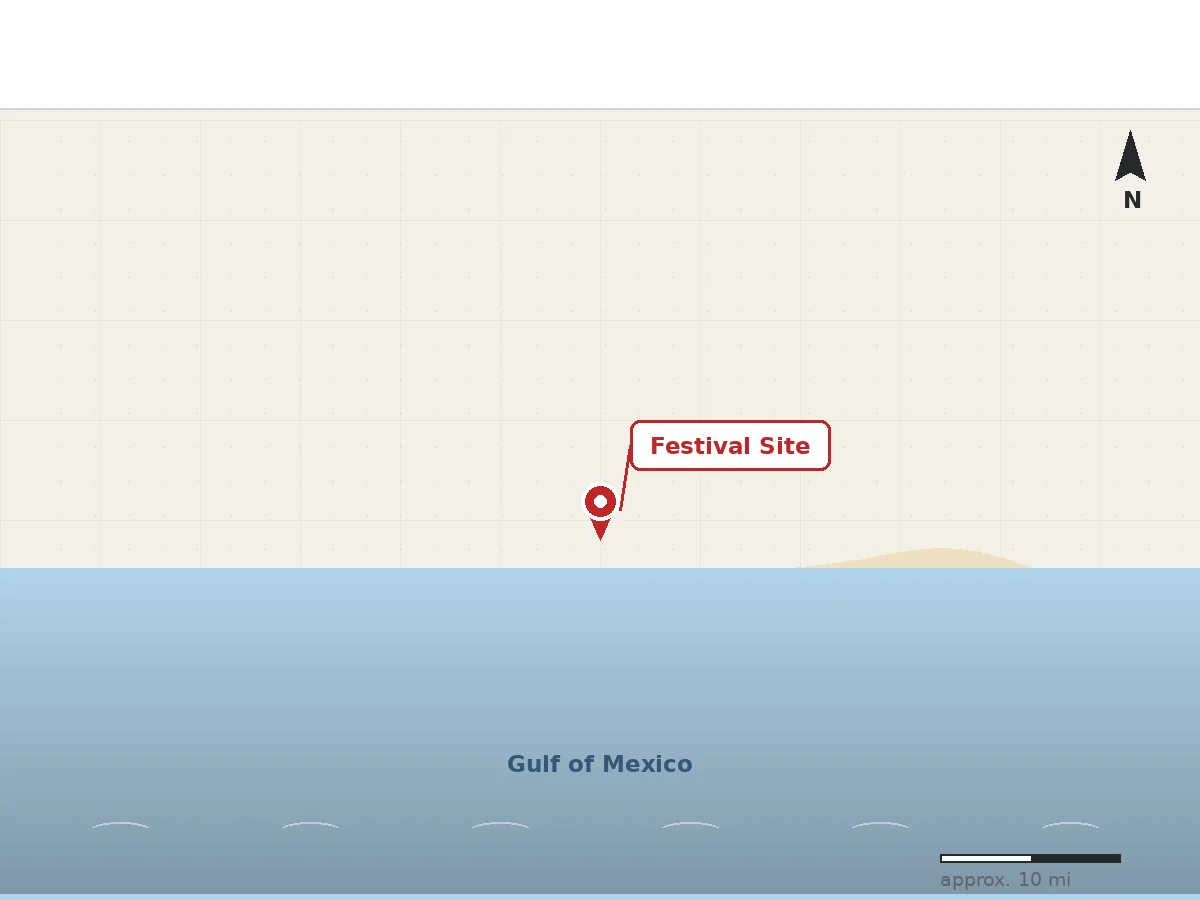
The Greater Baton Rouge State Fair takes place in the East Baton Rouge Parish area, with Baton Rouge — the parish seat — as the main urban reference point for anyone navigating in.
Greater Baton Rouge State Fair Questions, Answered
When is the Greater Baton Rouge State Fair usually held?
It is an autumn event, typically falling in late October and running into November in most years. Because the exact window shifts from season to season, check the fair’s official schedule before booking travel or requesting time off.
Is the fair a good fit for young children and older visitors?
Yes, with a little planning. Families should aim for daytime hours, when the midway is calmer and the livestock barns are open and uncrowded. Older visitors often prefer arriving right at opening or on a weekday evening, when walking distances feel shorter and seating is easy to find.
How much time should I budget for a visit?
Three to four hours covers the exhibits, a meal and a reasonable run at the midway. Add an hour if you plan to catch a full stage set, and add more if you are visiting with children who will want to ride everything twice.
What should I do if it rains during my visit?
South Louisiana weather changes quickly, so a shower rarely ends a fair day. Head for the exhibit halls, which are the most sheltered part of the grounds, and wait it out. Lightning is the exception — when the fair pauses rides for weather, respect the pause and take the break indoors.
The Future of the Greater Baton Rouge State Fair
The fair’s future looks a lot like its past, only better organized. Expect continued emphasis on the agricultural and competitive side, more family programming during daylight hours, and a live entertainment lineup that leans harder on local and regional acts. Cashless payment and online ride passes are the kind of changes that make the logistics smoother without changing the character of the event.
For visitors, the practical takeaway is unchanged: arrive early, park with a plan, eat before the rush, and leave yourself time for the parts of the fair that are not the midway. That approach has worked for generations here, and it will keep working.
Last updated: October 2026
Whether you come for the rides, the ribbons in the exhibit hall or a plate of something fried, the Greater Baton Rouge State Fair rewards the visitor who thinks a day ahead. Plan the drive, plan the parking, plan the meal — and let the rest of the evening happen on its own.