Daviess County Kentucky International Bar-B-Q Festival
Owensboro has been the seat of Daviess County since the county was founded on January 14, 1815, and the Ohio River has shaped nearly everything about it since. Daviess County covers 477 square miles of western Kentucky and counted 103,312 residents in the 2020 census, a population spread across river towns, farmland, and one busy county seat. Barbecue here is not a trend or a marketing angle; it is an inheritance, and each spring the International Bar-B-Q Festival carries it out into the open along the Owensboro riverfront.
Visitors who arrive expecting brisket and pulled pork get a surprise instead. The local specialty is mutton, smoked slowly over wood, served alongside burgoo — a thick, slow-simmered stew that has fed crowds in this part of Kentucky for generations. The festival wraps that menu in a weekend of music, cooking teams, and riverfront crowds that spill through the streets of downtown.
Festival Snapshot: Owensboro, Daviess County, Kentucky
| Town | Owensboro, Kentucky |
| County | Daviess County |
| County seat | Owensboro |
| Population | 103,312 (2020 census) |
| Region | Western Kentucky, Ohio River Valley |
| Typical timing | A weekend in May, in most years |
| Admission | Free general admission; food and drink sold separately |
| Setting | Downtown Owensboro riverfront, a short walk from the Ohio River |
| Signature features | Pit-cooked mutton and pork, burgoo, live music, family activities, cooking teams |
| Organizer | Local volunteers and civic organizations |
What the International Bar-B-Q Festival Actually Is
Strip away the banners and the festival is a straightforward proposition: a large, volunteer-driven community cookout that has grown into one of western Kentucky’s signature spring gatherings. Cooking teams set up along the riverfront, tend their pits through the night, and serve from open-air booths while visitors move between stages, vendor tents, and picnic tables.
The food is the anchor. Mutton is the headline, but pork, chicken, ribs, and burgoo all appear, and the smell of wood smoke settles over downtown for the length of the event. Portions are sold by the plate or the sandwich, so visitors can graze along the row of pits rather than committing to a single meal.
General admission is free in most years, which shapes the character of the crowd. Families wander in for an hour, locals come back three nights running, and out-of-town guests build entire weekends around it. You pay for what you eat and drink, not for the privilege of walking in.
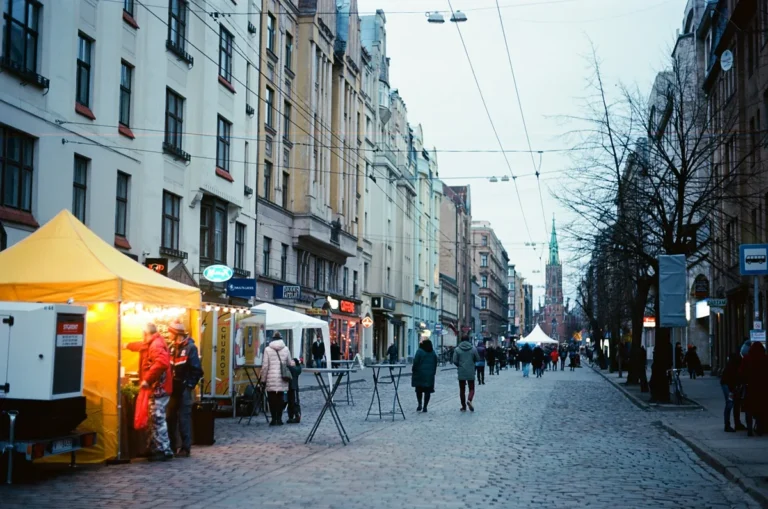
Because the festival is staged downtown rather than at a remote fairground, the town itself becomes part of the experience — storefronts, river walks, and side streets all feed into the main event.

Two Centuries of Smoke Along the Ohio
Daviess County was organized on January 14, 1815, with Owensboro as its seat, and the river economy that followed moved livestock, grain, and people through the area in steady volume. Hogs and sheep were raised across the surrounding countryside, and outdoor cooking over wood was the practical way to feed the crews, crowds, and gatherings that came with a working river port.
Sheep farming left the deepest mark. Mutton became the region’s barbecue of choice, a style that still puzzles visitors from pork- and beef-country further south and west. Slow smoking turned a plentiful, inexpensive cut into something worth standing in line for, and local cooks built reputations on getting it right.
Burgoo arrived by a similar route. The stew was a communal dish, cooked in enormous pots and stretched to feed whoever showed up, whether at a hunt, a harvest, or a political rally. Its ingredients shift with what is on hand, which is part of its charm and part of why every pot tastes a little different.
In the twentieth century, civic clubs and downtown boosters turned those habits into a formal festival, and the event eventually took the name it carries today. The word “International” in the title reflects a field of cooking teams that reaches well beyond the county line, while the heart of the weekend stays stubbornly local.
A Weekend Built Around Pit Smoke and River Air
The festival spreads across a walkable stretch of downtown Owensboro, which means most of your day is spent on foot. Expect crowds in the evening, long but friendly lines at the pit booths, and a schedule that leans heavily on food and music.
The Food: Mutton, Pork, Burgoo, and Then Some
Mutton is the reason many people make the trip. It is smoked until it shreds, served on a bun or by the plate, and typically dressed with a thin, vinegar-forward dip rather than a thick sweet sauce. Pork shoulders, ribs, chicken, and burgoo round out the menu, and the burgoo is usually the item that surprises first-timers most. Vegetarian options exist but are limited; this is a meat-forward weekend by design. Bring both cash and card, arrive hungry, and pace yourself — the pits stay busy from open to close.
Music and Entertainment Along the Riverfront
Live music runs throughout the weekend, with local and regional acts performing on stages set among the vendor rows. The lineup leans toward country, rock, and blues, and the riverside setting keeps the sound moving across the crowd. Between sets, buskers and street performers fill the gaps, and the evening hours tend to draw the biggest audiences. Seating is limited, so many visitors bring a folding chair or claim a patch of grass early.
Family Activities and the Kid-Friendly Side of the Festival
Families are a core part of the crowd. The festival typically includes activities aimed at younger visitors, along with wide-open riverfront space where kids can move around without dodging traffic. Strollers handle the downtown streets reasonably well, though the busiest hours make for slow going. Parents generally find the daytime hours calmer and easier for small children than the packed evenings.
Planning a Trip to Owensboro for the Bar-B-Q Festival
Because the festival takes place downtown, logistics are simpler than at a rural fairground — but the crowds are real, so a little forethought pays off.
Getting to Owensboro and Daviess County
Owensboro sits in western Kentucky along the Ohio River, reachable by car from across the surrounding region and by commercial air service in the broader area. Most visitors drive in, and the downtown grid makes it easy to approach from several directions. If you are coming from out of state, plan the trip around the festival weekend and book early.
Where to Stay in and Around Daviess County
Hotels cluster in and near downtown Owensboro, with more options a short drive out along the main commercial corridors. Because the festival is a regional draw, rooms closest to the riverfront fill first; nearby towns in the wider area offer backup options within a reasonable drive. Campers and RV travelers should research local campgrounds well in advance.
Parking and Getting Around the Riverfront
Parking downtown is limited during festival hours, and several lots and garages fill early in the evening. Arriving before the dinner rush is the single best strategy. Once parked, everything is walkable, and many visitors leave the car in place for the entire day. Rideshare and local taxi service can help if you would rather not hunt for a spot.
Admission, Costs, and How Much to Budget
General admission is typically free, with food, drinks, and merchandise sold separately. Budget for a few plates, a drink or two, and any souvenirs; prices are set by individual vendors and can vary from booth to booth. Carrying some cash is wise even though many vendors accept cards.
May Weather and What to Wear
The festival falls in May in most years, when western Kentucky swings between warm afternoons and cool evenings. Light layers, comfortable shoes, and a hat for the daytime sun cover most situations. Rain is always possible in spring, so a compact poncho beats an umbrella in a crowd.
A Sample Weekend Itinerary in Owensboro
Friday evening: arrive mid-afternoon, park once, and walk the riverfront while the pits are still firing up. Eat early to beat the longest lines, then settle in for the first night of music.
Saturday: start with a late breakfast downtown, spend the middle of the day on the river walk and in nearby shops, and return to the festival for a second round of mutton and burgoo. Saturday evening is usually the busiest stretch of the weekend.
Sunday: come back for a slower afternoon, try whichever booth you missed, and finish with a walk along the Ohio before heading home.
How Owensboro Compares With Nearby River Towns
Owensboro is not the only river town in the region with a food tradition worth a drive. Evansville, Indiana, sits upstream and offers its own downtown riverfront calendar of events and restaurants, though its culinary identity leans far less on smoked mutton. Henderson, Kentucky, just to the west, is a smaller river town with a quieter pace and easy access to the same stretch of the Ohio.
Further afield, the barbecue traditions of Memphis and Kansas City draw larger crowds and heavier national attention, but neither serves the burgoo-and-mutton combination that defines Daviess County. For visitors, the practical comparison is simple: Owensboro’s festival is smaller than the famous ones and far more specific to its place.
A Practical Checklist for the Bar-B-Q Weekend
Book lodging before you finalize anything else. Check the festival’s current schedule before you travel, since programming shifts from year to year. Wear shoes you can stand in for hours. Bring a folding chair if you plan to watch music. Carry both cash and a card. Watch the forecast and pack a rain layer. Set a meeting point if your group plans to split up, because cell service gets strained in dense crowds. And leave room in the day for the river walk — it is the reason the festival is where it is.
Beyond the Festival: The Rest of Daviess County
Downtown Owensboro rewards a slow wander. The riverfront park and walkway stretch along the Ohio, with views of the water and the bridges that link Kentucky to Indiana. Local museums, arts venues, and the downtown restaurant scene give non-festival hours somewhere to go, and the city’s compact core makes all of it easy to reach on foot or by a short drive.
Outside the city, Daviess County opens into farmland and small communities where the same sheep-and-grain agriculture that shaped the local barbecue tradition is still visible. A drive along the county’s back roads makes a good counterweight to a crowded festival afternoon.
What This Weekend Means to Daviess County
The International Bar-B-Q Festival is one of the ways Daviess County explains itself to itself. Cooking teams are often family operations that have worked the same pits for years, and the volunteer hours behind the event stay in the community. For a county of just over 103,000 people, a weekend that fills downtown with visitors is both an economic boost and a point of pride.
It also keeps a genuinely local food tradition alive. Mutton and burgoo are not widely available elsewhere, and the festival is where many younger residents first learn why that matters.
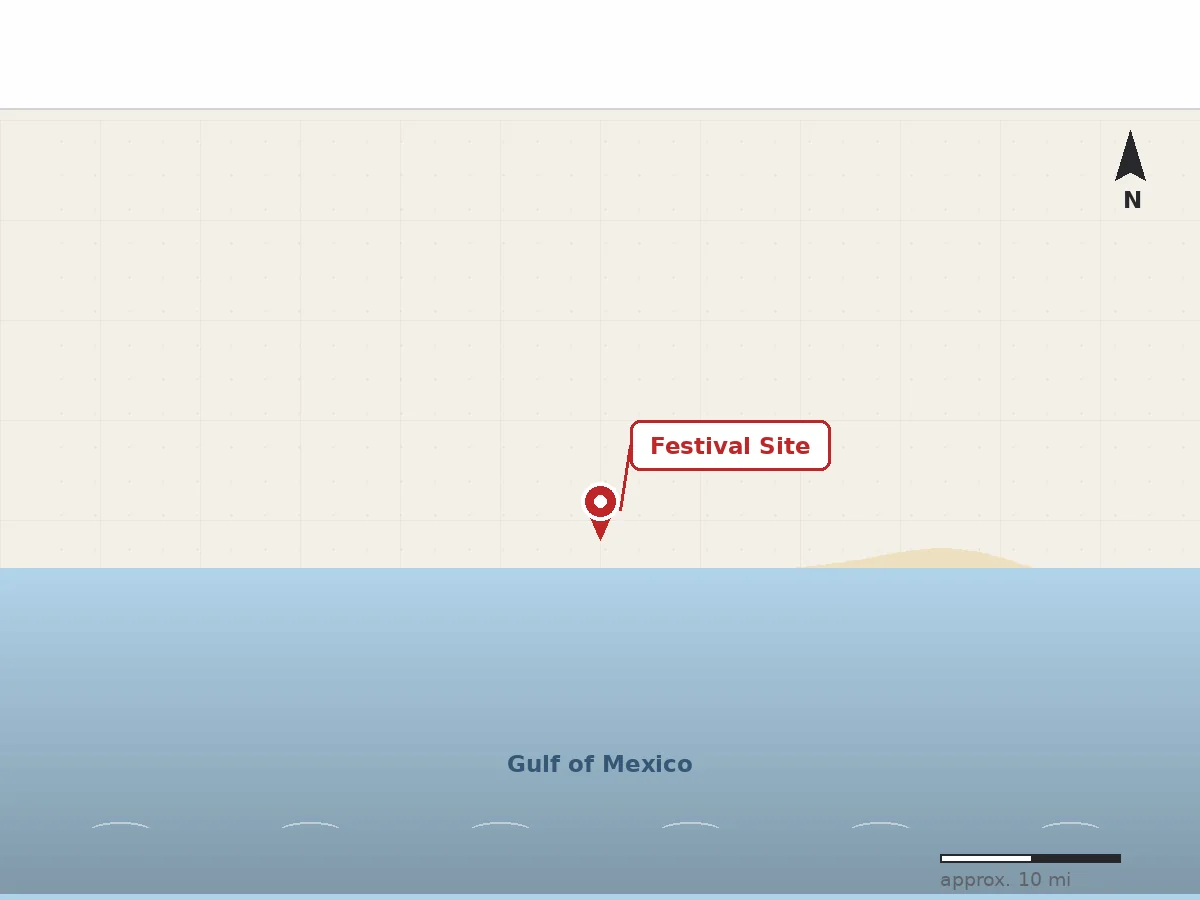
Where the Smoke Rises in Owensboro
The festival takes over the riverfront in downtown Owensboro, the Daviess County seat, within walking distance of the Ohio River.
Common Questions About the Owensboro Bar-B-Q Festival
Is the International Bar-B-Q Festival free to attend?
General admission is typically free in most years. You pay for food, drinks, and merchandise from individual vendors, so the total cost of your visit depends on how much you eat and drink.
What is mutton barbecue, and why is it served here?
Mutton is smoked sheep, a western Kentucky specialty rooted in the region’s long history of sheep farming. It is usually served shredded on a bun or by the plate with a thin dip, and it is the dish most closely associated with Owensboro.
When does the festival usually take place?
In most years the festival is held on a weekend in May, though programming and hours can change from one year to the next. Check the current schedule before you plan travel.
Can I bring children to the festival?
Yes. The festival is a family-friendly event with activities aimed at younger visitors and plenty of open riverfront space. Daytime hours are generally easier for small children than the busier evenings.
Looking Ahead for the International Bar-B-Q Festival
The festival’s future is tied to downtown Owensboro’s continued revival. As the riverfront has gained parks, paths, and gathering space, the event has gained a better stage, and the volunteer base that runs it remains the deciding factor in how it grows. Expect the core to stay the same: wood smoke, mutton, burgoo, and a free weekend that belongs to the county. Any changes are likely to be incremental — smoother logistics, a wider vendor mix, and continued attention to keeping the event walkable and family-friendly.
Last updated: October 2026
Come for the mutton, stay for the burgoo, and plan to spend more time on the riverfront than you intended. In Owensboro, the smoke is older than the festival, and that is exactly the point.