Cecil County Maryland Cecil County Fair Festival

Late summer arrives in Cecil County the way it always has — slowly, with humid afternoons, long shadows across cornfields, and the smell of cut hay drifting over the roads that run between Elkton and the upper reaches of the Chesapeake Bay. When the county fair comes around, that whole season seems to gather in one place.
Cecil County spreads across 418 square miles of northeastern Maryland, where the state meets Delaware and Pennsylvania. Some 103,725 people live here — in river towns, farm crossroads, and growing suburbs — and the fair is one of the few occasions that pulls them all toward the same patch of open ground.
Cecil County Fair Essentials: Town, Season, and Setting
| Town or place | Cecil County area, northeastern Maryland |
| County | Cecil County, Maryland — founded June 6, 1674, and named for Cecil Calvert |
| County seat | Elkton |
| County population | 103,725 |
| Region | Upper Chesapeake Bay, bordering Delaware and Pennsylvania |
| Typical timing | Late summer, in most years |
| Admission | Typically free general admission |
| Setting | Rural fairgrounds with barns, open fields, and midway grounds near Elkton |
| Signature features | Livestock shows, farm exhibits, fair food, live entertainment, family activities |
| Organizer | Volunteer-led community organizers and local agricultural supporters |
Inside the Cecil County Fair: Farm Country on Display
The Cecil County Fair is, first and last, an agricultural fair. Its center of gravity is the barn — pens of dairy cattle, goats, sheep, and poultry, ribbons pinned to stall fronts, and young exhibitors in clean boots answering questions about feed, breeding, and temperament. Around that core, the grounds spread into the familiar geography of a county fair: exhibit halls, a midway, food stands, a stage, and open grass where families spread blankets.
The fair belongs to the county rather than to any single town. It draws from Elkton, North East, Perryville, Rising Sun, Chesapeake City, Charlestown, Port Deposit, and the rural stretches in between. Because Cecil County sits where Maryland, Delaware, and Pennsylvania meet, the crowd carries a tri-state feel.
For many residents, this is the one stretch of the year when the county’s farm economy and its suburban life sit in the same field and talk to each other. That is the fair’s quiet purpose, and it has not changed much in living memory.
From a 1674 County Charter to Fairground Traditions
Cecil County is old by American standards. It was founded on June 6, 1674, and named for Cecil Calvert, the second Lord Baltimore, whose family held the Maryland charter. The county’s early wealth came from water and soil — tobacco first, then grain, then the mills and wharves that grew up around Elkton, the county seat.
Harvest gatherings have deep roots in country like this. Long before anyone called it a festival, farm families around the Chesapeake watershed marked the end of a growing season by coming together — to trade, to compare animals and crops, to hear music, and to let children see neighbors they might not meet again until the following year.
The Cecil County Fair grew out of that habit rather than out of any single moment. Its forms have shifted over the decades — exhibit halls replace tents, stages replace bandstands — but the structure stays recognizable: livestock judging in the morning, exhibits and vendors through the afternoon, entertainment in the evening.
What has changed most is the county around it. Cecil County’s 418 square miles now hold 103,725 people, many of them commuting to Baltimore, Wilmington, or Philadelphia. The fair has become a meeting point between that newer county and the older one, which is arguably why it still matters.
What a Day at the Cecil County Fair Feels Like
A fair day here moves at the pace of the weather and the crowd. Mornings belong to exhibitors and early risers, afternoons fill with families, and evenings go to music, lights, and long lines at the food stands.
Fair Food with a Maryland Accent
Fair food is its own cuisine, and the Cecil County version leans regional: pit beef and smoked meats, crab-influenced specials at some stands, hand-cut fries, funnel cake, ice cream, and lemonade. Portions are generous and prices are set by individual vendors. Lines run longest in the early evening, so a late-afternoon snack usually means a shorter wait.
Live Music and Evening Entertainment on the Grounds
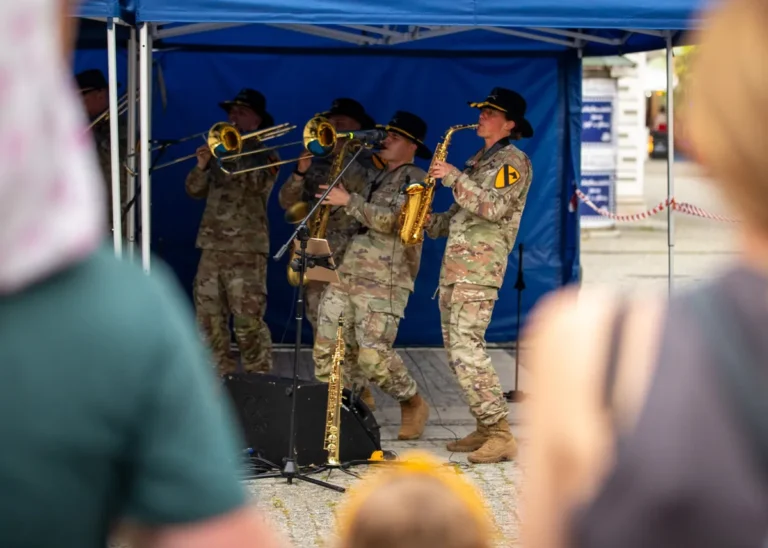
Entertainment typically runs from afternoon into the night — local and regional bands on a main stage, smaller acts scattered around the grounds, and programming that asks people to sit on grass or folding chairs. Expect a mix of country, rock, and cover bands rather than a single genre. Seating is limited, so regulars bring their own chairs and claim a spot before the music starts.
Family Activities, Livestock, and Hands-On Exhibits
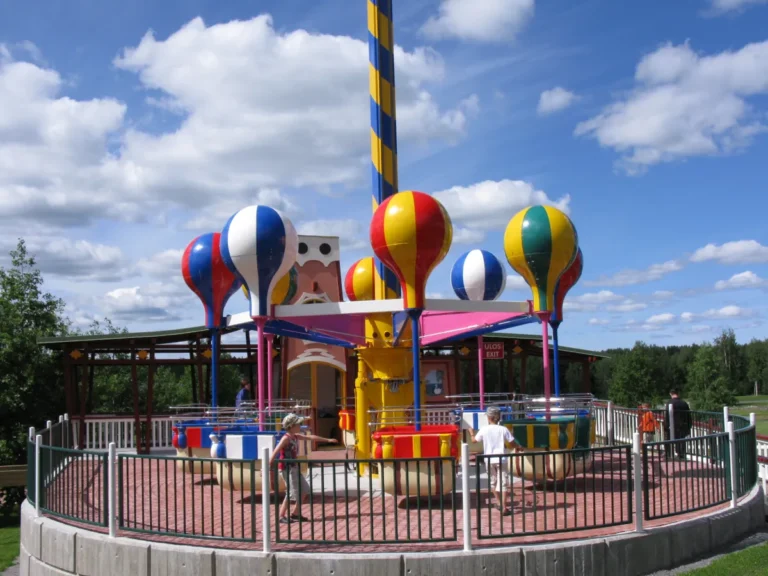
Families tend to build their day around the barns and the midway. Livestock shows and small-animal exhibits are free to watch and are usually the most rewarding stop for younger children, who can get close to the animals and talk with exhibitors. Craft, baking, and produce displays in the halls show what the county actually grows and makes. Rides and games are priced individually, so it helps to decide in advance how much of the day goes to the midway.
Planning a Cecil County Fair Trip from Elkton and Beyond
The fair is a local event with a regional draw, which means planning is mostly about timing, traffic, and comfort rather than logistics.
Getting There by Car from Elkton, Baltimore, and Wilmington
Cecil County sits along the Interstate 95 corridor between Baltimore and Wilmington, with US-40 and MD-213 serving the county’s towns. Most visitors arrive by car, and the fairgrounds are within a short drive of Elkton. Coming from outside the county, build in extra time on weekend evenings, when roads near the grounds slow considerably.
Where to Stay Around Cecil County
Lodging clusters in and around Elkton and along the I-95 corridor, with the usual national chains plus inns and rentals in the river towns of Chesapeake City and North East. Booking early helps on fair weekends, since the region also draws travelers headed to the upper bay. Visitors from Baltimore, Wilmington, and Philadelphia often find the fair close enough for a long day trip.
Parking on Fair Days
Fairground parking is typically on grass or gravel, directed by attendants, and fills quickly during peak evening hours. Arriving before the dinner rush is the simplest strategy. Carpooling eases both the search for a space and the exit at the end of the night, when everyone leaves at once.
Admission, Costs, and What to Bring
General admission is typically free, and individual vendors and ride operators set their own prices. Bring cash as a backup, a refillable water bottle, sunscreen, and a light layer for the evening. Folding chairs, a stroller that handles uneven ground, and a tote for anything you buy at the exhibit halls all earn their place.
Late-Summer Weather Along the Upper Bay
Late summer in northeastern Maryland means heat, humidity, and the chance of an afternoon thunderstorm. Mornings and evenings are the most comfortable windows. The grounds are largely outdoors, so a poncho beats an umbrella in a crowd, and a change of clothes in the car is not overkill if you plan to stay through a storm.
A Sample Cecil County Fair Weekend, Step by Step
Arrival evening: come late in the afternoon, walk the barns while the light is still good, eat dinner from the stands before the music starts, and finish with the midway after dark, when everything is lit.
Full day: start in the exhibit halls, where baking, canning, and produce entries are on display and crowds are thin. Move to the livestock area for the morning shows, take a slow lunch, then spend the hottest hours in shade or under a tent. Late afternoon is right for rides; evening is for the main stage.
Final afternoon: revisit the barns, pick up anything you meant to buy from vendors, and take one last lap of the grounds. The closing hours of a county fair have a gentler rhythm, and the exit is easier if you leave before the final rush.
Cecil County’s Fair Next to Nearby Towns and Fairs
Cecil County’s fair is part of a wider late-summer circuit. Within the county, Elkton serves as the seat and the main gateway, while Chesapeake City and North East offer waterfront settings and a different kind of evening — restaurants and canal views rather than barns and midway lights.
Just across the county line, Harford County to the southwest and Kent County to the south host their own agricultural traditions, and New Castle County, Delaware, immediately to the east, keeps a fairground calendar of its own. Each has a slightly different personality: some lean harder on rides, others on livestock and farm exhibits.
The Cecil County Fair’s distinguishing trait is balance. It is small enough to see in an afternoon and large enough to fill a weekend, and it keeps agriculture at the center rather than at the edges.
Fair Day Checklist for Cecil County Families
| Cash and a card | Vendors and ride operators may handle payment differently |
| Refillable water bottle | Long walks on open, sunny grounds |
| Sunscreen and hats | Little shade along the midway |
| Folding chairs or a blanket | Seating for evening entertainment is limited |
| Closed-toe shoes | Grass, gravel, and animal areas |
| Light rain gear | Summer storms move through quickly |
| A tote bag | Exhibit halls and stalls invite purchases |
| A planned meeting point | Crowds swell after dark |
Beyond the Fairgrounds: Elkton, the Elk River, and the Upper Bay
The fair is a good excuse to see more of the county. Elkton, the county seat, anchors the north with a downtown of older brick buildings and a Main Street feel. North East and Perryville sit closer to the water, and Chesapeake City straddles the Chesapeake & Delaware Canal, a working waterway with a compact historic district.
Outdoors, the upper bay and its rivers — the Elk, the Bohemia, the Sassafras, the North East — offer boating, kayaking, and shoreline parks, with Elk Neck State Park at the southern tip of the county. History-minded visitors can pair the fair with the region’s colonial and maritime past, which reaches back to the county’s founding in 1674.
What the Fair Means to Cecil County’s 103,725 Residents
For a county of 103,725 people spread across 418 square miles, the fair does something few other events can: it puts a face on the place. Farmers, commuters, teachers, and families who rarely cross paths end up in the same grandstand or the same line for fries.
It also serves a practical purpose. Livestock shows, youth agricultural exhibits, and craft competitions give young people a reason to learn skills that never show up on a screen, and recognition at the fair gives them something concrete to work toward. For local businesses, vendors, and volunteer groups, the fair is one of the year’s biggest showcases.
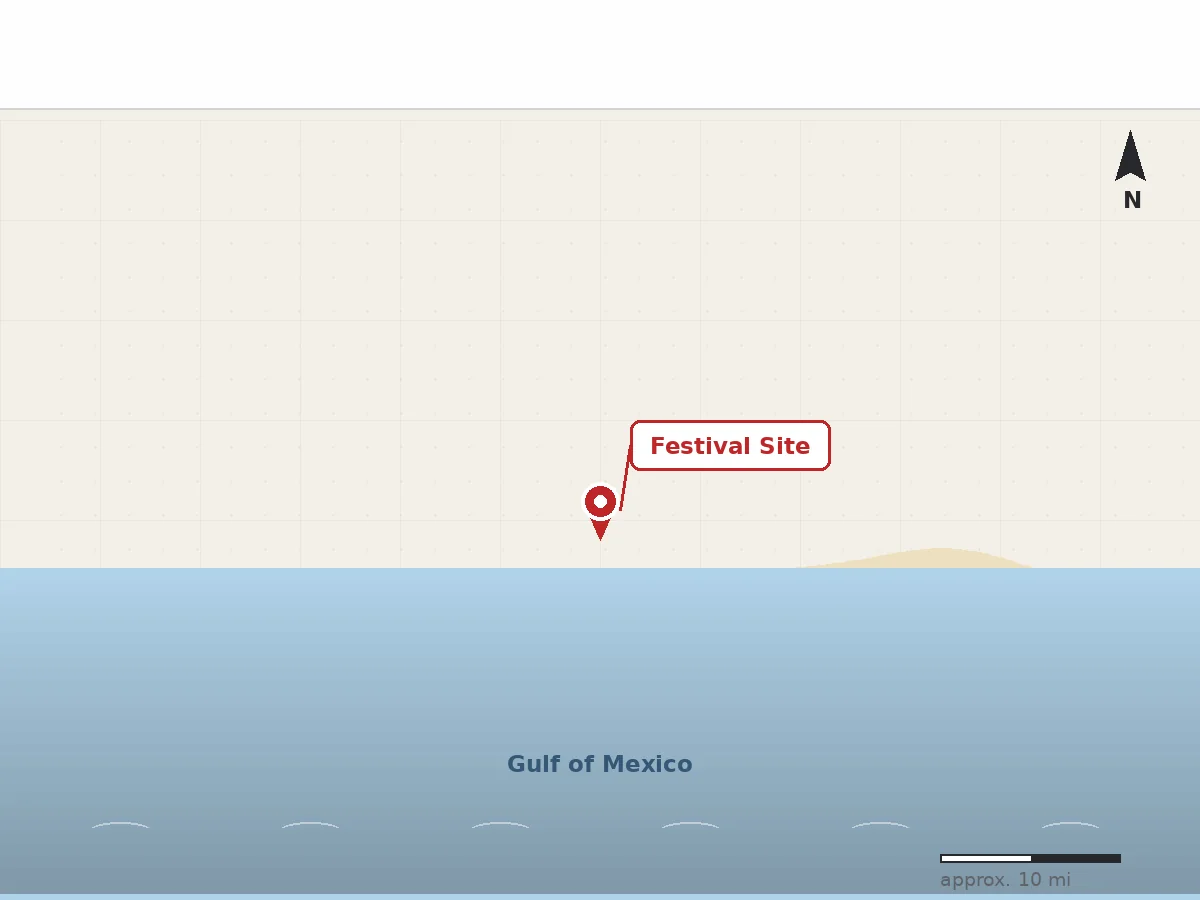
Where the Cecil County Fair Sits in Northeastern Maryland
The Cecil County Fair takes place in the Cecil County area of northeastern Maryland, within a short drive of Elkton, the county seat.
First-Time Visitor Answers for the Cecil County Fair
When is the Cecil County Fair held?
In most years the fair runs in late summer, during the warm weeks before the school year begins. Because the exact dates shift from year to year, the most reliable approach is to check the current schedule before planning a trip. Evenings and weekends are the busiest stretches.
Is admission free?
General admission is typically free. Individual vendors, ride operators, and some activities set their own prices, so a fair day can be as inexpensive or as elaborate as you make it. Budget for food and midway tickets if those are part of your plan.
Is the fair a good outing for young children?
Yes. The livestock barns, small-animal exhibits, and family-oriented entertainment are the usual highlights for younger visitors, and the grounds are walkable. Strollers handle most areas, though grass and gravel sections can be bumpy. Afternoons run hot, so mornings and early evenings are easier with small children.
How should I plan for parking and traffic?
Arrive earlier than you think you need to, especially on weekend evenings. Parking is directed onto grass or gravel lots and fills quickly. Carpooling or arriving in the late afternoon smooths out the whole experience, and leaving a few minutes before the closing rush saves time at the exit.
Looking Ahead to the Cecil County Fair’s Next Seasons
County fairs across Maryland are adapting. Organizers are balancing tradition with changing expectations: more shade and seating, better accessibility, food that goes beyond the fryer, and programming aimed at a county whose population now includes a large share of commuters.
The fair’s future likely rests on the same things that have sustained it — agriculture, volunteers, and local attendance. As Cecil County keeps growing around its 1674 roots, the fair remains one of the few institutions that reflects both the farming landscape and the newer suburban one. Whatever changes, the pattern of a late-summer evening on the grounds — barn lights, music, and the smell of fried dough — is likely to hold.
Last updated: October 2026
The Cecil County Fair is not the biggest event on Maryland’s summer calendar, and it does not try to be. It is a county fair in the truest sense: a few days when 418 square miles of farms, river towns, and subdivisions meet in one field near Elkton, eat too much, watch the animals, and listen to music until the lights go down. For anyone passing through northeastern Maryland in late summer, it is the most honest introduction to the place you will find.