Carroll County Maryland 4-H & FFA Fair Festival
Every summer, barn doors swing open across the Carroll County area and the county’s youngest farmers, bakers, and photographers get their moment in the ring. The 4-H & FFA Fair is Carroll County’s homegrown celebration of youth agriculture — a multi-day run of livestock shows, static exhibits, food stands, and evening entertainment that pulls families in from Westminster, Taneytown, Sykesville, Mount Airy, and every rural road in between.
This guide is written for the visitor who has never been, or who hasn’t been since they were young enough to lead a calf. It covers what the fair actually is, how it fits inside a county established on January 19, 1837, what a day on the grounds feels like, and how to plan around summer heat, parking, and the question of whether to stay for one more funnel cake.
Carroll County 4-H & FFA Fair: The Visitor Snapshot
| Town / place | The Carroll County area, Maryland |
| County | Carroll County |
| County seat | Westminster |
| County population | 172,891 |
| Region | North-central Maryland, within the Baltimore metropolitan area |
| Typical timing | A run of days in mid-to-late summer, most often July or August |
| Admission | Free or low-cost in most years; confirm the current gate policy before traveling |
| Setting | Agricultural fairgrounds with barns, show rings, and exhibit halls |
| Features | Livestock shows, 4-H project exhibits, FFA competitions, food stands, carnival rides |
| Organizer | Local 4-H and FFA volunteers working with a county fair board |
What the Carroll County 4-H & FFA Fair Actually Is
At its core, this is a county-level youth exhibition: a few days each summer when 4-H members and FFA chapters from across Carroll County bring a year’s worth of work to one set of grounds. Projects arrive in trailers, crates, and binders — market lambs and steers, dairy cattle, goats, poultry, rabbits, garden vegetables, canned goods, baked entries, woodworking, photography, and crafts.
Carroll County is a 453-square-mile county in north-central Maryland with 172,891 residents and Westminster as its county seat. Much of that land is still working farmland, which is why an agricultural fair here is a calendar fixture rather than a novelty. The grounds draw a crowd that mixes exhibiting families, neighbors, grandparents, and visitors who simply enjoy the atmosphere of a livestock barn on a warm evening.
Two organizations share top billing. 4-H is the youth development program that organizes club projects and judging across the county, while FFA is the agricultural education organization tied to high school programs. Together they supply the exhibitors, the volunteers, and much of the labor that keeps the week running.

Blue Ribbons and Barn Raisings: A Carroll County Fair Timeline
Carroll County was formally established on January 19, 1837, with Westminster named as the seat of government. Agriculture shaped nearly everything that followed: dairy herds, grain fields, orchards, and the small towns that grew up to serve them. A county fair was, in that setting, less a special event than a logical extension of the way people already lived.
4-H took shape nationally in the early 1900s as a way of bringing practical farming and home economics to rural young people. The Future Farmers of America followed in the late 1920s, giving high school agriculture students their own organization, degrees, and competitions. In Carroll County, as in most Maryland counties, the annual fair became the natural stage for both.
The fair has weathered what every county fair has weathered: the mechanization of farming, the shift from a rural to a commuter population, and the arrival of families who have never kept a chicken. What has stayed constant is the structure of the event — entries judged, ribbons awarded, animals sold, and a community gathered on the same ground at roughly the same point on the calendar.
Today the fair works as both a competition and a reunion. Generations of the same families show in the same rings, and volunteers who aged out of 4-H come back to staff the gates, the food stands, and the show office.
A Day on the Grounds: What the Carroll County Fair Feels Like
Plan on walking. The fairgrounds are a compact but busy campus of barns, tents, exhibit halls, and outdoor rings, and the action moves between them all day. Mornings belong to exhibitors and judges; late afternoons and evenings belong to everyone else.
Food: Bake Sales, Pit Stands, and 4-H Concessions
Food is a major part of the draw. Expect the classic county fair lineup — pit beef and pulled pork sandwiches, hand-cut fries, corn dogs, funnel cake, snowballs, and lemonade — plus the church and 4-H club stands that sell homemade pies, cakes, and cookies by the slice. Many of the concession stands are run by volunteer groups, so the money you spend tends to circulate straight back into local programs. Bring cash as a backup even if card readers are common, since smaller stands sometimes run on cash only.
Entertainment: Livestock Shows, Tractor Pulls, and Evening Music
The competitive schedule is the entertainment. Cattle, sheep, goat, swine, and poultry shows run through the week, along with showmanship classes where young exhibitors are judged on how well they handle and present an animal. Tractor pulls, truck pulls, and horse or draft-animal demonstrations are traditional crowd-pleasers at Maryland fairs, and evenings often bring live music, a talent showcase, or a demolition derby. Schedules vary year to year, so pick up a printed program at the gate or check the fair’s own listings once you arrive.
Family Activities: Exhibits, Rides, and Barn Time
For families with younger children, the exhibit halls are the quiet highlight — tables of prize vegetables, jarred preserves, LEGO builds, drawings, and photography arranged by age group. Carnival rides and games typically anchor one side of the grounds, and a petting area or small-animal barn gives kids a chance to get close to animals without standing at a show ring rail. Strollers handle the main paths well, though the barn aisles can be dusty and uneven.
Planning Your Trip to the Carroll County Fair
Getting There from Westminster and the Baltimore Area
Westminster, the county seat, is the practical reference point for anyone navigating to the fair. Carroll County sits north-west of Baltimore and is reached by a handful of state highways that converge on Westminster, so most visitors arrive by car. Allow extra time during the weekday evening rush, when local roads carry both commuters and fairgoers. Rideshare drop-offs work, but agree on a pickup point away from the main gate to avoid the worst of the congestion.
Where to Stay Around Carroll County
Lodging in the county leans toward chain hotels and independent inns in and around Westminster, with additional options along the major corridors toward Baltimore and Frederick. If you are visiting for a full weekend, book early — fair week is one of the busier stretches of the summer for local rooms. Campers and RV owners often look for nearby campgrounds in the surrounding countryside rather than staying in town.
Parking, Gates, and Arrival Timing
On-site parking is generally available, sometimes for a small fee, with volunteers directing traffic onto grass lots. Arrive before the evening rush if you want a short walk, and expect a longer queue on nights with a headline event such as a pull or derby. Wear shoes you don’t mind getting dusty, and note your row or lot marker before you head in — fairground lots look very different after dark.
Admission, Ride Tickets, and Budgeting
Gate policies shift from year to year. Some years entry is free or nominal, with costs concentrated in ride wristbands, games, and food; other years there is a modest per-person gate fee. Rather than budgeting against a guess, check the fair’s current information before you go, and treat a family outing as food money plus ride money plus a small contingency. Many fairs offer discounted ride wristbands on specific nights, so it pays to know the schedule in advance.
Weather: Mid-Atlantic Summer on the Fairgrounds
July and August in Carroll County mean heat, humidity, and the occasional afternoon thunderstorm. Plan around it: mornings and early evenings are the most comfortable, shade is scarce near the show rings, and barns hold warmth long after sunset. Bring water bottles, sunscreen, and hats, and keep a light rain jacket handy. If a storm rolls through, most fairs pause outdoor events and resume once the weather clears.
A Sample Fair Weekend, Friday Through Sunday
Friday evening: arrive in the late afternoon, park, and walk the exhibit halls first while they are still quiet. Grab dinner from a club food stand, then settle at a show ring for the evening livestock classes or a pull. Finish with dessert and a lap through the midway.
Saturday: come early for the busiest day. Watch showmanship classes in the morning, when exhibitors are at their sharpest, then break for lunch and a shaded rest. The afternoon is ideal for carnival rides, games, and the small-animal barn. Return in the evening for live music or a headline event, and leave a little before the final rush to avoid the longest exit lines.
Sunday: a shorter, slower day. Revisit the exhibits to see which entries earned ribbons, buy something from a bake sale for the ride home, and catch any remaining youth competitions before the grounds wind down. If a livestock auction is on the schedule, it is worth watching even if you are not bidding — it is the moment the week’s work turns into real money for the exhibitors.
How Carroll’s Fair Compares with Nearby County Events
Carroll County sits in a crowded fair corridor. To the west, the Frederick County fair circuit leans larger and more commercially oriented, with a bigger midway. To the south, the Howard County and Montgomery County agricultural fairs draw from suburban audiences and run heavily programmed entertainment schedules. Further east, the Maryland State Fair in Timonium is the region’s biggest stage, with a scale no county fair attempts to match.
What distinguishes the Carroll County 4-H & FFA Fair is proportion. It stays close to its agricultural purpose: youth exhibitors at the center, volunteer-run concessions, and a crowd that largely knows one another. If you want the largest rides and the longest concert lineup, look toward the state fair. If you want to watch a teenager from Westminster or Hampstead present a market lamb to a judge and a grandstand of neighbors, this is the one to attend.
Fair-Day Checklist for Carroll County Visitors
Bring water bottles, sunscreen, hats, and a light rain layer; wear closed-toe shoes you can get dusty; carry cash alongside a card; pack a small bag with hand sanitizer, wet wipes, and a change of shirt for kids leaving the petting area.
Before leaving home, confirm the current gate and ride policies, check the day’s show schedule, note your parking lot, and set a meet-up spot in case your group splits up. Charge your phone, but expect spotty signal in crowded areas.
Beyond the Fairgrounds: Westminster and the Rest of Carroll County
Pair a fair visit with time in Westminster, where the county’s civic life concentrates around a walkable Main Street district of shops, restaurants, and historic buildings. The surrounding 453 square miles reward a slow drive: covered bridges, rolling farmland, farm stands, and small towns like Taneytown, Sykesville, Hampstead, and Mount Airy, each with its own Main Street character.
Cyclists and walkers gravitate to the rail-trail corridors that thread through the county, and the local food scene leans on farm-to-table cooking, crab houses, and country diners. If you have an extra half-day, use it to drive the rural roads between the fairgrounds and the county line — it explains better than any exhibit hall why this fair exists.
The Fair as Carroll County’s Annual Handshake
In a county of 172,891 people spread across 453 square miles, the fair is one of the few moments when the whole place occupies the same square of ground. It is where a farm family from the northern end of the county meets a family from a Westminster subdivision, and where both end up buying pie from the same stand.
The practical value matters too. Auction proceeds help young exhibitors fund next year’s project or a first truck. Scholarship programs tied to 4-H and FFA reward members who stick with it. And the fair keeps a set of skills alive — judging an animal, speaking in public, keeping records, finishing a project — that translate far beyond agriculture.
Where the Fair Sits in Carroll County
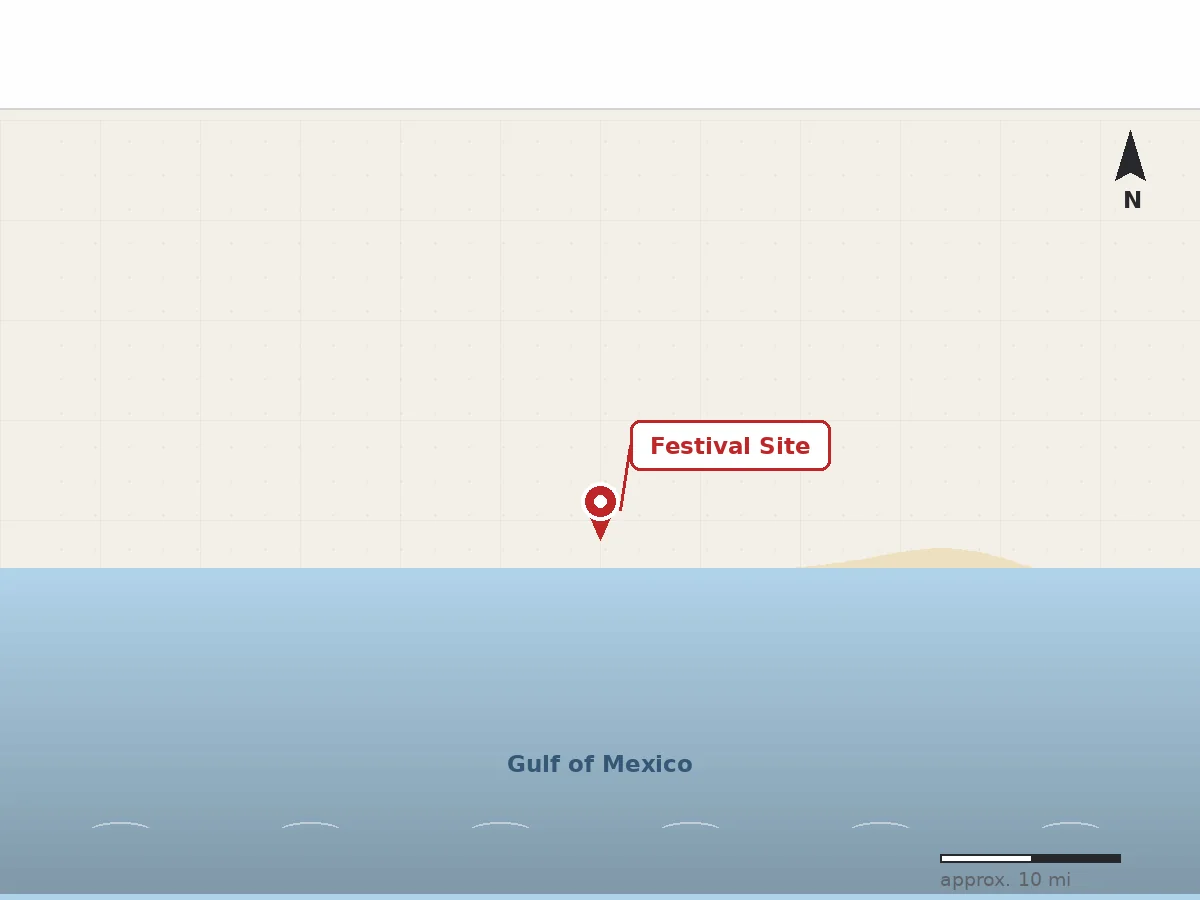
The 4-H & FFA Fair takes place on agricultural fairgrounds in the Carroll County area, with Westminster — the county seat — serving as the main landmark for visitors heading to the grounds.
Carroll County 4-H & FFA Fair: Visitor Questions
Is the fair free to attend?
Gate policies vary by year, and many county fairs keep entry free or very inexpensive while charging for rides, games, and food. Check the fair’s current information before you travel so you know whether to expect a per-person admission charge and whether discounted ride wristbands are offered on particular nights.
Is the fair a good outing for young children?
Yes, with a little planning. The exhibit halls, small-animal areas, and kiddie rides suit younger kids well, and the grounds are walkable with a stroller. The main challenges are heat, dust, and noise near the pulls and the midway, so aim for morning or early evening visits and bring water and wipes.
Can visitors watch the livestock auctions?
Auctions and market sales are usually open to the public and are one of the most compelling parts of the week, since they mark the end of months of work for the exhibitors. If you are considering bidding, ask at the show office beforehand about registration, payment, and how animals are handled after the sale.
How do I find the exact dates each year?
The fair falls in mid-to-late summer, most often in July or August, but the specific days shift annually. Look for the current year’s schedule through the fair’s own channels, the county’s 4-H and FFA programs, or local news listings in the weeks before the season begins.
What’s Next for the Carroll County 4-H & FFA Fair
The fair’s future depends on the same thing it always has: enough young people willing to raise an animal, bake a pie, or build something and put it in front of a judge. Carroll County’s farm base continues to shrink as development spreads, yet 4-H clubs and FFA chapters keep drawing members from both farm families and families with no agricultural background at all. That widening base is the fair’s best insurance.
Expect the event to keep evolving — more online entries, more card readers, more programming aimed at first-time visitors — while holding on to the parts that cannot be modernized: the show ring, the auction, the bake sale table, and the volunteers who show up every year without being asked.
Last updated: October 2026
Whether you come for the livestock shows, the food stands, or simply to see what a county of 172,891 people does when it gathers in one place, the Carroll County 4-H & FFA Fair rewards an unhurried visit. Arrive early, stay for the evening, and leave with a fuller sense of what this corner of Maryland is made of.