Cameron Parish Louisiana Cameron Parish Fair Festival
Autumn on Louisiana’s southwest coast has its own grammar. The light stretches long and amber over the marsh, the afternoon heat finally loosens its grip, and the drive south into Cameron Parish becomes a slow reveal — pasture giving way to chenier ridge, then to open marsh, then to the flat shine of the Gulf. It is the season when the Cameron Parish Fair takes its place on the calendar.
That setting matters more than any stage or schedule. Cameron Parish was founded in 1870, with Cameron as its seat, and it spreads across 1,937 square miles while counting just 5,617 residents at the 2020 census. Communities here are separated by water, pasture, and long two-lane roads. A fair is one of the few occasions that pulls the whole parish into the same few acres.
Cameron Parish Fair Basics: Parish, Season, and Setting
| Town / place | The Cameron Parish area, coastal southwest Louisiana |
| County / parish | Cameron Parish, Louisiana |
| County seat | Cameron |
| Population | 5,617 (2020 census) |
| Region | Southwest Louisiana, Gulf Coast |
| Typical timing | Autumn, in most years |
| Admission | Typically free; individual activities may carry a small charge |
| Setting | Coastal prairie, marsh, and working waterfront |
| Features | Community exhibits, food booths, live entertainment, family activities |
| Organizer | Local volunteers and parish community groups |
What the Cameron Parish Fair Is, and Who It Brings Together
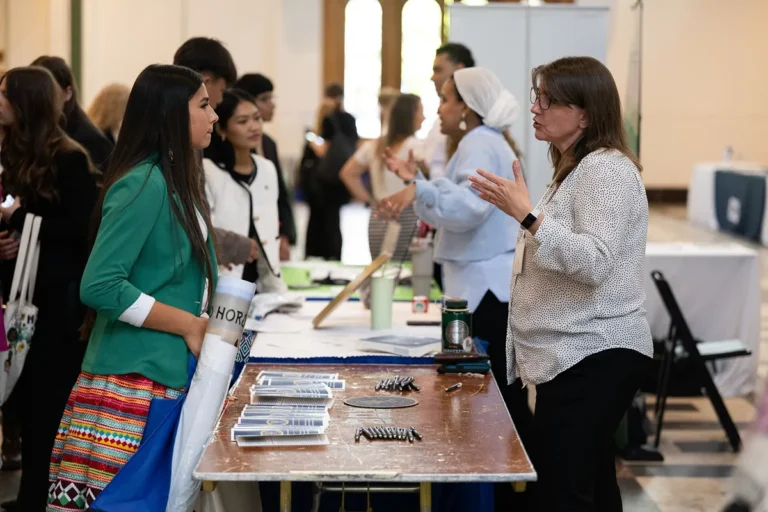
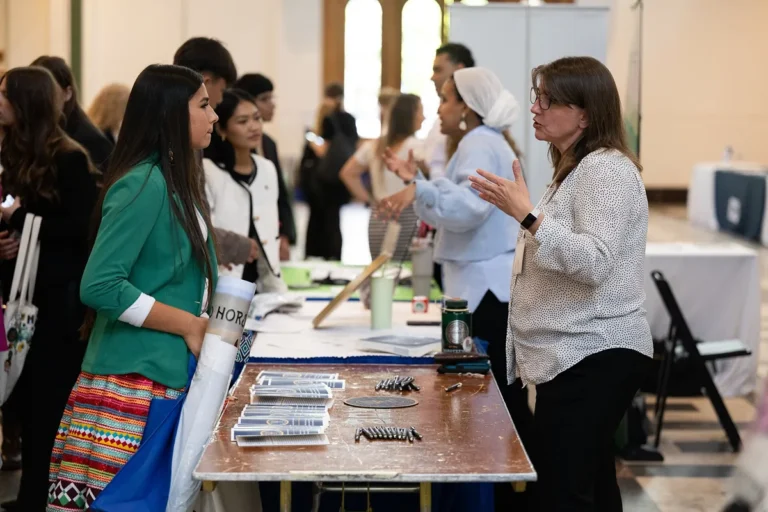
The Cameron Parish Fair is a community fair in the broadest and best sense: a parish-wide gathering built around exhibits, food, entertainment, and the simple pleasure of running into people you have not seen since the last one. It belongs to the Cameron Parish area rather than to any single town, which suits a parish where the population is scattered across coastal prairie, marsh settlements, and working waterfront.
Admission is typically free, and that shapes the mood. Nobody is gating the experience. Money changes hands at food booths, game trailers, raffles, and the small vendors who set up for the weekend, but the fair itself works as a civic invitation — come down, eat something fried, let the kids run until dark.
It is not a stadium-sized music festival or a corporate-sponsored mega-event, and it does not try to be. Its scale is human. The people selling you a plate of food are often the same people who organized the exhibit hall, and the same people you will nod to at the hardware store the following week. For visitors from Lake Charles, Lafayette, or farther out, that is precisely the appeal.
Since 1870: How a Coastal Parish Built a Fair That Keeps Returning
Cameron Parish was founded in 1870, and its seat has been Cameron ever since. The early economy leaned on what the marsh and water could provide — cattle on the prairie, fur and alligator in the wetlands, oysters and shrimp in the bays — with oil and gas arriving later and reshaping the working landscape.
Fairs in this corner of Louisiana grew out of that rhythm. They were agricultural and civic events: a chance to show livestock and garden produce, to recognize schoolchildren, to raise money for churches and volunteer fire departments, and to mark the turn of the season before the weather shifted. The Cameron Parish Fair carries that inheritance forward.
Coastal parishes also live with risk. Storms have repeatedly tested these communities, and rebuilding has been a recurring theme of life here. In that context, a fair is more than recreation. Holding one signals that the parish is still standing, still gathering, still making plans for next year.
The fair has endured because the work is shared. Volunteers, school groups, churches, and local businesses carry the load, and the result is an event that has outlasted changes in the economy, the coastline, and the population itself.
The Feel of a Fair Day in Cameron Parish
Fair days here run on a familiar coastal rhythm: slow mornings, busy afternoons, and evenings when the lights come on and the crowd thickens. What follows is a general picture of what parish fairs in this region typically offer, not a fixed schedule — details shift from year to year.
Food Booths and Coastal Cooking
Food is the center of gravity. Expect the Louisiana fair canon — gumbo, boudin, fried seafood, sausage po’boys, funnel cakes — alongside whatever the local fundraising groups decide to cook that season. Coastal parishes eat what they catch and raise, so seafood and smoked meats tend to show up. Bring cash and a loose appetite; portions are generous and the lines move quickly when they need to.
Live Music and Local Entertainment
Southwest Louisiana is Cajun and zydeco country, and parish fairs usually reflect that, with local and regional bands playing dance-friendly sets in the evening. Earlier in the day, the entertainment tends to be homegrown: school groups, talent showcases, raffle drawings, and the small ceremonies that give a fair its civic spine. It is a lineup built for the crowd standing in front of it, not for a booking agent.
Family Activities, Exhibits, and Kid Time
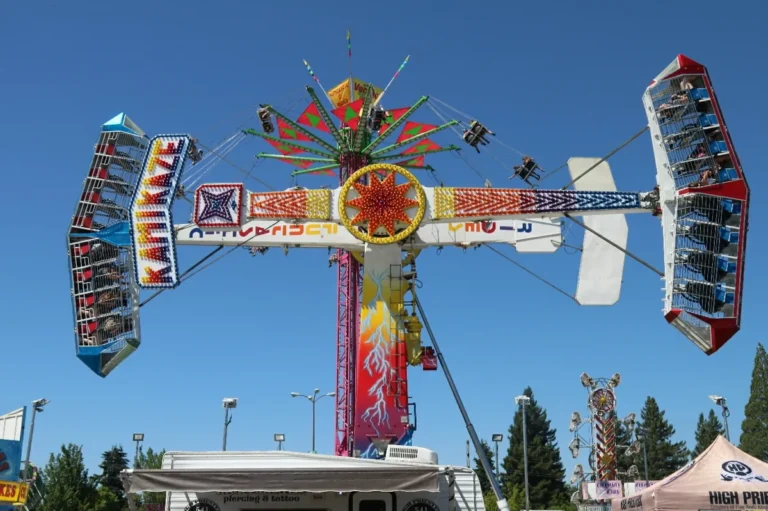
The exhibit hall is where the fair shows its work — student projects, crafts, canned goods, photography, and livestock, judged and ribboned. Outside, expect carnival rides, game booths, and the sort of unstructured running-around that children manage only at fairs. Older visitors get the shade, the seating, and the long conversations. The whole thing is meant to be walked slowly, which is the correct pace anyway.
Planning the Trip: Roads, Rooms, and Readiness
Cameron Parish rewards planning. It is a large, lightly populated coastal parish, which means services thin out as you drive south. A little preparation turns a good day into an easy one.
Getting There: The Drive Down to the Coast
Most visitors approach from the Lake Charles area, taking the highways that run south toward Cameron and the coastal route that threads east and west through the parish. Cell service can be patchy in long stretches of marsh, so download directions before you leave. Fill the tank inland — gas stations grow scarce as the landscape opens up.
Where to Stay: Inland Bases and Coastal Rentals
Lodging inside Cameron Parish is limited in most years, so many fairgoers base themselves in the Lake Charles area or in nearby parish towns and make the drive down. Coastal rentals and small independent lodgings exist closer to the water, but they book early during fair season. If you are coming from out of state, treat the drive as part of the trip rather than a commute.
Parking and Arriving at the Grounds
Expect grass-and-gravel parking directed by volunteers, with the usual field-day logic: arrive early for the best spot and the shortest walk. Carpooling helps. Follow the signage and the people in vests rather than your own instincts, and watch for pedestrians once you are on site, because families drift between the rides and the food booths all evening.
Admission, Costs, and Cash
Admission is typically free, and there is no obligation to spend. That said, food, rides, games, and raffles are where the money goes, and those costs add up quickly for a family. Bring cash, since smaller booths may not take cards, and set a rough budget before the children see the carnival lights.
Weather and What Autumn Feels Like on the Gulf
Autumn along the Gulf means warm, humid afternoons and noticeably cooler evenings, often with a breeze coming off the water. Rain is always possible, and coastal weather can turn quickly. Dress in layers, pack a light rain jacket, bring sun protection for the afternoon and insect repellent for dusk, and check the forecast the morning you go.
A Sample Weekend Around the Cameron Parish Fair
Day one — arrive in the late afternoon, claim a parking spot, and walk the grounds once before the crowd builds. Eat early, while the lines are short, then settle in for the evening entertainment and let the fair’s rhythm find you.
Day two — come back in the morning for the exhibit hall, livestock, and judged entries, which are best seen before the afternoon heat. Take a midday break: drive out to a refuge or a beach access, or find shade and a cold drink. Return for the evening, when rides, music, and food booths are all running at once.
Day three — if the fair runs into a closing day, use the morning for anything you missed, then take the long way home along the coast. Stop for birds, photographs, or one last plate of something fried. Leaving slowly is part of the experience here.
Cameron Parish Fair Compared with Nearby Southwest Louisiana Gatherings
The obvious comparison is Lake Charles and the wider Calcasieu Parish festival scene, an easy drive inland. There you get a bigger city’s calendar — concerts, Mardi Gras krewes, and large-scale events with hotel blocks and restaurant reservations. The Cameron Parish Fair is the opposite trade: fewer people, no traffic, and a crowd that is largely local.
Vermilion Parish, to the east, is Cajun country in the classic sense, with a deep French-speaking heritage and a busy schedule of community celebrations in towns like Abbeville. Cameron Parish shares the food, the music, and the coastal economy, but its fair feels quieter and more spread out — shaped by a parish where 5,617 people cover 1,937 square miles. Choosing between them is less about quality than about mood.
Packing and Prep for a Fair Weekend on the Louisiana Coast
Pack for a coastal autumn: layers for the evening, a rain jacket, sunscreen, insect repellent, a hat, and comfortable shoes for grass and gravel. Bring cash in small bills, a refillable water bottle, folding chairs if you plan to sit through the music, and a phone charger for the drive home.
Before you leave, check the weather, confirm the current schedule through local sources, fill the fuel tank inland, download offline maps, and tell someone your route if you are heading deep into the marsh afterward. Charge your camera, and leave room in the car for anything you pick up at the booths.
Beyond the Fairgrounds: Marsh, Birds, and Gulf Beaches in Cameron Parish
Cameron Parish is one of the most underrated landscapes on the Gulf Coast. The Creole Nature Trail runs through the parish, linking wetlands, refuges, and beach access points in a long loop that rewards slow driving and frequent stops. National wildlife refuges here protect vast stretches of marsh that serve as nurseries for fish, shrimp, and birds.
Birders come for the waterfowl and wading birds that funnel along the coast during migration. Anglers come for redfish, speckled trout, and the flats. Families come for the Gulf-side beach communities and the simple pleasure of a shoreline with almost no development on it. Pair a fair weekend with a half-day out in the marsh and you get the full picture: the working coast, the wild coast, and the people who live between them.
What the Fair Means to a Parish of 5,617 People
A parish of 5,617 residents spread across 1,937 square miles cannot rely on casual encounters to hold itself together. Distance is the default here. Institutions that gather people — churches, schools, ballparks, and the fair — carry more weight than they would in a city.
The fair is also a fundraiser and a stage. Money raised at booths and raffles supports local groups through the year, students see their work judged and displayed, and volunteers learn that none of it happens unless someone shows up to set out tables at dawn. For a coastal parish that has weathered more than its share of hard seasons, the fair is a statement of continuity: the community is here, it is planning for next year, and there is a place set for you.
Where the Cameron Parish Fair Sits in Southwest Louisiana
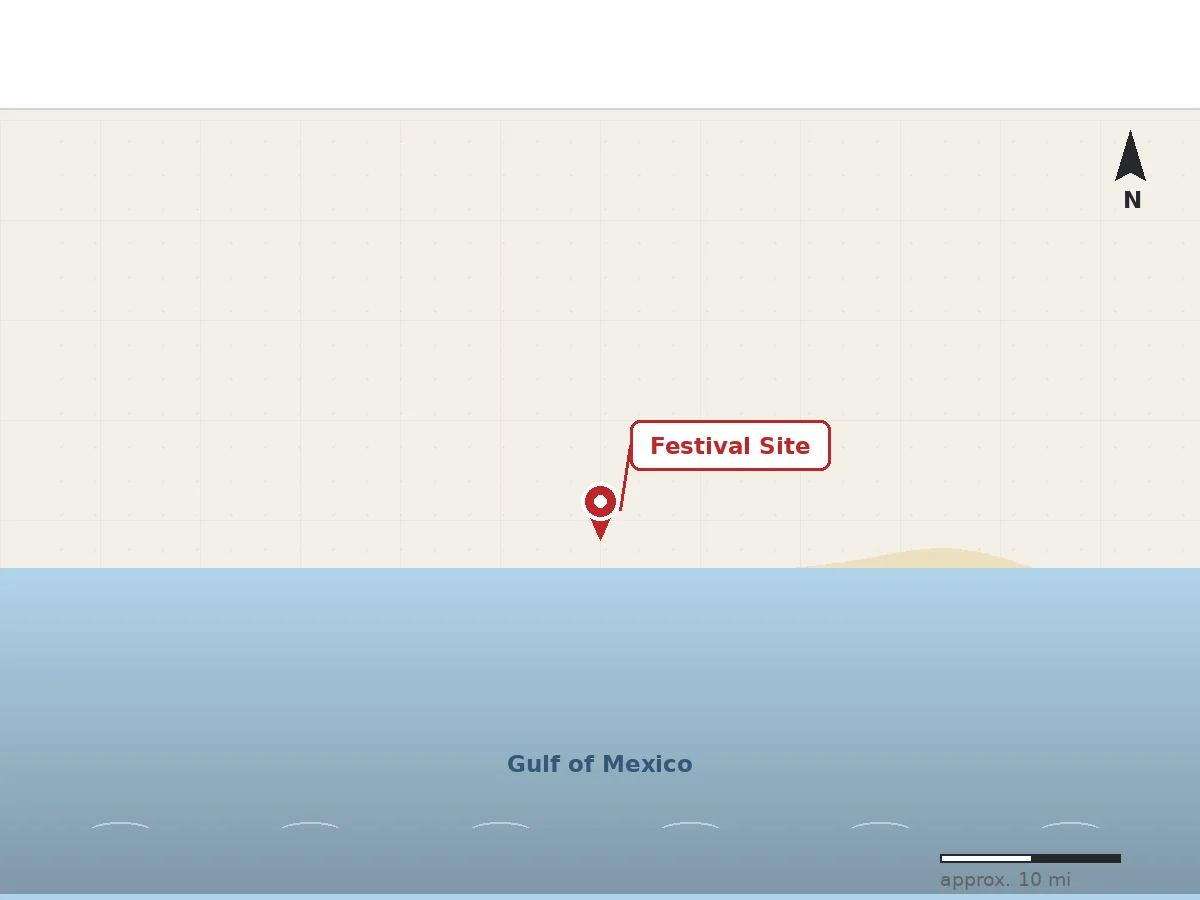
The Cameron Parish Fair takes place in the Cameron Parish area of coastal southwest Louisiana, in the parish whose seat is Cameron.
Answers for First-Time Cameron Parish Fair Visitors
Is the Cameron Parish Fair free to attend?
Admission is typically free in most years, with costs limited to food, rides, games, and raffles. Policies can change, so check current local listings before you make the drive, and budget for spending once you are inside rather than for a gate fee.
When is the fair usually held?
It is an autumn event in most years, positioned after the worst of the summer heat and before the holidays. Because the exact weekend shifts from year to year, treat the season as your guide and confirm details through local sources closer to the time.
Is the fair a good fit for young children and older visitors?
Yes. Parish fairs are built for mixed-age crowds: rides and games for children, exhibits and seating for older visitors, food everyone can agree on, and a pace that allows for sitting down. Bring a stroller if you need one, and expect grass, gravel, and uneven ground in places.
What should I know about driving and weather on the coast?
Give yourself more time than a map app suggests, fuel up inland, and download directions before cell coverage thins out. Autumn weather can swing from warm and humid to breezy and cool in the same day, and rain moves through quickly. Layers, rain gear, and insect repellent cover most situations.
The Next Seasons: What Lies Ahead for the Cameron Parish Fair
The fair’s future is tied to the parish’s. Cameron Parish is small, coastal, and resilient, and every year the event depends on volunteers who keep showing up. As long as families keep moving back, rebuilding, and raising children along this stretch of the Gulf, there will be a reason to set up the booths and turn on the lights.
For visitors, that means something worth planning around — not because it is enormous, but because it is genuine. Watch for the season to arrive, check local listings for the weekend, and give the drive the time it deserves.
Last updated: October 2026
Come for the food and the music; stay for the marsh light and the conversations. The Cameron Parish Fair is what a coastal parish looks like when it takes a weekend off to be together — and there is always room for one more.