Stevens County Kansas Stevens County Fair Festival
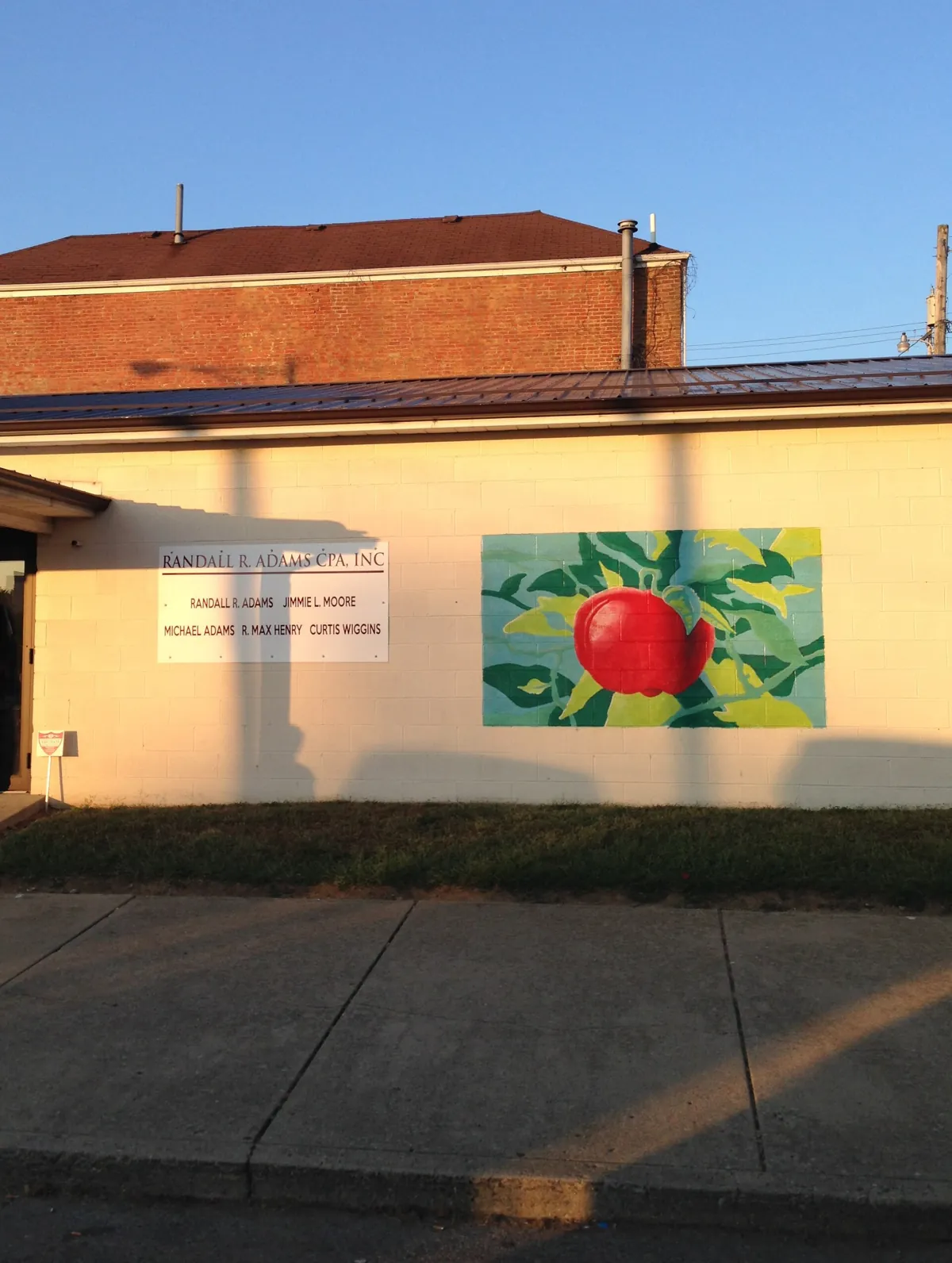
Hugoton is a town you can read at a glance from the highway: grain elevators standing over a grid of streets, a courthouse square, and a horizon that runs flat and unbroken in every direction. It is the seat of Stevens County, a 727-square-mile block of high plains in the far southwest corner of Kansas, and it has anchored local life since the county was founded on August 3, 1886. Once a year, the Stevens County Fair turns that steady rhythm into something louder — a run of days filled with livestock pens, exhibition halls, carnival lights, and neighbors catching up after a long summer of work.
The fair is the county’s own homecoming. Families from Hugoton and the surrounding rural townships, farms, and ranches converge on the fairgrounds for livestock shows, home arts displays, food stands, and evening entertainment. It is a small-town fair in the truest sense: the people showing animals are the same people you see at the co-op, and the pies in the exhibit hall were baked by someone who will be standing right there when the ribbon is announced.
Stevens County Fair Basics: Town, Timing, and Setting
| Town / place | Stevens County area, centered on Hugoton |
| County | Stevens County, Kansas |
| County seat | Hugoton |
| Population | 5,250 (2020 census) |
| Region | High plains of southwest Kansas |
| Typical timing | Late summer, spread across several days |
| Admission | Typically free to enter the grounds; food, rides, and vendors cost extra |
| Setting | County fairgrounds with exhibition halls, livestock barns, and open-air midway space |
| Signature features | Livestock shows, 4-H and open-class exhibits, home arts, grandstand entertainment |
| Organizer | Stevens County fair board and community volunteers |
Where the Fair Fits in the Stevens County Year
Stevens County runs on an agricultural calendar. Wheat harvest, cattle work, and the long, dry stretches of a high-plains summer shape when people have time to spare, and the fair slots neatly into the pause that follows the busiest weeks. For a county of roughly 5,250 residents, the fair is one of the few occasions when the whole population — town and countryside alike — is in the same place at the same time.
The event belongs to the Stevens County area rather than to Hugoton alone. Entries arrive from farms and ranches well outside the city limits, and the fairgrounds become a neutral meeting ground where a Hugoton shop owner and a ranch family from thirty miles out end up sharing a picnic table. That mix is the point. The fair is less a tourist attraction than a civic ritual, and visitors are welcome to step into it.
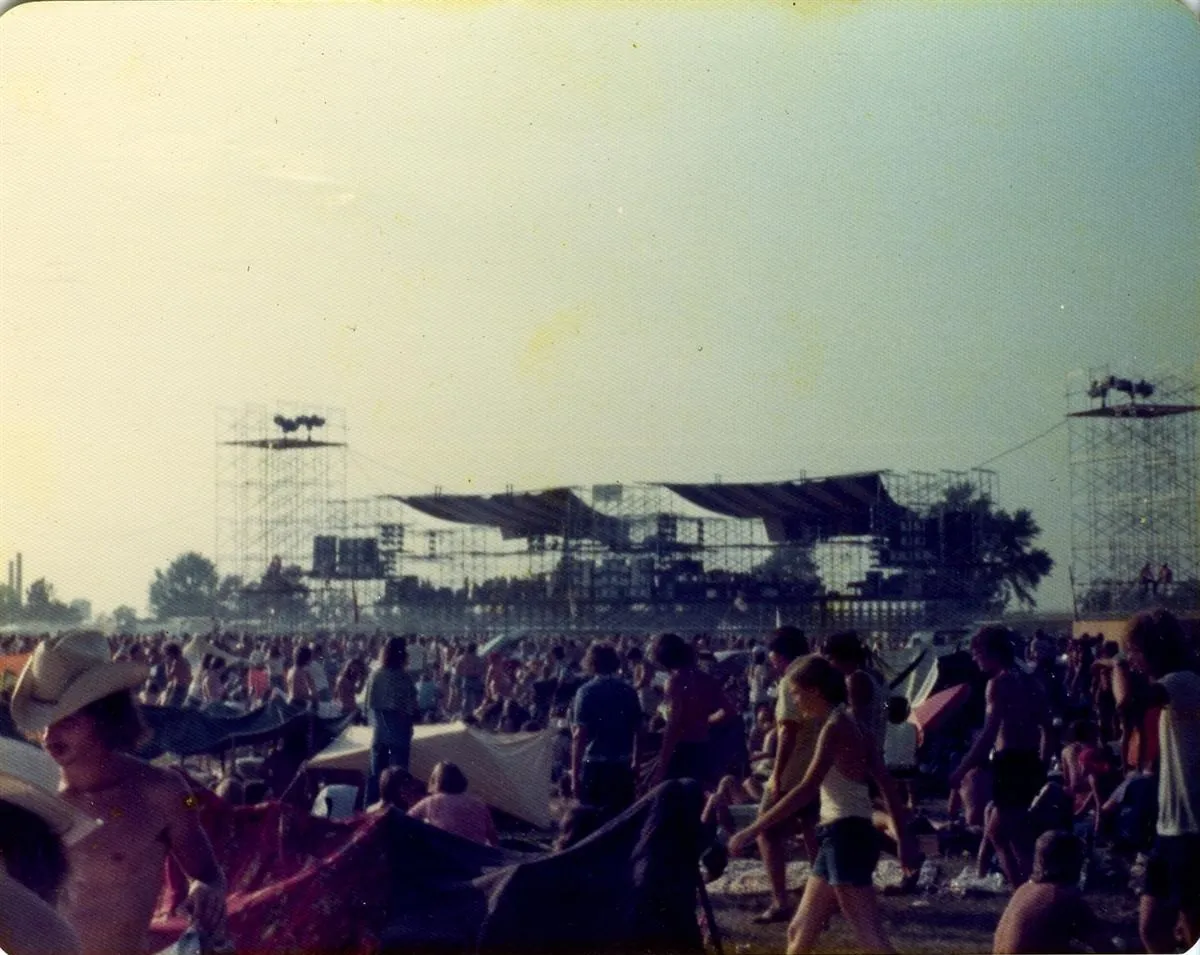
Hugoton, Thaddeus Stevens, and the Deep Roots of a County Fair
Stevens County was organized on August 3, 1886, carved out of the southwestern Kansas prairie and named for Thaddeus Stevens, the Pennsylvania congressman and leading Radical Republican of the Civil War era. Hugoton became the county seat, and for a place so far from any large city, it developed the institutions that mattered: a courthouse, a newspaper, churches, schools, and an annual fair.
For another look at how a community turns its own traditions into a gathering, see the Stanton County Kansas 4-H/FFA Fair Festival for a useful comparison.
County fairs arrived across Kansas in the late nineteenth century as a practical invention before they became a festive one. They were agricultural classrooms first — a way to spread better seed varieties, better breeding stock, and better methods across a wide, thinly populated landscape. The competitive exhibit, with its ribbons and premiums, was the teaching tool. Farmers could see with their own eyes which ear of corn or which heifer outperformed the rest.
Over the decades, that educational core stayed while everything around it grew. Livestock barns and exhibition halls became permanent fixtures on the fairgrounds. 4-H clubs and school groups made the fair a showcase for young people learning to raise animals, keep records, and speak confidently about their work. Home arts departments — baking, canning, sewing, quilting, photography — gave the whole county a stage. The carnival and grandstand came later, adding noise and neon to what had begun as a field demonstration.
What has not changed is the fair’s place in the local memory. Generations of Stevens County families can point to a barn where a grandparent showed a steer, or a hall where a mother’s bread took a purple ribbon. That continuity is why the fair still draws a crowd in an era when almost everything else can be ordered online.
What a Day at the Stevens County Fairgrounds Feels Like
Arrive in the late afternoon and the fairgrounds smell like dust, diesel, and frying oil. Kids move between the barns and the midway. Parents carry folding chairs toward the grandstand. Somewhere a loudspeaker is calling the next class into the show ring. The pace is unhurried, and nobody minds if you wander.
Fair Food and the Local Palate
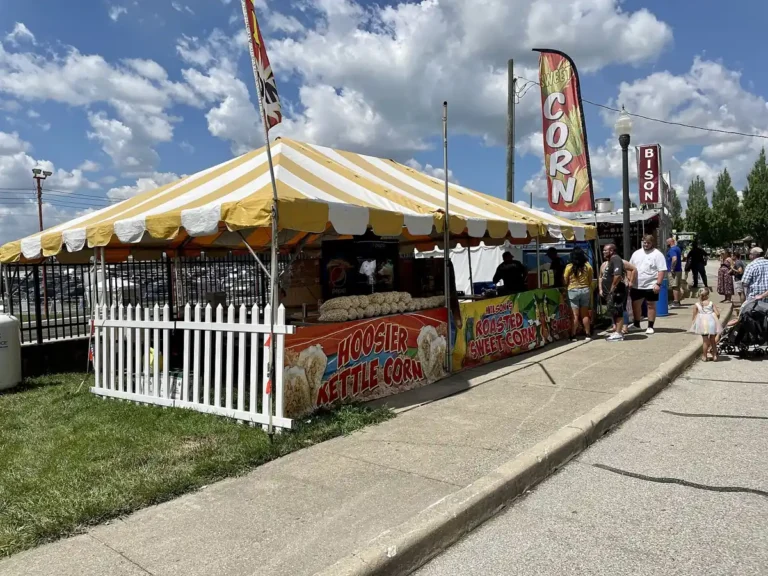
Food at a Kansas county fair is its own category. Expect the standard midway lineup — corn dogs, funnel cakes, burgers, snow cones, cotton candy — alongside concession stands run by local churches, clubs, and booster groups. Those volunteer booths are often the best value on the grounds: pulled pork, chili, homemade pie by the slice, and iced tea refilled without being asked. If you only eat at the carnival trailers, you are missing half the point.
Music, Grandstand Events, and Evening Entertainment
Evenings are when the fair shifts gears. Grandstand programming in a county like Stevens typically mixes live music, rodeo-style events, tractor and truck pulls, and youth competitions, with a local or regional act headlining. Between sets, the midway lights come up and the fairgrounds glow against a sky that stays bright much later than most visitors expect on the western edge of the Central Time Zone.
Family Activities and Things for Kids to Do
Children are the fair’s real engine. There are carnival rides for every age and nerve level, games along the midway, and the perennial draw of the livestock barns, where kids who have spent months haltering and grooming an animal finally get their moment. Petting areas, stick-horse events, and hands-on exhibits keep younger siblings busy while older ones prepare for a show. Strollers handle the grounds well, though the gravel and dust are worth planning around.
Planning a Trip to the Stevens County Fair
The fair is easy to attend and easy to underestimate. A little preparation makes a long, hot day far more comfortable.
Getting to Hugoton and the Fairgrounds
Hugoton sits in the southwest corner of Kansas, within a reasonable drive of Liberal, Ulysses, Elkhart, and Guymon, Oklahoma. Most visitors arrive by car, and the last stretch of highway is flat, open, and quick. If you are coming from out of state, plan the drive around daylight — the high plains look simple on a map but the distances between towns are longer than they appear.
Where to Stay Near Stevens County
Lodging in the immediate area is limited, so book early if the fair weekend overlaps with other regional events. Hugoton has a small number of motels, and nearby Liberal offers a broader selection of chain hotels roughly an hour away. Camping and RV sites are popular with fair families, and many out-of-town exhibitors stay on or near the grounds in trailers and horse rigs.
Parking Around the Fairgrounds
Parking is generally straightforward on and around the fairgrounds, with grassy lots and street parking filling up as evening events begin. Arrive before the grandstand program starts if you want an easy exit, and expect a slow, friendly crawl out of the lot afterward — nobody is in a hurry, and the traffic is part of the socializing.
Admission and What Things Cost
Entry to the fairgrounds is typically free, which keeps the event accessible to everyone in the county. Your spending goes to food, carnival rides and games, vendor booths, and any grandstand events that carry a separate ticket. Bring cash, since small concession stands and youth clubs may not take cards, and small bills move the line faster.
Weather on the High Plains
Late summer in southwest Kansas means heat, wind, and the occasional fast-moving thunderstorm. Daytime temperatures can be punishing, so hats, sunscreen, and water bottles are not optional. Evenings cool off pleasantly, which is why so much of the fair happens after sunset. Keep an eye on the western sky — storms here announce themselves from a long way off.
A Sample Fair Weekend in Hugoton
Friday afternoon: Arrive as the exhibit halls open and walk the home arts and 4-H displays before the crowds build. Grab an early dinner from a church or club booth, then settle in near the show ring for the evening livestock classes.
Saturday morning: Come back early for the youth shows and the barns at their busiest. This is when the real work of the fair happens — fitting, grooming, and last-minute coaching. Coffee and breakfast from a concession stand, then a slow loop through the vendor area.
Saturday evening: The midway at dusk, grandstand entertainment, and a final pass through the exhibition hall to see which entries earned ribbons. Stay for the lights.
Sunday: A quieter day for family activities, a last look at the animals, and the closing of exhibits. Many visitors use the morning to drive out and see the surrounding countryside before heading home.
Stevens County Fair Compared With Nearby Celebrations
Southwest Kansas and the Oklahoma Panhandle have a dense cluster of county fairs, and each has a distinct personality. The Seward County Fair in Liberal draws on a larger population and a busier commercial base, which shows in the scale of its midway and vendor area. The Grant County Fair in Ulysses sits in a similar agricultural setting and shares the same livestock-and-exhibits backbone.
Smaller fairs, such as those in Morton County around Elkhart, lean even harder into the 4-H and community-booth tradition, with less carnival footprint and more conversation. The Stevens County Fair lands somewhere in the middle: big enough for a real midway and grandstand lineup, small enough that you will recognize most of the people standing next to you. Visitors touring the region in late summer can string two or three of these fairs into a single trip.
Your Stevens County Fair Checklist
Pack for heat and dust: a wide-brimmed hat, sunscreen, sunglasses, and a refillable water bottle. Wear closed-toe shoes you do not mind scuffing, since barns and gravel lots are hard on sandals.
Bring cash in small bills, a light jacket or long-sleeve shirt for the evening temperature drop, and a folding chair if you plan to spend time at the grandstand. Charge your phone before you go and consider a battery pack for a long day.
Check the local fair schedule in advance for show times, grandstand lineups, and entry deadlines. If you are entering exhibits or livestock, confirm registration requirements early — deadlines usually fall well before the fair opens.
Beyond the Fairgrounds: Hugoton and the Stevens County Area
Hugoton rewards a slow look. The courthouse and the surrounding downtown blocks carry the plain, sturdy architecture of early-twentieth-century plains towns, and the streets are quiet enough to walk comfortably. The wider county is a working landscape of wheat fields, feedyards, and irrigation pivots — the kind of scenery that looks empty from a moving car and turns out to be full of detail once you stop.
For a longer trip, the region opens up in every direction. Liberal, to the east, has museums and a larger retail base. The Oklahoma Panhandle is a short drive south, and the Cimarron National Grassland area near Elkhart offers a genuinely different landscape of shortgrass prairie and open sky. Sunset on the high plains is the local attraction nobody advertises and everybody remembers.
What the Fair Means to Stevens County
In a county of about 5,250 people spread across 727 square miles, institutions that bring everyone together are rare and valuable. The fair is one of them. It is where scholarships get announced, where young people learn to handle responsibility in public, and where the agricultural knowledge that sustains the region gets passed from one generation to the next without anyone calling it education.
It is also, quietly, an economic and social engine. Vendors, concession operators, and local businesses all benefit from the traffic. But the deeper return is civic: a county that shows up for its own fair is a county that still believes in the place it lives. That is a harder thing to measure than a ribbon, and considerably more valuable.
Where the Fairgrounds Sit in Stevens County
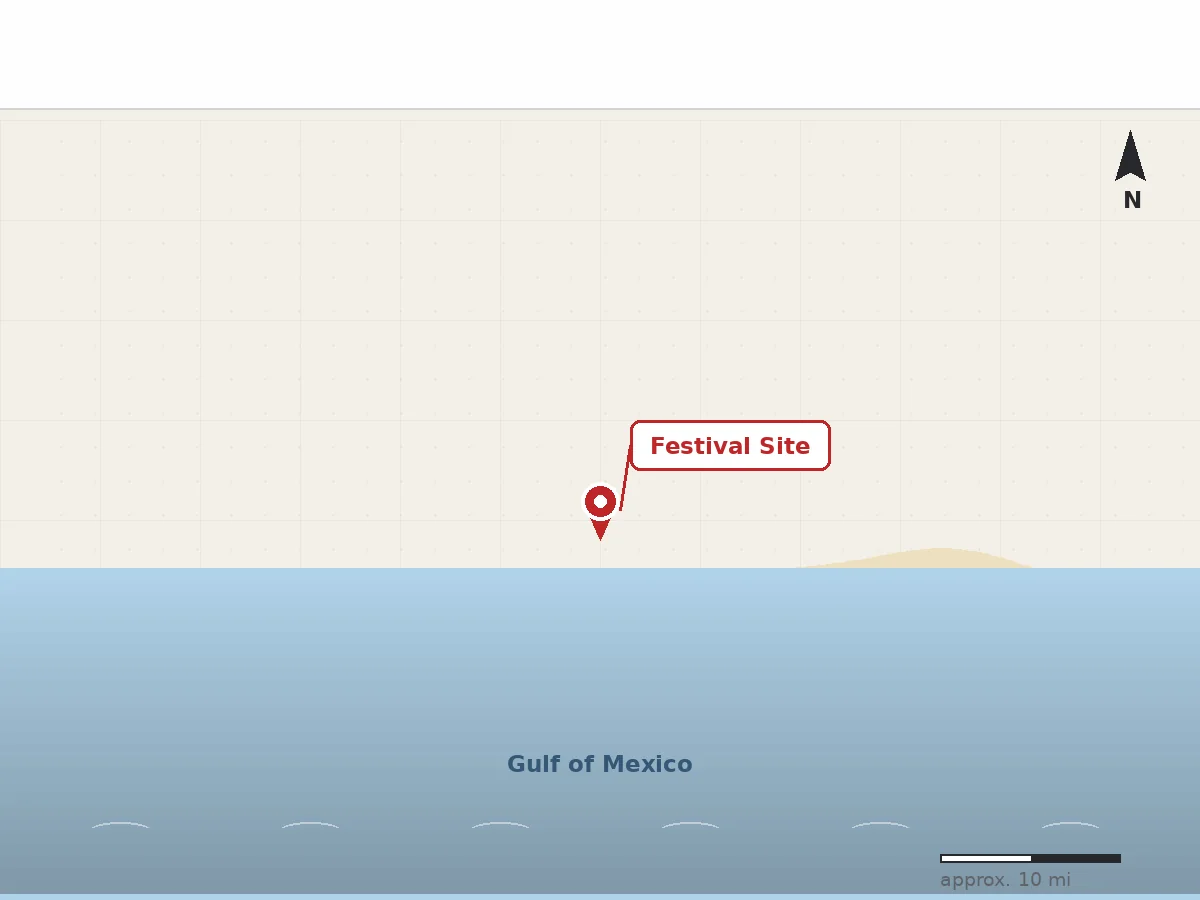
The Stevens County Fair is held at the county fairgrounds in the Hugoton area, the seat of Stevens County in southwest Kansas.
Stevens County Fair Questions, Answered
When does the Stevens County Fair usually take place?
It is a late-summer event, typically spanning several days in late July or August. Exact dates shift from year to year, so confirm the schedule with local sources before you plan travel around it.
Do you have to pay to get into the fair?
Admission to the grounds is typically free, with costs limited to food, rides, games, vendor purchases, and any separately ticketed grandstand events. That structure is one reason the fair remains a genuine all-ages community gathering.
Is the fair a good stop for families with young children?
Yes. The mix of carnival rides, animal barns, games, and hands-on exhibits is designed for kids, and the grounds are compact enough to cover on foot without exhausting anyone. Bring sun protection and plan around the hottest part of the afternoon.
How far is Hugoton from other southwest Kansas towns?
Hugoton is within an easy drive of Liberal, Ulysses, and Elkhart in Kansas, and Guymon, Oklahoma, sits just across the state line to the south. Most regional visitors make the trip by car in under two hours.
What’s Ahead for the Stevens County Fair
County fairs across the high plains are adapting rather than fading. Organizers in Stevens County face the same questions as their neighbors: how to keep young families involved, how to balance tradition with new entertainment, and how to fund fairgrounds upkeep in a county with a small tax base. The answer, so far, has been volunteer energy and steady community support.
Expect the livestock shows and 4-H exhibits to remain the core, with the midway and grandstand evolving around them. For anyone planning a visit, the fair’s future looks a lot like its past: a few hot, loud, generous days in late summer when Hugoton belongs to the whole county.
Last updated: October 2026
Whether you come for the livestock shows, the pie in the exhibit hall, or simply the chance to stand on the fairgrounds at dusk with the midway lights coming on, the Stevens County Fair offers something increasingly hard to find — a place where a small county still gathers as one, and where a visitor is treated less like an audience and more like a neighbor.