Shawnee County Kansas Shawnee County Fair Festival
Ask people around Shawnee County what summer sounds like, and the answers tend to rhyme: a loudspeaker calling a livestock class, a carnival ride clanking into motion, and someone hollering across a barn aisle about the heat. The Shawnee County Fair is that kind of event — modest in scale, deeply local in character, and shaped by the habits of farm families, 4-H clubs, and Topeka neighborhoods that treat fair week as a fixed point on the calendar.
The county spreads across 556 square miles of northeast Kansas, with Topeka as its county seat and 178,909 residents counted in the 2020 census. That mix shows up in the fairground crowd. Entries arrive from rural townships and city blocks alike, and an evening at the fair looks like the county in miniature: grandparents in folding chairs, teenagers working concession stands, and small children negotiating over ride tickets.
Shawnee County Fair: The Basics in One Table
| Town / area | Shawnee County area, Kansas |
| County | Shawnee County, Kansas |
| County seat | Topeka |
| Population | 178,909 (2020 census) |
| Land area | 556 square miles |
| Region | Northeast Kansas |
| Typical timing | Summer, most years in late July or August |
| Admission | Typically free to enter the grounds; rides and some shows cost extra |
| Setting | Fairgrounds with barns, exhibit halls, a midway, and a grandstand area |
| Features and organizer | Livestock shows, 4-H and open-class exhibits, carnival rides, food stands, grandstand entertainment; run by a volunteer fair board and community groups |
A County Fair Built on Barns, Booths, and Neighbors
The Shawnee County Fair is a traditional county fair, which means the center of gravity sits with exhibits rather than headline acts. Barns hold livestock; exhibit halls hold quilts, canned goods, photographs, vegetables, and school art; and the midway fills the space between. Visitors drift in and out of buildings, stopping to read judges’ comments on a pie or a pen of rabbits.
Residents describe their fair habits in predictable ways. Many arrive in the late afternoon, eat early, walk the barns while the light is still good, and settle near the grandstand before dark. Others come strictly for the food, treating fair week as a once-a-year excuse for corn dogs and funnel cake. Volunteers arrive before anyone else and leave after the last stall is hosed down.
Families plan around it months ahead. Entry deadlines, project drop-offs, and show times get written onto kitchen calendars, and relatives schedule visits from out of town to overlap with the fair rather than compete with it. For a lot of households in and around Topeka, the fair is less a single outing than a week-long routine.
For another look at how a community turns its own traditions into a gathering, see the Seward County Kansas 5 State Free Fair Festival for a useful comparison.
How the Shawnee County Fair Grew Alongside Topeka
County fairs in Kansas trace back to the nineteenth century, when agricultural societies organized exhibitions to compare crops, livestock, and household goods. Shawnee County — Topeka at its center, farmland stretching out in every direction — fit that model comfortably. Early fairs were practical affairs: a place to learn which seed performed better, which breed finished heavier, and which neighbor made the best preserves.
Over time the emphasis broadened. Youth organizations turned the fair into a showcase for year-long projects, and entries expanded from strictly agricultural categories to include crafts, baking, photography, and schoolwork. Grandstand entertainment, carnival rides, and concession stands followed, turning a farm meeting into a community gathering that city families also claimed as their own.
What has not changed is the volunteer structure. Fair boards, extension staff, club leaders, and families keep the event running, and the same surnames appear on entry forms year after year. For longtime residents, walking into the exhibit hall is less a novelty than a reunion — a place to check on neighbors and see what the season produced.
What a Fair Day in Shawnee County Actually Feels Like
A fair day here has a rhythm, and it rewards anyone willing to slow down and follow it.
Fair Food, From Kettle Corn to Church-Stand Pie
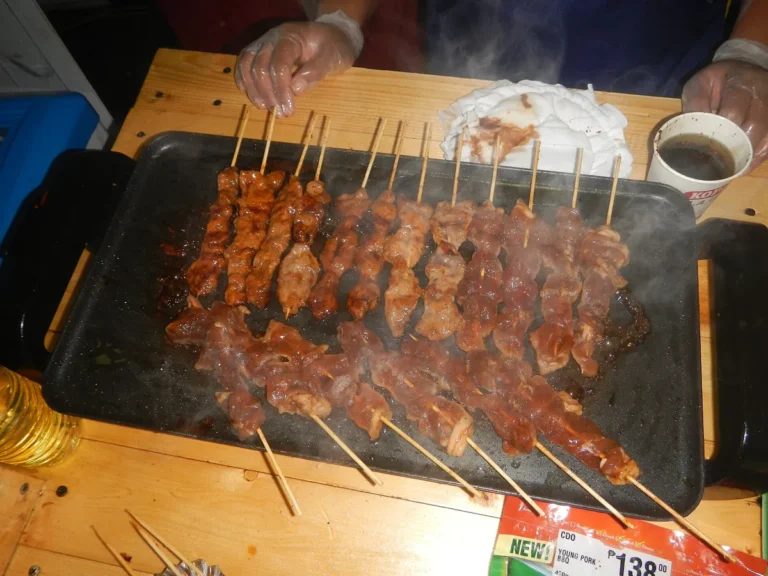
Food at the Shawnee County Fair is the familiar midway menu — corn dogs, funnel cakes, cotton candy, nachos, lemonade — supplemented by stands run by churches, clubs, and civic groups. Those stands are where regulars spend their money: volunteers staff them, portions run generous, and the pie and cinnamon roll tables tend to empty before the evening crowd arrives. Cash remains useful, though many vendors now accept cards.
Grandstand Nights and Local Entertainment
Entertainment leans local and practical. The grandstand schedule in a given year might include a tractor pull, a demolition derby, motocross, or a concert, alongside raffles, announcements, and recognition of exhibitors. Elsewhere on the grounds, the soundtrack is whatever the midway is playing, layered over the murmur of people who have not seen each other since last summer.
Family Activities and Youth Exhibits
For families, the fair is a low-pressure afternoon. Children can visit the barns, watch a livestock show, ride the carnival, and join activities organized by clubs and extension programs. Many parents treat the fair as a first taste of responsibility — a 4-H project, a showmanship class, a shift helping at a booth. Strollers handle gravel and grass fine; shade is scarcer than you would like.
Planning a Shawnee County Fair Visit
Getting There From Topeka and Nearby Towns
The fairgrounds sit within the Shawnee County area, a short drive from Topeka, and nearly everyone arrives by car. From Interstate 70 or U.S. 75, follow local signs toward the grounds; from smaller Shawnee County towns such as Silver Lake, Rossville, or Auburn, the trip is usually well under half an hour.
Where to Stay in and Around Shawnee County
Topeka holds the county’s largest concentration of hotels and motels and is the practical base for out-of-town visitors, with the widest choice downtown, along Wanamaker Road, and near I-70. Some travelers prefer area campgrounds or the homes of friends and family. If you hope to camp at the fairgrounds, confirm the current policy before hauling a trailer.
Parking and Traffic on Busy Evenings
Parking is generally on or beside the fairgrounds in grass and gravel lots, and it fills quickly on weekend evenings and during grandstand events. Arriving before the dinner hour helps. Follow the volunteers directing traffic instead of inventing a spot of your own; they know which gates close first and which exits jam up.
Admission, Tickets, and What Costs Extra
Admission to the fairgrounds is typically free, with spending concentrated on carnival rides, food, and any ticketed grandstand shows. Bring some cash for small vendors, budget separately for rides, and check the schedule ahead of time if a specific event is the reason for your visit.
Kansas Summer Weather and What to Wear
Kansas summer weather is the wild card. Days run hot and humid, evenings can cool down, and thunderstorms can build quickly. Dress light, carry water, keep a rain shell in the car, and know where you would shelter if the sky turns. Fair staff monitor conditions and will pause activities when lightning is nearby.
A Sample Fair Weekend in Shawnee County
Arrive Friday in the late afternoon and park before the dinner rush. Start in the exhibit halls while they are still quiet, eat at a club stand, then walk the barns as the light softens. Finish near the grandstand for the evening’s event and leave after the crowd thins.
Come Saturday early for livestock shows and youth project judging. Spend the hot middle of the day in shade or indoors, then return for the carnival and the busiest midway hours. Saturday evening is the loudest and most crowded stretch of the fair, so set a meeting point if your group splits up.
Sunday is calmer and better suited to families with small children or anyone wanting a second look at exhibits. Check closing times, collect any entries you submitted, and head out before the final exodus from the parking lot.
How the Shawnee County Fair Compares Nearby
Shawnee County’s fair sits in a region full of similar traditions. Douglas County around Lawrence, Riley County around Manhattan, and Pottawatomie County around St. Marys each hold their own summer fairs, usually within the same few weeks. Families across northeast Kansas often measure the season by which fairs they manage to attend.
The differences are matters of scale and flavor rather than kind. Fairs tied to a larger city tend to draw bigger midway crowds and wider vendor variety; fairs in more rural counties lean harder into livestock and agricultural competition. Shawnee County lands in between, with a county seat of 178,909 residents at its center and 556 square miles of farmland around it.
What to Pack and Know Before Fair Day in Shawnee County
Pack for a Kansas summer evening: water bottles, sunscreen, hats, insect repellent, a light rain jacket, and shoes that can handle gravel and grass. Bring cash for small vendors and ride tickets, and carry a tote for anything you buy in the exhibit halls. Check the schedule in advance if a particular grandstand event matters to you.
Leave pets at home unless the fair explicitly welcomes them, and keep children close around livestock and moving equipment. If you plan to enter exhibits, note drop-off and pickup windows ahead of time; those deadlines are strict, and they are the most common source of fair-week frustration.
Beyond the Fairgrounds: Topeka and the Rest of Shawnee County
Topeka anchors any extended stay. The Kansas State Capitol, the Kansas Historical Society, the Topeka Zoo, and the Kansas Children’s Discovery Center are all within easy reach of the fairgrounds, and the city’s restaurants run from barbecue to taquerias to old-school diners. A fair visit pairs naturally with a morning in the capital city.
Beyond the city limits, Shawnee County opens into prairie, farmland, and small towns linked by county roads and the Kansas River corridor. Drive twenty minutes in almost any direction and the landscape explains why the fair exists in the first place: row crops, pasture, and the working agriculture that supplies most of what ends up in the exhibit halls.
For a slower afternoon, the river trails and the older neighborhoods near downtown Topeka reward a walk, and the surrounding towns hold their own small events through the summer. Fair week is often the moment when families tack on a day in the city or a drive through the countryside.
What the Fair Means to Shawnee County Residents
For residents, the fair works as an annual audit of community life. It is where a child’s first ribbon gets pinned to a bedroom wall, where a family’s canned tomatoes get judged against a neighbor’s, and where volunteers who never appear in any program get credit simply by showing up again.
That is the part visitors notice first — not the rides or the food, but the familiarity. People greet each other by name across the midway. Someone always knows whose trailer is parked by the barn. In a county of 178,909 people, the fair is one of the few places where that scale briefly collapses into something that feels like a small town.
Where the Shawnee County Fair Sits on the Map
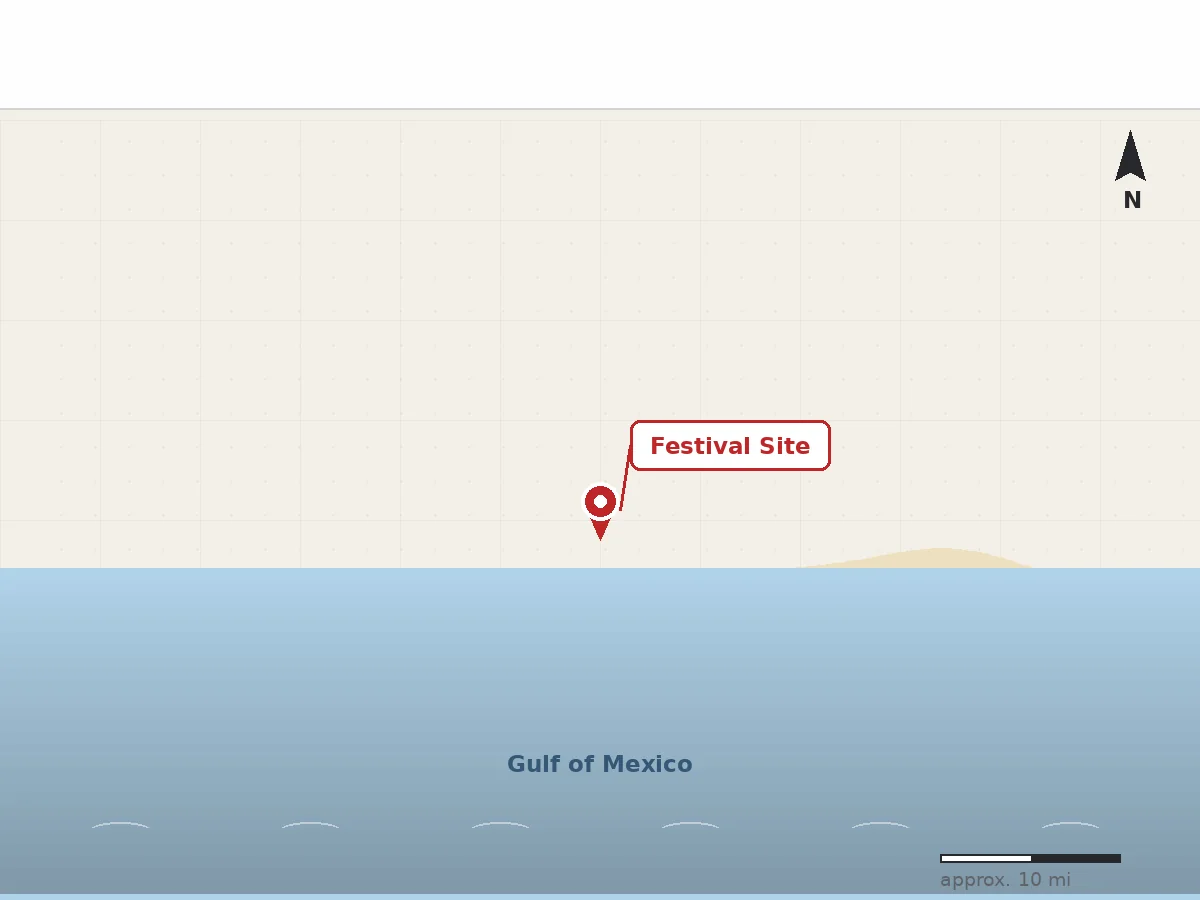
The Shawnee County Fair takes place at the fairgrounds serving the Shawnee County area, with Topeka — the county seat — as the nearest large city and the easiest landmark for out-of-town visitors.
Common Questions About the Shawnee County Fair
Is the Shawnee County Fair free to attend?
Admission to the fairgrounds is typically free. Costs come from carnival rides, food, and any ticketed grandstand events, so plan to spend on those rather than on entry. Bring a little cash in case a vendor does not take cards.
When is the Shawnee County Fair usually held?
The fair is a summer event, most often falling in late July or August, which is the standard window for county fairs across Kansas. Confirm the current year’s dates with the fair’s own schedule before planning travel, since the exact weekend shifts from year to year.
Is the fair suitable for young children?
Yes. Families with small children tend to come earlier in the day or on Sunday, when crowds are lighter and the heat is less intense. Barns, carnival rides, and youth activities are the main draws, and strollers manage the gravel and grass without much trouble.
Where should out-of-town visitors stay?
Topeka is the most practical base, with the county’s largest selection of hotels and motels and a short drive to the fairgrounds. Campers should check current fairground policies or look at area campgrounds before committing to a spot.
The Next Chapter for the Shawnee County Fair
County fairs survive by adapting. Organizers in Shawnee County face the same pressures as their counterparts elsewhere: rising costs, volunteer shortages, and competition for families’ summer weekends. The response in most Kansas counties has been to broaden programming while keeping the agricultural core intact.
Expect the Shawnee County Fair to keep leaning on what already works — youth exhibits, livestock competition, food stands run by local groups, and a grandstand schedule that gives people a reason to stay past sunset. As long as the barns fill and the exhibit halls have entries, the fair will keep its place on the county calendar.
Last updated: October 2026
If you go, go slowly. Walk the barns before the crowds arrive, buy something from a stand staffed by people who live down the road, and stay for the light to drop. That is how Shawnee County has done it for generations, and it is still the best way to understand the place.



One Comment