Scott County Kansas Free Fair Festival
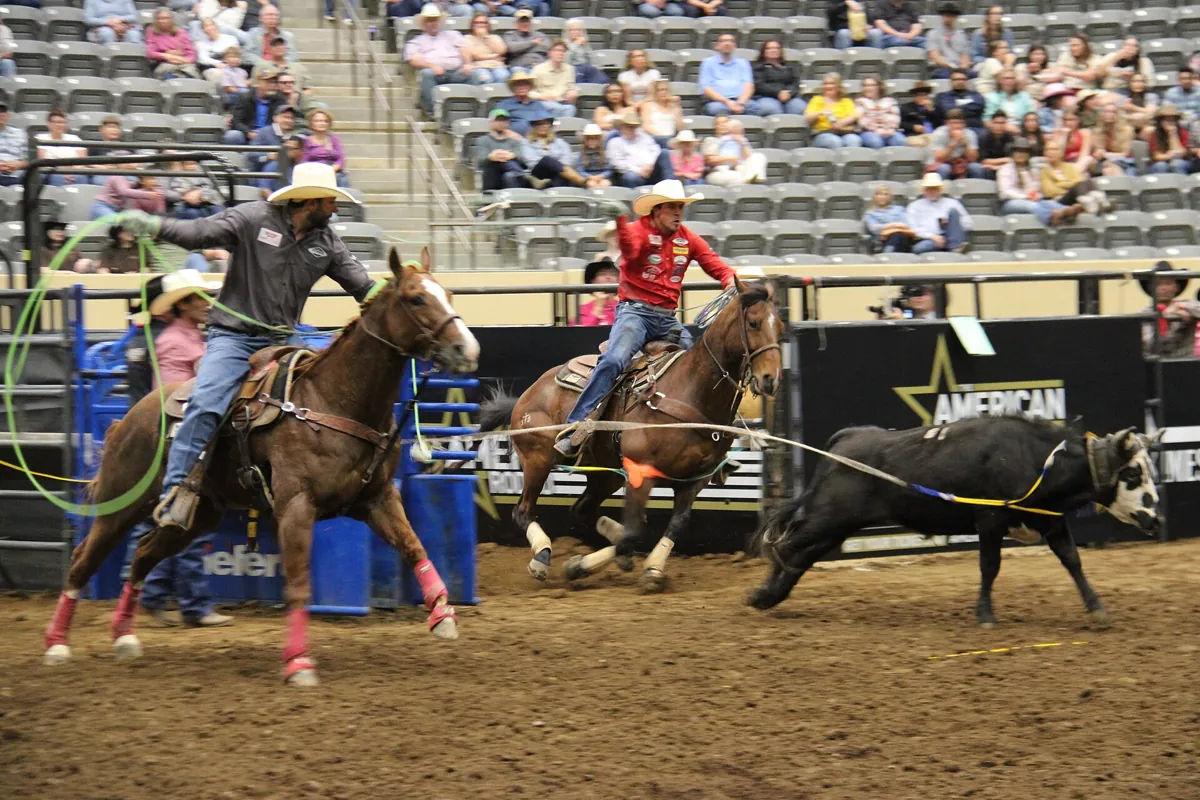
There is a stretch of late summer when Scott County, Kansas, stops watching the clock and starts watching the sky. The Scott County Kansas Free Fair is the reason. For a few days in most years, the county’s 718 square miles of wheat ground, pasture, and small-town streets funnel toward the fairgrounds at Scott City, and the calendar fills with livestock shows, exhibit halls, grandstand nights, and the kind of visiting that only happens once a year.
The habits around the fair barely change. Families claim the same patch of shade. Grandparents walk the exhibit hall first and the barns second. Teenagers drift toward the midway, then sprint back when a friend’s name is called over the loudspeaker. And the greeting you hear most often, repeated across the grounds from the moment the gates open, is some version of, “I haven’t seen you since last year’s fair.”
Why Scott County, Kansas Clears Its Calendar for the Free Fair
County fairs in western Kansas are not optional social events. They are the annual accounting of a place — who raised the best steer, who canned the best peaches, who grew up and moved away, who came back. In Scott County, that accounting happens under the banner of a free fair, which tells you something about how the community thinks of itself.
Free Fair Basics for Scott City and Scott County
A quick orientation before you build a trip around it:
| Town / area | Scott City and the surrounding Scott County area |
| County | Scott County, Kansas |
| County seat | Scott City |
| Population | 5,151 (2020 census) |
| Region | Western Kansas, on the High Plains |
| Typical timing | Late summer, usually the final days of July into early August |
| Admission | Free gate, in keeping with the Free Fair name |
| Setting | A county fairgrounds in Scott City, ringed by open farmland and ranch country |
| Signature features | Livestock and 4-H exhibits, open-class entries, grandstand entertainment, midway rides, food stands run by local groups |
| Organizer | A volunteer fair board working alongside the county’s youth agricultural and community organizations |
What a Free Fair Means in a County of 5,151 People
Scott County was founded on March 20, 1873, and named for Winfield Scott. Its county seat is Scott City, and the 2020 census counted 5,151 residents living across 718 square miles — roughly seven people for every square mile of ground. Numbers like that explain why the fair matters more here than it would in a metro suburb. There is no anonymous crowd in Scott County. Every ribbon winner has a name your neighbor knows.
For another look at how a community turns its own traditions into a gathering, see the Scott County Iowa Great Mississippi Valley Fair Festival for a useful comparison.
The free gate is not a promotion. It is a principle. When your county is this large and this lightly populated, the fair has to be something everyone can walk into without deciding whether it fits the budget. Residents describe it as the one week when the whole county is in the same place at the same time, and they mean that literally: farm families, town families, retirees, and kids who have been prepping projects since spring.
It is also, quietly, a working reunion. People who left for college or jobs in Wichita, Denver, or Kansas City plan summer visits around fair week. Local businesses adjust staffing. The rhythm of Scott City bends toward the fairgrounds, and then, a few days later, bends back.

From 1873 Homesteads to Late-Summer Grandstands
Free fairs across Kansas grew out of the agricultural society tradition of the late nineteenth century, when counties wanted a yearly occasion to compare crops, livestock, and machinery — and to see each other. Scott County, organized in 1873 and named for Winfield Scott, filled in with homesteaders, wheat farms, and cattle outfits, and its fair took a place in that same tradition.
What changed over the decades was mostly equipment. Horse teams gave way to tractors, open-air judging moved into barns and exhibit buildings, and youth programs became the heartbeat of the schedule. What stayed was the ritual: entries judged in the morning, grandstand events in the evening, and the same families sitting in the same spots year after year.
The Free Fair name survived because the community kept it. In a county where the population has always been measured in the thousands rather than the hundreds of thousands, keeping the gate open is a statement about who the fair belongs to. It belongs to everyone who lives here, and to anyone passing through who wants to see what a High Plains county looks like when it gathers.
Inside a Scott County Fair Week
Food: Church Stands, Local Beef, and Pie by the Slice
Fair food in Scott County is less about novelty than about provenance. Expect stands run by local organizations, beef raised on county pasture, and a pie table that draws a line before the gates have been open an hour. Coffee starts early for the families who slept near the barns; the fryers and grills fire up by mid-morning and run until the grandstand empties.
Regulars have their routines. One family eats at the same stand every year on the same evening, then walks the exhibit hall to argue politely about who should have won the bread category. You will hear someone insist the cinnamon rolls sell out first — and you will see them sell out first.
Music and Grandstand Nights
Evenings belong to the grandstand. Programming leans local and leans traditional: area musicians, community performances, and the kind of crowd-pleasing events a county this size can fill a set of bleachers with. Bring a blanket or a lawn chair and stake out a spot early, because the good seats go fast and nobody moves once the show starts.
Family Activities: Barns, Midway, and First Ribbons
The livestock barns are the most educational part of the fair and the most welcoming. Kids who have spent months haltering, feeding, and grooming an animal are happy to talk about it. The exhibit hall covers baking, canning, photography, quilting, and garden produce, and the open classes mean adults compete right alongside the 4-H members.
For younger children, the midway rides and games are the main attraction, with the show ring running a close second. Parents tend to split the day: rides in the afternoon heat, barns in the evening when the animals are up and moving. A first ribbon — any color — is treated like a major event by the whole extended family.
Planning a Fair Trip to Scott City
Getting to Scott City
Scott City is the county seat and the hub of Scott County’s road network, which means you will arrive by highway no matter which direction you come from. From the east and west, the drive crosses some of the straightest, emptiest miles in Kansas. Fuel up before you leave the last larger town and give yourself daylight for the final stretch if you are not used to open plains driving.
Where to Stay Around Scott County
Lodging in the Scott City area is limited and fills quickly during fair week, especially for the weekend nights. Book well ahead, or plan to base yourself in a neighboring regional town and drive in. Campers and RV travelers often build the fair into a longer western Kansas loop, but hookups and space are finite, so confirm arrangements before you commit to a schedule.
Parking at the Fairgrounds
Parking around the fairgrounds is straightforward on ordinary evenings and tight on grandstand nights. Arrive an hour before the main event if you want a short walk, and expect the field edges and side streets to absorb the overflow. Follow the directions of volunteers rather than inventing your own space; they know where the livestock trailers need to move.
What It Costs
General admission is free, which is the whole idea behind a free fair. Individual purchases — food, midway rides and games, raffle tickets, and some grandstand concessions — are where money changes hands. Bring cash in small bills. Rural fairs move fast at the stands, and card readers can be unreliable in a crowded, dusty setting.
Late-Summer Weather on the High Plains
Expect heat. Late July and early August on the High Plains mean hot afternoons, strong sun, and wind that never quite stops. Evenings cool off noticeably, sometimes dramatically, once the sun drops. Afternoon thunderstorms can roll through quickly, so keep an eye on the sky, pack a hat and sunscreen, and bring a light layer for after dark.
A Sample Weekend at the Scott County Free Fair
Friday evening. Arrive before the dinner rush, walk the exhibit hall while it is still quiet, then eat at a stand run by a local group. Claim grandstand seats early and stay for the full program. This is the night the county shows up in force, so treat it as a people-watching evening as much as an entertainment one.
Saturday morning. Come back early for the livestock shows. The barns are at their best before the heat sets in, and the families there have been up since before dawn. Ask questions; you will get real answers. Follow with the open-class exhibits and a slow pass through the commercial booths.
Saturday afternoon. This is the hottest stretch of the day, which makes it the right window for the midway with kids or a shaded break with something cold. Rest if you can — Saturday night is the biggest evening of the week.
Sunday. Fair week winds down with a slower pace, final exhibits, and the last of the food stands. It is the best time to actually talk to people, because the urgency is gone. Drive the county roads afterward if you want to understand the landscape the fair comes out of.
Scott County’s Fair Next to Neighboring Towns
Most county seats across western Kansas hold their own fair traditions in the same late-summer weeks, which makes for interesting comparisons. Garden City, farther along the region’s main corridors, is a larger commercial center with more in the way of restaurants, hotels, and retail to build a trip around. Hays brings a university-town energy and a deeper bench of dining and entertainment options.
Smaller neighboring county fairs, by contrast, run leaner — sometimes a single barn, a single night of grandstand programming, and a food stand or two. The Scott County Free Fair sits comfortably in the middle. It is small enough that you will recognize faces by the second evening and large enough to fill a midway, a grandstand, and an exhibit hall without stretching.
Fair Week Checklist for Scott County Visitors
— Cash in small bills, plus a card as backup.
— Sunscreen, a wide-brimmed hat, and a refillable water bottle.
— A light jacket or long-sleeve layer for cool evenings.
— Closed-toe shoes; barns, gravel, and dust are hard on sandals.
— Lawn chairs or a blanket for grandstand seating.
— A phone battery pack, since outlets are scarce.
— Advance lodging confirmed, not assumed.
— Patience for parking on the busiest nights.
— An empty cooler or tote for anything you buy from vendors.
Beyond the Fairgrounds: The Rest of Scott County
Once you have walked the grounds, drive the county. Scott County spreads across 718 square miles of wheat fields, grazing land, and long horizons, with Scott City as its commercial center. Grain elevators, equipment dealerships, and Main Street storefronts tell you what the local economy actually runs on — and it is the same agriculture the fair celebrates.
The county’s back roads are quiet and easy to navigate, and the sunsets are the reason people who grew up here miss them when they leave. Pair a fair visit with a slow loop through the countryside, a meal in Scott City, and a stop at whatever local event happens to be running that weekend. In a place this size, one conversation usually leads to three more invitations.
Why the Free Fair Still Holds Scott County Together
The fair survives because people keep volunteering for it. Board members, barn superintendents, food-stand crews, and gate greeters are almost all local, and many of them started as kids showing animals in the same ring. That continuity is the real infrastructure of the event — more important than any building on the grounds.
Residents describe fair week as the one time of year when the county’s scattered population becomes a single community again. For farm families whose nearest neighbor may be a mile away, that matters. For kids, it is where they learn to speak in public, handle an animal, and lose gracefully. For older residents, it is a reunion with a fixed address.
Where the Scott County Free Fair Happens
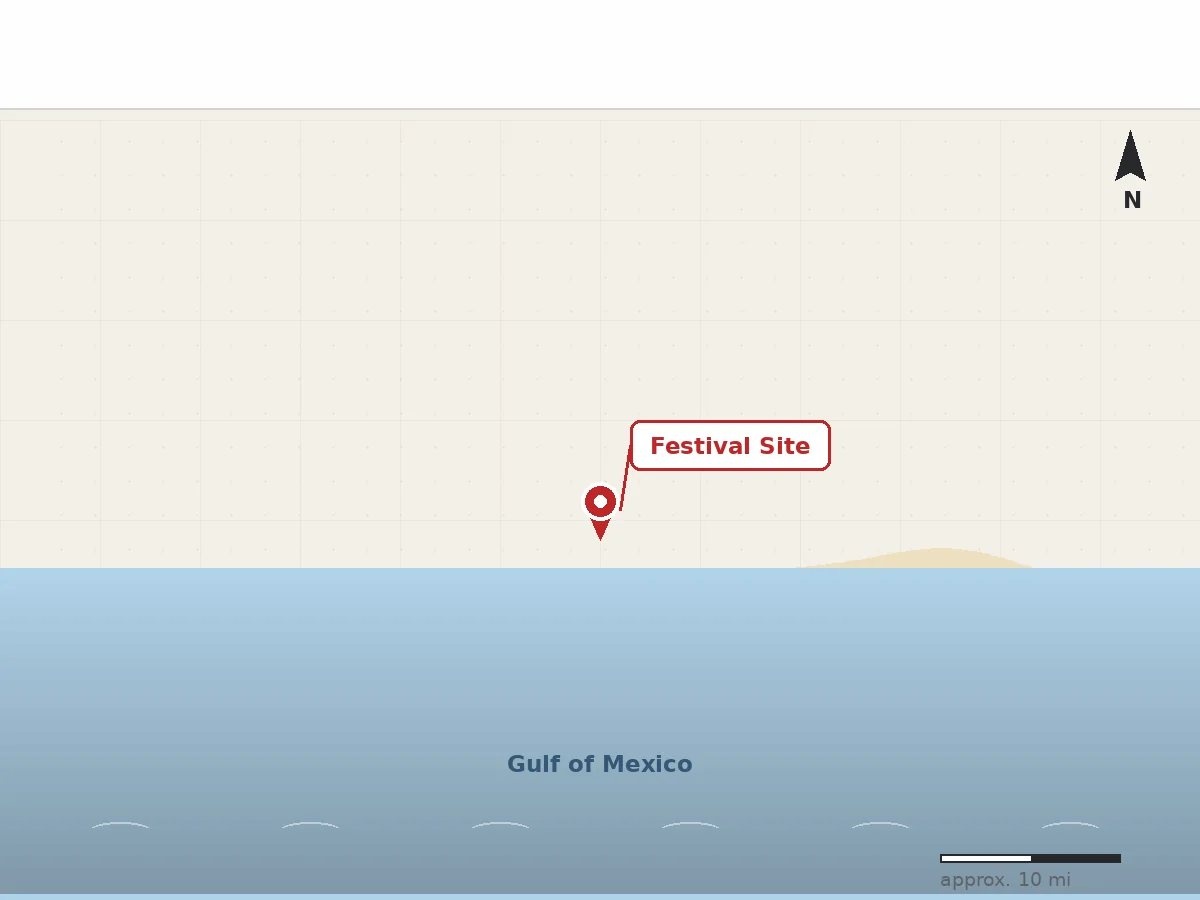
The Scott County Free Fair takes place at the fairgrounds in Scott City, the county seat of Scott County in western Kansas.
Fair Week Questions from Scott County Visitors
Is the Scott County Free Fair really free to enter?
Yes. General admission to the grounds follows the free-fair tradition, so there is no gate ticket to buy. You will still spend money if you want midway rides, food, games, or raffle tickets, so carry cash and treat those as the real budget items.
When does the fair usually take place?
It falls in late summer, most often in the final days of July into early August. Exact dates shift year to year, so confirm the current schedule through local sources before you book lodging or plan time off work.
Where should out-of-town families stay?
Scott City has the closest lodging, but inventory is small and fair week absorbs much of it. If local rooms are gone, look at larger regional towns within driving distance and plan for a longer commute. Book early — this is the busiest week of the summer in the county.
What should a first-time visitor bring?
Water, sunscreen, a hat, closed-toe shoes, and a layer for cool evenings. Add a lawn chair for grandstand nights, cash for food stands, and a little flexibility — the best parts of a county fair are usually the unplanned conversations in the barns.
Looking Ahead for the Scott County Free Fair
The fair’s future depends on the same things it always has: volunteers willing to run a food stand, families willing to enter exhibits, and a community willing to keep the gate open. Youth programs continue to feed new participants into the schedule, and the free-admission tradition remains the fair’s clearest statement about who it belongs to. As long as Scott County keeps showing up in late summer, the fair keeps going.
Last updated: October 2026
If you plan a trip around the Scott County Kansas Free Fair, plan it the way locals do — loosely, with room for a second lap through the barns, an extra slice of pie, and a long conversation with someone you just met. In a county of 718 square miles and 5,151 people, the fair is where the whole place briefly becomes one town, and that is worth a late-summer drive across the plains.



One Comment