Scott County Iowa Great Mississippi Valley Fair Festival
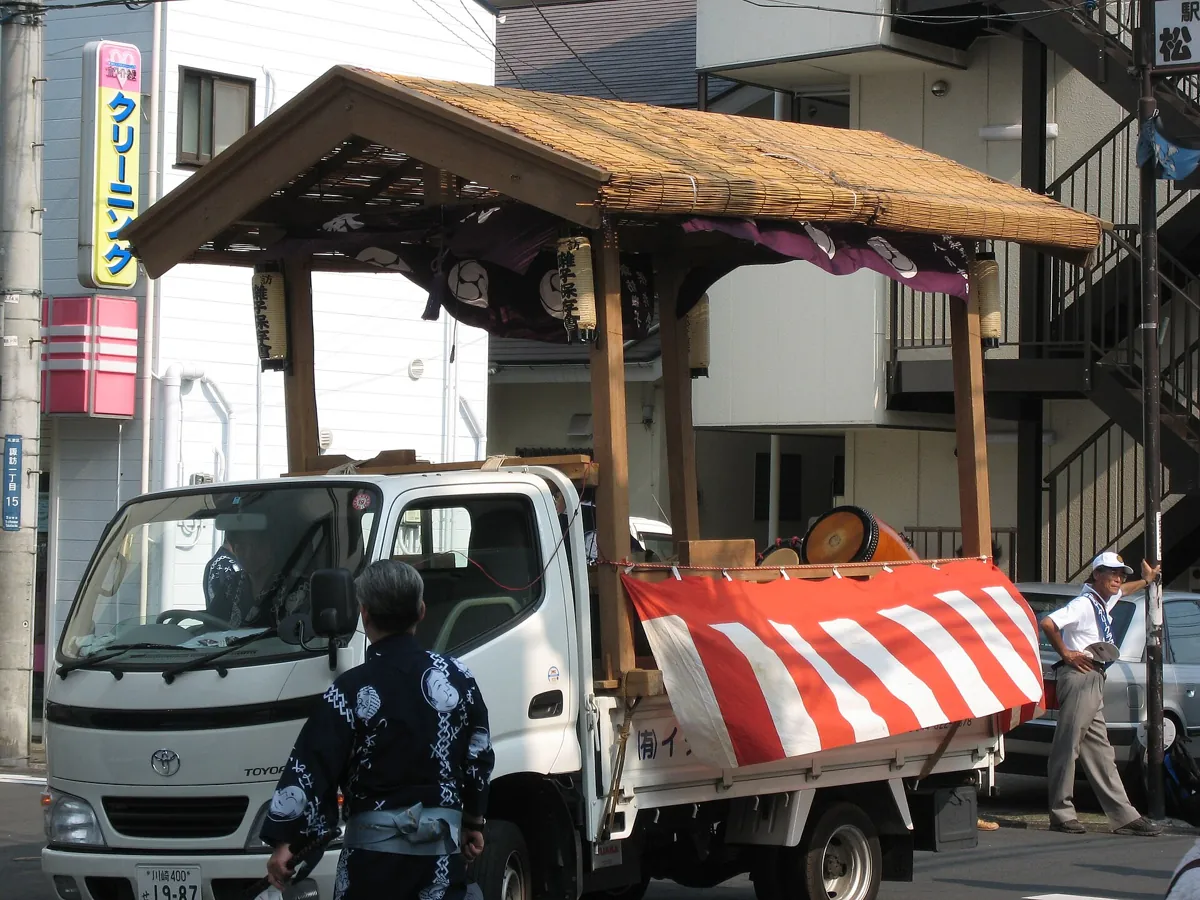
Scott County spreads across 468.211 square miles of eastern Iowa, and for a stretch of midsummer its summer energy funnels into a single place. The Great Mississippi Valley Fair is the county’s biggest traditional fair — midway rides, grandstand shows, livestock barns and food stands — and it has been woven into life around Davenport for generations.
This is a practical guide for people who are actually going: what the fair is, how to shape a day around it, where to park, what to budget for, and how to build a weekend out of it. Whether you live minutes away in the Davenport area or you’re driving in from elsewhere in Iowa, the plan is the same — arrive with a strategy and leave with a full stomach.
The Great Mississippi Valley Fair: Key Details for Visitors
| Town / area | Scott County area, Iowa (Davenport vicinity) |
| County | Scott County, Iowa |
| County seat | Davenport |
| Population | 174,669 (2020 census) |
| Region | Eastern Iowa, Mississippi River valley |
| Typical timing | Midsummer, over a multi-day run |
| Admission | Gate and ride pricing is set each year; confirm current rates |
| Setting | Outdoor fairgrounds with midway, grandstand and barns |
| Signature features | Carnival rides, grandstand entertainment, livestock exhibits, fair food |
| Organizer | Local fair board and community volunteers |
What the Great Mississippi Valley Fair Actually Is
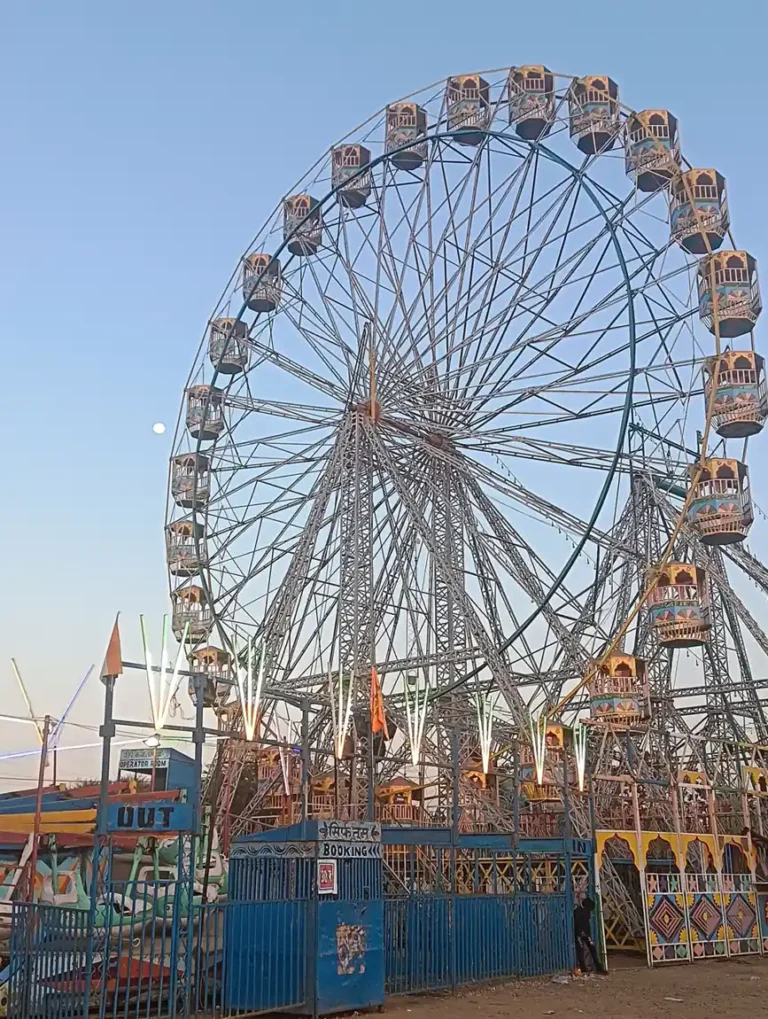
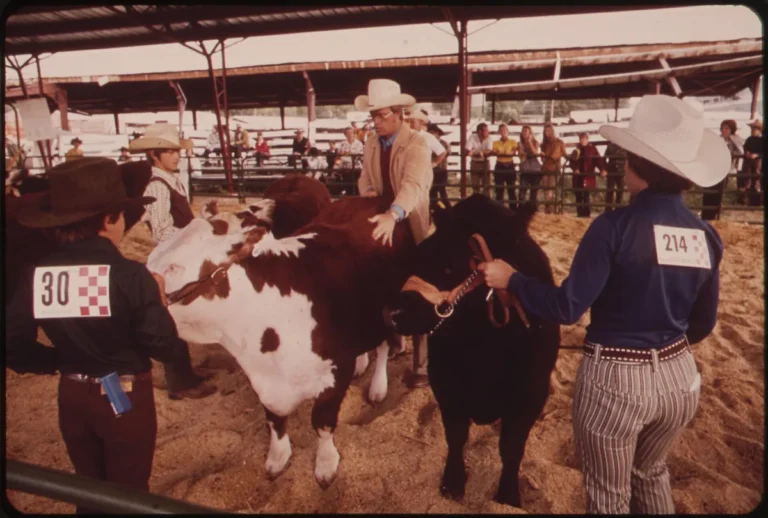
Strip away the promotional language and the Great Mississippi Valley Fair is a classic county-scale fair with a river-valley identity. A midway fills with rides, game booths and lights after dark. Barns hold livestock and the exhibits that local families and youth groups spend months preparing. A grandstand anchors the evening with concerts and crowd-pleasing entertainment. Food stands run the length of the grounds.
The fair runs over a multi-day stretch rather than a single afternoon, which changes how you should approach it. One night can be about the grandstand. Another can be about riding everything twice with kids in tow. A third can be slow — wandering the barns, eating, sitting on a bench while the lights come up. Because it is a Scott County institution, the crowd is mixed: families with strollers, teenagers on the midway, and older couples who have been coming since they were kids. Dress is casual, and comfort beats style every time.

From a County Founded in 1837 to a Modern Fair Tradition
Scott County was founded on December 21, 1837, with Davenport named as the county seat. In the decades that followed, the region grew around the Mississippi River — river traffic, lumber, railroads — while agricultural communities spread across what would become 468.211 square miles of farmland, bluffs and small towns.
For another look at how a community turns its own traditions into a gathering, see the Saline County Kansas Tri Rivers Fair Festival for a useful comparison.
Fairs followed the farms. Across Iowa and the Midwest, county and regional fairs grew out of agricultural societies that wanted a yearly showcase for crops, livestock and new machinery, plus a reason for neighbors to gather. The Great Mississippi Valley Fair belongs to that lineage: a river-valley fair with farming roots that gradually added entertainment, rides and grandstand acts as the years went on.
That evolution explains how the fair feels today. The livestock and exhibit side still matters. The carnival side grew louder. The grandstand became the social center of the evening. And the whole thing stayed tied to Scott County’s calendar in a way a traveling event never could.
What a Day at the Great Mississippi Valley Fair Feels Like
Fair days have a rhythm. Mornings and early afternoons are calmer and better for families with small children. Late afternoon brings the crowds, and after dark the midway is at its best. Plan around that arc instead of fighting it.
Fair Food and the Midway Menu
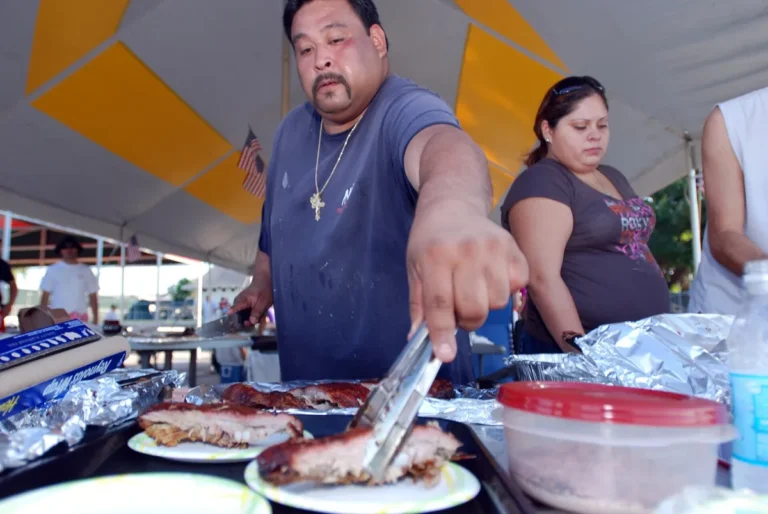
Food is half the reason people come. Expect the full fair canon — corn dogs, funnel cakes, lemonade, grilled meat on sticks, fried everything — plus regional staples that reflect Iowa’s farming base. Lines are shortest mid-afternoon and longest around the dinner hour. If you’re chasing a specific stand, walk the grounds once early, note where it is, and come back when the queue thins.
Grandstand Music and Evening Entertainment
The grandstand is where the fair turns into a night out. In most years the schedule leans on live music and crowd-friendly entertainment, with seating arrangements that vary by act. Evening shows fill fast, so treat the grandstand as the anchor of your plan: pick your night, arrive early, and let the rest of the evening orbit around it.
Family Activities, Barns and Kid-Friendly Corners
For families, the fair works best as a slow loop rather than a sprint. Start with the animals and exhibits, where kids can get close to livestock and talk to the people who raised them. Move to the kiddie rides before the evening rush. Save the games and the sweet stuff for last, when everyone is tired enough to sit still and watch the lights.
Planning a Fair Trip Around Scott County
A little preparation saves a lot of standing around. Here’s how to think about the logistics.
Getting There from Davenport and the Rest of Scott County
The fair sits in the Scott County area, easily reached from Davenport and the surrounding communities, and most visitors drive. If you’re coming from out of town, treat it as a day trip and build in buffer time — roads closest to the grounds get busy in the hour before the evening grandstand.
Where to Stay Near the Fairgrounds
Scott County has a solid base of lodging in and around Davenport, from chain hotels to smaller independent properties, plus short-term rentals in nearby communities. Book early for midsummer weekends, since fair week overlaps with general summer travel. Staying close keeps your drive short and lets you split a fair day into two easier halves.
Parking and Gate Logistics
Parking is typically on or adjacent to the fairgrounds, with lots filling from mid-afternoon onward. Arrive early on grandstand nights, agree on a meeting point if your group splits up, and expect a slow crawl out at closing time. Bring a card and a little cash so you’re covered either way.
Admission, Ride Costs and Daily Budgeting
Gate and ride pricing is set by the fair each year, so confirm current rates before you go rather than relying on last season’s numbers. Budget in three buckets: entry, rides and games, and food. Ride wristbands or bundled passes, when offered, usually beat paying per ride for kids who want to go all evening. Set a food ceiling before you walk in.
Iowa Summer Weather and What to Wear
Midsummer in eastern Iowa means heat, humidity and the chance of a fast afternoon storm. Wear light clothing and broken-in shoes, bring sunscreen and a refillable water bottle, and keep a light rain layer in the car. Evenings along the river can cool off more than people expect, so a hoodie for the kids is rarely wasted space.
A Sample Fair Weekend in the Mississippi Valley
Friday: arrive mid-afternoon, before the gates get busy. Walk the grounds once to get oriented, eat an early dinner from the food stands, then settle in at the grandstand for the evening show. Leave before the final rush if you have kids — you’ll trade a few minutes of music for a much easier exit.
Saturday: this is the big day, so start it late and pace yourself. Spend the early afternoon on exhibits and livestock barns, ride the kiddie rides before lines build, then take a real break during the hottest hours. Return in the evening for rides, games and the midway lights.
Sunday: come for the quieter version. Fewer crowds, shorter lines, and a chance to actually talk to exhibitors. Do a final food lap, pick up anything you meant to buy on Friday, and finish with one last walk through the barns before heading home.
How It Compares to Other Iowa Fairs and River Towns
The Great Mississippi Valley Fair occupies a useful middle ground. It’s bigger and more produced than a small township fair, but it keeps the county-fair texture — livestock, local exhibitors, familiar faces — that the largest state-level events trade away for sheer scale. If you’ve been to the Iowa State Fair in Des Moines, expect a comparable range of food and entertainment in a more walkable package.
Compared with neighboring county fairs across eastern Iowa, the difference is setting. Few fairs sit this close to the Mississippi River and to a county seat the size of Davenport, which means more lodging, more dining and easier logistics for out-of-town visitors. Smaller fairs nearby can feel more intimate; this one feels like a regional night out.
Fair-Day Checklist for Scott County Fairgoers
Before you leave: check the fair’s current schedule and gate policy online, since dates and pricing change year to year. Charge your phone and bring a portable battery. Pack sunscreen, hats, refillable water bottles and a light rain jacket. Wear shoes you’ve already broken in — you’ll walk more than you think. Bring a card and a little cash. Agree on a meeting point before you go through the gate. Keep a hoodie in the car for the cooler river evening, and screenshot your parking spot location, because fairground lots look identical after dark.
Beyond the Fairgrounds: The Rest of Scott County
Scott County is more than its fair week. Davenport, the county seat, sits on the Mississippi River and gives visitors a riverfront to walk, a downtown to eat in, and a compact urban base for a longer stay. The county’s 468.211 square miles stretch well past the city limits into farmland, small towns and river bluffs.
If you’re in the area for more than a day, use the fair as the anchor and fill the edges. Mornings suit riverfront walks and coffee. Afternoons can go to the smaller communities scattered across the county, where the pace is slower and local businesses are easy to browse.
What the Fair Means to Scott County
For a county with 174,669 residents, a fair is one of the few events that genuinely cuts across the whole population. It’s where farm families and city families end up in the same line for the same funnel cake, where teenagers get their first taste of independence on the midway, and where grandparents run into people they haven’t seen since last summer.
It also matters economically in a quiet way, supporting local vendors, exhibitors, seasonal workers and nearby businesses during the days it runs. But the bigger value is continuity — the fair is one of the few things in Scott County that happens on a rhythm people can count on, in a place that has kept that rhythm since the county was founded in 1837.
Finding the Great Mississippi Valley Fair in Scott County
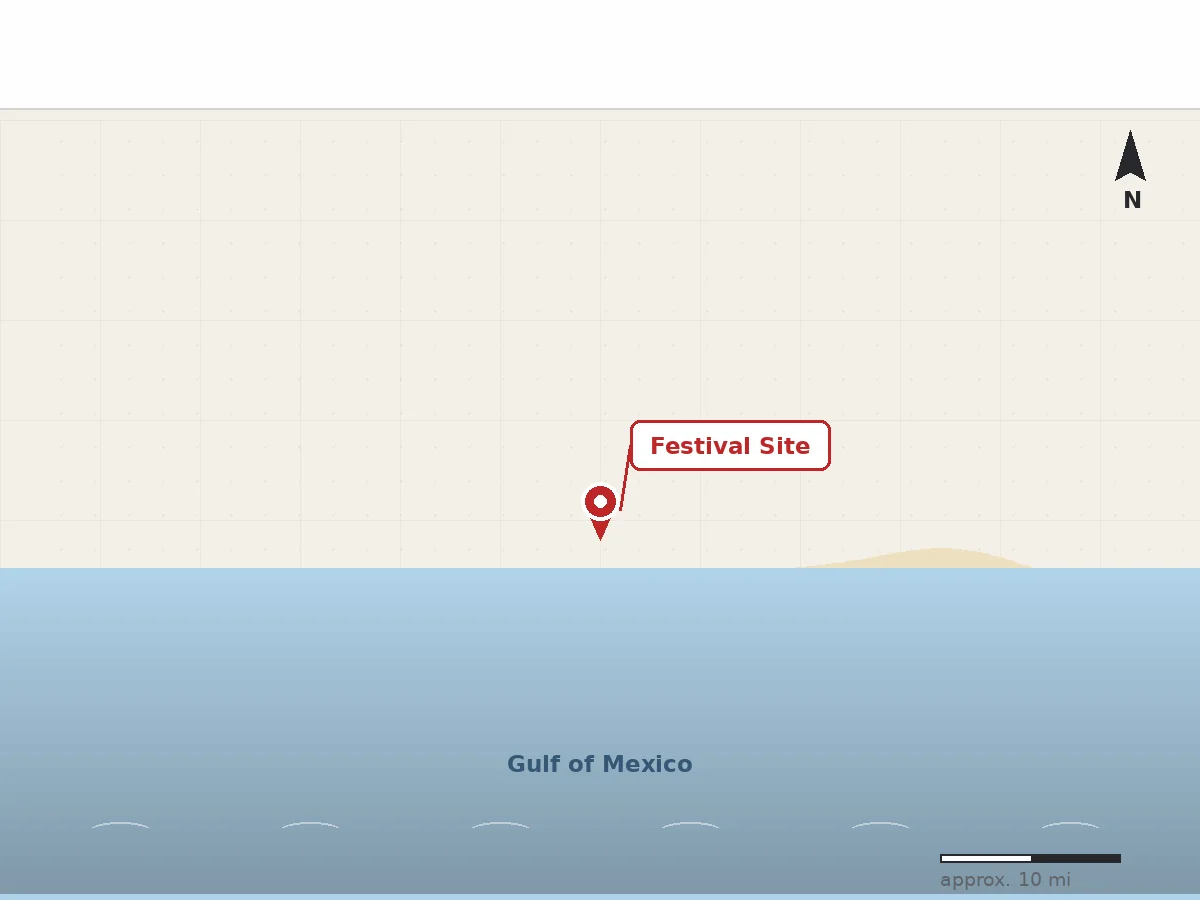
The Great Mississippi Valley Fair takes place on fairgrounds in the Scott County area, within easy reach of Davenport, the county seat.
First-Time Fairgoer Questions About the Great Mississippi Valley Fair
When is the fair held?
It’s a midsummer event, typically running over several consecutive days rather than a single weekend. Because exact dates shift from year to year, check the fair’s current schedule before you plan travel or book lodging.
Should I buy tickets in advance?
Gate admission and grandstand seating are handled differently, and policies change year to year. Advance purchase is often worthwhile for headline grandstand nights, while general gate entry can usually be handled on arrival. Confirm the current setup before you go.
Is the fair good for young children?
Yes, with pacing. Early afternoons are the calmest window, the kiddie rides and animal barns are the easiest wins, and a mid-day break keeps everyone from melting down before evening. Bring a stroller you don’t mind pushing over gravel and grass.
How much should a family budget for a day?
Think in three parts: entry, rides and food. Ride passes or wristbands usually give better value than per-ride pricing if your kids want more than a few rides. Food is the wildcard — set a rough ceiling before you arrive and you’ll stay closer to it.
What’s Ahead for the Great Mississippi Valley Fair
Fairs like this one survive by adapting without losing their character. The pressure points are familiar across the Midwest: rising costs, competition for entertainment dollars, weather risk and the work of keeping younger volunteers involved. The advantage here is location and habit — a large county population, a river-valley identity and generations of families for whom midsummer means the fair.
Expect the fair to keep balancing its agricultural core with the entertainment side that draws the biggest crowds, and to lean harder on digital ticketing and scheduling as those become the norm. For visitors, the takeaway is simple: check the current year’s details rather than assuming last year’s, and plan early for the nights you care about most.
Last updated: October 2026
The Great Mississippi Valley Fair isn’t a complicated thing to enjoy. Wear comfortable shoes, arrive before the rush, budget loosely, and let the evening take its time. In a county that has been gathering this way for well over a century, the fair is less an attraction than a habit — and a good one.
One Comment