Palo Alto County Iowa Palo Alto County Fair Festival
Every summer, the fairgrounds in the Palo Alto County area become the busiest place in a county of 8,996 people. Pickup trucks hauling livestock trailers roll in before the sun is fully up, volunteers in matching shirts test the sound system, and by evening the smell of fryer oil and grilled pork drifts across rows of parked cars. For a few days, everyone in the county seems to be in the same place at the same time.
Ask around Palo Alto County and you will hear the same habits repeated. Farm families plan the week around weigh-ins and show times. Grandparents arrive early to claim a shaded bench near the show ring. Teenagers drift between the midway and the barns, checking in with friends from other school districts. Emmetsburg residents, living in the county seat, treat fair week like a hometown reunion that happens to include cotton candy.
This is a county fair in the classic Iowa sense: agricultural at its core, social by nature, and open to anyone willing to walk through the gate. Whether you are showing a market steer, entering a pie in the open class, or simply looking for an evening out, the fair is built for you.
Palo Alto County Fair: The Details Locals Already Know
| Town / area | The Palo Alto County area, centered on Emmetsburg |
| County | Palo Alto County, Iowa |
| County seat | Emmetsburg |
| Population | 8,996 (2020 census) |
| Region | Northwest Iowa |
| Typical timing | Midsummer, most often a July weekend |
| Admission | Typically free to enter the grounds; rides and some activities charge separately |
| Setting | Rural fairgrounds with barns, a show ring, grandstand and open-air midway |
| Signature features | Livestock shows, 4-H and FFA exhibits, fair food, grandstand entertainment |
| Organizer | Volunteer fair board supported by local 4-H and FFA groups |
A Fair That Reaches Every Corner of Palo Alto County
Palo Alto County was founded on January 15, 1851, and its 569 square miles of northwest Iowa farmland have been shaped by agriculture ever since. Emmetsburg, the county seat, anchors the county’s civic life, but the fair draws from far beyond the town limits — from farmsteads down gravel roads, from small communities scattered across the prairie, and from families whose grandparents showed livestock on the same grounds.
That reach is what makes the fair feel bigger than its population numbers suggest. With 8,996 residents counted in the 2020 census, Palo Alto County is small enough that volunteers often know the exhibitors by name. The person handing out ribbons may be a neighbor. The announcer reading show results may have taught a competitor in Sunday school. That familiarity is the point.
For another look at how a community turns its own traditions into a gathering, see the Page County Iowa Page County Fair Festival for a useful comparison.
Residents describe the fair as a shared calendar event rather than a tourist attraction. People schedule family visits around it, take vacation days for it, and measure the summer by whether it has already happened or is still ahead. For newcomers, that openness is the best part: you do not need a farm, a membership, or a long family history to join in.
How the Fair Grew Alongside Palo Alto County Since 1851
The county’s early decades were about establishing farms, towns and institutions on open prairie, and agricultural fairs grew out of that work. In Iowa, county fairs began as gatherings where farmers compared seed, livestock and equipment — part competition, part classroom, part social occasion. Palo Alto County followed that broader pattern, and the fair became one of the few recurring events that brought the whole county together.
Through the twentieth century, the fair’s center of gravity stayed with youth agriculture. 4-H clubs and FFA chapters became the pipeline that kept the barns full, and open-class exhibits gave adults a place to show everything from vegetables to needlework. Grandstand entertainment evolved with the times, but the core schedule — livestock, exhibits, food, evening programs — changed far less than the world around it.
What has carried forward is a volunteer culture. Fair boards in counties like this one are made up of people with day jobs, and the work is year-round: maintaining buildings, lining up vendors, organizing show entries, recruiting judges. Locals will tell you that the fair survives because the same families keep saying yes when asked to help.
What a Fair Day in Emmetsburg Country Actually Feels Like
Arrive at any point during fair week and the rhythm is easy to read. Mornings belong to exhibitors. Afternoons mix judging, browsing and visiting. Evenings bring the largest crowds, when grandstand events and cooler temperatures pull people off the porch and onto the grounds.
Fair Food, Church Stands and the Lines That Form Early
Food is the great equalizer at the Palo Alto County Fair. You will find the standard midway fare — funnel cakes, corn dogs, lemonade — alongside the stands that locals actually plan around: church groups and civic organizations serving burgers, pie, walking tacos and homemade bars. Regulars know which stand runs out first and adjust their evening accordingly. Portions tend to be generous, prices tend to be reasonable, and seating is often a picnic table shared with strangers who quickly stop being strangers.
Grandstand Nights and Local Entertainment
Evening programming is the social centerpiece of fair week. Grandstand events and live entertainment vary from year to year, but the pattern holds: families spread blankets, kids claim the front row, and the crowd stays through the final announcement. Between acts, people catch up on everything that happened since last summer. For many residents, the grandstand is less about the show than about who is sitting nearby.
Barns, 4-H Exhibits and Things for Kids to Do
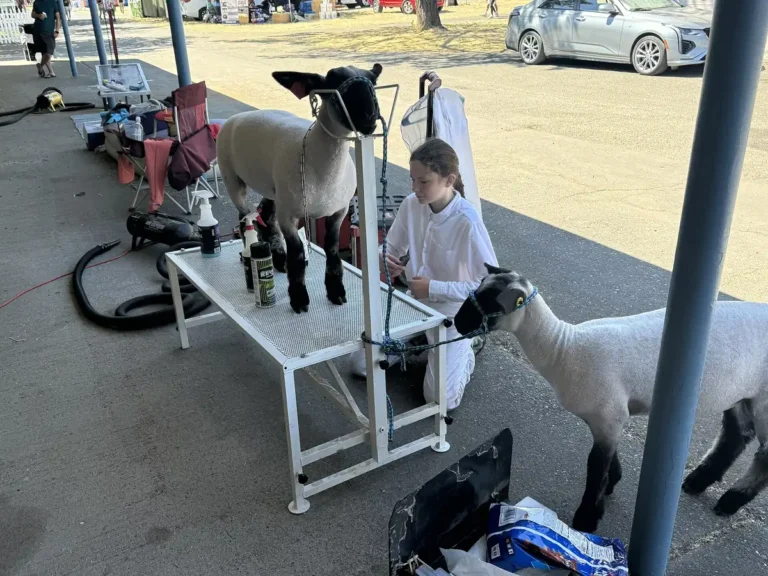
The barns are the heart of the fair and the best place to slow down. Visitors can walk the aisles, watch grooming and fitting, and see static exhibits covering photography, baking, woodworking and garden produce. Children gravitate to the midway and the games, but the animal barns often win them over — especially when a young exhibitor offers a chance to pet a calf or a lamb. It is a low-pressure, family-friendly environment where kids can wander a little and still be within sight.
Planning a Palo Alto County Fair Visit
Because the fair is small by big-city standards, planning is refreshingly simple. A little forethought about timing, lodging and weather is usually all you need.
Getting There from Emmetsburg and Surrounding Towns
Emmetsburg, the county seat, is the natural hub for anyone heading to the fair. From there, the fairgrounds are a short drive, and most visitors come by car from communities across Palo Alto County and neighboring counties. Roads are rural highways and county blacktops, so allow a little extra time at dusk when deer and farm equipment are both possibilities.
Where to Stay in and Around Palo Alto County
Lodging in a county this size is limited, so book early if your visit falls on a fair weekend. Options generally center on Emmetsburg and the surrounding area, with additional rooms in nearby larger towns within driving distance. Many families skip hotels altogether and stay with relatives — a fair-week tradition in its own right.
Parking on Fair Week
Parking is typically on or adjacent to the grounds and is usually free, with volunteers directing traffic during the busiest hours. Arrive before the evening rush if you want a close spot, and expect a short walk from the outer rows. Handicap parking is generally available near the main entrance; ask a volunteer if you are unsure where to go.
Admission, Wristbands and Everyday Costs
Gate admission at county fairs in Iowa is often free or by donation, with costs concentrated in rides, food and grandstand events. Budget for the midway if you have kids in tow, and carry some cash — smaller stands and raffles may not take cards. Exact pricing changes from year to year, so check locally before you go.
Iowa Weather and What to Bring
Midsummer in northwest Iowa means heat, humidity and the occasional fast-moving thunderstorm. Wear comfortable shoes for gravel and grass, bring sunscreen and a refillable water bottle, and keep a light rain jacket in the car. Evenings cool off noticeably, which is one reason the crowd peaks after dinner.
A Sample Fair Weekend in Palo Alto County
Start Saturday morning at the barns. Exhibitors are grooming animals, coffee is being poured, and the grounds are quiet enough to talk with the families who have been up since dawn. Wander the static exhibit buildings next, then grab an early lunch from a church stand before the lines build.
Spend the afternoon at the show ring, where the pace picks up as classes move through. This is the best window for photos and for understanding how much work goes into a single entry. Take a break in the shade, let the kids hit a few midway games, and regroup before the evening crowd arrives.
Saturday evening is the social highlight. Eat dinner on the grounds, find a seat for the grandstand program, and stay for the walk-back to the car under a sky that shows every star the county has. Sunday morning, if you are still around, is a gentler version of the same thing: exhibits, conversation, and a final lap through the barns before the teardown begins.
How It Compares with Nearby County Fairs
Palo Alto County sits in a cluster of strong fair traditions. To the west, the Clay County Fair in Spencer is one of the largest in the region and draws visitors from well beyond its own borders. To the east, the Kossuth County Fair in Algona offers a comparable small-county experience with its own loyal following. North in Emmet County, the fair in Estherville follows a similar midsummer pattern.
The difference is scale and feel. Larger fairs bring bigger entertainment lineups and more vendors; the Palo Alto County Fair counters with shorter lines, cheaper evenings, and a crowd where you recognize most faces. For families with young children or anyone who prefers a slower pace, that trade-off is exactly the appeal.
A Fairgoer’s Checklist for Palo Alto County
Before you leave the house, confirm the current schedule and gate policy locally, since details shift from year to year. Bring cash for food stands and raffles, sunscreen and hats for the afternoon, a jacket for the evening, and shoes that can handle gravel, grass and possibly mud. If you are meeting family, pick a landmark — the show ring or the main entrance — rather than relying on cell service in a crowded barn.
Leave room in the car for purchases from exhibit auctions, craft booths or the pie stand. And plan your exit either early or late; the busiest ten minutes of the night happen right after the grandstand lets out.
Beyond the Fairgrounds in Emmetsburg and the Rest of the County
Make a weekend of it and you will find plenty beyond the gate. Emmetsburg’s lakeside setting, including Five Island Lake, offers fishing, boating and walking paths that pair well with a fair afternoon. The town itself has the compact, walkable feel typical of Iowa county seats, with local restaurants and shops worth an hour of your time.
Out in the county, the landscape is the attraction: corn and soybean fields, windbreaks, gravel roads and small town squares. Drive a loop before or after your fair visit and you will understand why so many families here measure the year by planting, harvest and the week the fair comes to town.
What the Fair Means to 8,996 Palo Alto County Residents
In a county of 8,996 people spread across 569 square miles, opportunities to gather are limited and therefore valuable. The fair is one of the few events that pulls together farmers, town residents, students and retirees at the same time, in the same place, for the same reason. It is where scholarships are quietly celebrated, where kids learn to speak confidently in front of judges, and where neighbors catch up on a year’s worth of news.
Residents often say the fair is less an event than an inheritance. Parents who showed livestock bring their own children to the same barns. Volunteers who started as 4-H members come back as board members. That continuity is why the fair keeps going, year after year, in a county small enough to notice when it does not.
Where the Palo Alto County Fair Sits on the Map
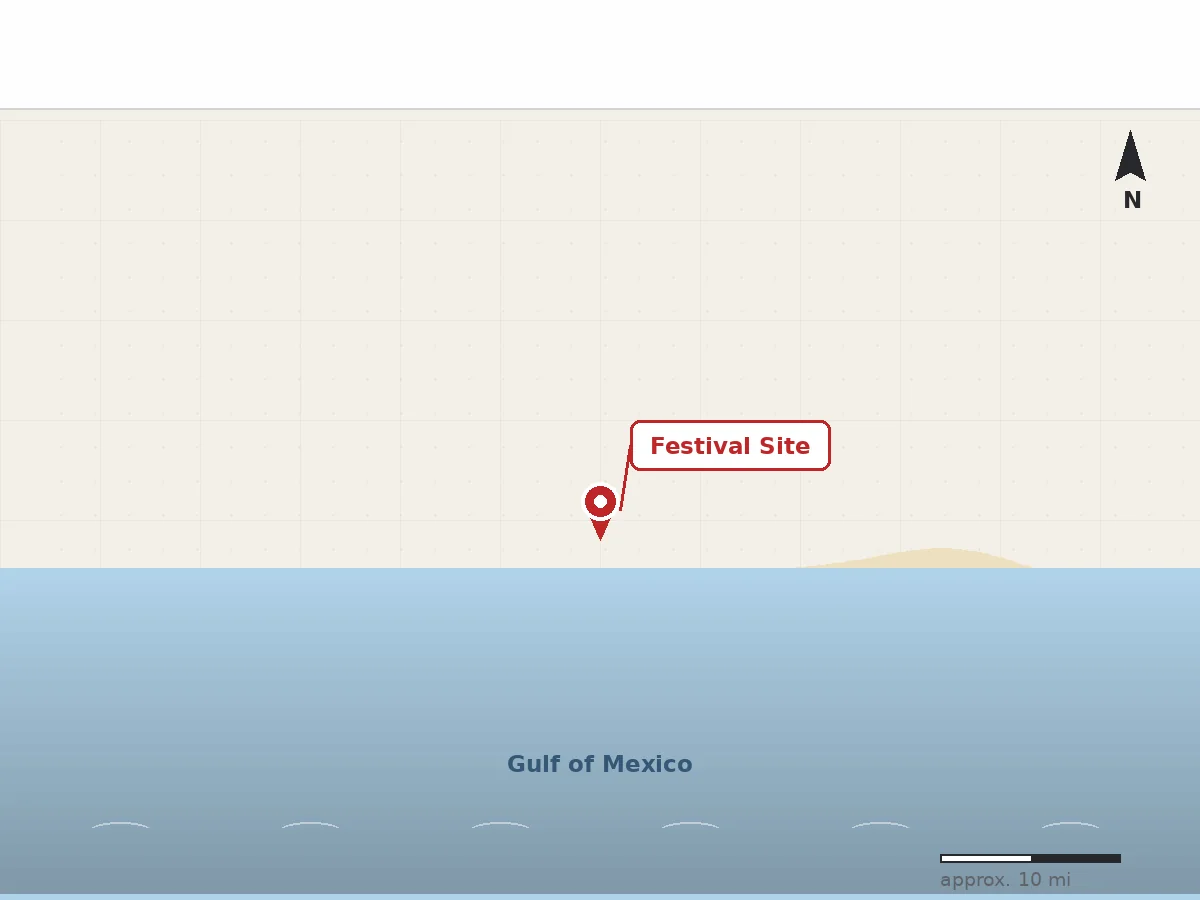
The Palo Alto County Fair takes place on the fairgrounds in the Palo Alto County area of northwest Iowa, with Emmetsburg — the county seat — serving as the main hub for visitors traveling in from across the county and beyond.
Practical Answers for Palo Alto County Fair Visitors
Does the Palo Alto County Fair charge admission?
Admission to county fairs in this part of Iowa is typically free or by donation, with spending concentrated on rides, food and grandstand events. Because policies can change, it is worth confirming the current year’s details with local organizers before you travel.
When is the fair usually held?
The fair is a midsummer event, most often falling on a July weekend. It runs for several days, with the largest crowds in the evenings after the heat of the day has passed.
Is the fair a good outing for young children?
Yes. The grounds are compact, walking distances are short, and the animal barns are a reliable hit with kids. Families with strollers should be comfortable on the main paths, though some areas are gravel or grass.
Can visitors park close to the grounds?
Parking is generally available on or next to the fairgrounds and is usually free, with volunteers guiding traffic during peak hours. Arriving before the evening rush gives you the best chance at a spot near the entrance.
The Next Chapter for the Palo Alto County Fair
Like county fairs across Iowa, this one faces the familiar challenge of keeping a volunteer-driven tradition strong while young families juggle busier schedules. The response here has been steady rather than dramatic: keep the barns full, keep the food stands local, keep the evening program something the whole county wants to attend. As long as exhibitors keep entering and neighbors keep showing up, the fair will keep its place on the calendar.
Last updated: October 2026
If you go, go the way locals do — slowly, with cash in your pocket, and with enough time to sit down and talk to someone you have not seen since last summer. That is the part of the Palo Alto County Fair that never shows up on a schedule, and it is the part people remember longest.