Montgomery County Kansas Interstate Fair & Rodeo Festival
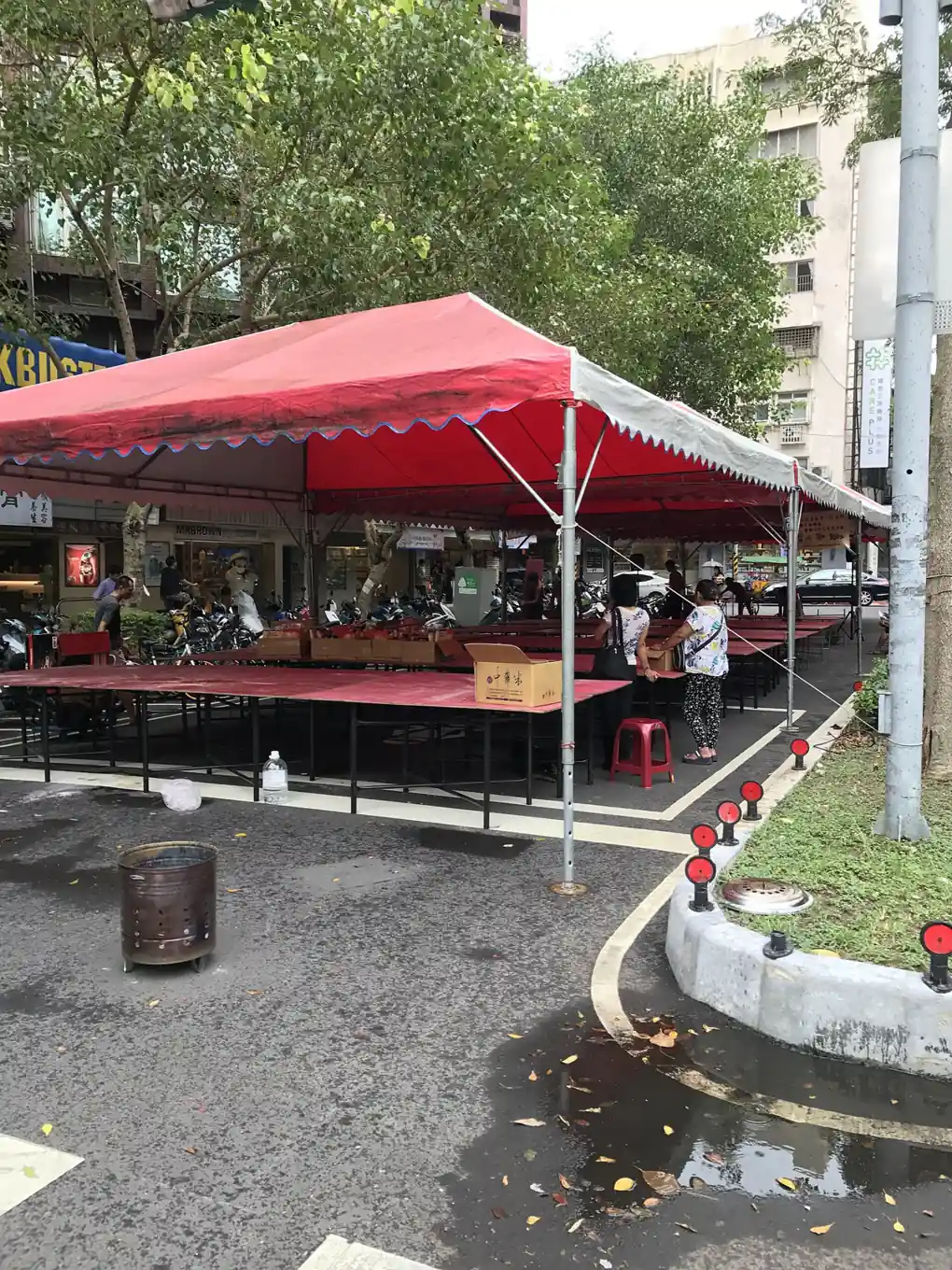
Fair week in Montgomery County does not begin with a poster. It begins with a neighbor leaning over a fence to ask whether you are entering anything this year. The Interstate Fair & Rodeo is the annual gathering that pulls this southeast Kansas county together: a run of days built around a rodeo arena, livestock barns, exhibit halls and a midway, held on a weekend in late summer or early autumn.
Residents describe it as a rhythm more than an event. The same families park in the same gravel row. Grandparents walk the exhibits early and head home before the carnival lights come up. Teenagers turn up three nights running and insist they only came for the food. “We build our summer around it,” one Independence parent says, and across a county of 31,486 people spread over 651 square miles, that sentence is not unusual.
Interstate Fair & Rodeo Ground Rules: The County Behind the Week
| Town / place | The Montgomery County area, southeast Kansas |
| County | Montgomery County, Kansas |
| County seat | Independence |
| Population | 31,486 (county-wide) |
| Land area | 651 square miles |
| County founded | February 26, 1867, named for Richard Montgomery |
| Typical timing | A weekend in late summer or early autumn |
| Admission | Typically free to enter the fairgrounds |
| Setting | Fairgrounds with a rodeo arena, livestock barns, exhibit halls, midway and grandstand |
| Features and organizer | Rodeo, livestock shows, exhibits, carnival and food stands, run by a local fair board with volunteer help |
What the Interstate Fair & Rodeo Is, From Montgomery County
Strip away the lights and this is a county fair in the oldest sense: a place where the work of the year gets judged in public. Junior exhibitors lead livestock into a show ring. Quilts, canned goods, photographs and garden produce line the exhibit hall. The rodeo fills the arena on the biggest nights, and the carnival runs alongside it all.
What makes it distinctly Montgomery County is how the week is used. Independence, the county seat, treats fair week as a homecoming window — the time when people who moved away for work or school come back and get asked, sincerely, how they are doing. Families who no longer farm still enter something. Businesses in town plan around the crowds.
Entry to the grounds is typically free, which matters here. It means a family can come for an hour, watch a class in the arena and leave without spending anything, or stay until the grandstand empties. That low barrier is a big reason the fair still functions as a genuine county-wide meeting point rather than a ticketed attraction.
For another look at how a community turns its own traditions into a gathering, see the Montgomery County Kansas 4-H Fair Festival for a useful comparison.
From an 1867 County Seat to a Rodeo Arena: Fair Roots in Montgomery County
Montgomery County was established on February 26, 1867, and named for Richard Montgomery. Independence became the county seat, and the prairie around it filled with farms, ranches and rail towns. Agricultural fairs arrived with the settlers, because a farming county needs a place to compare notes, argue about breeding and show off a season’s work.
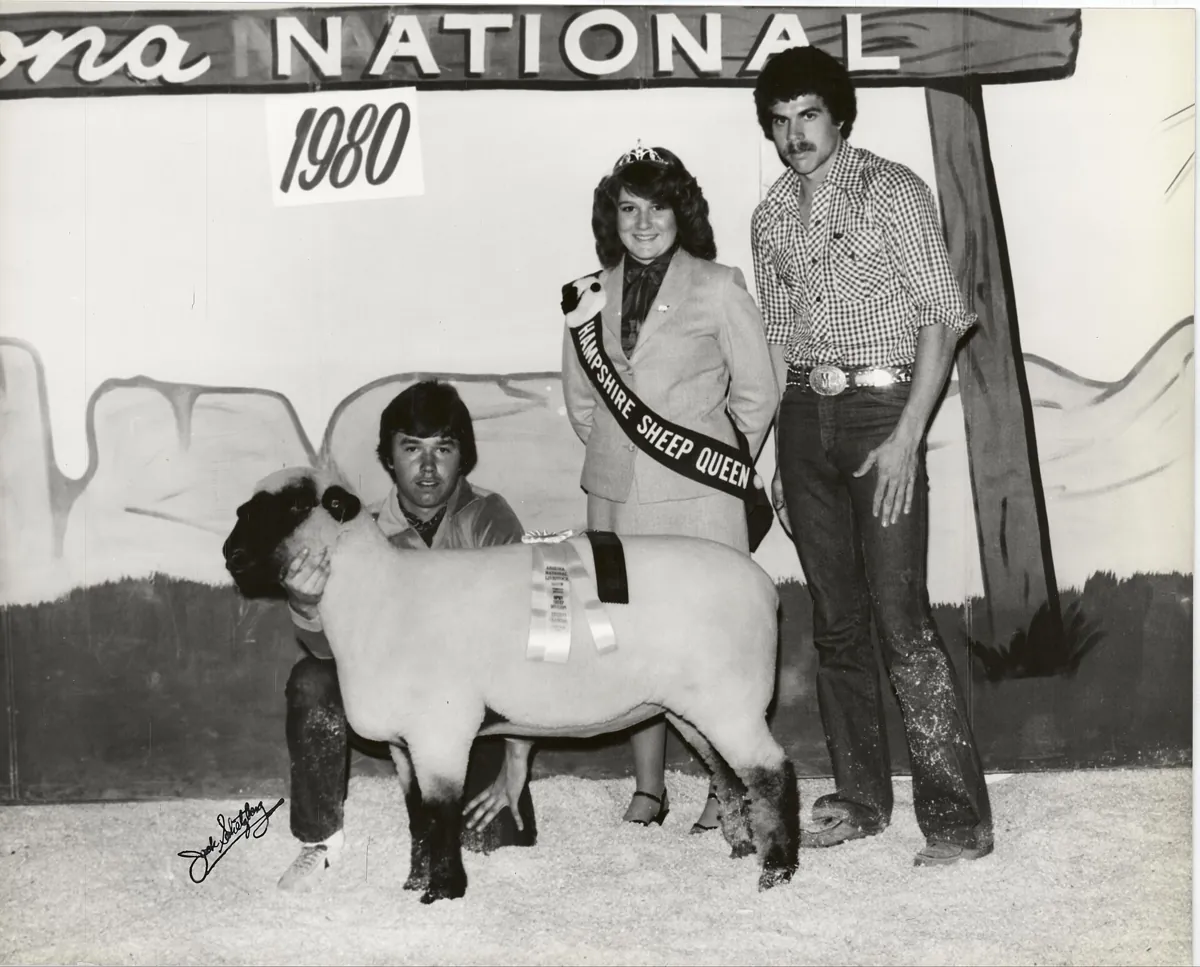
In its early form, that meant a harvest showcase: produce, livestock, needlework and baked goods, judged in a hall and discussed for weeks afterward. Over the decades the county’s fair added the elements that still define it — a rodeo, a midway, grandstand entertainment and a deep bench of junior exhibitors. The judging standards stayed stubbornly local, which is the point.
Ask longtime residents what has changed and they point to scale rather than spirit. Entry numbers rise and fall with the farm economy. Rodeo stock changes hands. Bands come and go. The skeleton of the week — exhibits, rodeo, carnival, food, reunion — has proven remarkably durable, and it is the part people protect.
What Fair Week Feels Like on the Ground in Montgomery County
Food Stands, Pie Tables and the Church Booths
Fair food here splits into two traditions. There is the midway side — funnel cakes, corn dogs, lemonade shaken in a barrel — and the community side, where church groups, booster clubs and volunteer crews run stands that fund their year. Locals will happily tell you which one to hit first, and the answer usually involves pie.
Bring cash and expect lines right after the rodeo lets out. The busiest window is the hour when the arena clears and everyone decides at once that they are hungry.
Rodeo Nights, Grandstand Acts and Local Talent
The rodeo is the anchor of the week. Bucking stock, timed events and a crowd that knows the difference between a good run and a lucky one. Regulars position themselves near the chutes early and stay put; casual visitors drift between the arena rail and the food stands.
Around it, the grandstand and grounds host entertainment through the evening — live music, announcements, contests and the kind of programming that gets a whole section of bleachers involved. The atmosphere is family-first: loud, unhurried and friendly to anyone who shows up in boots or in sneakers.
Family Activities: Barns, Midway Rides and Exhibit Halls
Children tend to move in loops: barns to see the animals, exhibit hall to find their own ribbon or a cousin’s, midway for rides, then back to the barns. The livestock barns are open and informal, and exhibitors generally welcome questions, especially from kids who might sign up next year.
Strollers handle the grounds reasonably well, though gravel and grass sections can be rough after rain. Plan a meeting point early, because cell service gets strained when the crowd peaks and children move faster than adults expect.
Planning Your Trip Around Independence and Montgomery County
Getting There
The fairgrounds sit in the Montgomery County area, a short drive from Independence, the county seat, and within easy reach of the county’s other communities. Almost everyone arrives by car, and the approach roads handle fair traffic without much drama outside the peak evening rush.
Where to Stay
Independence has the largest concentration of lodging in the county, with motels and guest stays that fill quickly during fair week. Visitors also base themselves in neighbouring towns and drive in, and some families camp or stay with relatives — a long-standing fair-week habit in this part of Kansas.
Parking and Getting Around the Grounds
Parking is typically on-site or in nearby gravel lots, and it is usually free. Arrive well before the rodeo starts on the biggest nights if you want a short walk. Wear closed shoes; the grounds are a mix of gravel, grass and dust, and evenings can leave everything damp.
Admission and What Things Cost
Admission to the fairgrounds is typically free, with costs concentrated in rides, food, carnival games and certain grandstand or rodeo seating. That structure rewards a flexible plan: come for the free parts, pay for what your family actually cares about, and keep some cash on hand for stands that do not take cards.
Weather: Late-Summer Heat and Sudden Kansas Turns
Late summer and early autumn in southeast Kansas means heat, humidity and the real chance of an evening storm. Bring water, sunscreen and a light layer for after dark. If lightning moves in, the fairgrounds will pause outdoor activity, so build slack into your evening rather than sprinting between events.
A Sample Fair Weekend, Built Around a Rodeo Night
First evening: arrive before the crowd, walk the exhibit hall while it is quiet, eat at a community stand, then take a seat at the arena rail for the rodeo. Stay for the midway lights and leave when the grandstand empties.
Next morning: return for livestock classes and junior showmanship, which is where the fair feels most like itself. Grab lunch on the grounds, spend the hottest hours in the shade or back at the hotel, and come back late afternoon for rides and a second night of entertainment.
Final morning: a slow breakfast, one last loop through the barns and exhibits, collection of any entries, and a goodbye to the people you only ever see this week. That last part, locals will tell you, is the actual tradition.
The Interstate Fair Next to Nearby County Traditions
Montgomery County’s fair is the largest gathering of its kind in the immediate area, but it is not the only one. County fairs in neighbouring Labette, Wilson and Chautauqua counties tend to run smaller and lean harder on livestock and youth exhibits, with shorter schedules and fewer midway rides.
The town-level comparison is just as useful. Independence, the county seat, carries the civic weight — courthouse, business district, homecoming energy. Coffeyville brings its own industrial and retail identity. Smaller communities like Elk City and the surrounding rural townships supply much of the fair’s exhibitor base, and their presence is what keeps the barns full.
A Fair-Week Checklist for Montgomery County First-Timers
Pack sunscreen, a hat, refillable water bottles and a light jacket for the evening; wear closed shoes you do not mind getting dusty; bring cash in small bills for food stands and carnival booths; charge your phone and agree on a meeting spot before the crowd thickens; check the schedule for rodeo start times and livestock classes rather than assuming; leave room in the car for exhibits, ribbons or a pie plate; and introduce yourself to at least one exhibitor — it is the fastest way to understand what the week is really about.
Beyond the Arena: Independence and the Rest of Montgomery County
Fair week is a good excuse to see more of the county. Independence rewards a slow walk through its historic downtown and around the courthouse square, where the county’s 1867 origins still shape the street grid. The surrounding countryside is working land — pasture, crop fields, oil infrastructure and long views that change colour as the season turns.
Drive the rural roads between towns and you will pass barns, small cemeteries and the kind of front porches that make a county of 651 square miles feel connected rather than scattered. Coffeyville, the county’s other anchor, is worth an hour for anyone curious about how this corner of Kansas grew.
Why Fair Week Still Sets Montgomery County’s Calendar
For a county with 31,486 residents and no single dominant industry left, the fair does quiet but essential work. It is where volunteer groups raise money, where teenagers learn to speak in public while holding a halter, where older residents are seen and greeted, and where the county’s shared identity gets renewed once a year without anyone calling it that.
That is why residents measure the season by it. Not because the fair is the biggest event in Kansas, but because it is the one week when the whole county is in the same place at the same time — and everyone knows exactly where to find each other.
Where the Fairgrounds Sit in Montgomery County
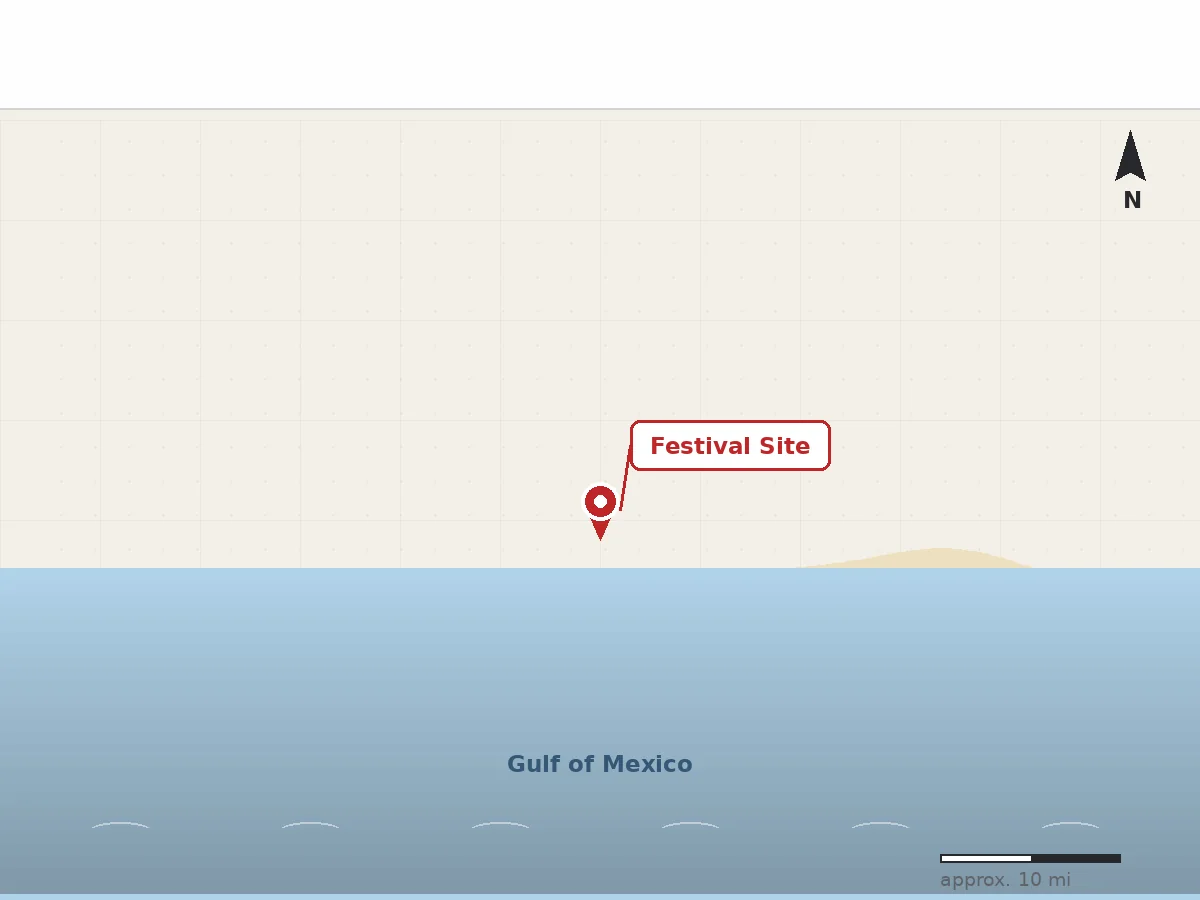
The Interstate Fair & Rodeo grounds are located in the Montgomery County area, within easy driving distance of Independence, the county seat, and the county’s surrounding communities.
Fair Week Questions Montgomery County Locals Get Asked
When does the Interstate Fair & Rodeo usually take place?
It is held on a weekend in late summer or early autumn, most years during that seasonal window. Because the dates shift, check the current schedule before booking lodging or planning a drive in from out of county.
Do you have to pay to get onto the fairgrounds?
Admission is typically free. Money goes toward rides, food, carnival games and certain grandstand or rodeo seating, so a family can attend cheaply if they plan around the free parts of the week.
Is the fair a good fit for young children and older visitors?
Yes, and it is designed that way. The barns and exhibit halls are calm, shaded places to spend time, the midway provides the noise and motion, and the rodeo can be watched from the rail or from seating farther back. Bring water, plan for heat, and pace the day.
What should a first-time visitor bring?
Cash, water, sunscreen, a hat and shoes that handle gravel and grass. Add a light layer for the evening, and keep your vehicle flexible enough to carry home anything you buy or win.
What the Next Decade Might Hold for the Interstate Fair & Rodeo
The pressures on county fairs in this part of Kansas are familiar: an aging volunteer base, farm consolidation, rising costs for entertainment and insurance, and competition for young families’ time. The Interstate Fair & Rodeo faces them with one clear advantage — it is still free to walk in, and it is still the week when the whole county shows up.
The likeliest path forward is continuity with adjustments: more emphasis on youth exhibitors and hands-on activities, smarter scheduling around heat and weather, and continued reliance on the church groups, booster clubs and local businesses that make the week possible. As long as the barns are full and the arena is loud, the fair will keep doing what it has done since Montgomery County’s earliest days — putting a whole county in one place for a few days a year.
Last updated: October 2026
If you go, go the way locals go: arrive early, eat at the stand run by the volunteers, sit close enough to hear the chutes bang open, and stay long enough to run into someone you have not seen since last year. That is the Interstate Fair & Rodeo as Montgomery County knows it — less a spectacle than a standing appointment.