Mills County Iowa Mills County Fair Festival
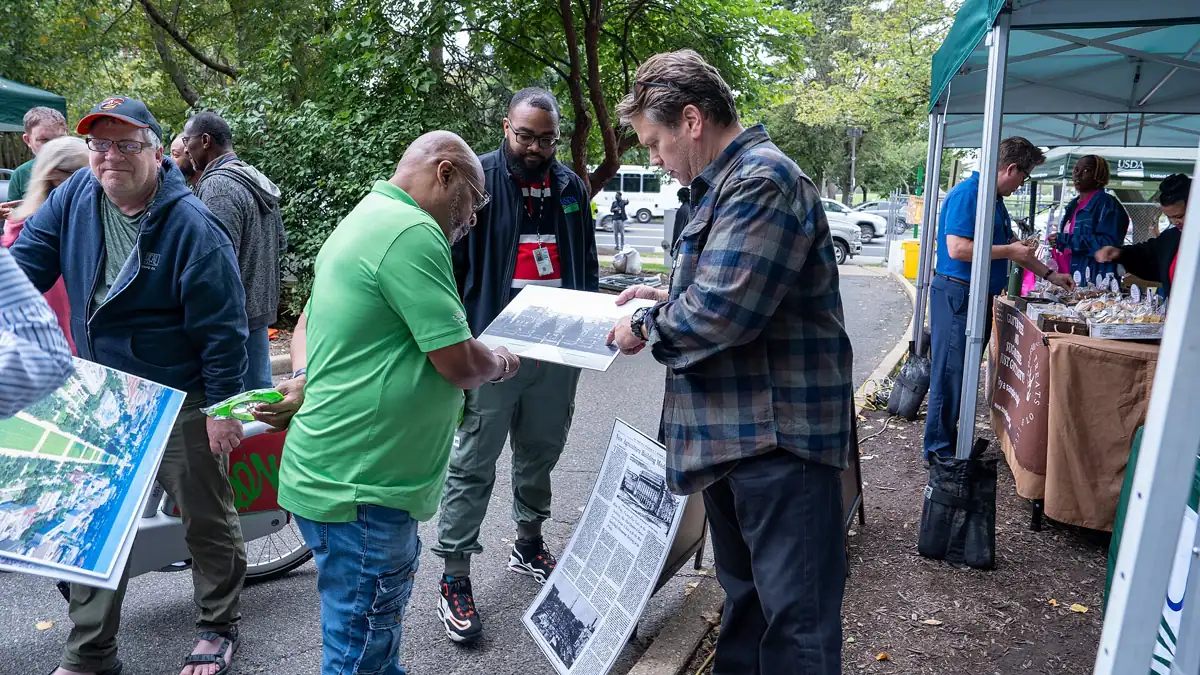
Mills County sits in the far southwest corner of Iowa, a 441-square-mile stretch of rolling farmland and loess hills that runs down toward the Missouri River. Glenwood is the county seat, and the county itself dates to 1851, when it was named for Major Frederick Mills of Burlington. About 14,484 people live here as of the 2020 census — small enough that a county fair still feels like a neighborhood gathering, large enough that there is always something happening. If you have never been to the Mills County Fair, this guide is written for you.
Think of a county fair as the opposite of a big-ticket music festival. There is no lineup poster to memorize and no wristband tier to decode. You park, you walk in, and you follow your nose toward the food stands. The rest of the day unfolds from there: barns to wander through, animals to watch, a midway to stroll, and a grandstand that fills up after dark.
Mills County Fair Basics for a First Visit
| Town / place | Mills County area, southwest Iowa |
| County | Mills County, Iowa |
| County seat | Glenwood |
| Population | 14,484 (2020 census) |
| Region | Loess Hills and Missouri River valley, southwest Iowa |
| Typical timing | Mid-to-late summer, usually a stretch of days in July or early August |
| Admission | Generally free or low-cost; some grandstand events are ticketed |
| Setting | County fairgrounds with barns, show rings, a midway, and a grandstand |
| Signature features | Livestock shows, 4-H and FFA exhibits, fair food, rides, grandstand entertainment |
| Organizer | Mills County fair board with local agricultural organizations and volunteers |
The Mills County Fair, Explained for First-Timers
The Mills County Fair is the county’s annual agricultural showcase and its biggest community reunion, held on the fairgrounds in the Mills County area of southwest Iowa. Over several days in mid-to-late summer, the grounds host livestock shows, 4-H and FFA exhibits, commercial booths, a carnival midway, and grandstand entertainment once the sun goes down.
It is organized by a local fair board alongside agricultural organizations and a small army of volunteers — the same pattern most Iowa counties follow. That volunteer structure is why the fair feels personal. The kid showing a pig in the ring is somebody’s neighbor, and the person handing you a pork sandwich at the food stand is likely someone you have stood behind at the co-op.
For a first-timer, the important thing to know is that this is not a fenced-off event with a rigid schedule. Come for an hour or stay the whole evening. Wander the barns, eat something fried, and settle into the grandstand if the mood strikes.
For another look at how a community turns its own traditions into a gathering, see the Miami County Kansas Miami County Fair and Rodeo Festival for a useful comparison.

A County Fair With Roots in an 1851 County
Mills County was established in 1851 and named for Major Frederick Mills of Burlington. Glenwood became the county seat, and the surrounding 441 square miles of prairie and river valley filled in with farms, small towns, and the institutions farm families built for themselves — churches, schools, granges, and fairs.
County fairs across Iowa grew out of nineteenth-century agricultural societies that wanted a place to compare crops, cattle, and horses, and to trade ideas about seed and soil. Over the decades, fairs added what their counties cared about: 4-H project exhibits, machinery displays as tractors replaced teams of horses, a midway for the kids, and a grandstand for evening entertainment. The Mills County Fair has ridden those changes rather than resisted them, which is why it still reads as a working county fair instead of a nostalgia act.
What a First-Timer Actually Sees on the Grounds
The fair is compact enough to walk in an afternoon, but it rewards a slower pace and a second visit.
Fair Food, From Breakfast to the Last Stand
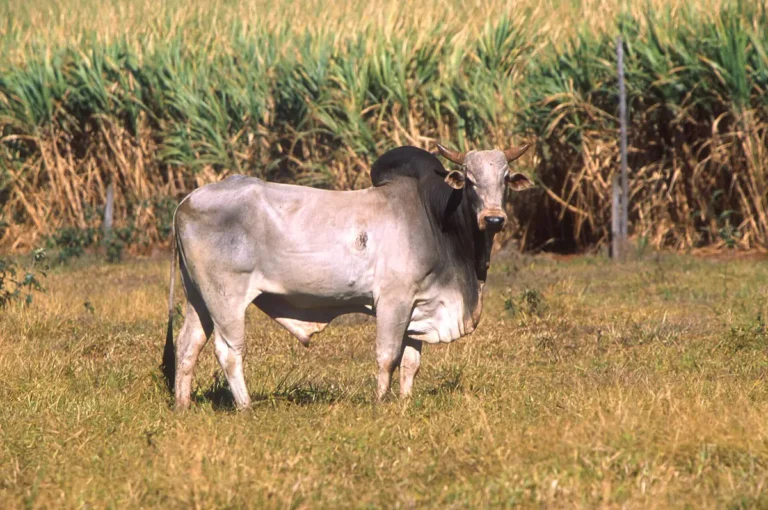
Food at the Mills County Fair runs the full arc of an Iowa summer: pork producers’ sandwiches, beef sundaes, corn dogs, funnel cakes, walking tacos, pie by the slice, and lemonade shaken so hard the stand vibrates. Church groups, 4-H clubs, and local nonprofits typically run many of the stands, which means your lunch money goes back into the county. Breakfast is the underrated meal — look for biscuits and gravy and coffee before the barns get busy. Bring cash, since smaller stands may not take cards and lines move faster when you can pay quickly.
Grandstand Nights and Local Talent
Evenings split between the grandstand and the smaller stages. Grandstand programming at an Iowa county fair usually means a mix of demolition derby, tractor pulls, motocross, or a concert, with tickets sold separately for some events. Elsewhere on the grounds you will find local bands, karaoke, talent contests, and announcers working the loudspeaker between classes in the show ring. For the classic experience, claim a seat on the bleachers before sunset and watch the crowd file in.
The Kid-Friendly Side of the Fairgrounds
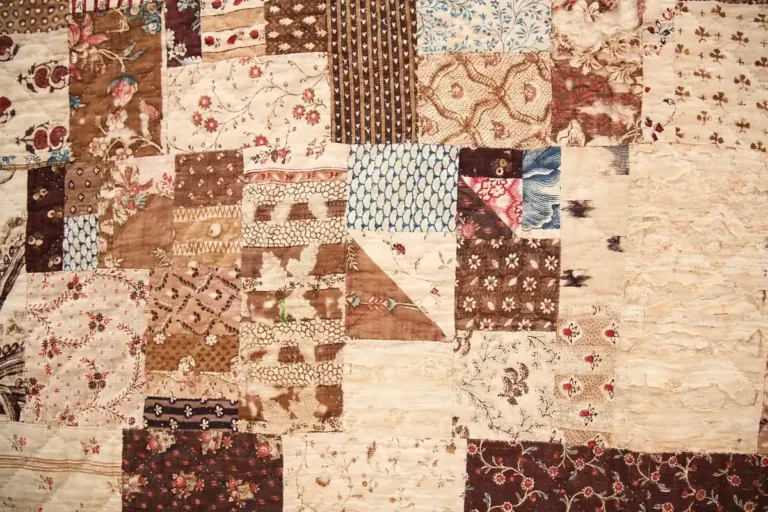
Families get a lot of mileage out of a county fair. There is the midway with its rides and games, the barns and petting areas where kids get close to cattle, goats, rabbits, and poultry, and the exhibit halls where a nine-year-old’s poster board sits beside a prize-winning quilt. Stroller traffic peaks in the late afternoon, and the little-kid rides thin out after dark. Set a meeting point near the main gate if your group splits up; every fairground starts to look alike by dusk.
Planning Your First Trip From Glenwood and Beyond
Getting There: Glenwood, I-29, and U.S. 34
Mills County is Iowa’s southwest corner, bordered by the Missouri River and sitting just across from the Omaha–Council Bluffs metro. Glenwood, the county seat, is the natural reference point for out-of-town visitors. U.S. Highway 34 runs east–west through the Glenwood area, and Interstate 29 runs north–south along the western side of the county, so most travelers arriving from the metro are on the road well under an hour.
Where to Stay: Glenwood, the Metro, and Camping
Lodging in a county this size is limited, so most first-timers either stay in the Omaha–Council Bluffs area and drive out, or book early in Glenwood itself. Camping is part of fair culture in Iowa — plenty of families park a camper for the week — so ask the fair board about camping availability and rules if you want to stay on the grounds. Otherwise, treat the metro as your base and the fair as a day trip.
Parking Around the Fairgrounds
Fairground parking is usually a grassy field or designated lot with volunteers directing traffic, and it fills in the hours before grandstand events. Arrive early on the biggest nights, follow the signs rather than your phone’s suggestion, and expect a short walk from the far end of the lot. Note your row or a landmark; a field of trucks looks identical after dark.
Admission, Tickets, and What a Day Costs
Gate policy can shift from year to year, and Mills County is no exception: entry is often free or low-cost, while certain grandstand shows, carnival rides, and midway games are ticketed separately. Budget for food, ride tickets or a wristband, and a grandstand seat if something big is scheduled. Cash remains useful, and a small cooler of water in the car will save money on a hot afternoon.
Southwest Iowa Weather and What to Wear
Late summer in southwest Iowa means heat, humidity, and the occasional fast-moving thunderstorm. Wear shoes you do not mind getting dusty, bring a hat and sunscreen, and keep a light rain jacket in the car. Barns are warm and shade is limited, so plan your heaviest walking for morning and evening. If storms roll in, fair staff will move people out of the grandstand and open areas — follow their instructions.
One Weekend, Three Visits: A Sample Mills County Fair Plan
Friday evening. Arrive in the late afternoon, walk the barns while the light is good, and eat dinner from the stands. Stay for the grandstand program, then wander the midway after dark.
Saturday morning. Come back early for the livestock shows and exhibit halls. Breakfast at the fair is cheap and good, and the barns are at their liveliest before noon.
Saturday evening. This is the fair at full volume — packed parking, long food lines, grandstand entertainment. Claim your bleacher seat early.
Sunday. A quieter visit. See the exhibits you missed, talk with exhibitors, and let kids revisit the animals before the grounds go quiet for another year.
How the Mills County Fair Compares to Nearby County Fairs
Mills County is small — 441 square miles and roughly 14,484 residents — so its fair sits at the intimate end of the spectrum. Across the river, the Pottawattamie County fair scene around Council Bluffs runs larger and busier, part of the Omaha metro’s orbit, with more commercial vendors and bigger grandstand draws. Head south into Fremont County and the scale feels similar to Mills County’s, with the same emphasis on livestock and local food. Page County’s fair in Clarinda and Montgomery County’s in Red Oak sit farther east, adding drive time but offering a different slice of southwest Iowa.
Packing and Prep: A Fair Day Checklist for Mills County
Before you go: check the schedule for the days you plan to visit, confirm gate and grandstand pricing, and fill the gas tank — rural stations thin out beyond Glenwood.
What to bring: cash, sunscreen, a hat, refillable water bottles, a light jacket for the evening, and a tote for anything you buy.
On the grounds: pick a meeting point, check the schedule posted at the gates, and do not skip the barns — they are the heart of the fair.
After: give yourself ten minutes before trying to leave the parking field, and be patient with the volunteers directing traffic.
Beyond the Fairgrounds: Glenwood, the Loess Hills, and the River
Mills County rewards more than one afternoon. The Loess Hills, the wind-blown silt ridges that define this part of western Iowa, run through the county and make for excellent scenic driving. The Missouri River forms the western boundary, and the bottomland and river towns along it have a character all their own. Glenwood, the county seat, has a compact downtown and the courthouse-square feel typical of Iowa county seats. Smaller communities scattered across the county’s 441 square miles reward a slow drive between fair visits.
Why the Mills County Fair Still Matters to a County of 14,484
With about 14,484 residents spread across 441 square miles, Mills County does not have many occasions when everyone is in the same place at once. The fair is one of them. It is where 4-H members learn to speak in public, where farm families compare notes before harvest, where local businesses sponsor ribbons and bid at the livestock auction, and where kids from every corner of the county end up on the same carnival ride. That is not nostalgia; it is infrastructure — a once-a-year system for keeping a rural county connected.
Where the Mills County Fairgrounds Sit
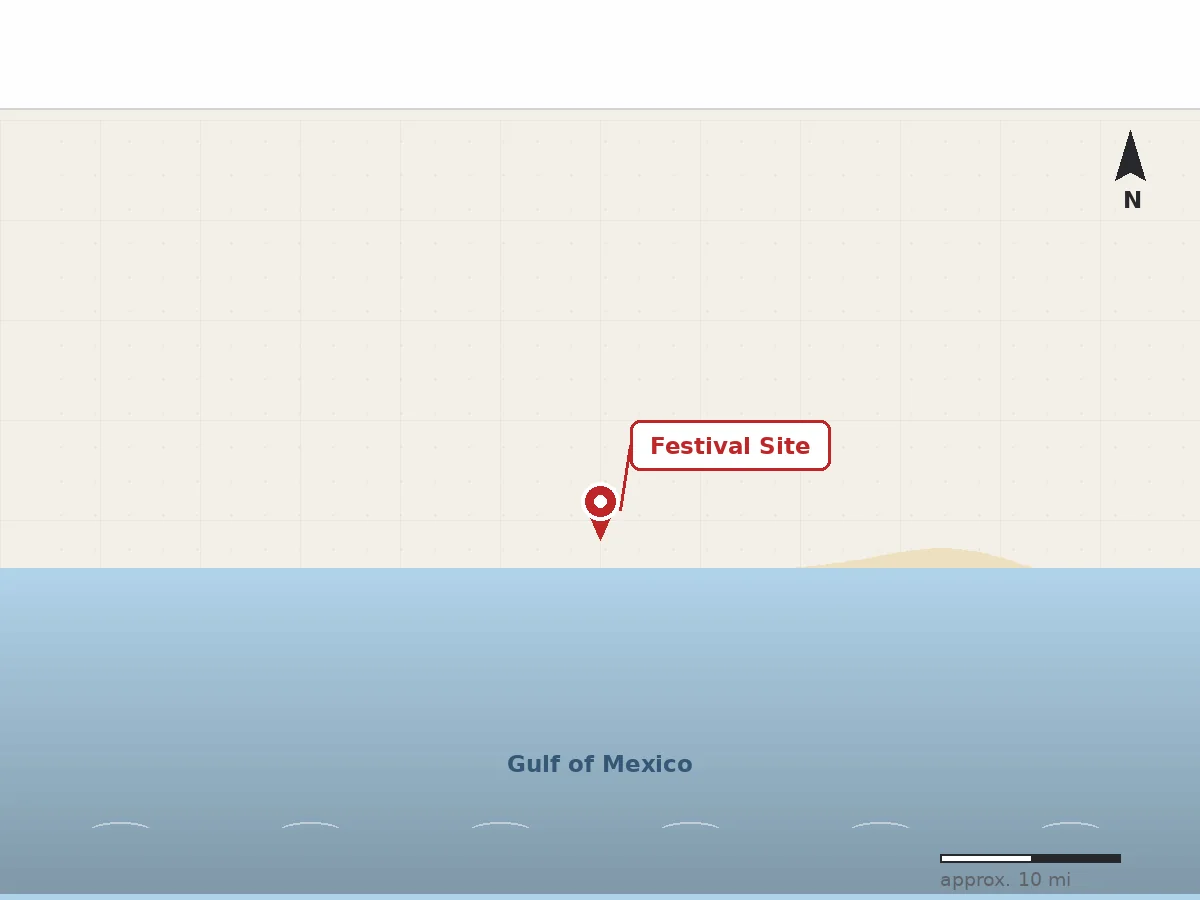
The Mills County Fair is held on the county fairgrounds in the Mills County area of southwest Iowa, with Glenwood, the county seat, serving as the usual reference point for visitors.
What Newcomers Ask Before Their First Mills County Fair
Is the Mills County Fair free to attend?
Generally, gate admission is free or low-cost, but individual grandstand events, carnival rides, and midway games typically cost extra. Check the current schedule before you go so you know which nights are ticketed.
Do I need to know someone local to enjoy it?
No. County fairs are open, welcoming places, and nobody will ask whether you are from Glenwood or three states away. Ask questions at the barns — exhibitors are usually happy to explain what is happening in the ring.
What should I bring on my first visit?
Cash, sunscreen, a hat, water, and comfortable shoes. A light jacket helps once the sun drops, and a tote bag is handy for food and exhibit purchases.
Is it a good outing for young kids and older visitors?
Yes. The barns, petting areas, and exhibit halls are easy, low-cost entertainment for children, and the grounds are flat enough to walk at an unhurried pace. Mornings and early evenings are the most comfortable times for anyone hoping to avoid heat and heavy crowds.
Looking Ahead to the Next Mills County Fair
County fairs are never static. Boards replace buildings, add classes, adjust schedules, and try new grandstand acts, and the Mills County Fair will keep changing in that same gradual way. What is unlikely to change is the core: livestock in the barns, 4-H exhibits on the walls, food stands run by local groups, and a grandstand full of neighbors on a warm summer night. If you have never been, circle the next fair season and go with an appetite.
Last updated: October 2026
First visits are always a little improvised, and that is part of the appeal. Walk in without a plan, drift toward whatever is making noise, and let the Mills County Fair show you what a southwest Iowa summer looks like when the whole county shows up at once.
One Comment