Lucas County Iowa Lucas County Fair Festival
There is a moment on the first evening of fair week when the smell of frying food, the low murmur of cattle in the barns, and the crackle of a grandstand announcer all arrive at once. For anyone who has been coming back to the Lucas County Fair for years, that combination is what summer in south-central Iowa is supposed to sound like. Lucas County is small — 8,634 residents at the 2020 census, spread across 434 square miles of farmland and little towns — but for one week each summer, the fairgrounds near Chariton become the busiest address in the county.
Lucas County Fair Basics for First-Timers and Old Regulars
| Town / area | The Lucas County area, centered on Chariton |
| County | Lucas County, Iowa |
| County seat | Chariton |
| Population | 8,634 (2020 census) |
| Region | South-central Iowa |
| Typical timing | A single week in midsummer, usually spanning a weekend |
| Admission | Gate entry is generally free; rides, food and some grandstand events are paid separately |
| Setting | Fairgrounds in the Lucas County countryside, with barns, a midway, exhibit halls and a grandstand |
| Signature features | 4-H and open-class exhibits, livestock shows, carnival rides, fair food, grandstand entertainment |
| Organizer | Local fair board with countywide volunteers and community groups |
What the Lucas County Fair Actually Is, From a Repeat Visitor
The Lucas County Fair is the kind of county fair that Iowa still does better than almost anywhere: a week built around the barns first and the midway second. The livestock shows and the static exhibits are the spine of the event. Kids who have spent months halter-training a calf or finishing a sewing project walk into the ring or the exhibit hall and find half the county watching. Around that core, the fairgrounds fill in with food trailers, carnival rides, a stage, and a grandstand that hosts something loud and crowd-pleasing most nights.
What surprises people who only know big state fairs is the scale. This is a county of 8,634 people, and the fair reflects that — you will run into the same families three nights in a row, and by Wednesday the volunteers at the gate recognize your car. That intimacy is the whole appeal. Nothing is so large that you need a strategy, and nothing is so small that you run out of things to do before the lights come on.

Tracing Lucas County Fair Traditions Back Through Chariton’s History
Lucas County was founded in 1846 and named for Robert Lucas, and Chariton has served as its county seat since the earliest years of organized local government. Agriculture shaped everything here — the 434 square miles of the county are overwhelmingly farmland — and county fairs grew out of the same impulse that built the granges, the creameries and the rural school districts: farmers needed a place to compare notes, show off stock, and celebrate a good year.
In the late 1800s, Iowa county fairs were as much educational as recreational. Exhibitors brought grain samples, vegetables, livestock and home crafts so neighbors could judge what worked. That tradition hardened into the fair week we recognize today.
For another look at how a community turns its own traditions into a gathering, see the Louisa County Iowa Louisa County Fair Festival for a useful comparison.
Through the early 1900s, the fair became a fixture of the local calendar, with 4-H clubs eventually taking on a central role in the youth exhibits. The mid-20th century brought the midway, the grandstand shows and the food stands that now define the evening experience. In recent decades the fair has kept its agricultural core while adding the things that keep a modern county fair viable: better sound systems, more diverse food, and events designed to pull in people who do not farm for a living. The constants have not moved — the barns, the ribbons, the volunteers, and the sense that this week belongs to the county.
Inside a Fair Week in the Lucas County Area
If you have not been for a few years, the rhythm will still feel familiar. Mornings are for judging and for people who actually have animals to feed. Afternoons are for exhibits, shade and cold drinks. Evenings are when the fairgrounds fill up.
Fair Food That Keeps People Coming Back to Chariton
Food is where a county fair earns its reputation, and Lucas County’s lineup is the classic Midwest roster: pork producers’ sandwiches, walking tacos, corn dogs, funnel cakes, hand-dipped ice cream, lemonade shake-ups and pie by the slice. Church groups and local organizations typically run stands alongside the commercial trailers, which means part of your money goes straight back into the community. Go hungry, go early in the evening before the longest lines form, and do not skip the pie.
Grandstand Nights and Live Music in Lucas County
Evenings at the grandstand are the fair’s loudest hours. Expect the standard county-fair mix: local and regional bands, talent showcases, and the kind of crowd-drawing events that fill bleachers — motorsport-style competitions and demolition events are perennial favorites at fairs across southern Iowa. Smaller acoustic acts often play on a side stage near the food row, which is a good place to sit when you want to hear each other talk. Seating is usually first-come, so arriving a half hour before showtime is a habit worth keeping.
Family Activities That Work for Toddlers and Grandparents Alike
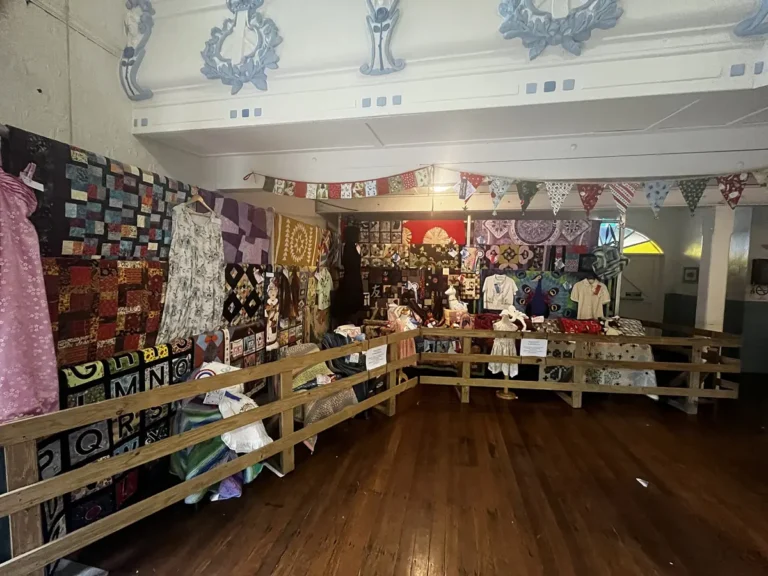
The fair is genuinely family-friendly, mostly because it is small enough to navigate on foot without meltdowns. The livestock barns are the sleeper hit with young kids — most exhibitors are happy to let a curious child look at a calf up close. Add the carnival rides and games on the midway, the exhibit halls full of 4-H projects and open-class entries, and typically a few hands-on activities for younger children. Come in the morning for a calmer version of the same experience; come in the evening for the noise and lights.
Planning a Lucas County Fair Visit From Out of Town
Getting to the Fairgrounds From Anywhere in the Region
Chariton sits in south-central Iowa, which makes the fair a reasonable drive from most of the surrounding counties and from larger cities in the region. Because the county is rural, a car is really the only practical way in. If you are coming from out of state, plan your route to Chariton first and follow local signage to the fairgrounds from there — the town is compact and easy to cross in a few minutes.
Where to Sleep During Fair Week
Lodging in a county this size is limited, and fair week is the busiest stretch of the summer. Book a room well in advance if you are staying overnight in or near Chariton. Campers and RV owners often prefer to stay closer to the grounds, and camping is a popular option at many Iowa county fairs, so ask early. Otherwise, towns in neighboring counties make a workable base if you are willing to drive in each evening.
Parking Without Circling the Whole Fairgrounds
Parking is generally on or adjacent to the fairgrounds, often in grass lots staffed by volunteers. It is rarely a real problem on weekday afternoons and almost always a mild headache on the biggest grandstand nights. Arrive before the evening rush, follow the volunteers’ directions rather than your own instincts, and expect a short walk across grass. Wear shoes you do not mind getting dusty.
What a Night at the Fair Actually Costs
Gate admission at Iowa county fairs is typically free, and Lucas County follows that pattern — you pay for what you consume rather than for the privilege of walking in. Budget for food, carnival rides or wristbands, games, and a ticket if a grandstand event charges one. Bring some cash even though many vendors now take cards; small stands and 4-H booths are not always set up for tap-to-pay.
Iowa Weather and How It Shapes Fair Week
Midsummer in Lucas County means heat, humidity and a real chance of an afternoon thunderstorm. Plan around it: mornings and evenings are the most comfortable hours, shade is worth seeking, and a refillable water bottle saves money. Keep an eye on the sky, because outdoor grandstand events can be delayed by weather. A light rain jacket beats an umbrella when the wind picks up.
A Sample Fair Weekend, Friday Through Sunday
Friday evening: arrive an hour before dark, walk the barns while they are still quiet, eat your way down the food row, then claim grandstand seats early. Saturday morning: come back for the livestock shows, which are the heart of the fair and the best window into what it is really about. Saturday afternoon: tour the exhibit halls, let the kids loose on the midway, and take a shade break. Saturday evening: the busiest, loudest night — grandstand event, then a slow loop past the food stands before you leave.
Sunday morning: a quieter visit for coffee, cinnamon rolls and one last look at the animals. Sunday afternoon: catch the final judging, buy something from a 4-H booth, and watch the fair wind down. It is a good reminder that the whole week is run by people who volunteered their summer for it.
How Lucas County’s Fair Compares With Neighboring County Fairs
Lucas County sits in a cluster of small rural counties, and each one runs its own fair week. The Clarke County Fair over in Osceola and the Marion County Fair in Knoxville follow much the same template — barns, midway, grandstand, food — but each has its own personality and its own loyal crowd. Lucas County’s version leans a little harder into the agricultural and 4-H side, which suits a county of this size.
Further north, the Iowa State Fair in Des Moines is a completely different animal: enormous, weeks long, and worth a trip on its own. Think of it as the big-league version of what you see in Chariton. If you have a free weekend in late summer, doing both in the same season is a genuinely good Iowa itinerary.
The Repeat Visitor’s Lucas County Fair Checklist
Book lodging early if you are staying overnight; pack sunscreen, a hat and a refillable water bottle; wear closed shoes you can walk in across grass; bring a little cash for small vendors and 4-H booths; check the day’s schedule before you leave the house so you know when the grandstand events start; arrive before the evening rush on the biggest nights; and leave room in the car for anything you buy from an exhibit hall. One more thing: say hello to the volunteers. They are the reason the week happens.
Beyond the Fairgrounds: Chariton and the Rest of Lucas County
Chariton is worth an hour of your time outside the fair. The courthouse square downtown is the kind of classic Iowa main street that rewards a slow walk, with local shops, cafés and a scale that makes everything feel close. Beyond town, Lucas County opens into the farmland that defines it — 434 square miles of fields, gravel roads and small communities where a drive is its own destination.
If you are making a weekend of it, build in time for a county-road loop between fair visits. Grab breakfast in Chariton, drive out past the fields, and come back for the afternoon shows. It is a slower kind of travel than most people plan, and that is exactly the point.
What Fair Week Means to a County of 8,634
In a county with 8,634 residents, the fair is not just an event — it is the annual gathering. It is where 4-H members learn to speak in public, where farmers compare notes, where grandparents watch grandchildren show an animal for the first time, and where the volunteer fire department and the church groups raise money for the rest of the year. Almost everything you see was organized by somebody who lives within a short drive of the grounds.
That is why returning visitors keep returning. The rides are fun and the food is good, but the fair’s real product is continuity: the same week, the same faces, the same barns, year after year. In a small county, that is worth protecting.
Where the Fair Sits in the Lucas County Landscape
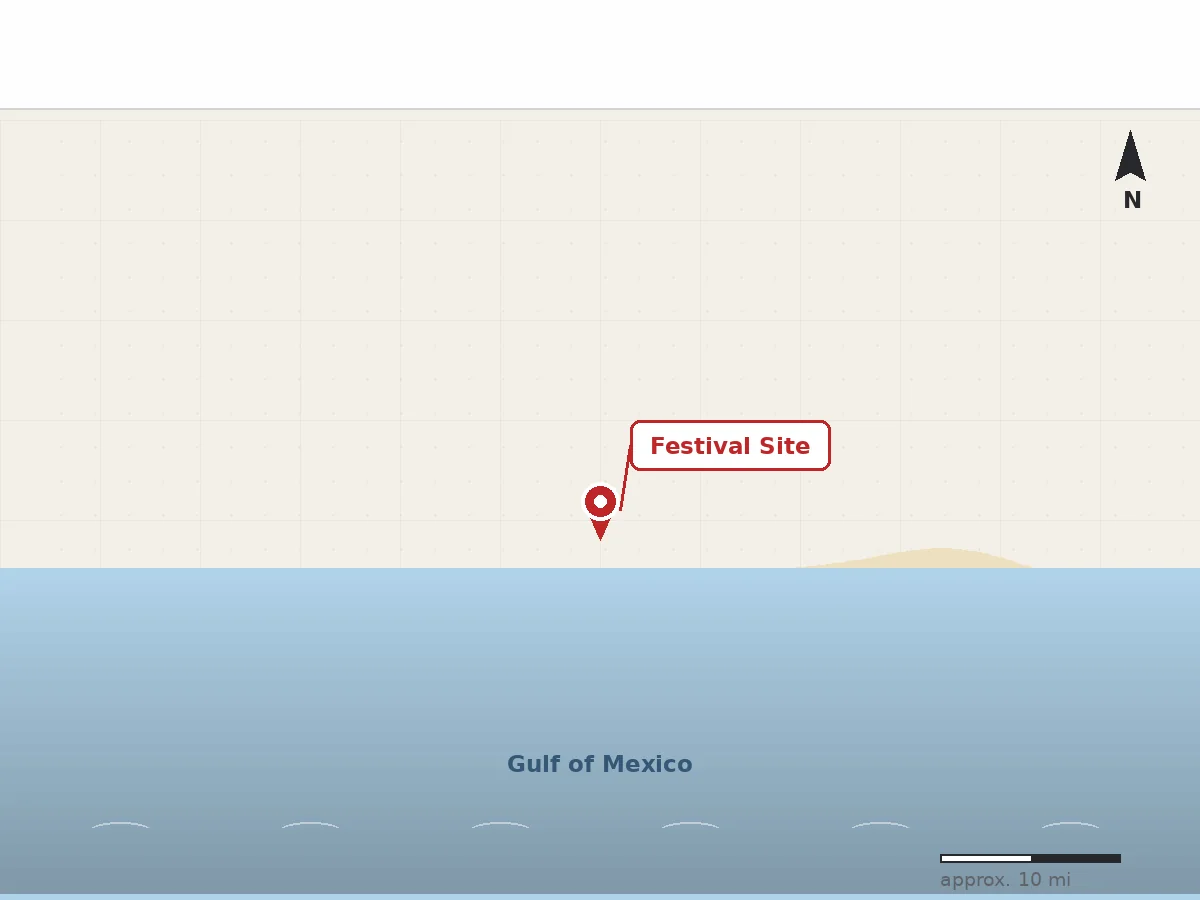
The Lucas County Fair takes place at the fairgrounds in the Lucas County area, just outside Chariton, the county seat of this south-central Iowa county.
Lucas County Fair Questions Returning Visitors Still Ask
When does the Lucas County Fair usually happen?
It is held each summer, typically as a single week in midsummer that spans a weekend. If you are planning around it, think of the hottest stretch of the Iowa calendar and check the current schedule before you drive in.
Do I need to buy a ticket to get in?
Gate admission at the Lucas County Fair is generally free, in keeping with most Iowa county fairs. You pay as you go for food, carnival rides, games and any grandstand event that charges admission, so a family night out costs what you decide it costs.
Is the fair worth attending with young children?
Yes, and mornings are the easiest time to do it. The grounds are walkable, the barns are a hit with little kids, and the midway is small enough that you can cover it in an afternoon without exhausting anyone. Bring a stroller if you have one and expect grass and gravel in places.
What is the best night to visit the Lucas County Fair?
If you want energy, the Saturday evening of fair week is the biggest night, with the fullest grandstand and the longest food lines. If you want elbow room, a weekday afternoon or a Sunday morning is far calmer and lets you actually talk to exhibitors.
Looking Ahead to Future Lucas County Fair Seasons
County fairs everywhere are working to stay relevant, and Lucas County’s version has advantages most do not: a genuine agricultural base, strong youth participation, and a community small enough that volunteer labor still shows up. The likely path forward is more of what has already been happening — a fair that keeps its barns and ribbons at the center while adding entertainment and food that bring in people who have no direct connection to farming.
For returning visitors, that means the week will keep looking familiar while slowly getting better. Show up, spend a little money at the stands, thank a volunteer, and the tradition carries on for another year.
Last updated: October 2026
Whether it is your first summer in Lucas County or your thirtieth, the fair rewards the same approach: come early, stay late, eat something fried, and let the week slow you down. Chariton and the surrounding countryside will do the rest.