Labette County Kansas Labette County Fair Festival
Labette County knows fair week by its sounds before it sees the lights. Livestock trailers roll in early, the midway comes alive by midmorning, and by evening the grandstand is packed with neighbors who have not stood in the same row since last year. The Labette County Fair is less a tourist attraction than a homecoming with a schedule.
The fair belongs to Labette County, Kansas — a 653-square-mile stretch of southeast Kansas that counted 20,184 residents in the 2020 census. Oswego is the county seat, and the county was founded on February 26, 1867, taking its name from LaBette Creek. Fair week draws from every corner of that map, from farm families to retirees who come for the pie and stay for the conversation.
Ten Labette County Fair Details in One Table
| Town / place | The Labette County area, anchored around Oswego |
| County | Labette County, Kansas |
| County seat | Oswego |
| Population | 20,184 (2020 census) |
| Region | Southeast Kansas |
| Typical timing | Summer, generally July or August |
| Admission | Generally free or minimal to the grounds; rides and ticketed events cost extra |
| Setting | Rural fairgrounds with livestock barns, exhibit halls, midway, and grandstand |
| Features | Livestock shows, open-class exhibits, fair food, carnival rides, evening entertainment |
| Organizer | Volunteer fair board and local community groups |
What the Labette County Fair Means to People Who Live Here
Residents rarely describe the fair as an event. They describe it as a set of habits. There is the family that walks the barns before the midway opens, the retired farmer who parks in the same spot every year, the teenagers who treat the carnival as a summer reunion, and the grandparents who arrive at suppertime with folding chairs in the trunk.
The fair is a working agricultural showcase first. Exhibit halls fill with canned goods, quilts, photography, and garden produce; barns fill with cattle, hogs, sheep, goats, and poultry; and the show ring stays busy from morning until the light fades. That practical core is what makes the rest of it work — the food stands, the rides, and the grandstand nights all orbit around the business of showing animals and produce.
It is also one of the few weeks when a county of 20,184 people actually feels like one community. Nobody has to explain who they are or whose family they belong to.
For another look at how a community turns its own traditions into a gathering, see the Kossuth County Iowa Kossuth County Fair Festival for a useful comparison.

From an 1867 County Seat to a Fair Week Rhythm in Labette County
Labette County was organized on February 26, 1867, and named for LaBette Creek, with Oswego established as the seat of government. Farming, rail shipping, and small-town trade built the local economy, and like most Kansas counties, its fair tradition grew out of agricultural exhibitions where growers and breeders compared notes and competed for ribbons.
Over the decades the fairgrounds became a fixed point on the county calendar. Barns, exhibit halls, and a grandstand went up, came down, and were rebuilt; families entered the same classes their grandparents entered. The fair bent with the times — fewer farms, different breeds, new events — without losing the shape of the week.
What has stayed constant is the volunteer labor. Fair boards, exhibitors’ families, church groups, and boosters keep the gates open, and that unpaid work is the reason a county this size can still put on a fair at all.
What a Week at the Labette County Fair Actually Feels Like
Come for one evening and you will understand the pattern. Days belong to exhibitors and judges; evenings belong to everyone else. Here is how the main draws usually play out.
Fair Food That Draws a Line Before Noon
Fair food here runs on the classics: funnel cakes, corn dogs, hand-dipped ice cream, walking tacos, smoked meats, and lemonade in cups the size of a bucket. Local groups often run their own stands, which is why the pie and the cinnamon rolls tend to sell out early rather than late. Locals will tell you to eat before the grandstand starts, not during it. Bring cash for the smaller stands, and expect the longest lines right after the livestock shows let out.
Grandstand Nights and Music Under the Lights
Evenings at the grandstand are the fair’s social centerpiece, with entertainment that can range from live music to crowd-pleasing grandstand events and youth competitions. Arrive early if you want a seat rather than a standing spot, and expect the crowd to be as much of the show as whatever is on stage. Between sets, people wander out to the midway and back, so the grandstand never really empties.
Family Activities for Every Age
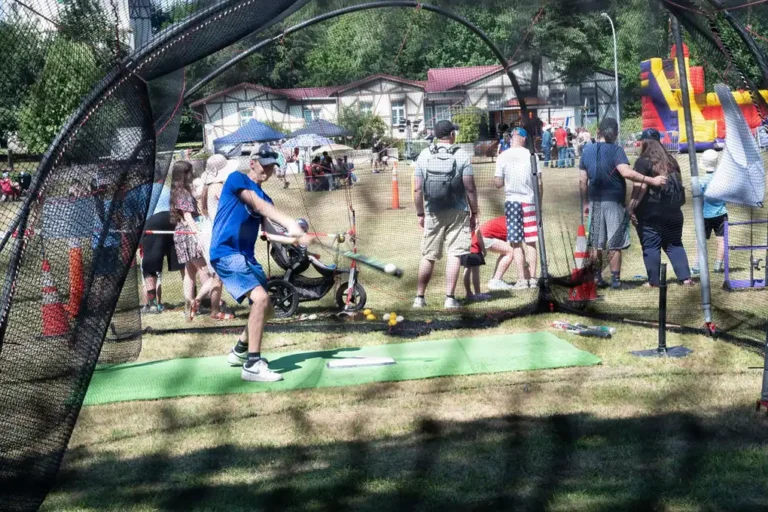
The fairgrounds are built for families moving at different speeds. Younger kids gravitate to the carnival rides, the games, and any animals within petting distance; older kids drift toward the midway and the barns where their friends are showing. Strollers handle the grounds reasonably well, though evenings get crowded. Many families set a meeting point near the main gate before splitting up — a habit that saves a lot of phone calls.
Planning a Trip to the Labette County Fair
The fair is a county event, not a resort, so planning stays simple: know how you are getting there, where you will sleep, and what the weather is doing.
Getting to the Labette County Area
Labette County sits in southeast Kansas, with Oswego as the county seat and Parsons as the largest city in the area. Most visitors arrive by car, often via US Highway 59 or US Highway 400, then follow local roads to the fairgrounds. Visitors flying in typically use a regional airport in the Joplin, Tulsa, or Wichita areas and finish the trip by car.
Where to Stay Around Oswego and Labette County
Lodging in the county is limited and books early during fair week. Most travelers stay in or near Parsons, in Oswego itself, or in a neighboring town within a short drive. RV owners and campers often build the trip around the fair, and the rural roads make the drive in from surrounding communities easy.
Parking at the Fairgrounds
Parking is typically on or adjacent to the fairgrounds, with volunteers directing traffic during the busiest evening hours. Arriving before the grandstand program starts is the single easiest way to avoid a long walk. If you park on grass, remember that a Kansas summer storm can turn a field soft in a hurry.
Admission, Rides, and What to Budget
Admission to county fairs in this part of Kansas is generally free or low-cost, with money coming back through food, rides, carnival wristbands, and grandstand tickets. Budget for those rather than a gate fee, and carry some cash for smaller vendors and raffles.
Kansas Weather and What to Bring
Fair week in southeast Kansas is hot and humid, with daytime heat that makes shade and water non-negotiable. Afternoon thunderstorms build quickly, so a poncho beats an umbrella once the wind picks up. Bring sunscreen, a refillable bottle, closed-toe shoes for the barns, and a light layer for the evening.
A Sample Fair Weekend in Labette County
Start Friday evening at the barns, when exhibitors are still settling animals and the crowds have not fully arrived. Walk the exhibit hall while it is quiet, grab dinner from a stand before the line forms, and finish the night at the grandstand.
Saturday is the full day. Come early for the livestock shows, stay through the afternoon for the midway and the games, and plan on supper at the fairgrounds rather than in town. This is the busiest night, so park early and pick a meeting spot before anyone’s phone battery dies.
Sunday runs slower and sweeter. Many families come for the final classes, one last pass through the exhibit hall, and one more round of fair food before the grounds come down. It is also the best time to talk with exhibitors, who are usually happy to explain what they brought and why.
How the Labette County Fair Compares With Neighboring Fairs
Southeast Kansas has no shortage of county fairs, and Labette’s sits comfortably among them. Crawford County, to the east, draws from the Pittsburg and Girard area; Montgomery County, to the south and west, centers on Independence and Coffeyville; Neosho County, to the north, gathers around Chanute and Erie.
Labette’s fair leans agricultural and neighborly rather than commercial. Visitors chasing a bigger midway may find one at a larger fair; visitors who want to talk to the person who raised the heifer they are looking at will prefer Labette County. Many families simply make a week of it and visit more than one fair.
Labette County Fair Checklist: What to Load in the Truck
Pack for heat and mud in the same bag: sunscreen, hats, refillable water bottles, closed-toe shoes, a light rain jacket, and cash for small vendors.
Also worth bringing: a folding chair for the grandstand area, a battery pack for a long day, a cooler left in the vehicle for the ride home, and a screenshotted schedule so you are not relying on signal in a crowd. Leave pets at home, and keep an eye on kids near the livestock barns, where animals can startle.
Beyond the Fairgrounds: Oswego and the Rest of Labette County
Oswego, the county seat, rewards a slow hour: a compact downtown, county offices, and the kind of main street that still functions as a place to run into people. Parsons, the largest city in the county, has the widest range of restaurants and stores in the area, and Altamont, Chetopa, and Mound Valley each hold their own small-town character.
The county’s 653 square miles are mostly farmland, and the drive between towns is part of the experience — hedgerows, grain elevators, and long sightlines. Visitors with extra time often pair the fair with a morning of small-town browsing or an afternoon on the back roads before heading home.
Why Fair Week Still Holds Labette County Together
In a county of 20,184 people spread across 653 square miles, gatherings that include everyone are rare. Fair week is one of them. It is where scholarships get announced, where kids learn to speak in public about an animal they raised, and where older residents pass down practical knowledge that never makes it into a book.
It matters economically too. Fair week is a shot of business for local vendors, fuel stations, and restaurants, and it keeps volunteer organizations funded for the year. More than that, it gives a rural county a shared reference point — the week everyone can talk about.
Where in Kansas the Labette County Fair Sits
The Labette County Fair is held in the Labette County area of southeast Kansas, with Oswego — the county seat — serving as the main anchor for visitors heading to the grounds.
Labette County Fair Questions, Answered Plainly
When does the Labette County Fair usually take place?
It is a summer fair, typically held in July or August, running across several consecutive days that include a weekend. Because dates shift from year to year, check the current schedule before you plan travel or request time off.
Do I have to pay to get in?
Admission to the fairgrounds is generally free or minimal. The real spending happens inside — food, carnival rides, games, and any ticketed grandstand entertainment. Bring cash for smaller stands and raffles.
What should I see if I only have one evening?
Walk the barns and the exhibit hall first, while there is still daylight and exhibitors are around. Eat at a food stand, then settle in at the grandstand for the evening program. That single loop covers most of what makes the fair feel like the fair.
How do I experience it like a local?
Come early, talk to people, and do not rush the barns. Locals treat the fair as a week-long visit rather than a one-night stop, so the best approach is to slow down, ask an exhibitor what they brought, and let the evening unfold on its own.
What’s Ahead for the Labette County Fair
County fairs everywhere are navigating the same pressures: fewer farms, tighter volunteer rosters, rising costs, and competition for a family’s limited summer weekends. Labette County is no exception, and the fair’s future depends on the people who keep showing up — exhibitors, sponsors, and the volunteers who staff the gates.
Its strengths are the ones that do not cost much: a real agricultural purpose, a county that still turns out for its own, and a schedule built around community rather than spectacle. As long as those hold, fair week in Labette County should keep sounding like summer.
Last updated: October 2026
If you go, go with time to spare and no tight schedule. Buy something from a stand run by a church group, watch a class get judged, and stay until the grandstand lights go down. That is how Labette County does fair week — and it is worth doing the same way.

One Comment