Keokuk County Iowa Keokuk County Fair Festival
Ask a dozen people across Keokuk County what summer sounds like and you will get a dozen versions of the same answer: a barn fan humming, a carnival game rattling, somebody calling out that the pork burgers are finally ready. The Keokuk County Fair is less a single event than a habit — a few days each summer when Sigourney, Keota, Hedrick, What Cheer, Delta, Ollie and every gravel-road address in between drift toward the same patch of grass.
Residents describe fair week the way they describe harvest: as something already on the calendar, not something to decide about. “We don’t really talk about whether we’re going,” one lifelong Sigourney resident says. “We talk about which night we’re going.” That reflex is the best introduction to a fair that has threaded itself through southeast-central Iowa life for generations.
| Town / area | Keokuk County area, with Sigourney as the hub |
| County | Keokuk County, Iowa |
| County seat | Sigourney |
| Population | 10,033 (2020 census) |
| Region | Southeast-central Iowa |
| Typical timing | A summer weekend, most often in July |
| Admission | Typically free at the gate; rides and some grandstand events carry separate charges |
| Setting | A traditional county fairground with barns, a show ring, grandstand and midway |
| Signature features | 4-H and FFA livestock shows, static exhibits, carnival rides, fair food stands |
| Organizer | A volunteer fair board working alongside county 4-H and extension partners |
Inside the Keokuk County Fair: Barns, Midway, and Neighbors
Strip away the lights and the funnel cake trailers and a county fair is still an agricultural showcase, and that is exactly what this one is. The barns fill first. Beef cattle, dairy animals, swine, sheep, goats, rabbits and poultry arrive with trailers, grooming chutes and families who have been halter-breaking animals since spring. Static exhibits — photography, baking, garden produce, sewing, woodworking — line the exhibit hall, judged by categories that reward patience more than spectacle.
Keokuk County covers 579.926 square miles, which matters more than it sounds. With a 2020 population of 10,033 spread across small towns and open farmland, the fair is one of the few moments when the whole county occupies the same few acres. Neighbors who wave from passing trucks all year actually stop and talk here. Kids who compete against each other in one class share a bench at the next.
Beyond the barns, the midway, food row and grandstand give the fair its evening personality. Gate admission is typically free, which is part of why residents treat it as an easy, repeatable outing rather than a once-a-summer splurge.
For another look at how a community turns its own traditions into a gathering, see the Keokuk County Iowa Expo Festival for a useful comparison.

How the Keokuk County Fair Grew From 1843 Roots
Keokuk County was founded on February 17, 1843, with Sigourney established as the county seat. In that era, county fairs across Iowa grew out of agricultural societies — groups of farmers and merchants who wanted a place to compare crops, bloodlines and techniques, and to turn a practical exchange into a social occasion. The pattern repeated from county to county, and Keokuk County’s version took the same shape: an annual gathering tied to the harvest calendar and the rhythms of rural life.
What survived the decades was not the specific program but the structure. Livestock judging remained the anchor. Exhibits expanded from field crops into home economics, then into youth projects. Grandstands were built, rebuilt and repurposed. Carnival companies came and went. Through all of it, the fair stayed locally organized and locally staffed — a volunteer fair board, extension staff, 4-H leaders and parents who treat fair week as a second job they never applied for.
Older residents describe a fair that has changed in details and not in purpose. The animals are still the point. The kids still sleep in the barn. Somebody still sells pie.
What Fair Week Feels Like Around Sigourney
Fair week has a predictable arc: quiet mornings in the barns, busy late afternoons at the show ring, and a midway that fills after supper. Most visitors come for two or three hours rather than a full day, which is why the fair feels less like a destination and more like a neighborhood.
Fair Food That Regulars Order First
Food row is where habits are strongest. Pork burgers and breaded tenderloins are the standard order for many families, followed by funnel cakes, corn dogs, nachos and lemonade shake-ups. Church and civic groups often run their own stands, which is where you find pie by the slice, walking tacos and the coffee that barn crews drink at six in the morning. Regulars will tell you to eat before the evening rush, when lines double and the shaded seating disappears.
Music, Grandstand Nights, and Evening Entertainment
Evenings belong to the grandstand and the open-air stages. Local and regional bands are a fair-week staple, and grandstand nights often include tractor pulls, demolition derbies or motocross-style events that draw a crowd well beyond the county line. Announcements over the loudspeaker, the smell of fried food and the sound of a show ring gate clanging shut are the fair’s real soundtrack. Programming varies from year to year, so it is worth checking the schedule before you plan which night to attend.
Family Activities and 4-H Tradition
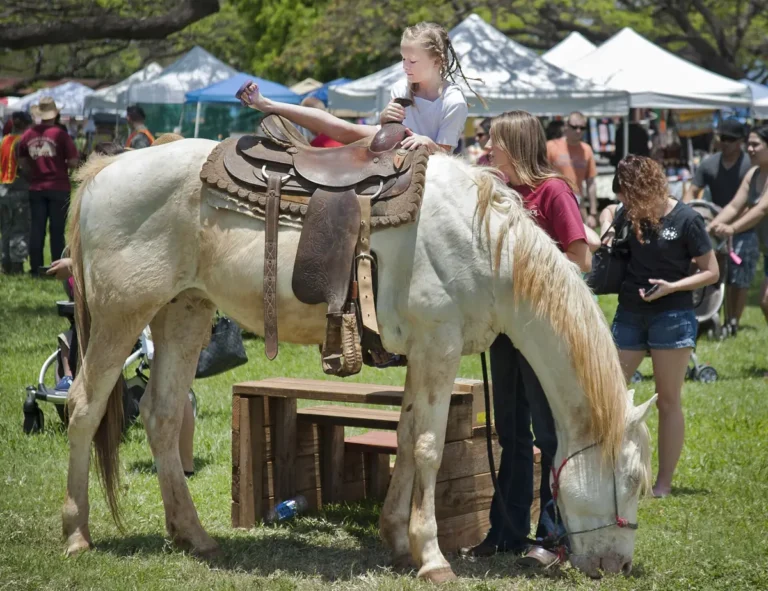
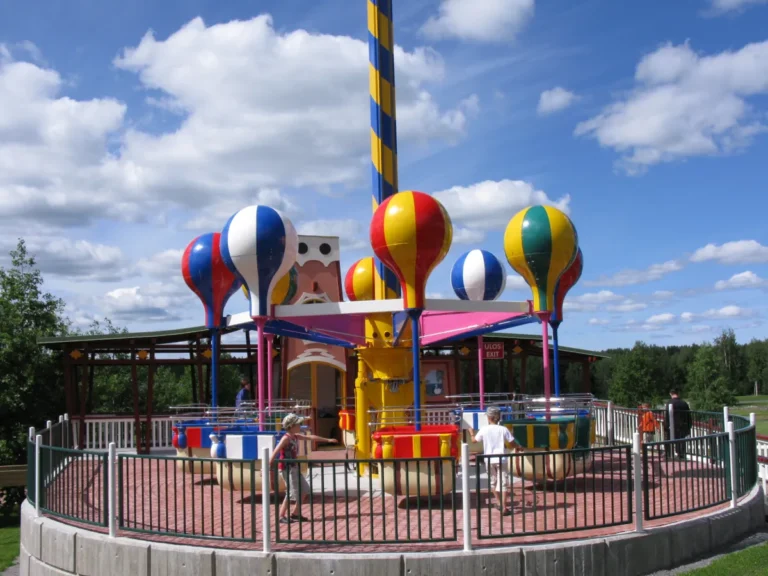
Families with young children tend to park near the midway and work outward: rides first, then animals, then food. The barns are genuinely family-friendly, and most exhibitors are happy to let a curious kid pet a calf or scratch a rabbit. Livestock shows, bucket calf classes, petting areas and kids’ games fill the daytime hours, while the carnival takes over after dark. Strollers handle the grounds fine; closed-toe shoes handle them better.
Planning a Trip to the Keokuk County Fairgrounds
Fair week is manageable if you plan around two things: the evening rush and the July heat. Everything else sorts itself out.
Getting There From Anywhere in Keokuk County
Sigourney sits at the center of the county, and the state highways that meet there make it the natural approach for anyone coming from Keota, Hedrick, What Cheer, Delta, Ollie, Keswick, Webster or the surrounding townships. From outside the county, the practical route is to aim for Sigourney first and follow fair-week signage from there. Country roads are fine in dry weather but can be slick after a storm, so allow a few extra minutes.
Where to Stay Near Sigourney
Lodging in the immediate area is limited and small-scale, so most out-of-town visitors either stay with family or base themselves in a larger nearby community and drive in for the evening. Campers and RV owners often make the fairgrounds part of the trip, since camping is a long-standing county fair tradition. Book early for fair week; this is not a weekend when rooms sit empty.
Parking Around the Fairgrounds
Parking is typically on grass lots and along designated fairground edges, directed by volunteers. Arrive before the grandstand event starts and you will walk a short distance; arrive twenty minutes late and you will walk a long one. Keep an eye on where you parked — rows of trucks and trailers all look alike after dark.
Admission and What Things Cost
Gate admission is typically free, which keeps the fair accessible for families who come multiple nights. Costs show up elsewhere: carnival rides, ride wristbands, grandstand events, raffle tickets and food. A reasonable approach is to set a cash budget per person, because food stands and midway games move faster with cash, even where cards are accepted.
July Weather and What to Wear
Expect heat, humidity and the real chance of an afternoon thunderstorm. Light clothing, a hat, sunscreen and a refillable water bottle are standard equipment. Bring a light layer for evenings, when the temperature drops after sunset, and shoes you do not mind getting dusty or muddy. If lightning moves in, the barns and exhibit buildings become the sensible place to wait it out.
A Sample Fair Weekend in the Keokuk County Area
Friday evening. Arrive around suppertime, eat before the rush, then walk the barns while they are still relatively calm. Catch the grandstand event, then let the kids hit the midway as the lights come on.
Saturday. This is the fullest day. Come mid-morning for livestock judging and static exhibits, grab lunch from a civic group stand, and spend the hottest hours in the shade or the exhibit hall. Return in the evening for music and the biggest crowd of the weekend.
Sunday. Mornings are quieter and better for talking with exhibitors. Walk the show ring one last time, buy something from a food stand on your way out, and leave before the afternoon build-up. Longtime attendees say Sunday is the day the fair feels most like itself.
Keokuk County Fair vs. Neighboring Summer Celebrations
Neighboring county fairs in Mahaska and Washington counties offer a similar mix of livestock shows, grandstand nights and midway rides, usually with a slightly larger footprint and more commercial vendors. The Keokuk County Fair counters with scale: shorter lines, easier parking and a program where most of the people in the barn know each other by name.
Larger regional draws like the Iowa State Fair in Des Moines deliver big-name entertainment and a full day of walking. That is a different experience entirely. The local version is about an evening, a barn and a familiar face — the kind of outing you can repeat three nights in a row without thinking twice.
A Fairgoer’s Checklist for Keokuk County
Check the schedule before you commit to a night, since grandstand programming changes annually. Bring cash in small bills, a water bottle, sunscreen, bug spray and a light jacket. Wear closed-toe shoes and leave the sandals at home. Charge your phone but expect spotty signal in crowded areas. If you are exhibiting, confirm entry deadlines and stall assignments with your 4-H or extension contact well in advance.
Finally, plan your exit. Leaving right as a grandstand event ends means sitting in a grass lot with two hundred other trucks. Wander the midway for twenty minutes, and the drive home becomes easy.
After the Fair: Sigourney and the Rest of Keokuk County
The fair is a good reason to see more of the county. Sigourney, the county seat, has a courthouse square worth a slow walk and small businesses that appreciate fair-week traffic. Beyond town, Lake Belva Deer Park offers camping, fishing and trails for anyone extending the trip. What Cheer and Keota each hold their own history, and the back roads between them are the kind of drive that explains why people stay in this part of Iowa.
Why Fair Week Still Holds Keokuk County Together
In a county of 10,033 people spread over 579.926 square miles, institutions that pull everyone into one place are rare and valuable. The fair does that without asking much: no reservation, usually no gate fee, no dress code. It is the one week when a farm kid from a rural township, a retiree from Sigourney and a family passing through on the highway all end up watching the same show ring.
That is why residents measure the summer by it. The fair is not nostalgia for them. It is the current version of a 180-year-old habit — Keokuk County founded in 1843, still gathering in the same spirit.
Where the Keokuk County Fairgrounds Sit
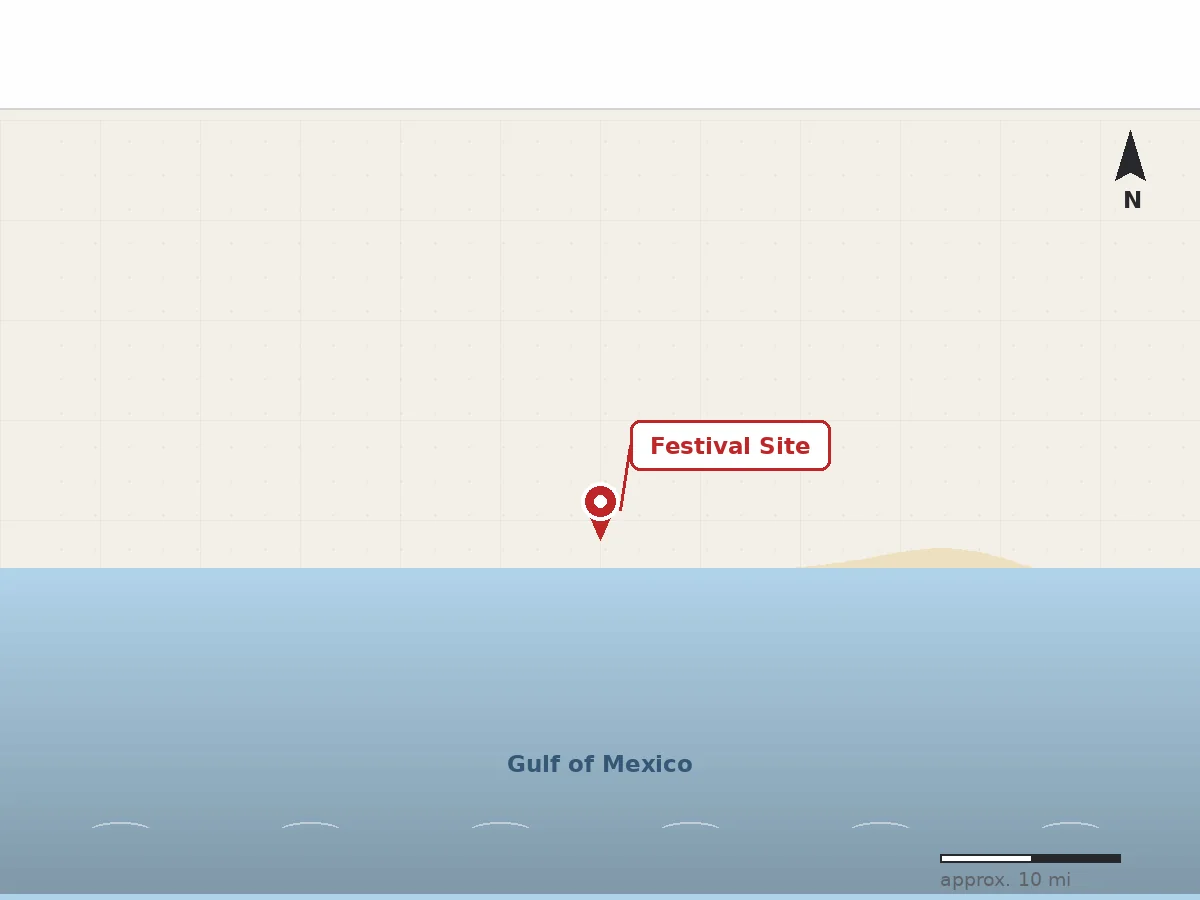
The fairgrounds sit in the Keokuk County area, with Sigourney — the county seat — serving as the main anchor for directions and fair-week traffic.
Keokuk County Fair Answers for First-Time Visitors
Is the Keokuk County Fair free to attend?
Gate admission is typically free, which is one reason locals come back multiple nights. Individual costs apply to carnival rides, ride wristbands, grandstand events, raffles and food. Budget for those separately rather than expecting an all-inclusive ticket.
When is the Keokuk County Fair usually held?
It is a summer event, most often falling on a weekend in July, in keeping with the traditional Iowa county fair calendar. Because the exact week shifts from year to year, check the current schedule before planning travel or booking lodging.
Is the fairgrounds good for young kids and strollers?
Yes. The grounds are flat and walkable, the barns welcome supervised children, and daytime programming leans family-friendly. Strollers work fine, though the gravel and grass make sturdy wheels and closed-toe shoes a better choice. Evenings are busier, so keep younger kids close near the midway.
Do you have to live in Keokuk County to take part?
Exhibitors are generally youth and residents connected to county 4-H and extension programs, but anyone is welcome to attend, eat, ride and watch. If you are interested in entering an exhibit, contact the county extension office ahead of time to confirm eligibility and deadlines.
Looking Ahead to the Next Keokuk County Fair
The fair’s future depends on the same things it always has: volunteers, exhibitors and families willing to show up. Barn counts, midway contracts and grandstand lineups shift year to year, but the underlying model — free gate, local organization, youth agriculture at the center — has proven durable across generations. As long as there are kids halter-breaking calves in April, there will be a fair in July.
For anyone planning ahead, the smart move is simple: watch for the schedule, keep a night free, and treat fair week as a standing appointment rather than a decision to make later.
Last updated: October 2026
Keokuk County does not need a large fair to have a meaningful one. What it has is a few acres, a few hundred exhibitors and a habit of showing up — and in a county this size, that has always been enough.