Jones County Iowa Wyoming Fair Festival
Some fairs are all spectacle and no rhythm. The Wyoming Fair in Jones County, Iowa, is the other kind — a summer evening with a folding chair, a paper plate of something fried, and a grandstand that slowly fills as the sun drops behind the corn. That doesn’t mean it rewards carelessness. Parking fills, storms roll in fast, and the best food lines move quickest before the crowd peaks. This guide is built for people who want to enjoy the fair without spending the whole night fighting it.
The Jones County Iowa Wyoming Fair Cheat Sheet
| Community | Wyoming area, Jones County, Iowa |
| County | Jones County |
| County seat | Anamosa |
| County population | 20,646 (2020 census) |
| Region | East-central Iowa, Wapsipinicon River valley |
| Typical timing | A weekend in late July or early August |
| Admission | Typically free at the gate |
| Setting | Small-town fairgrounds with barns, midway, and grandstand |
| Signature features | Livestock and youth exhibits, fair food, carnival rides, grandstand events |
| Run by | Local volunteers and community organizations |
What the Wyoming Fair Actually Is
At its core, the Wyoming Fair is a community fair rooted in the small town of Wyoming, Iowa, in the Jones County area. It typically lands on a weekend in late July or early August, when Iowa’s fair season is in full swing and the corn is tall enough to make the horizon feel close. Gate admission is generally free, and that single fact shapes the whole experience: you come and go as you please, you spend where you want to spend, and nobody feels nickel-and-dimed at the entrance.
Jones County is a 577-square-mile stretch of east-central Iowa with a 2020 population of 20,646. Its county seat is Anamosa, and the county was founded on December 21, 1837, named for George Wallace Jones. That scale matters when you’re planning. This is not a metro fair with parking garages and shuttle routes — it’s a county of small towns where the fairgrounds, the grocery store, and the grain elevator all sit within a few minutes of one another.
Practically, that means the fair feels personal. You will likely see the same families in the livestock barn on Saturday morning that you stood behind at the food stand on Friday night. Bring patience for a slow-moving parking line and curiosity for the exhibit halls. The texture of the fair lives in those details, not in the size of the crowd.
How the Fair’s Roots Run Through Jones County History
Jones County was organized in the late 1830s and named for George Wallace Jones, a figure from Iowa’s territorial era. Its identity was built on farming — corn, soybeans, hogs, dairy — and on the small towns that served those farms. Anamosa became the county seat, the place where records, courts, and county business concentrated.
For another look at how a community turns its own traditions into a gathering, see the Jones County Iowa Great Fair Festival for a useful comparison.
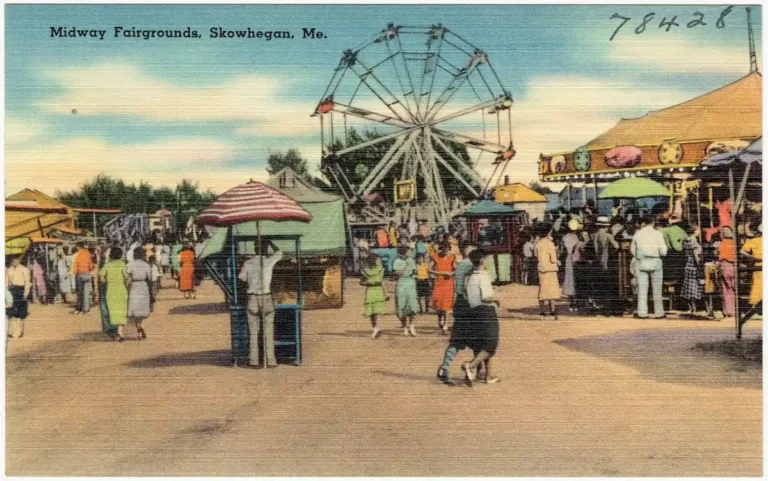
Town and county fairs grew directly out of that agricultural rhythm. Before easy travel, a fair was the one week when everyone across a 577-square-mile county had a reason to gather in the same place: to compare livestock, trade seed and gossip, watch a race, and let their kids ride something mechanical. The Wyoming Fair carries that inheritance forward. Its shape — barns, a midway, a grandstand, exhibit halls full of preserved peaches and prize-winning pies — descends from the harvest gatherings Iowa towns built their summers around.
What has changed is the audience. Today’s fair serves farm families and town families alike, plus visitors from outside Jones County who come for a night of fair food and small-town atmosphere. What hasn’t changed is who runs it: volunteers, local organizations, and youth programs whose members spend months preparing animals and exhibits for a single weekend.
On the Ground: What a Day at the Wyoming Fair Looks Like
The fair’s footprint is compact, which is a gift if you’re managing kids, grandparents, or a stroller. You can walk the entire grounds in an evening and still have time to sit down. Here’s how the day usually breaks down.
Fair Food Along the Midway
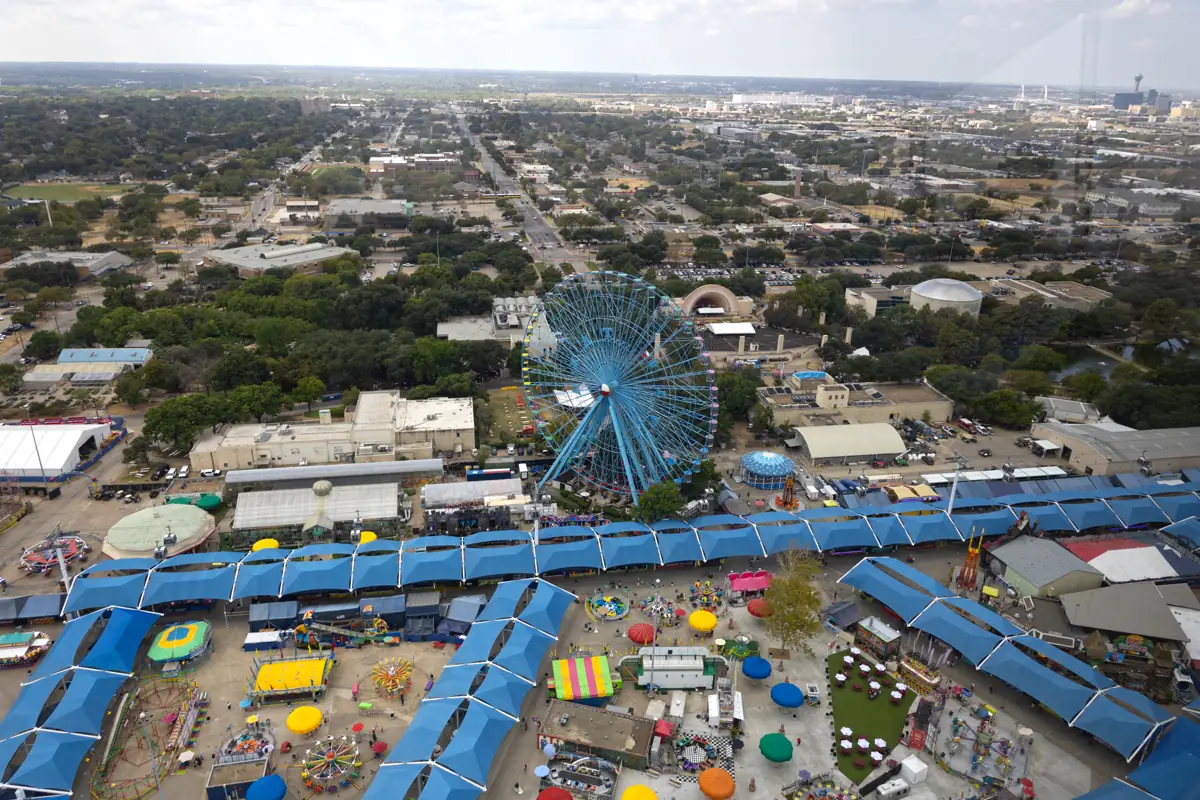
Food is the fair’s center of gravity. Expect the classic lineup: funnel cakes, corn dogs, pork tenderloins, cheese curds, fresh-squeezed lemonade, and hand-dipped ice cream. Church groups and local nonprofits typically run stands too, which is often where you’ll find the best pie, the strongest coffee, and the shortest line. Come hungry, bring cash, and eat before the evening rush — midway lines tend to double once the grandstand crowd arrives.
Music, Grandstand Nights, and Local Talent
Evening programming anchors the fair. A grandstand event draws the biggest crowd of the weekend, while smaller stages and tents host local bands, youth performers, and community groups earlier in the day. If you’re coming mainly for the headline event, arrive well before start time and plan on a walk. If you’re coming for the atmosphere, late afternoon is the sweet spot — shade, shorter lines, and room to sit.
Family Activities and Youth Exhibits
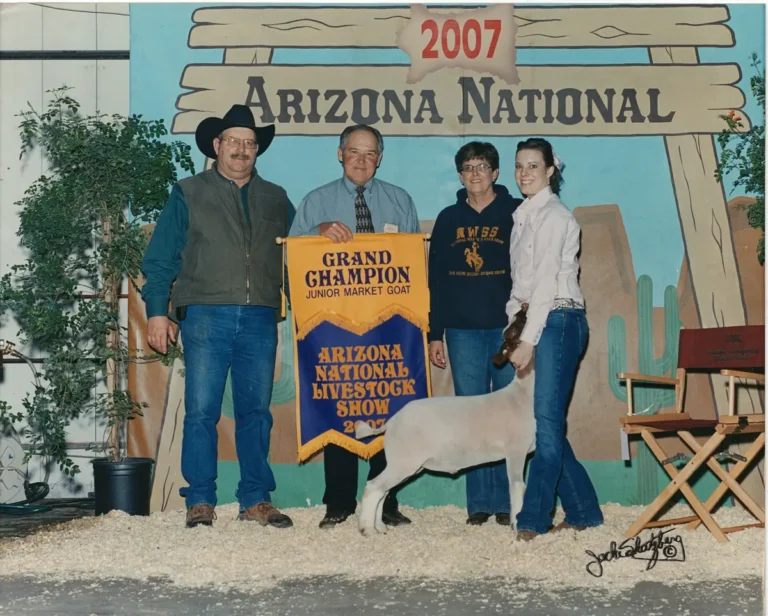
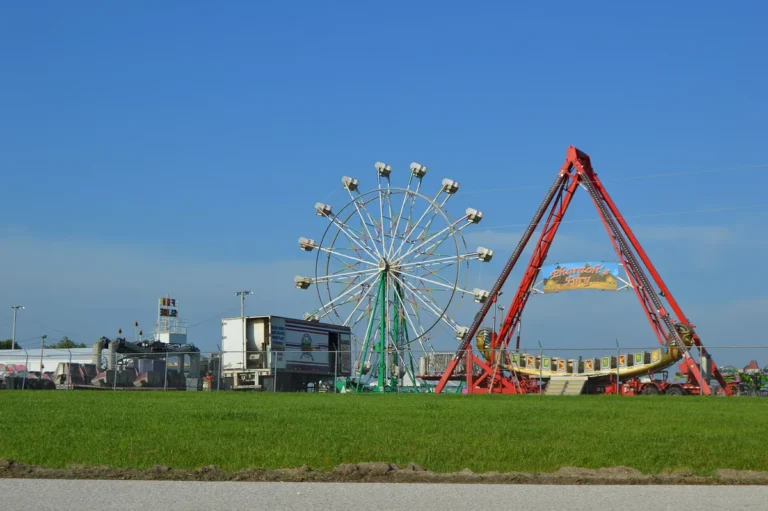
The livestock barns are the fair’s living heart, and they’re genuinely family-friendly: kids can watch animals being washed and fitted, ask exhibitors questions, and see how much work goes into a project that lasts four days. Beyond the barns, look for carnival rides, games, baking and craft exhibits, and the small competitions that give the fair its character. The grounds are mostly flat, but grass and gravel sections get uneven after a rain.
Planning Your Fair Day in Jones County
Getting There from Anamosa and Beyond
The Wyoming area sits a short drive from Anamosa, the Jones County seat, and is reachable from the wider region via the highways that cross east-central Iowa. Traffic near the fairgrounds is the real variable, not distance. Arrive early on grandstand nights, and expect two-lane roads to move slowly through the final mile as cars turn into the grounds.
Where to Base Yourself for a Fair Weekend
Anamosa is the most practical base for out-of-town visitors, since it concentrates the county’s services and lodging options. Larger cities in the region offer more rooms if you don’t mind a longer drive in and out. Camping appeals to fairgoers who want to stay close to the grounds, though nearby sites tend to fill quickly during fair weekend. Book ahead if your visit overlaps with any other regional event.
Parking Around the Wyoming Fairgrounds
Parking is typically a mix of street spaces and grass or gravel lots near the grounds, managed by volunteers and local groups. Follow the signage and the people in vests — they know which lots fill first. Don’t park on private driveways or block farm equipment access, even when a spot looks convenient. If you arrive after the grandstand start, expect a walk of several minutes.
Admission, Wristbands, and What Things Cost
Gate admission is typically free, which means your spending is entirely discretionary: food, rides, games, raffle tickets, and grandstand events. Bring cash, since small vendors and church stands often prefer it and ATMs in a town this size are limited. Some fairs sell ride wristbands for a set price on certain days, so check locally before you go to decide between individual ride tickets and a band.
Late-Summer Weather and What to Pack
Iowa in late July and August means heat, humidity, and the chance of a fast-moving afternoon thunderstorm. Pack sunscreen, a refillable water bottle, hats, and bug spray for the evening. A light rain jacket beats an umbrella when it’s windy. Nights cool off quickly after sunset, so a hoodie in the car is never wasted. If storms are forecast, visit earlier in the day and keep an eye on the sky.
A Sample Fair Weekend in Wyoming, Iowa
Friday. Arrive mid-afternoon, park while lots still have space, and walk the midway before lines form. Eat dinner from the stands, then claim a seat for the grandstand event. Leave before the final exit rush if you’re driving far.
Saturday. Come back in the morning for livestock shows and youth exhibits, when the barns are busiest and the light is best. Have lunch on the grounds, take an afternoon break at your lodging or in Anamosa, then return in the evening for rides, music, and cooler air.
Sunday. The pace slows. Walk the exhibit halls one more time, catch any remaining shows, and then take a back-road drive through the Jones County countryside before heading home.
How the Wyoming Fair Compares with Nearby Jones County Towns
Anamosa, the county seat, is the busier option — more restaurants, more services, and the historic and artistic draws that come with being the county’s center. It pairs well with a fair visit rather than replacing one. Monticello, another Jones County community, has a larger commercial core and its own calendar of summer events. Smaller towns like Olin and Cascade run gatherings with an even more intimate feel. The Wyoming Fair’s advantage is its scale: small enough to feel like a neighborhood party, organized enough to have real programming.
Packing and Prep Notes for Fair Week
Cash in small bills for food stands and raffles. Sunscreen, hats, and a refillable water bottle. Closed-toe shoes, because barns and gravel lots are unforgiving on sandals. Bug spray for after dusk. A light rain layer. A power bank for your phone, since charging points are scarce. Folding chairs or a blanket if you plan to sit through a grandstand event. A cooler in the car for leftovers and drinks. And a meet-up plan: agree on a landmark near the midway in case your group splits up, because cell service gets crowded when everyone is texting at once.
Beyond the Fairgrounds: Anamosa, Stone City, and the Wapsipinicon Valley
If you’re making the trip, build in a few hours outside the gates. Anamosa is the obvious first stop, with its small-town main street and ties to Grant Wood, whose work is inseparable from this corner of Iowa. The Stone City area, just up the Wapsipinicon River, carries the legacy of the art colony that once gathered there. The Wapsipinicon itself offers state park land and river views a short drive from the fairgrounds. Farther out, the rolling farmland of Jones County rewards a slow drive on gravel roads — the kind of scenery that explains why so many of the fair’s exhibits are about land.
Volunteers, Youth Exhibits, and the Fair’s Place in Jones County Life
What keeps a fair like this running is not ticket revenue. It’s volunteer labor: the parents who spend months helping kids halter-break animals, the church members who staff a food stand for three days straight, the fire department members who direct traffic in the heat. For young exhibitors, the fair is often their first experience of deadlines, responsibility, and public accountability. For the wider county, it’s a rare occasion when residents of Anamosa, Monticello, Wyoming, Olin, and every farm between them end up in the same place at the same time.
Where the Wyoming Fair Sits in Jones County
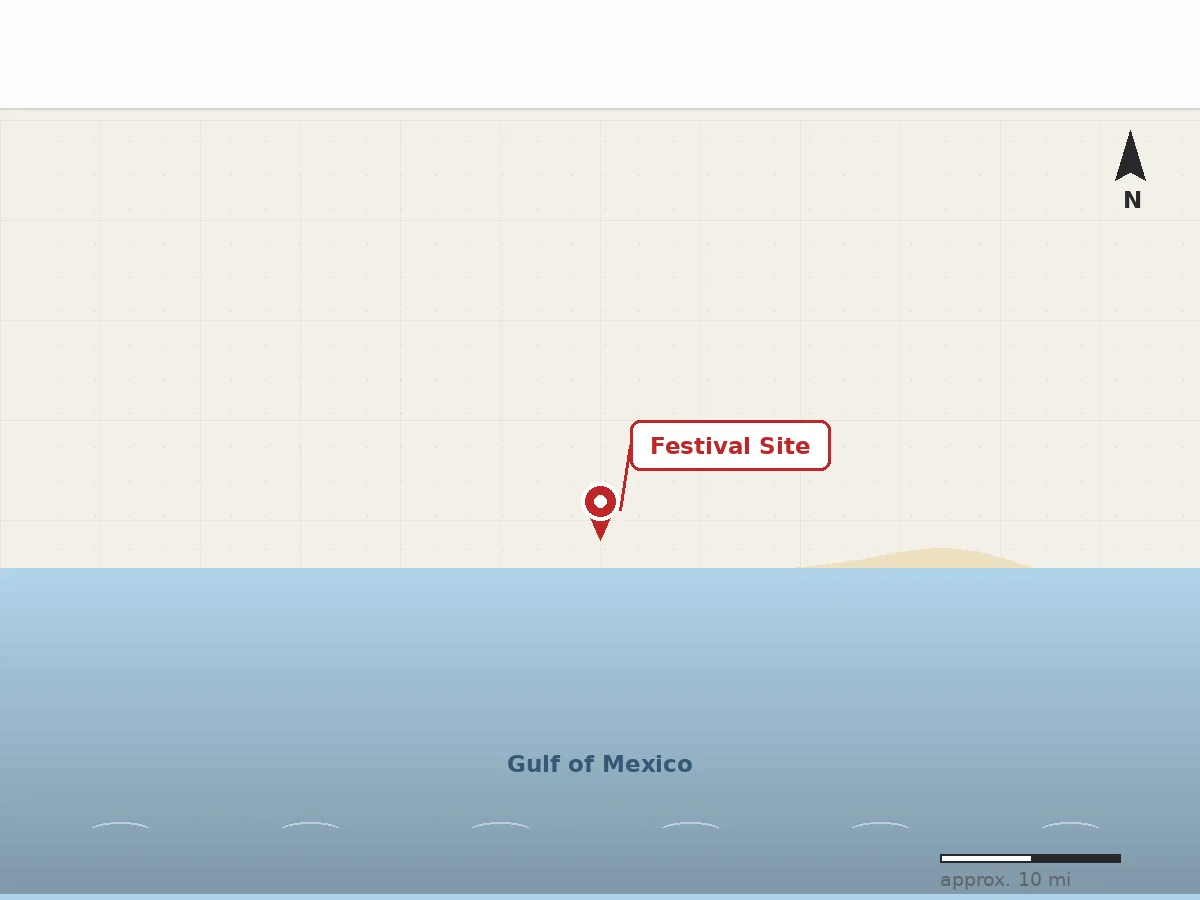
The Wyoming Fair takes place in the Wyoming area of Jones County, Iowa, a short drive from the county seat of Anamosa in the Wapsipinicon River valley.
Wyoming Fair Questions, Answered Before You Go
Is there an admission charge at the Wyoming Fair?
Gate admission is typically free, so you can walk in without buying a ticket. Your costs come from what you choose to do inside: food, carnival rides, games, raffle tickets, and grandstand events. That structure makes the fair easy to visit on a budget — you can spend an hour wandering the barns and exhibits and pay nothing at all.
When during the year does the fair usually happen?
It is generally held on a weekend in late July or early August, which places it squarely in Iowa’s peak fair season. That timing means hot afternoons, warm evenings, and the possibility of a passing storm. It also means you’re visiting Jones County when the surrounding farmland is at its most photogenic.
Should I bring cash or can I use a card?
Bring cash, and bring it in smaller bills. Many food stands, church groups, and raffle sellers operate on cash, and card readers can be unreliable when the grounds are crowded. ATMs in a town the size of Wyoming are limited, so plan ahead rather than hunting for one mid-evening.
Is the fair a good fit for young kids and older visitors?
Yes. The grounds are compact and mostly flat, the barns and exhibits are engaging for children, and there is ample seating for visitors who need to rest. The main challenges are heat, walking on gravel, and crowds near the midway at peak hours — arriving earlier in the day solves most of those.
Looking Ahead to the Wyoming Fair’s Next Seasons
Small fairs across Iowa are adapting: younger volunteers are harder to find, insurance and infrastructure costs keep climbing, and families have more options for a summer weekend. The Wyoming Fair’s response is the same one that has kept it relevant for generations — lean on community organizations, keep the gate free, and give local youth a reason to be involved. As long as Jones County families keep entering exhibits and filling the barns, the fair will keep its place on the summer calendar. Expect the essentials to stay put: food, livestock, grandstand nights, and a midway that glows after dark.
Last updated: October 2026
Plan the Wyoming Fair the way locals do: pick your evening, arrive before the rush, carry cash, and leave room in the schedule for a second visit. A county this size doesn’t produce many nights when everyone shows up at once, and this is one of them.

One Comment