Jones County Iowa Great Fair Festival
Anamosa sits in the Wapsipinicon River valley as the seat of Jones County, Iowa, a county established on December 21, 1837, and named for George Wallace Jones. Beyond the town, 577 square miles of farmland, timber and small communities spread across eastern Iowa, home to 20,646 people at the 2020 census. That landscape of corn, cattle, church suppers and school gyms is the world the Jones County Iowa Great Fair Festival grew out of, and it still colors a summer weekend of funnel cake, sawdust and livestock bedding.
The Great Fair is a county fair in the oldest sense of the phrase: a few days when neighbors bring what they grew, baked, raised or built, and the rest of the county arrives to look, eat, cheer and catch up. It is a local tradition rather than a commercial spectacle, and that is exactly the point.
Great Fair Basics for First-Time Visitors
| Town / area | The Jones County area, Iowa |
| County | Jones County, Iowa |
| County seat | Anamosa |
| Population | 20,646 (2020 census) |
| Region | Eastern Iowa |
| Typical timing | A summer weekend, in most years |
| Admission | Generally free to enter the grounds |
| Setting | Fairgrounds ringed by Jones County farmland |
| Features | Livestock shows, exhibition halls, food stands, live music, family activities |
| Organizer | Local fair board and community volunteers |
What the Jones County Great Fair Actually Is
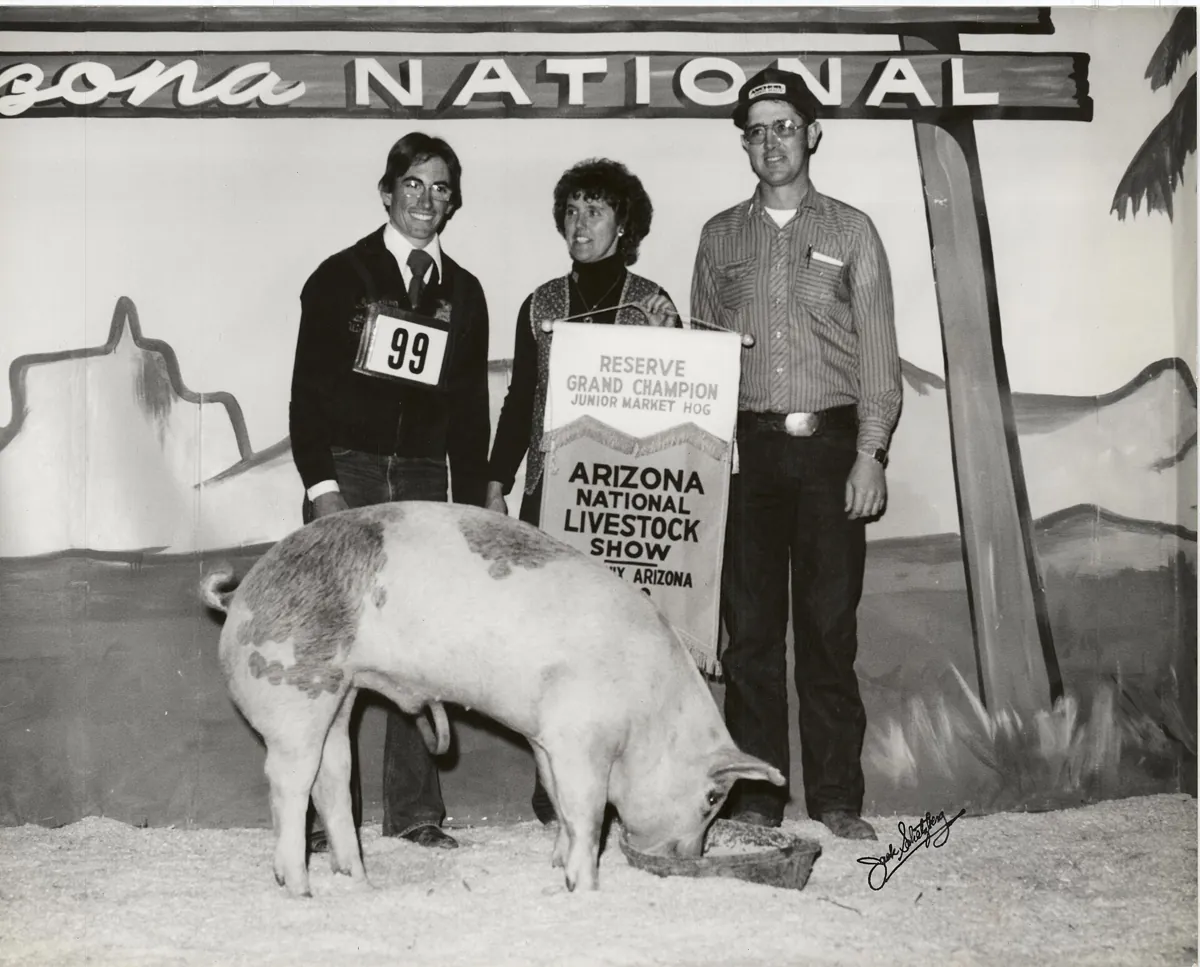
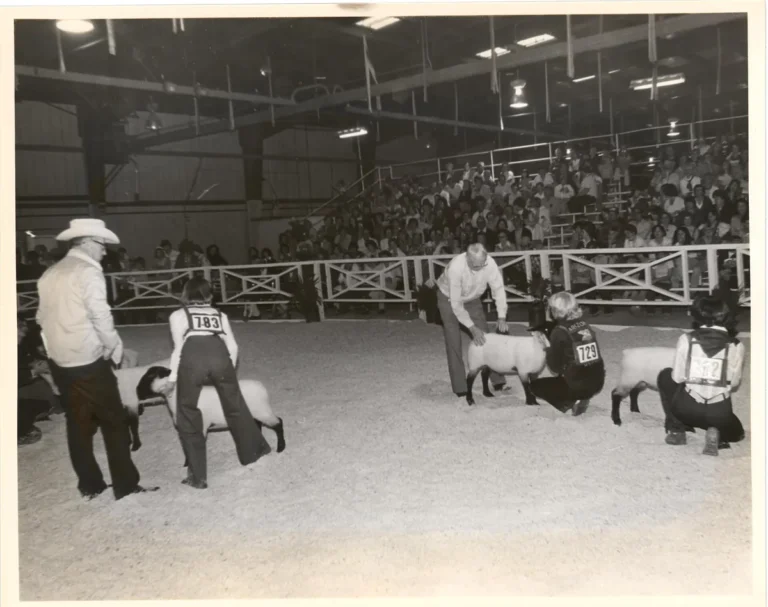
At its core, the Great Fair is an agricultural showcase wrapped inside a community reunion. Judging happens in barns and halls — cattle, hogs, sheep, poultry, rabbits, garden vegetables, canned goods, pies, quilts, photography and school artwork — and the ribbons matter more than any cash prize. For farm families, the fair is the annual report on a year of work; for everyone else, it is a chance to see what the county actually does.
Around that core sits everything else a fair needs: rows of food trailers and church stands, a midway of rides and games, commercial tents, a grandstand, and stages where local performers take over in the evening. Vendors and exhibitors come mostly from within a short drive of Anamosa, which is why the fair feels less like a touring carnival and more like a county-wide potluck with a Ferris wheel attached.

How a County Organized in 1837 Built a Fair Tradition
Jones County was organized in the middle of a national land rush, and its earliest years were spent turning prairie into farms. Anamosa became the county seat, and by the late 1800s Iowa’s agricultural societies, granges and township clubs had made the county fair a fixture of rural life. Fairs were practical institutions as much as celebrations: they spread better seed, better breeding and better methods from farm to farm.
For another look at how a community turns its own traditions into a gathering, see the Johnson County Kansas Johnson County Fair Festival for a useful comparison.
The Great Fair’s own history runs through those institutions. Each generation of organizers added something — a permanent exhibition building, a grandstand, a new barn, electricity, running water, paved walkways — while keeping the judging schedule at the center. Families who showed cattle here decades ago often have descendants still leading animals into the ring, and the same surnames appear on entry lists and volunteer rosters year after year.
What has changed is the machinery and the crowd’s wardrobe; what has not is the rhythm. Entries arrive, judging begins, the gates open, the grandstand fills at dusk, and by Sunday evening the grounds empty and the county returns to its usual work. That dependable cycle, repeated for generations, is the Great Fair’s real history.
What a Great Fair Weekend Feels Like in Jones County
A Great Fair weekend has three reliable anchors: food, sound and things for kids to do. Plan around them and the rest of the day takes care of itself.
Fair Food Rooted in Iowa Farm Country
Fair food here leans on Iowa farm country rather than novelty alone. Expect pork producers’ sandwiches, beef burgers, brats and hot dogs, roasted corn, walking tacos, fry bread, funnel cakes, homemade pie and ice cream, plus lemonade and sweet tea by the gallon. Church and civic groups often run their own stands, which is where the best pies and the most generous portions tend to be. Bring cash for the smaller stands, and eat early — the longest lines form right after the evening grandstand event lets out.
Music, Grandstand Moments and Contests
Evenings belong to the grandstand and the side stages. Local and regional country, rock and gospel acts are the usual bookings, alongside talent shows, tractor and truck pulls, demolition derbies, rodeo-style events and livestock auctions. Daytime entertainment is more informal: draft horse and pony shows, parades, pie-eating contests, bingo under a tent and the constant hum of the midway. Lineups change from year to year, so check the schedule board when you arrive and claim a seat early for anything at the grandstand.
Family Activities Across the Grounds
Children get their own run of the grounds: kiddie rides, carnival games, petting zoos, pony rides, face painting and hands-on livestock areas where they can meet calves, lambs and rabbits up close. Many editions also include a Little Mr. and Miss contest, a pedal tractor pull, a craft corner and free activities in the exhibition hall. Strollers handle the gravel paths reasonably well, though a wagon with bigger wheels is often the smarter choice for a full day.
Planning a Great Fair Trip from Anamosa and Beyond
Getting to the Jones County Area
Anamosa is the county seat and the natural reference point for visitors. Most travelers reach the Jones County area on U.S. Highway 151 or Iowa Highway 64, with Cedar Rapids to the southwest and Dubuque to the northeast as the nearest larger cities. From Anamosa, fairgrounds and event sites around the county are a short drive on two-lane roads, so a paper map or a downloaded offline map is worth having when rural signal drops.
Where to Stay Around Anamosa
Lodging in and around Anamosa is limited, and fair weekend fills it fast. Options include small local motels, bed-and-breakfasts and guest cabins, with a much larger supply of chain hotels in Cedar Rapids and Dubuque for travelers willing to drive 30 to 60 minutes. Campers often do best at area campgrounds and state park sites along the Wapsipinicon River. Book well ahead, and if you are visiting family, ask about a spare room before you price a hotel.
Parking on Fair Day
Fairground parking is usually a mix of paved lots, grass fields and street parking in nearby blocks, staffed by volunteers who keep traffic moving. Arrive before mid-afternoon for the easiest spot, and expect a slow exit after the grandstand event ends — many regulars linger, chat or walk the grounds one last time instead of idling in line. If you park on grass after rain, remember that a two-wheel-drive sedan and a soft field are not always friends.
Admission and Day-of Costs
Entry to the fairgrounds is generally free, which is one reason locals treat the fair as a default weekend plan rather than a splurge. Individual attractions are where the money goes: carnival rides and games, grandstand events and concessions. Bring small bills, set a rough budget for ride wristbands, and remember that the cheapest entertainment of the day is the livestock barns, which cost nothing at all.
Weather and What to Wear
Summer in eastern Iowa means heat, humidity and the occasional fast-moving thunderstorm. Days can climb into the upper 80s with little shade on the midway, while evenings cool off enough for a light jacket. Wear broken-in shoes for gravel and grass, bring sunscreen, hats and refillable water bottles, and keep a poncho in the bag. If storms roll in, most fairs pause outdoor events and shelter guests in barns and buildings until it passes.
A Sample Weekend at the Great Fair
Start a fair Saturday with a slow morning in Anamosa: coffee, a walk through the historic downtown, and an early arrival at the grounds before the crowds build. Spend the late morning in the livestock barns and exhibition halls, where judging is underway and the animals are still fresh. Grab lunch from a church stand or a pork producers’ trailer, then let the kids loose on the kiddie rides during the hottest part of the afternoon.
Late afternoon is for the midway, commercial tents, contests and a second round of food. As the light drops, find a seat for the grandstand event, then wander back through the grounds for dessert and whatever music is still playing. Sunday is gentler: a shorter visit, a look at the static exhibits, a final pass through the barns and an early departure ahead of the crowd. Two half-days often beat one exhausting full day, especially with children in tow.
The Great Fair Next to Nearby Eastern Iowa Towns
Compared with bigger county fairs in eastern Iowa, the Great Fair stays deliberately local. Monticello, also in Jones County, is the larger commercial center and hosts its own well-known fairground events; Maquoketa, the seat of neighboring Jackson County, runs a fair with a similar small-city feel; and Cedar Rapids, in Linn County, offers the bigger-name concerts and state-level attractions a rural fair cannot match. What the Great Fair has instead is proximity — the sense that everyone on the grounds knows someone in the ring, in the booth or in the bleachers. If you want spectacle, drive to the city. If you want to understand Jones County, stay put.
Great Fair Prep Notes Worth Checking Twice
Before you go, confirm the year’s dates, hours and grandstand lineup through local listings, since schedules shift. Pack sunscreen, hats, refillable water, a light rain layer, comfortable shoes, cash in small bills, a phone battery pack and a wagon or stroller for younger kids. Leave pets at home, and skip the cooler unless the fair’s posted rules allow it.
If you plan to show livestock or enter exhibits, check entry deadlines and paperwork well in advance — those dates fall earlier than most visitors expect.
Beyond the Fair: Anamosa and the Rest of Jones County
The fair is a good excuse to see the rest of Jones County. Anamosa rewards a slow half-day with its historic downtown, river valley setting and small-town main street rhythm, and the Wapsipinicon River corridor offers parks, fishing, paddling and shaded picnic spots within minutes of town. Rural roads lead past century farms, weathered barns, small cemeteries and country churches. Add a drive to a neighboring town for supper, a stop at a local antique shop and a look at the county’s limestone heritage, and a fair weekend turns into a genuine county tour.
Community Threads That Hold the Great Fair Together
A fair like this runs on volunteers: fair board members, 4-H leaders, church groups, fire departments, booster clubs and parents who spend their vacation running a gate or flipping burgers. That labor is what keeps admission free and prices low, and it is also what makes the fair a civic institution rather than a business. For a county of 20,646 people spread across 577 square miles, the Great Fair is one of the few times the whole population shares a single place, a single schedule and a single conversation.
The Great Fair’s Place on a Jones County Map
The Great Fair takes place in the Jones County area of eastern Iowa, with Anamosa — the county seat — serving as the most useful reference point for visitors planning a route.
Straight Answers About a Great Fair Weekend
Is the Great Fair free to attend?
General admission to the fairgrounds is typically free, and that has long been part of its appeal. You will still spend money on carnival rides, games, grandstand events and food, and some special contests or shows may carry their own charge. Bring cash for smaller stands and set a rough budget before the kids see the midway.
When is the Great Fair usually held?
It is a summer event, held on a weekend in most years, which places it in the middle of Iowa’s county fair season. Exact dates shift from year to year, so check local listings and community calendars rather than relying on last year’s schedule. Weather, harvest timing and volunteer availability all play a role in how each edition is arranged.
Is the Great Fair a good fit for young children?
Yes. Kiddie rides, petting areas, livestock barns, games and hands-on activities are aimed squarely at families, and the grounds are small enough to cover without exhausting anyone. Bring a wagon, plan a mid-afternoon break in the shade and save the midway for cooler hours. Ear protection helps for grandstand events and loud machinery.
How much time should I plan for a visit?
Most families spend three to five hours on a first visit and come back for a second day if the schedule allows. A quick pass through the barns, halls and food row takes about two hours; adding a grandstand event, rides and a sit-down meal stretches it into an evening. Two shorter visits usually beat one long, hot day.
What the Next Great Fairs Might Look Like
County fairs everywhere are adjusting to changing tastes: more evening entertainment, more food variety, better accessibility and more digital entries for exhibits and livestock. The Great Fair’s advantage is that its core — judging, barns, food stands, neighbors — does not need reinvention. Expect organizers to keep modernizing facilities and scheduling while protecting the traditions that bring people back. As long as families keep entering pies, quilts and cattle, and volunteers keep showing up to run the gates, the Great Fair will hold its place on the Jones County calendar.
Last updated: October 2026
If you are planning a summer trip through eastern Iowa, time it around the Great Fair. Spend the morning in Anamosa, the afternoon in the barns and halls, and the evening under the grandstand lights. You will leave knowing more about Jones County than any highway sign could tell you — and probably carrying a jar of jam, a sunburn and a new habit of checking next year’s dates early.
One Comment