Gove County Kansas Gove County Fair Festival
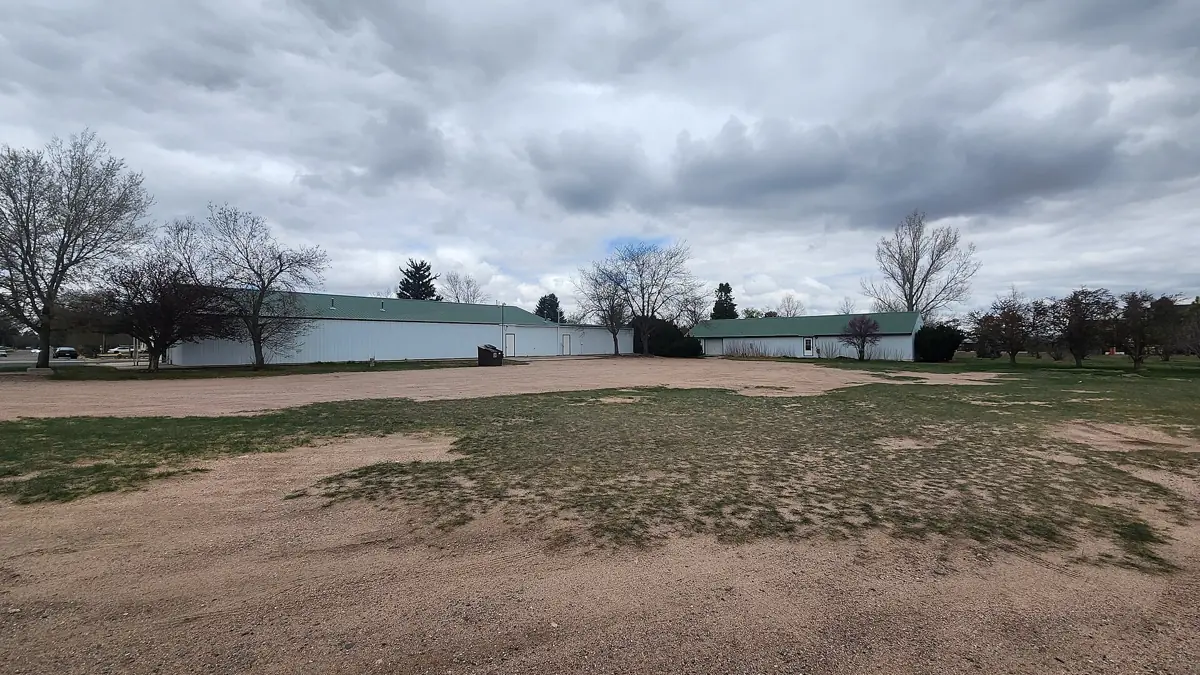
Gove County spreads across 1,072 square miles of western Kansas, and once a year its far-flung farmsteads, ranch families, and small-town cooks all aim for the same patch of fairground. The Gove County Fair is less a spectacle than a long communal table: pie slices, smoked meat, sweet corn, homemade ice cream, and the particular pride of a county where the nearest full-size grocery run is a serious drive. Plan your visit around eating and this fair rewards you.
Because the county is home to roughly 2,718 people, the fair feels personal. The person handing you a plate of brisket may be the same person who judged your cousin’s preserves an hour earlier. That overlap is the appeal. The food here is not carnival filler — it is an agricultural county showing off what it grows, raises, bakes, and cans.
The Gove County Fair, Decoded in One Table
| Festival | Gove County Fair |
| Town / place | The Gove County area, northwest Kansas |
| County seat | Gove City |
| County population | 2,718 (2020 census) |
| Region | High plains of western Kansas |
| Typical timing | A summer weekend, most often in July or August |
| Admission | Typically free to enter the grounds; food and activities priced individually |
| Setting | Open fairground with grass and gravel lots, big skies, and long sunset light |
| Features | Livestock and 4-H exhibits, home-arts displays, food stands, grandstand entertainment |
| Organizer | Local fair board and community volunteers |
What the Gove County Fair Actually Is
At its core, this is a county fair in the oldest sense: an agricultural showcase wrapped around a social weekend. Gove City, the county seat, serves as the anchor point for a county founded on March 11, 1868, and named for Granville Gove. Exhibitors bring animals, produce, baked goods, and handwork. Neighbors who haven’t spoken since the last harvest catch up over a shared table. Kids run between the pens and the concession trailers until the light goes orange.
For a food-focused visitor, the fair works on two levels. There is the vendor row — the fryers, the smoked meats, the lemonade shaken by hand — and then there is the quieter layer of competition entries: pies, breads, jams, pickles, and cakes judged in categories that have been refined over generations. Walk through the exhibit hall before you eat. You will understand the food better once you have seen who made it.
How a Prairie County Built a Fair Culture
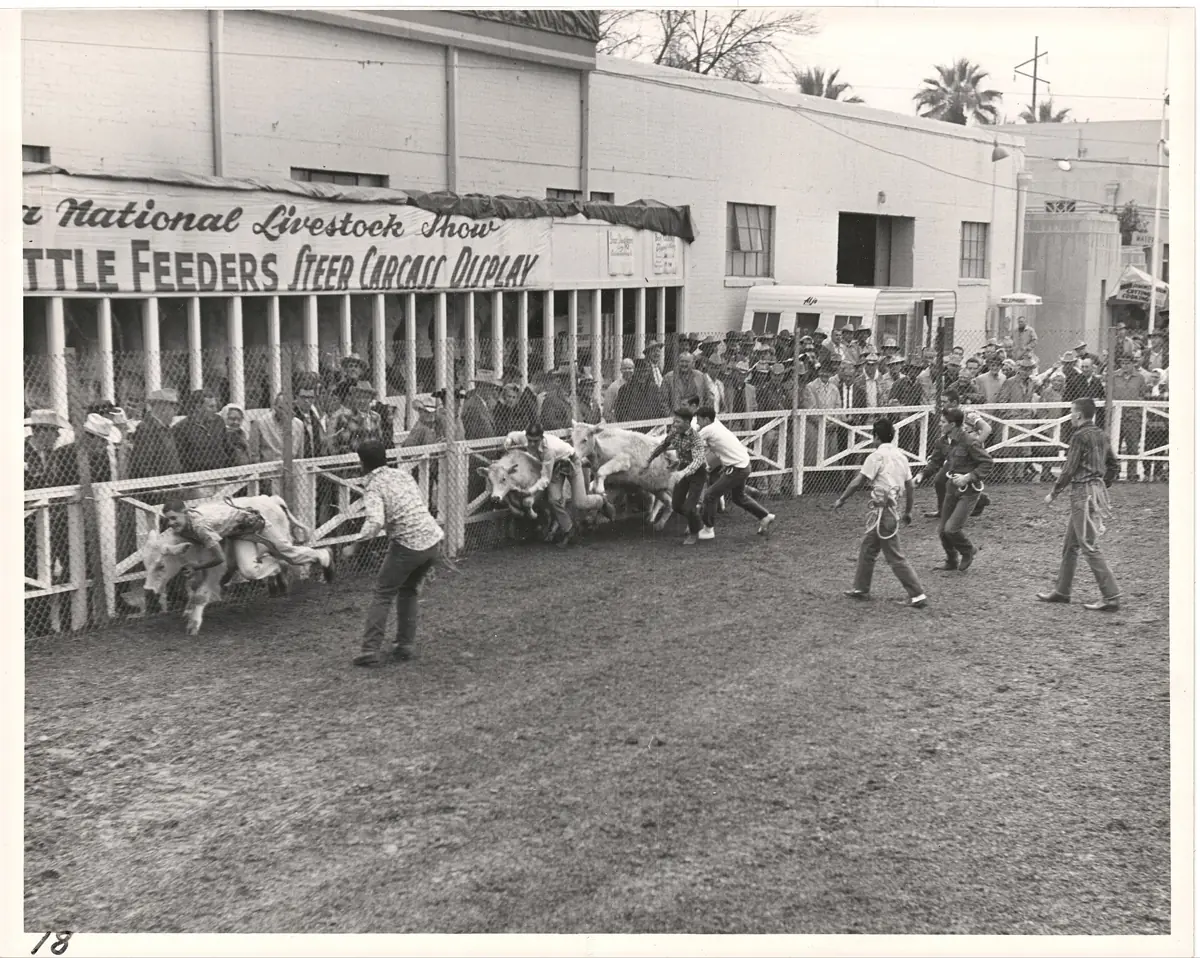
Gove County’s identity was set by distance. With 1,072 square miles of land and a population that stood at 2,718 in the 2020 census, it has always been a place where people travel to gather. A county fair made practical sense in that landscape: one weekend, one location, everything and everyone in the same place at the same time.
For another look at how a community turns its own traditions into a gathering, see the Geary County Kansas Free Fair Festival for a useful comparison.
The county’s early decades were shaped by the rhythms that still drive the fair calendar — planting, calving, harvest, and the narrow window of relative quiet in between. Livestock shows and home-arts competitions grew out of that practical world. A prize-winning hen or a ribboned jar of tomatoes was not decoration; it was evidence of skill in a place where skill kept families fed.
Over time the fair added the layers that make a modern county gathering: grandstand events, carnival rides, concession stands, and youth programs that carry the tradition forward. What has not changed is the structure of the weekend. Judging happens early, eating happens constantly, and the whole county drifts home after dark with dust on its shoes and leftovers in a cooler.
Flavors, Sounds and Small-Town Rituals in Gove County
A fair this size runs on a simple rhythm: eat, watch, wander, eat again. Here is how the day tends to unfold.
Fair Food Worth the Drive Across Gove County
The food at the Gove County Fair splits neatly into two categories. The first is concession food — smoked brisket and pulled pork, sausage on a stick, burgers, curly fries, funnel cakes, cinnamon rolls the size of a saucer, and lemonade shaken in a barrel. Portions are generous and prices are modest, the way they tend to be at rural Kansas fairs where the crowd is neighbors rather than tourists.
The second category is the one that makes this fair worth planning around: the exhibit hall. Baked goods, preserved produce, jams, salsas, quick breads, and decorated cakes line the tables, and many entries are sliced and shared once judging ends. Ask around — locals know which booth is raising money for a church group and which stand has been run by the same family for years. That is where the best plate is usually found.
Entertainment Under the Western Kansas Sky
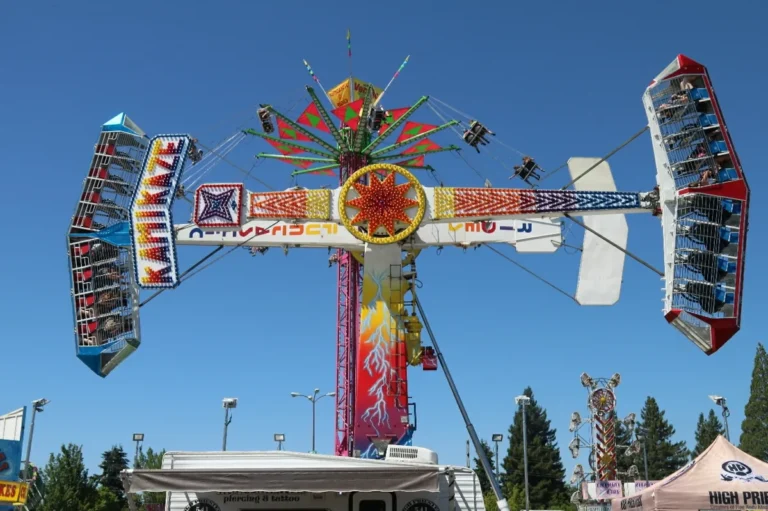
Evening is when the fairground gets loud. Grandstand entertainment typically anchors the night, with the kind of events rural counties do well — motor sports, rodeo-style competition, and live music that gets people out of their lawn chairs. Between sets, the midway hums, the announcer reads results over a crackling PA, and kids circle the grounds in loose, happy packs.
Bring a jacket for after sunset even in midsummer. On the high plains the temperature drops fast once the sun is down, and the wind rarely stops entirely.
Family Activities for Every Age in the Crowd
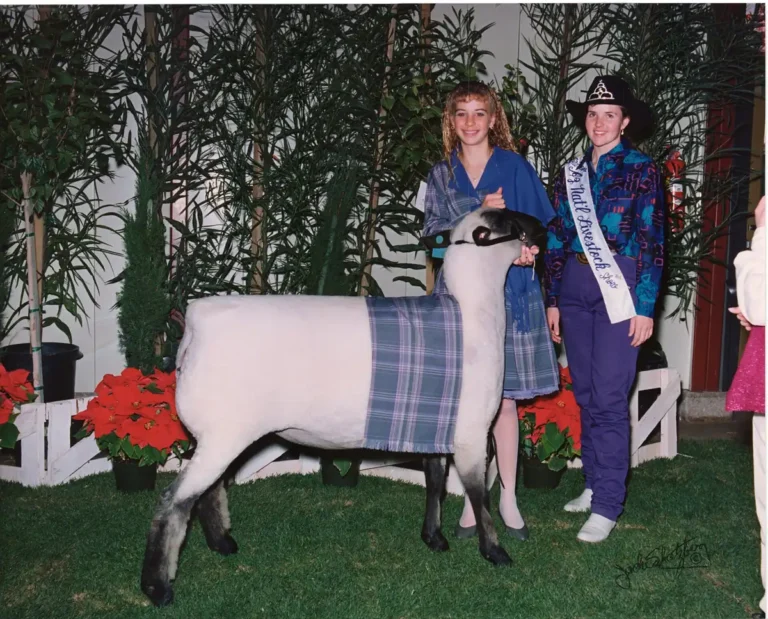
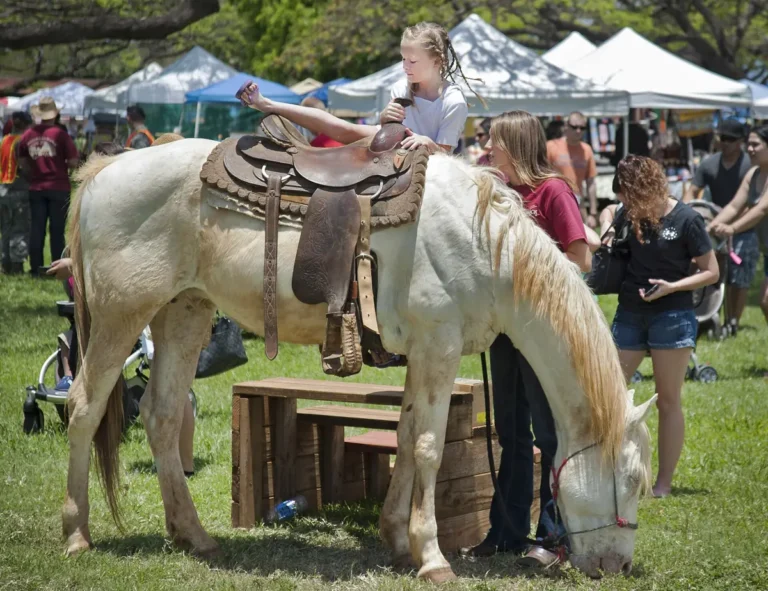
Small children gravitate to the animals, and the livestock barns are usually open for walking through. Older kids sign up for youth competitions, show animals, or ride the carnival rides until their tickets run out. Grandparents claim the shaded benches near the exhibit hall and hold court. Because the grounds are compact, families can split up and regroup without much coordination — a genuine advantage when you are managing a stroller and a teenager at once.
A Sample Weekend Built Around Eating in Gove County
Friday evening: Arrive before sunset, park, and do a full lap of the grounds to see what is where. Eat something fried, then settle at the grandstand for the night’s main event. Finish with a cinnamon roll and a walk past the lit-up barns.
Saturday morning: Come back early for the livestock judging and the youth exhibits. This is the calmest, coolest part of the day and the best time to talk with exhibitors. Grab coffee and a breakfast sandwich from a stand, then spend an hour in the exhibit hall studying the baked goods before the crowds arrive.
Saturday afternoon: Heat peaks, so slow down. Find shade, drink something cold, and let the kids work through the rides. If you are shopping, this is when the vendor booths are least crowded.
Saturday evening: The fair’s second act. Get your smoked meat early — popular stands sell out. Watch the evening entertainment, then stay for the informal post-fair gathering in the parking lot, which is often the best conversation of the weekend.
Practical Planning for a Gove County Fair Trip
Getting to Gove City and the Fairgrounds
Gove County sits in northwest Kansas, and Gove City is the county seat and the natural navigation reference for anyone heading to the fair. Most visitors arrive by car on state and county highways, and the final stretch is farmland driving with long sightlines. Fuel up before you get close — services thin out considerably in this part of the state, and a full tank removes any worry about the drive home after dark.
Where to Stay in and Around Gove County
Lodging in a county this size is limited, so the practical options are small-town motels in the surrounding area, guest rentals, or a campground. Many fairgoers simply drive in for the day or stay with friends and relatives. If you are coming from out of the region, book early — fair weekend is one of the few times of year when local rooms fill up, and the nearest larger lodging clusters require a drive.
Parking Near the Gove County Fairgrounds
Parking at rural county fairs is usually straightforward: grass or gravel lots adjacent to the grounds, often free, with volunteers directing traffic at peak times. Arrive before the evening entertainment if you want a short walk, and note where you parked — lots look identical after dark on the prairie.
Admission, Food Budgets and Other Costs
Grounds admission at fairs like this is typically free, with costs concentrated in food, carnival rides, and grandstand events. That structure makes it easy to visit on a budget: walk the exhibits for nothing, buy one or two standout items, and skip the rest. Bring cash. Small vendors and 4-H fundraisers may not take cards, and cell service can be patchy in the middle of a crowd.
Kansas Weather and What to Wear
Summer in Gove County means heat, wind, and the occasional fast-moving thunderstorm. Pack a hat, sunscreen, and a refillable water bottle. Wear closed-toe shoes — fairgrounds are dusty when dry and muddy when not. Keep a light jacket in the car for the evening temperature drop, and check the forecast before committing to an outdoor evening event.
Beyond the Fair: Quiet Corners of Gove County
Once you have eaten your way through the fair, the county itself rewards a slow drive. This is open country — 1,072 square miles of wheat, pasture, and sky, with the kind of horizons that make photographs look edited. Grain elevators stand like landmarks. Backroads cut straight for miles between fields, and small cemeteries and country churches mark the communities that have come and gone.
Bring a full cooler and an empty camera. A loop out from Gove City and back makes a good half-day, and it pairs well with an early fair dinner on the return.
How the Gove County Fair Compares With Nearby Counties
Compared with county fairs in larger neighboring counties to the north and west, the Gove County Fair runs smaller and more agricultural. You will find fewer commercial vendors and more livestock, more homemade entries, and more people who know each other. The trade-off is a shorter midway and a shorter schedule — but a stronger sense of place.
Compared with town festivals in the region, which often center on a single theme or a single street, this fair is broader: food, animals, competitions, entertainment, and commerce spread across a fairground. And compared with the big state-level events, it is refreshingly unhurried. Nothing here requires a reservation or a wristband, and nobody is rushing you off a ride to clear a queue.
If you are touring fairs across northwest Kansas, treat this one as the authentic baseline — the version of the tradition that the larger events grew out of.
A Fairgoer’s Checklist for Gove County
Cash in small bills; a refillable water bottle and sunscreen; a hat and closed-toe shoes; a light jacket for the evening; a cooler with ice for anything you buy to take home; a printed or downloaded schedule, since signal can be unreliable; chairs or a blanket for grandstand seating; and an appetite reserved for the exhibit hall, not just the concession row.
Also worth doing: introduce yourself to at least one exhibitor. Ask what they entered and why. It is the fastest way to turn a fair visit into an actual conversation, and it usually ends with a recommendation for the best thing on the grounds.
What the Fair Means to Gove County’s 2,718 Residents
In a county with 2,718 people and 1,072 square miles of land, gatherings are not optional — they are infrastructure. The fair is where the year’s work gets acknowledged, where teenagers learn to present an animal and speak to an adult judge, where recipes get compared, and where the next generation of volunteers is recruited by simply being handed a task.
It is also an economic and civic engine in miniature. Food stands raise money for local groups. Vendors and exhibitors spend in town. Families plan summer travel around it. And for a county founded in 1868 and named for Granville Gove, the fair is a yearly reminder that the place is still inhabited, still working, and still worth the drive.
Where the Gove County Fair Sits on the Map
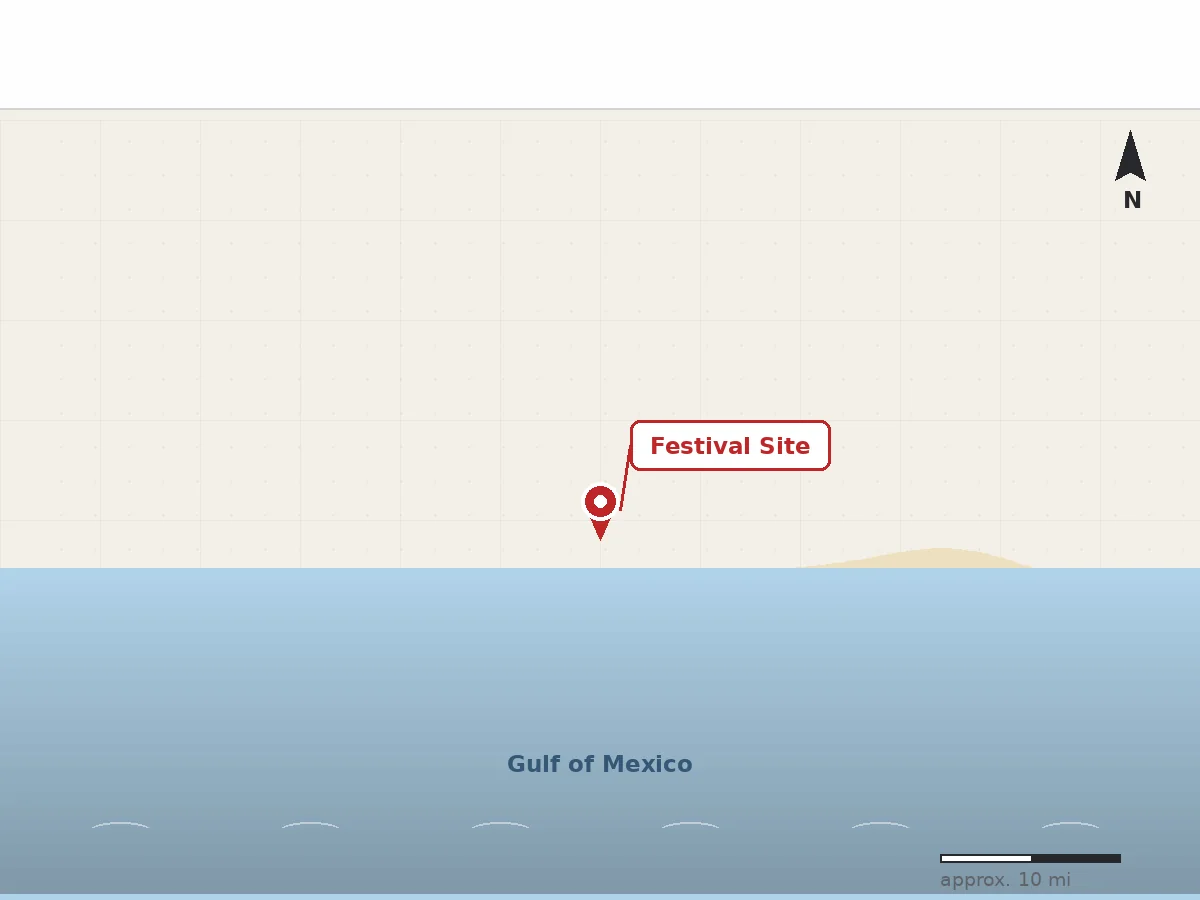
The Gove County Fair takes place in the Gove County area of northwest Kansas, with Gove City — the county seat — serving as the practical reference point for anyone navigating toward the grounds.
Gove County Fair Questions, Answered
Is there an admission fee at the Gove County Fair?
Admission to the fairgrounds is typically free, which is standard for county fairs of this size. You pay as you go for food, carnival rides, and grandstand events, so a visit can cost very little if you focus on the exhibits and one good meal.
When is the Gove County Fair usually held?
It is a summer event, most often falling on a weekend in July or August. Because exact dates shift from year to year, check local listings before you plan travel or lodging around it.
Is the fair a good stop for families and older visitors?
Yes. The grounds are compact and walkable, the atmosphere is calm compared with larger fairs, and there is seating near the exhibit areas. Families appreciate the animals and rides; older visitors tend to appreciate the shade, the food, and the chance to run into people they know.
What should I eat first?
Start in the exhibit hall, where baked goods and preserved foods show what the county actually cooks. Then move to the concession row for smoked meat or a burger, and finish with something sweet — a cinnamon roll, a slice of pie, or a funnel cake eaten standing up while the evening entertainment gets going.
Looking Ahead to Future Gove County Fairs
The fair’s future looks much like its past: a volunteer-driven weekend that depends on local families continuing to enter exhibits, staff food stands, and show up. As rural counties across Kansas work to keep young people engaged, youth programs and 4-H participation remain the most important pipeline for the fair’s survival. Expect the food to stay the centerpiece — it always has been.
Last updated: October 2026
Come hungry, bring cash, and plan to stay past sunset. The Gove County Fair is at its best when the grandstand lights are on, the air smells like smoke and fried dough, and half the county is standing in the same gravel lot talking about the weather, the wheat, and whose pie should have won.

One Comment