Elk County Kansas 4-H Fair Festival
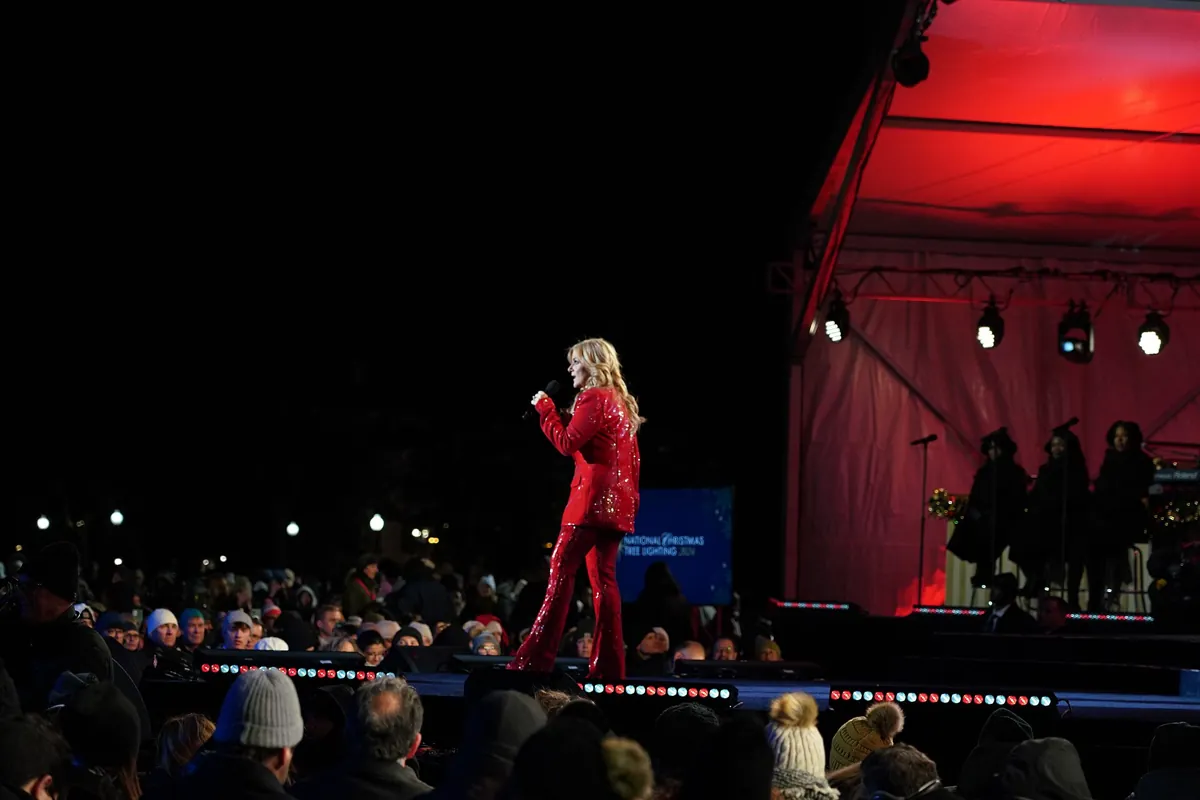
Every summer, Elk County turns its attention to the fairgrounds. Trucks pull livestock trailers in, exhibit halls fill with canned peaches and quilted wall hangings, and families who have shown animals here for three generations stand beside first-timers trying to find the rabbit barn. The Elk County Kansas 4-H Fair is not a big-city event, and that is exactly the point.
This guide is for the visitor who has never been — the grandparent driving in from another county, the traveler crossing southeast Kansas, the family that just moved to Howard and wants to know what happens in July. Here is what the fair is, how it fits into county life, what to eat and see, where to park, what to pack, and how to build a weekend around it.
Elk County 4-H Fair: The Basics in One Table
| Town / place | Elk County area, Kansas |
| County | Elk County, Kansas |
| County seat | Howard |
| Population | 2,483 (2020 census) |
| Land area and founding | 650 square miles; county founded March 25, 1875 |
| Region | Southeast Kansas |
| Typical timing | Summer, in most years during July or August |
| Admission | Typically free; food, rides, and some events cost extra |
| Setting and features | Rural fairgrounds with barns, exhibit halls, an outdoor arena, and midway rides |
| Organizer | Elk County 4-H clubs with community volunteers |
What the Elk County 4-H Fair Actually Is
At its core, this is a county-level youth fair. 4-H members from clubs across Elk County bring projects they have worked on all year: market steers and hogs, dairy cattle, sheep, goats, poultry, rabbits, and companion animals, plus static exhibits in photography, sewing, baking, woodworking, and gardening. Judges evaluate each entry, ribbons get pinned to stall cards, and top exhibits often advance to state-level competition. The livestock auction at the end of the run is the moment many families plan their whole summer around.
Around that competitive core sits everything else that makes a county fair worth an evening: a midway of carnival rides, concession trailers, a grandstand program, and long conversations in the shade of a barn aisle. Activity concentrates in the barns, the exhibit hall, the outdoor arena, and the open ground between them. Events generally run from morning livestock shows through evening entertainment, so you can arrive early for the animals and stay late for the lights.
How the Fair Tradition Took Root in Elk County
Elk County was founded on March 25, 1875, with Howard established as the county seat — a rail-linked town that became the trading hub for a 650-square-mile stretch of prairie, creek bottom, and oak timber in southeast Kansas. In those early decades, farm families gathered to compare crops, swap breeding stock, and show off what their children could do. That impulse is the seed of every county fair on the plains.
For another look at how a community turns its own traditions into a gathering, see the Edwards County Kansas Edwards County Fair Festival for a useful comparison.
The national 4-H movement grew out of early twentieth-century boys’ and girls’ club work, and Kansas farm communities adopted it quickly. Once local clubs formed, the county fair became their natural showcase — the one week when a year of record books, sewing projects, and halter-breaking paid off in public. Over the following generations the fair settled into a familiar shape: a few summer days when the whole county gathers in one place.
Elk County has changed since then. Farms grew larger, some families moved away, and the 2020 census counted 2,483 residents across the entire county. Through all of it, the fair has remained one of the few events that reliably pulls people in from every corner of those 650 square miles.
A Day at the Fairgrounds: What You’ll See and Do
If you have only an afternoon, plan around the barns first. If you have the whole weekend, let the schedule pull you from one end of the grounds to the other. Either way, these are the three things that define a fair day in Elk County.
Livestock Shows, Exhibit Halls, and the Food Lines Between Them
Morning belongs to the species shows. Beef and dairy cattle usually lead, followed by sheep, goats, and swine, with poultry and rabbit judging tucked into the cooler hours. Showmanship classes are the ones to watch if you are new to this — young handlers leading an animal they raised themselves, answering a judge’s questions in front of a crowd. Walk through the barns respectfully and ask before touching an animal; most exhibitors are happy to talk about their projects.
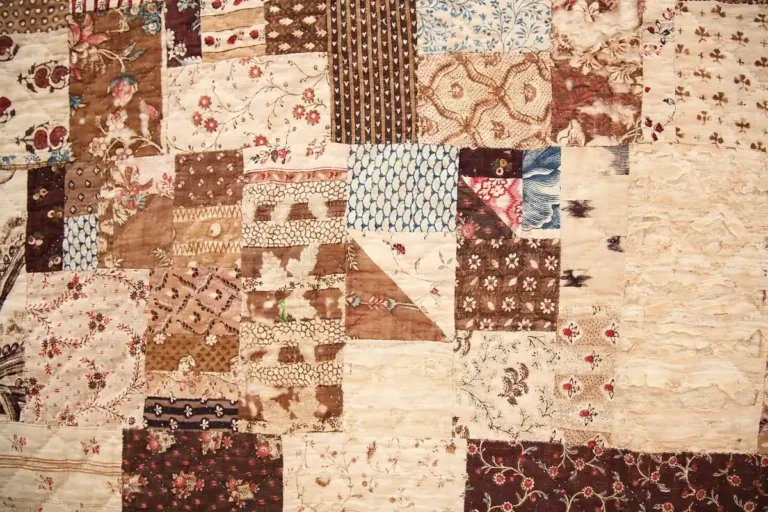
The exhibit hall is the quiet counterpoint. Inside you will find photography, baked goods, preserved foods, garden produce, floral arrangements, quilts, and school-age craft projects, all arranged in rows with colored ribbons attached. It is free to walk through, air-conditioned in most years, and genuinely interesting even if you have no connection to anyone who entered.
Food is the connective tissue. Expect the classics: burgers and hot dogs off a flat-top, pulled pork, funnel cakes, cinnamon rolls, homemade pie by the slice, lemonade shake-ups, and snow cones for the kids. 4-H clubs and local organizations often run their own stands, which means the money tends to stay close to home. Bring cash for small stands; card readers are increasingly common but not guaranteed.
Grandstand Nights and Local Entertainment
Evening is when the fairgrounds fill up. Grandstand programming in small Kansas counties usually rotates through a handful of standbys — a demolition derby, a tractor or truck pull, maybe a rodeo night or a mud run — with a live band or DJ on other evenings. Local talent gets stage time too: church groups, school musicians, and community performers. Because lineups change from year to year, check the fair schedule posted locally rather than assuming a specific event will be on a specific night.
Family Activities: Rides, Games, and Hands-On Exhibits
The midway is modest but real, with the rides younger children gravitate toward and a few that make teenagers scream. Game booths, a petting area, and hands-on exhibits give families something to do between shows. Many fairs also fold in a community meal, a pie auction, or a kids’ pedal tractor pull. Small children do best in the morning and early evening; the middle of a July afternoon on an open fairground is best spent in the shade with a cold drink.
Planning Your Elk County Fair Visit
A little preparation goes a long way at a rural county fair, mostly because services are spread out and cell coverage can be spotty in low spots along the creeks.
Getting to Howard and the Fairgrounds
Howard sits in the heart of Elk County and is the practical anchor for fair week. Most visitors arrive by car on state and county highways that thread through the area; there is no commercial air service nearby, so plan on driving. Fill your tank before you get close — gas stops are limited, and the nearest larger retail centers are a fair drive in any direction. If you are navigating by phone, download an offline map before you leave the highway.
Where to Stay Around Elk County
Lodging in a county of 2,483 people is thin. Expect a small local motel or two, a handful of guest rentals, and campgrounds or RV spots where you can park for the week. Many families simply stay with relatives, which is part of the fair’s rhythm. If you are coming from out of town, book early — fair week is one of the few times the county’s limited rooms fill up. Larger hotel inventories in neighboring counties make a reasonable backup if you do not mind a morning drive.
Parking at the Fairgrounds
Parking at small county fairs is usually free and usually on grass. Arrive before the evening grandstand event if you want a spot close to the gate, and expect to walk a few hundred yards if you come late. Follow the direction of volunteers in vests — they know which fields are firm and which have been rained on. Livestock exhibitors with trailers get priority near the barns, so keep those lanes clear.
What a Fair Visit Costs
Admission to county 4-H fairs is typically free, and that holds true here in most years. Your spending will be food, ride tickets or wristbands, game booths, and any grandstand event that charges separately. A family of four can keep an evening inexpensive by eating before arriving and buying treats instead of full meals. Bring small bills and some change; not every stand takes cards.
Summer Weather in Southeast Kansas
July and August in this part of Kansas mean heat, humidity, and the occasional fast-moving thunderstorm. Daytime highs routinely push into the nineties, and fairgrounds offer limited shade. Drink more water than you think you need, wear a hat, and keep an eye on the western sky in the afternoon. If storms roll in, livestock barns and the exhibit hall become the shelter of choice, and schedules get adjusted accordingly.
A Sample Fair Weekend Itinerary in Elk County
Friday afternoon: Arrive in Howard, park on the grounds, and walk the barns while they are still calm. Check the exhibit hall, grab an early supper from a concession stand, and claim a seat for the evening grandstand program before the crowd settles in.
Saturday morning: Come back early for the livestock shows and the auction atmosphere. This is the best window for photographs, conversations with exhibitors, and cooler temperatures. Buy a cinnamon roll and a coffee and watch the showmanship classes.
Saturday evening: Rides, games, and the midway lights. Let the kids burn off energy while you sample whatever the 4-H clubs are selling, then stay for the headline event at the grandstand.
Sunday: A slower morning, often with a community meal or a final round of exhibits before tear-down. Use the afternoon to drive the county — the countryside between Howard and the surrounding small towns is the real reason people love this corner of Kansas.
How Elk County’s Fair Compares With Nearby County Fairs
Neighboring counties in southeast Kansas — Greenwood to the north, Wilson and Montgomery to the east and southeast, Chautauqua to the south — all hold their own fairs in roughly the same summer window, and each has a slightly different personality. Counties with larger populations can support bigger carnivals, longer grandstand schedules, and more vendor variety.
Elk County’s advantage is scale. You will not fight traffic to get in, the lines are short, and the people running the show are often the same people showing animals. If you are touring the region, a two-fair weekend is entirely doable: one for the midway and one for the barns. Just confirm each county’s dates locally, since schedules shift year to year.
Fair Week Checklist for Elk County Visitors
Pack for heat and dust: sunscreen, a wide-brimmed hat, refillable water bottles, closed-toe shoes for the barns, and a light rain jacket for afternoon storms. Bring cash in small bills, a folding chair or blanket for grandstand seating, bug spray for the evening, and a hand towel or wipes after petting animals.
Before you go, confirm the year’s schedule and event lineup through local sources, charge a portable battery for your phone, and let someone know your route if you are driving in from a distance. Leave dogs at home unless the fair explicitly welcomes them — livestock and heat make for a bad combination.
Beyond the Fair: Elk County Between Events
Elk County rewards slow driving. The landscape rolls between creek bottoms and open prairie, with stone fences, old bridges, and small communities like Howard, Moline, Longton, Grenola, and Elk Falls scattered across its 650 square miles. Howard, as the county seat, holds the courthouse square and the bulk of local commerce.
Pair your fair visit with a drive along the back roads, a stop at a small-town cafe, and a look at the county’s older buildings. Birding, fishing, and deer and turkey hunting draw people here in other seasons, and the quiet is the attraction. For travelers used to crowded destinations, the emptiness itself is the experience.
What the 4-H Fair Means to Elk County’s Small Communities
In a county with 2,483 residents, the fair is not just entertainment — it is infrastructure. It is where the volunteer fire department sells burgers, where the school’s future students practice public speaking, and where neighbors who live twenty miles apart actually see each other. The livestock auction moves real money into farm families’ hands and rewards months of daily work by kids who fed animals before school.
It also preserves skills that are easy to lose. Baking, canning, welding, sewing, animal husbandry, and record-keeping are all taught and judged here in public. Whatever else changes in rural Kansas, that transfer of knowledge from one generation to the next is the fair’s most valuable product.
Where the Fairgrounds Sit in Elk County
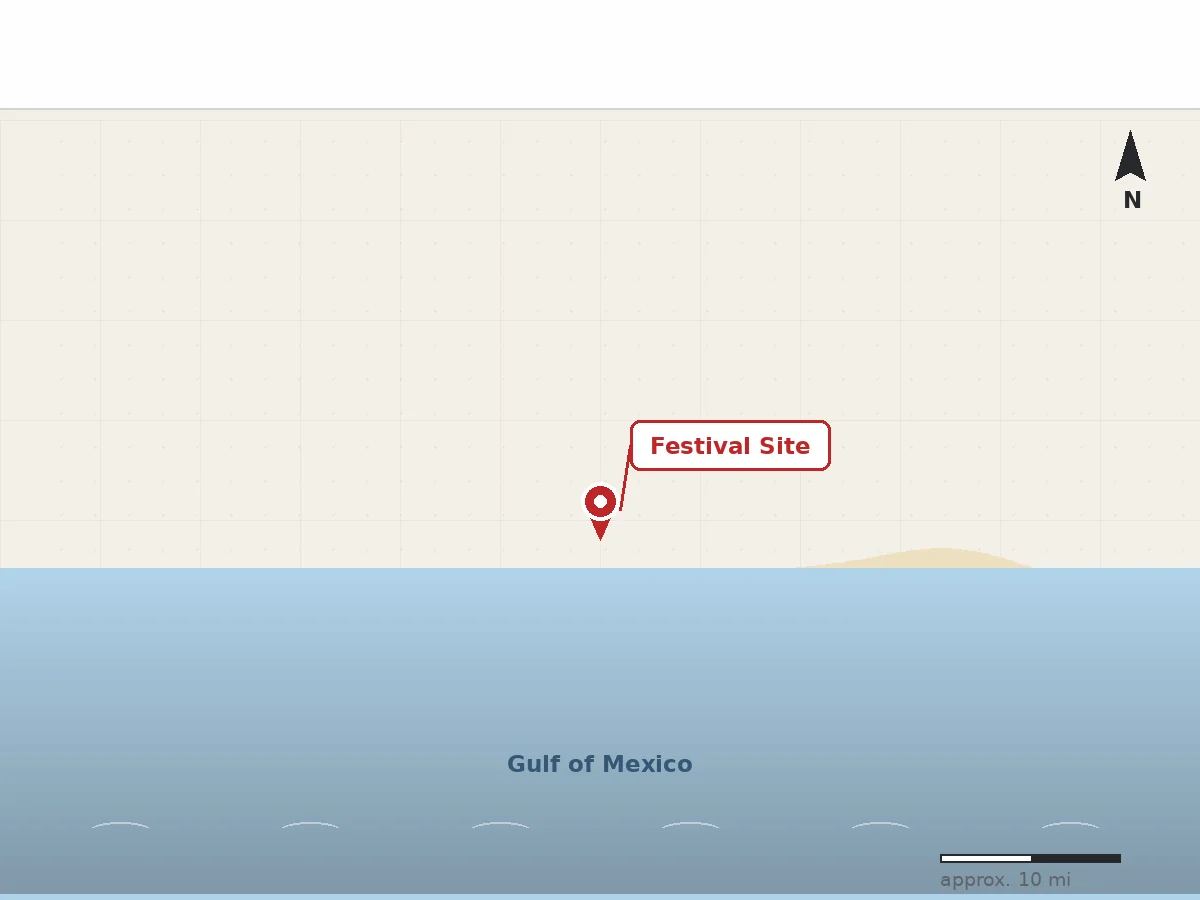
The fair takes place on the local fairgrounds in the Elk County area, with Howard — the county seat — serving as the natural base for visitors arriving from out of town.
Elk County 4-H Fair: Common Visitor Questions
Is there an admission fee to get in?
In most years, gate admission to the fair is free. You pay for what you consume: food, carnival rides and games, and any grandstand event that charges its own ticket. Budget for those rather than for entry, and bring cash for the smaller stands.
Do I have to be a 4-H member or a local to attend?
No. Fairs are open to the public, and visitors from outside the county are welcome. Only exhibitors need to be enrolled members with registered projects. Everyone else can walk the barns, browse the exhibit hall, eat, and watch the shows.
How much time should I plan for a visit?
An evening of two to three hours covers the midway, the exhibit hall, and a grandstand event. If you want to watch livestock judging and the auction, plan a full morning or most of a day. A weekend gives you the complete picture without rushing.
What should I bring with me?
Water, sunscreen, a hat, and closed-toe shoes are the essentials. Add a folding chair for grandstand seating, cash in small bills, bug spray for after dark, and a light rain jacket in case an afternoon storm rolls through.
The Next Seasons of the Elk County 4-H Fair
The fair’s future looks a lot like its past: a summer gathering built on volunteers, club families, and local businesses that sponsor ribbons, trophies, and auction premiums. The pressures are familiar ones for rural Kansas — an aging population, fewer farm kids, and the constant pull of larger cities — and the response is familiar too. Counties that keep their fairs alive do it by widening the welcome: adding open classes, inviting non-4-H youth, and turning fair week into a genuine community festival rather than a closed club event.
For visitors, that means the door is open. Come for an evening, buy something from a concession stand, compliment a kid on a well-groomed heifer, and you have done your part. The Elk County 4-H Fair will keep happening as long as people keep showing up for it.
Last updated: October 2026
If you are planning a trip through southeast Kansas, build your schedule around fair week in Elk County. It is a small fair in a small county, and that is precisely why it is worth the drive — short lines, real conversations, homemade pie, and a grandstand full of neighbors under a wide Kansas sky.
One Comment