Cloud County Kansas Cloud County Fair Festival
Cloud County covers 718 square miles of north-central Kansas, and for one stretch of midsummer most of that ground seems to tilt toward Concordia. The Cloud County Fair is the week when the county seat fills with livestock trailers, carnival lights, folding chairs, and people who have been showing the same breed of cattle since they were old enough to hold a halter.
If you have never been, a county fair can feel like a private party with an open door. Everyone else seems to know which barn to walk into first and which gate to park near. This is a first-timer’s orientation to the Cloud County Fair: what it is, how fair week tends to run, where to sleep, what to eat, and how to move through it without spending the evening hunting for your car.
Cloud County Fair Basics Before You Point the Car at Concordia
| Town / area | The Cloud County area, centered on Concordia |
| County | Cloud County, Kansas |
| County seat | Concordia |
| Population | 9,032 (2020 census) |
| Region | North-central Kansas |
| Typical timing | Midsummer, usually a run of days in July |
| Admission | Grounds admission is generally free; individual activities may charge |
| Setting | Rural fairgrounds in a 718-square-mile agricultural county |
| Signature features | Livestock shows, youth exhibits, carnival rides, grandstand events |
| Organizer | Local fair volunteers and community organizations |
What the Cloud County Fair Is, in Plain Terms
The Cloud County Fair is a traditional Kansas county fair — a multi-day gathering built around agriculture, youth exhibition, and community competition rather than a fenced-in touring concert. It exists for the county’s roughly 9,032 residents and for the neighbors who drive in from surrounding counties, and it works the way county fairs have always worked: you enter something, you watch somebody else enter something, and you eat standing up.
Concordia, the county seat, is where the fair’s center of gravity sits. Cloud County spreads across 718 square miles, but the seat is where the schools, equipment dealers, grocery stores, and county offices are, and fair week adds one more reason for the whole county to converge on one place.
Scale matters for a first-timer. This is not a state fair. You can walk the grounds in an afternoon, recognize the same families in the same barns two nights running, and still find something you missed on the first pass.
For another look at how a community turns its own traditions into a gathering, see the Clay County Kansas Free Fair Festival for a useful comparison.
Cloud County Since March 27, 1867, and Where the Fair Fits
Cloud County was founded on March 27, 1867, and named for William Cloud. Concordia became the county seat, and the county’s 718 square miles filled with farms, small towns, and the railroads that carried grain and cattle out and supplies in.
County fairs in Kansas grew out of that same settlement pattern. Agricultural societies, granges, and farm families needed a fixed date to compare crops, cattle, and canned goods, and the fair became the annual scoreboard. The Cloud County Fair is the local version of that habit — an institution shaped by generations of exhibitors rather than by any single founding moment.
For a first-timer, that history is visible in small details: the categories in the open-class exhibit hall, the ribbons tacked to barn walls, the way longtime exhibitors know exactly which gate the judges use and which bench has shade at four in the afternoon.
On the Grounds: What a Fair Day in Concordia Feels Like
The fair runs on a daily rhythm. Mornings are quiet and agricultural — weigh-ins, barn chores, judging under a tent. Afternoons bring families, exhibit halls, and carnival rides. Evenings are the loudest part, when the grandstand fills and the food stands hit their longest lines.
Fair Food, Church Stands, and the Line Worth Standing In
Expect the standard circuit: corn dogs, funnel cakes, curly fries, cotton candy, snow cones, and a lemonade stand doing more business than anyone else on the grounds. Church groups and local nonprofits typically run some of the booths, which is why the pie and the bierocks can beat anything a carnival trailer sells. Portions are large, seating is limited, and the picnic tables near the exhibit hall fill fast around suppertime. Cash still moves quicker than cards at the smaller stands.
Grandstand Nights and Music Carried Across the Grounds
Evenings carry the fair. Grandstand entertainment is the anchor — some years a demolition derby or a tractor pull, some years a concert — and the lineup changes from one fair to the next, so check the current schedule before you plan your night. Away from the grandstand, sound travels: a local band on a small stage, the carnival’s calliope, the announcer reading results from the show ring. Wander toward whatever you hear.
Bringing Kids Who Have Never Set Foot in a Livestock Barn
Children do well here because the fair is small enough to finish. A livestock barn is often the highlight for kids who have never stood next to a 1,200-pound steer — most exhibitors will answer questions and many will let a careful child pet an animal if you ask first. Add carnival rides, youth exhibits, and whatever petting area appears that year, and you have a full afternoon. Bring a stroller that rolls over gravel, and set a meeting point early, because cell service gets crowded when the grounds fill.
Planning a Cloud County Fair Trip From Out of Town
Getting to Concordia and the Cloud County Area
Most visitors arrive by car. There is no major commercial airport in the county, so plan on driving in from a larger regional city. Regional highways are two-lane and straight, with grain trucks and farm equipment sharing the road during harvest. Fill the tank before you get close — small-town stations keep limited hours, and fair traffic can make the last few miles slower than the map suggests.
Where to Stay for Fair Week
Lodging in a county of 9,032 people is finite. Concordia has the largest concentration of motels and guest rentals, and fair week is one of the few times they fill. Book weeks early, not days. If the county is full, look at the surrounding region and accept a 30-to-45-minute drive. Campers sometimes base themselves at regional campgrounds, but confirm availability before hauling a trailer.
Parking Without Circling the Block
Fairground parking is usually a grassy lot or marked field with volunteers directing traffic at peak hours. Arrive before the evening grandstand event if you want to park close; arrive after and you will walk. Follow the signs rather than the car in front of you — locals sometimes use entrances visitors do not know about, and following them can land you at a gate that is not open to the public.
Admission, Wristbands, and What Actually Costs Money
Grounds admission at county fairs in this part of Kansas is typically free, with costs concentrated in the carnival, the grandstand, and food. A first-timer can spend an evening at the fair for the price of a corn dog and a lemonade, or considerably more with kids and a ride wristband. Bring small bills, and expect some stands to be cash-only.
Midsummer Heat and How to Dress for It
Midsummer in north-central Kansas means heat, humidity, and the chance of a sudden thunderstorm. Daytime temperatures often push into the nineties, and shade on the grounds is limited. Wear a hat, drink more water than you think you need, and keep an eye on the western sky — storms build fast on the plains, and fairs generally have a severe-weather plan that moves people into buildings or vehicles.
A Sample Fair Weekend for a First-Timer
Friday afternoon: arrive in Concordia, check in, and drive past the fairgrounds to learn the entrances before the evening rush. Walk the barns while they are calm, watch a class or two being judged, and eat supper before the grandstand crowd arrives.
Friday evening: claim a seat for the grandstand event, then wander the midway while the crowd thins. That is the best hour for rides — shorter lines, cooler air.
Saturday morning: return early for the livestock shows. Bring coffee; the barns are busiest before nine, and that is when exhibitors are most willing to talk.
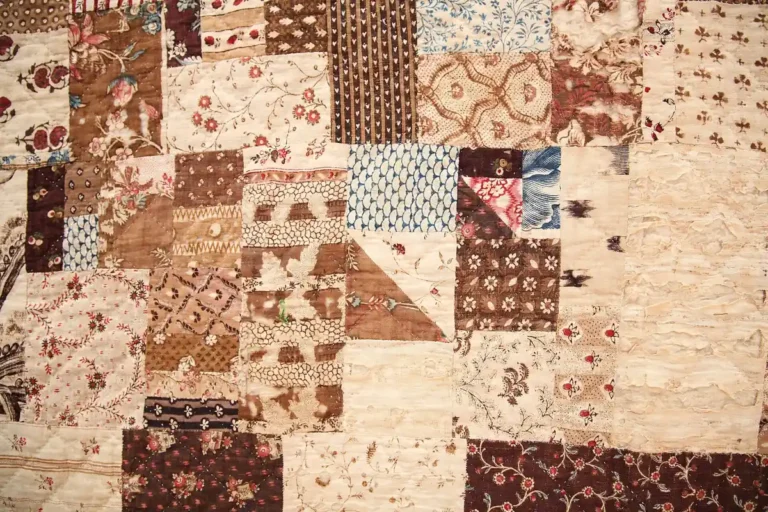
Saturday midday: spend an hour in the exhibit hall. Look at the open-class entries — photography, baking, vegetables, quilts — because that is where the county’s actual personality is on display.
Saturday evening: eat something you would not normally eat, catch the last of the grandstand, and stay for the lights on the midway. Leave before the final rush if you want an easy exit.
Cloud County Versus Belleville, Beloit, and Clay Center
Cloud County’s fair is one of several within an hour’s drive, and first-timers sometimes wonder which to choose. Belleville, the seat of Republic County to the west, runs its own county fair with a similar agricultural core and a smaller midway. Beloit, in Mitchell County to the southwest, follows a comparable format with a different mix of grandstand nights. Clay Center, the seat of Clay County to the southeast, sits closer to the Kansas City corridor and draws a somewhat broader crowd.
The difference is scale and texture rather than format. Concordia’s fair feels like the center of a genuinely rural county — 718 square miles of farmland and 9,032 people — so the livestock barns carry more weight than the carnival. If you want the biggest midway, drive farther. If you want the fair where exhibitors outnumber tourists, stay in Cloud County.
The First-Timer’s Fair Week Checklist for Concordia
| Cash in small bills | Smaller stands and some games still run on cash |
| Sunscreen and a hat | Shade on the grounds is limited at midday |
| Closed-toe shoes | Gravel, straw, and livestock areas |
| Refillable water bottle | Midsummer heat in north-central Kansas |
| A group meeting point | Cell service gets crowded at peak hours |
| Light rain jacket | Plains storms build quickly in the afternoon |
| Charged phone or camera | Barns and exhibit halls make the best photos |
| Patience at the gates | Peak arrival times mean slow parking |
Beyond the Fairgrounds: Concordia and the Rest of Cloud County
Concordia is worth more than a quick pass. The county seat holds most of Cloud County’s businesses and services, and downtown is walkable — a useful break from the fairgrounds if you need air conditioning, a real cup of coffee, or a sit-down meal. Beyond town, the county is farmland in every direction, with small communities strung along the highways and grain elevators marking the horizon. A slow drive on a county road is its own kind of sightseeing: this is what the fair is celebrating.
Why a County of 9,032 Still Builds a Fair Every Year
For a county of 9,032 people, a fair is not a tourism product. It is the annual meeting of a community that otherwise spreads itself across 718 square miles. The people judging the pies are the people who sit on the school board. The teenager showing a heifer is the kid who bags your groceries in October. Fair week is where the county’s institutions, families, and friendly rivalries all show up in the same place at the same time — and where a ribbon still means something.
Where the Cloud County Fairgrounds Sit
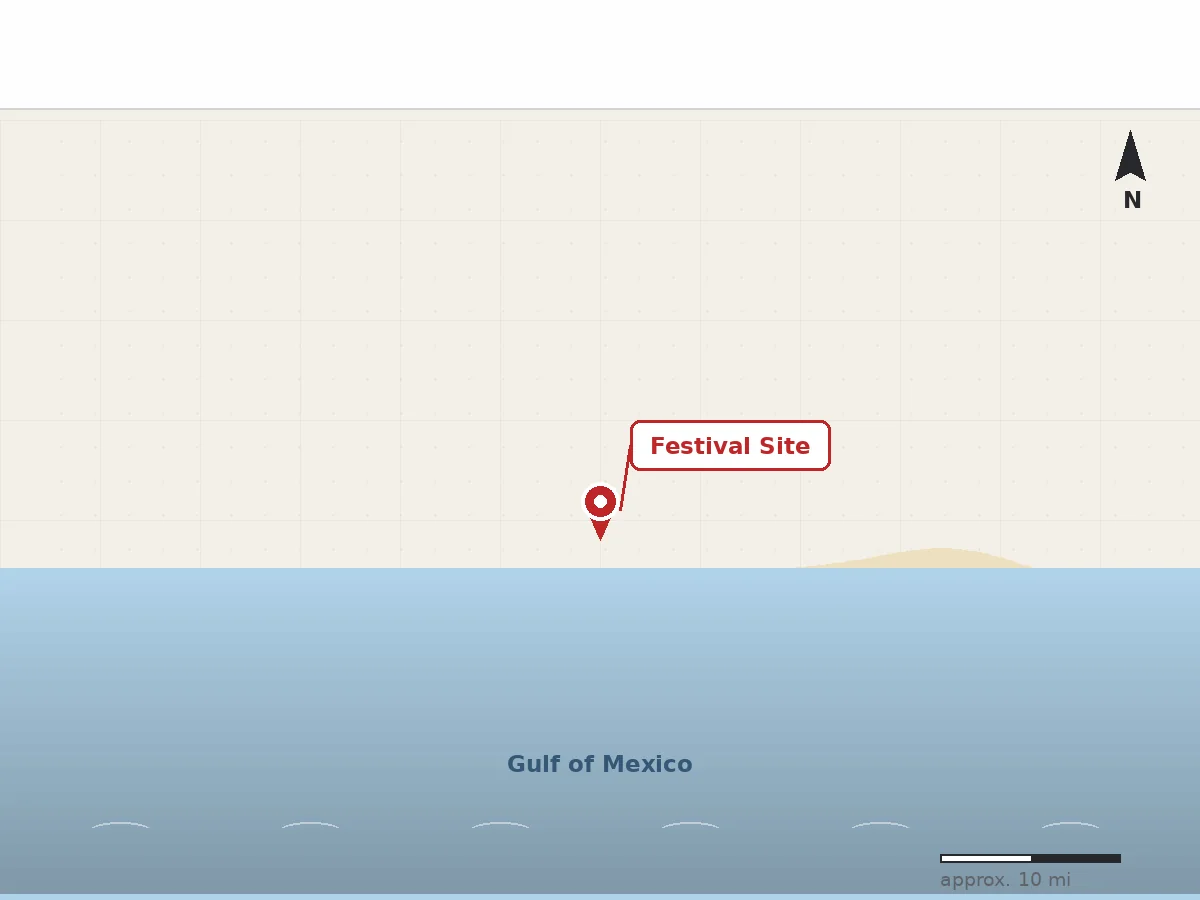
The fair takes place in the Cloud County area around Concordia, the county seat, in north-central Kansas.
Cloud County Fair Answers for First-Timers
Do I need to buy admission tickets in advance?
At most Kansas county fairs, grounds admission is free and only specific attractions — carnival rides, grandstand events, some dinners — are ticketed. Advance sales, when they exist, are usually handled locally rather than through a national ticketing site. Check the current year’s schedule before you drive out, and bring cash as a backup.
Is the fair a good fit for young children and older visitors?
Generally yes. The grounds are compact, walking distances are short, and there are places to sit near the exhibit hall and barns. Young children tend to like the animals and the rides; older visitors often prefer the exhibit hall, the food stands, and the grandstand. The main challenge for both is heat and gravel, so plan around the middle of the day.
Can I bring my own food, cooler, or dog?
Rules vary by year and by event, and fairs in this region often restrict coolers and pets on the midway for safety and insurance reasons. Service animals are a different matter and are normally accommodated. Assume outside food and pets are not allowed inside the gate unless you have confirmed otherwise, and leave the dog at home.
What should I do if I only have one evening?
Go straight to the barns first, while they are still active, then walk the exhibit hall, then eat. Save the midway and the grandstand for last, when the lights are on and the crowd has settled. One well-paced evening covers most of what makes the Cloud County Fair worth the drive.
What Future Cloud County Fairs Will Probably Look Like
County fairs everywhere are wrestling with the same problem: an aging volunteer base, rising insurance and carnival costs, and a generation of families with less direct connection to farming. Cloud County’s fair faces those pressures with a smaller population than it had in earlier decades. What it has going for it is the thing that has always carried rural fairs — a county where people still enter things, still show up for each other, and still measure the summer by fair week. Expect the format to stay recognizable: livestock, exhibits, a midway, and a grandstand. Expect the details to keep shifting.
Last updated: October 2026
If you are new to Cloud County, treat the fair as your introduction rather than your finale. Walk slowly, ask questions in the barns, buy something from a stand run by people who live here, and stay until the midway lights come on. You will leave knowing more neighbors than you arrived with — which is, more or less, the point.
One Comment