Boone County Kentucky Boone County Fair Festival
Boone County, Kentucky has been farm country since 1798, and nowhere does that heritage taste more immediate than at the Boone County Fair. The fair is a food event as much as an agricultural one: smoke drifting off grill trailers, sugar from funnel cake stands, the sharp citrus of a lemon shake-up passed hand to hand across a crowded midway. For a county of 135,968 people spread across 256 square miles, the fairgrounds become the one place where nearly everyone eats at the same long table.
This guide is written for the eater. It covers what the Boone County Fair is, how it fits into the county’s long history, what to expect from the food stalls and the stages, and how to plan a visit that puts the food first without skipping the livestock barns, the rides, or the evening music. Whether you live in Burlington or you are driving in from elsewhere in Northern Kentucky, a little planning pays off.
Boone County Fair Basics, Set Out in One Table
Here is the short version before the long one.
| Town / area | Boone County area, near Burlington |
| County | Boone County, Kentucky |
| County seat | Burlington |
| Population | 135,968 (2020 census) |
| Founded / land area | 1798 / 256 square miles |
| Region | Northern Kentucky, south of the Ohio River |
| Typical timing | Summer, often July into early August |
| Admission | Generally free at the gate; food, rides and games cost extra |
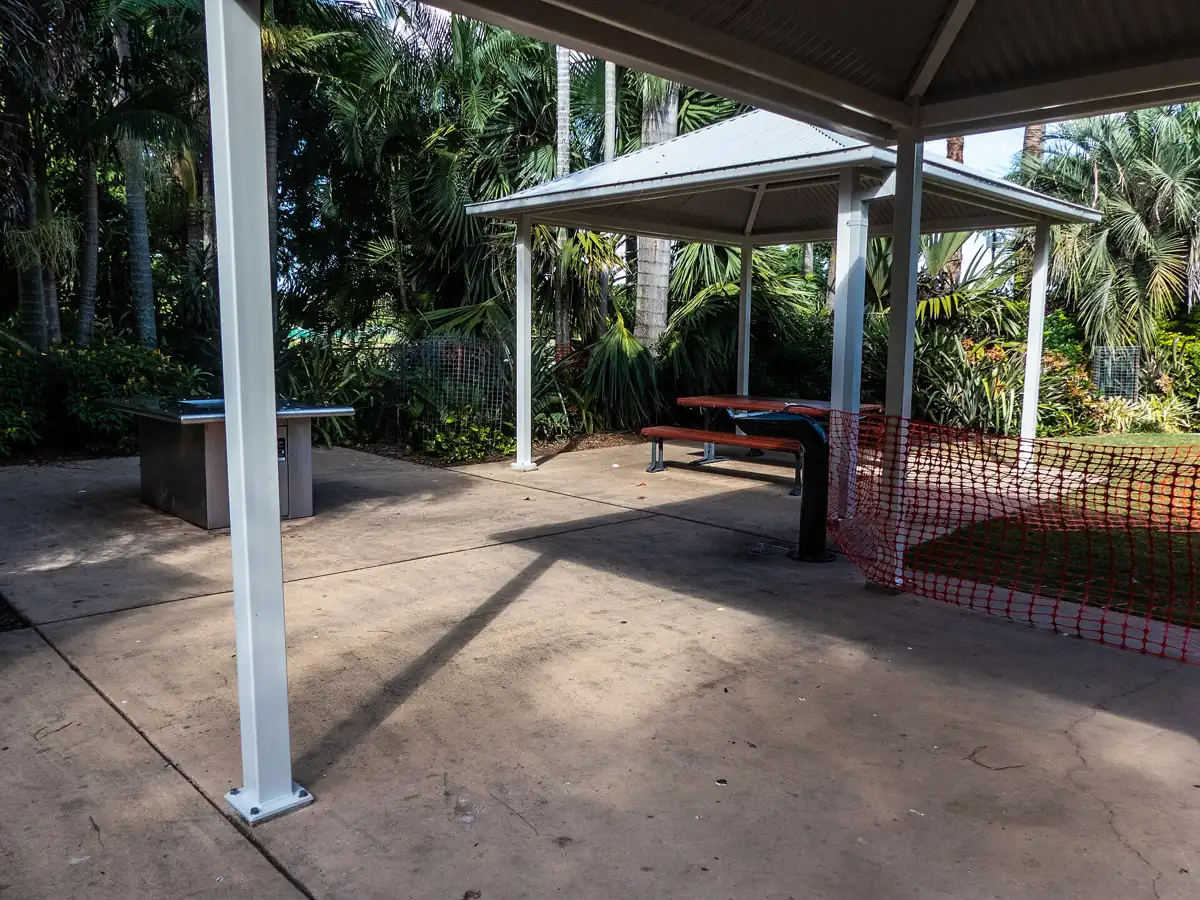
| Setting and features | Outdoor fairgrounds with a midway, livestock barns, exhibit halls and open-air stages |
| Organizer | A local fair board supported by community volunteers |
What the Boone County Fair Is, and Why Food Leads
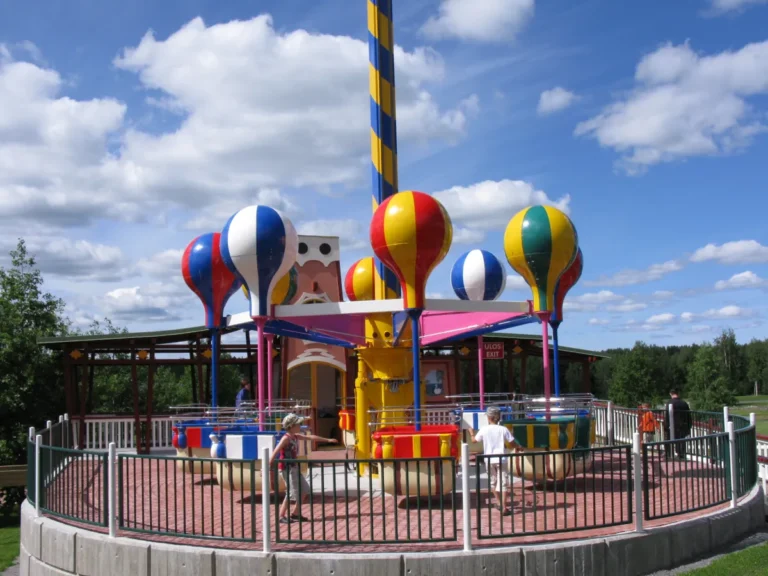
The Boone County Fair is a county fair in the classic Kentucky sense: livestock shows, carnival rides, exhibit halls, live music, and a midway that smells like fried dough from a hundred yards away. It happens in the Boone County area, the county whose seat is Burlington and whose 256 square miles run from the Ohio River’s southern bank down into rolling cattle and horse country.
What separates it from a generic summer carnival is the food. Fair food here is a mix of carnival classics and local cooking: church groups, civic clubs, and family vendors who have worked the same stretch of gravel for years. You will find funnel cakes and corn dogs, but also slow-smoked pork, hearty stews, hand-breaded tenderloins, and produce-driven dishes tied to the county’s farming roots.
For another look at how a community turns its own traditions into a gathering, see the Bell County Kentucky Bell County Fair Festival for a useful comparison.
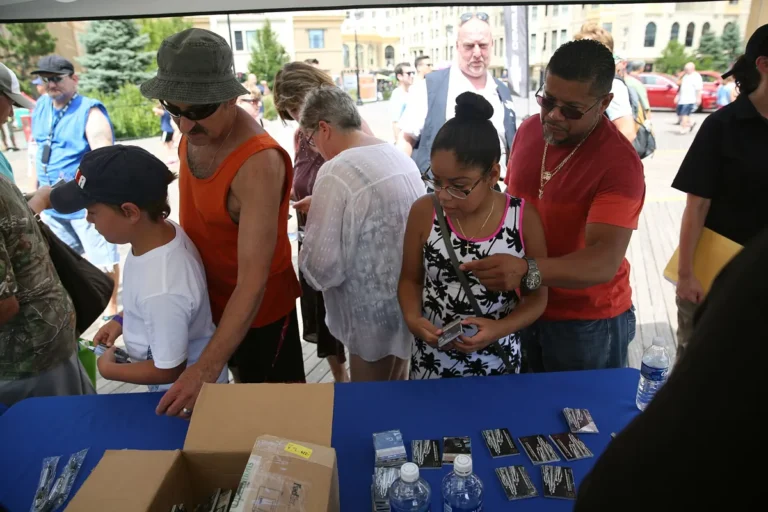
Because Boone County has grown to 135,968 residents, the fair serves two audiences at once: the farm families who have worked this land for generations and the newer suburban households filling the county’s subdivisions. Food is the common ground between them, and the midway is where the two groups actually meet.
A Fair That Grew Up With a County Founded in 1798
Boone County was founded in 1798, when this part of Northern Kentucky was still farmland, river landings, and small crossroads communities. County fairs across the region grew from the same impulse: farmers needed a place to compare livestock, show crops, and trade. The Boone County Fair descends from that tradition, and its shape still shows it — the animal barns and exhibit halls carry the oldest logic of the event, even if the food row now draws the largest crowds.
Through the twentieth century the fair added what nearly every American county fair added: a carnival midway, grandstand entertainment, and a dedicated food row. Burlington, the county seat, stayed the anchor. As the county’s population climbed in the late twentieth and early twenty-first centuries, the food diversified to match — tacos, gyros, and global street food now sit comfortably beside ham biscuits and apple butter.
The through-line is continuity. A county founded in 1798 has watched its economy shift from tobacco and livestock toward suburban growth, yet the fair still opens with the same rituals: barns first, then rides, then the smell of grease and sugar settling over the grounds by evening.
Eating, Listening and Lingering on the Boone County Fairgrounds
The fair rewards people who walk it slowly. Here is what each part of the grounds usually offers.
The Food Row Is the Main Event
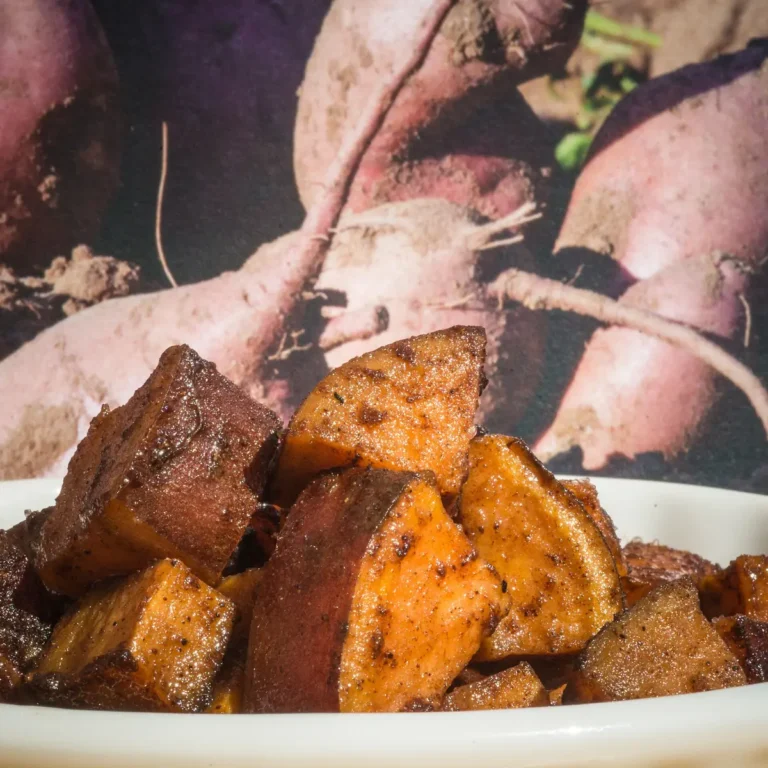
Plan your day around the food row. Expect the carnival canon — funnel cakes, elephant ears, kettle corn, corn dogs, ribbon fries, smoked turkey legs, burgers, nachos, soft-serve and hand-dipped ice cream, and lemon shake-ups shaken to order. Expect, too, the booths that make a county fair feel local: church and civic stands selling chili, soups, pies, cakes, and jars of preserves, often staffed by the same families year after year.
Two habits make fair eating better. First, walk the entire row before you buy anything; portions are enormous and the best stand is rarely the first one. Second, eat early. Mid-afternoon lines are short, the fryers are fresh, and you can actually sit down. From early evening onward the midway is shoulder to shoulder and every queue doubles.
Stages, Tracks and Evening Entertainment
Live music generally runs in the evenings, with local and regional acts — country, bluegrass, and rock cover bands — playing on open-air stages. Grandstand programming varies by year and may include tractor pulls, a demolition derby, motocross, or harness racing. Much of the entertainment comes with gate admission, though some grandstand events are ticketed separately, so check the schedule posted at the grounds.
Family Activities Beyond the Fried Food
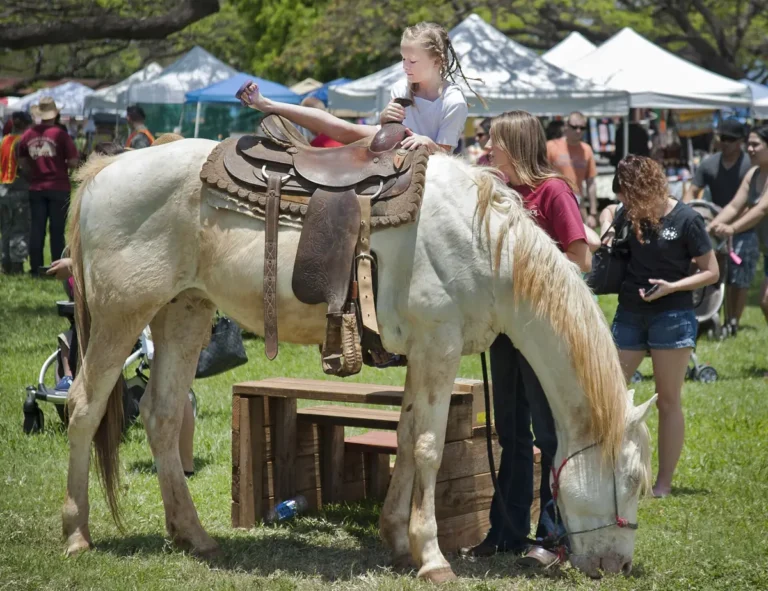
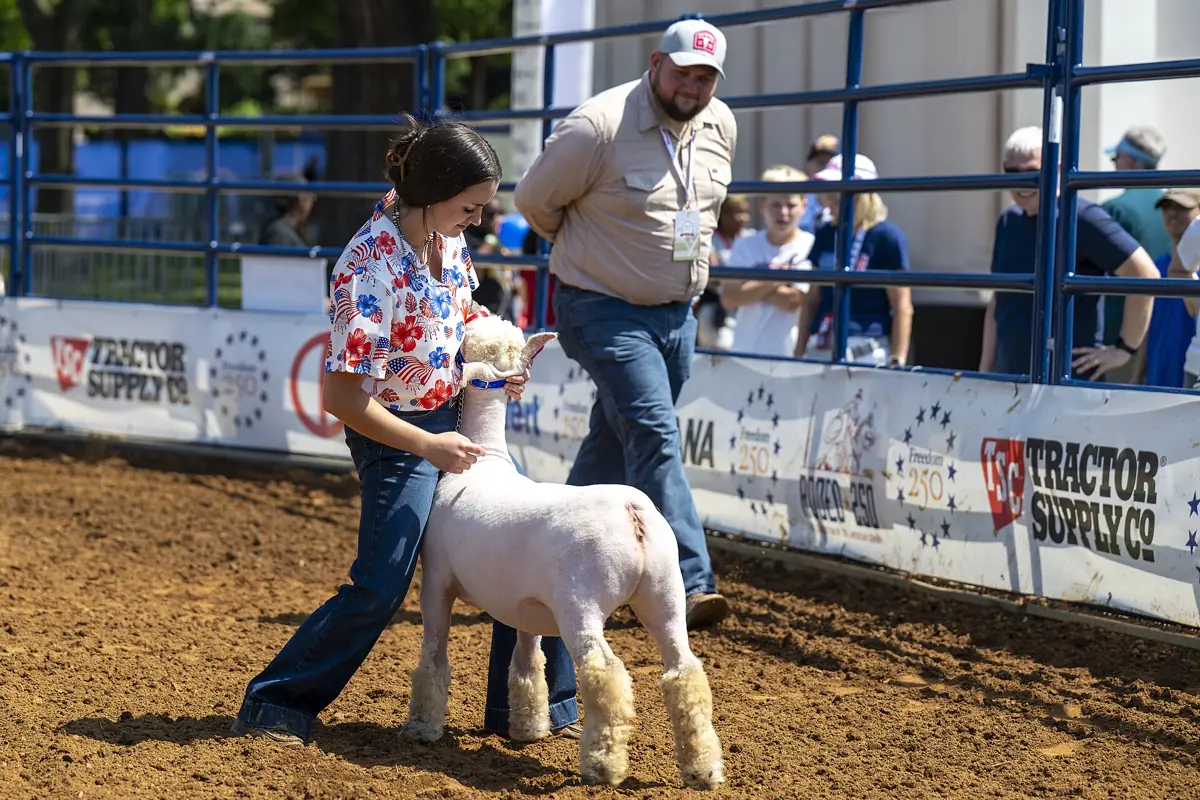
The agricultural side of the fair is the part children remember. Livestock barns hold cattle, hogs, sheep, goats, and poultry, with 4-H and FFA members on hand to answer questions. Exhibit halls display baking, canning, photography, quilting, and vegetable entries. Add a petting area, carnival rides sized for small children, midway games, and tractor displays, and a family can fill a full day without spending everything on food.
A Food-First Weekend at the Boone County Fair
Day one — Arrive in the early afternoon, before the crowd. Walk the food row once without buying, then commit to two savory items and one drink. Spend the late afternoon in the livestock barns and exhibit halls while they are quiet, and stay for the evening music with a dessert in hand.
Day two — Come back for the food you skipped. This is the day for the church pie stand, the smoked meat, and anything you saw but did not have room for. Ride the carnival in the late afternoon, then catch a grandstand event or a second band in the evening.
Day three — Keep it short and sweet. A late-morning pass through the exhibit halls, a final lemon shake-up, and a last look at the animals before the grounds empty out. Three visits is plenty; two is realistic for most families, and one long evening is enough to understand why the fair matters here.
Planning a Boone County Fair Visit Around the Food
Getting to the Fairgrounds from Burlington and Beyond
The fair sits in the Boone County area, with Burlington — the county seat — as the nearest anchor. Most visitors arrive by car, and the county’s position in Northern Kentucky means easy access from the region’s interstate corridors and from Cincinnati across the Ohio River. If you are staying in Florence, Union, or Hebron, the drive is short; build in extra time on weekend evenings when roads near the grounds slow to a crawl.
Where to Sleep in the Boone County Area
Boone County has a deep supply of hotels and motels, concentrated around the Florence and airport corridor, which makes the fair easy to pair with a weekend in the region. Campgrounds and vacation rentals exist in the surrounding counties. Book early if your visit lines up with other summer events in Northern Kentucky, since the area fills quickly on weekends.
Parking on Fair Week
Expect field and lot parking around the fairgrounds, with attendants directing traffic and a modest charge in many years. Arrive before the dinner rush for the closest spots, and note where you parked — rows of cars in a grass field all look alike after dark. Carpooling with neighbors is the simplest way to avoid the exit crush.
What Admission Covers and What It Does Not
General gate admission is typically free, which is one reason the fair draws such a broad crowd. Your money goes to food, rides, games, and any separately ticketed grandstand shows. That structure is good news for eaters: you can come for a single smoked pork sandwich and a slice of pie, wander the barns, and leave without spending a fortune.
Northern Kentucky Weather and How to Dress
Fair season here means summer heat and humidity, with afternoon thunderstorms always a possibility. Wear light clothing, bring a refillable water bottle, and keep a poncho or small umbrella in the car. Evenings cool off enough for a light layer. Comfortable shoes matter more than anything else — the grounds are large and you will walk them more than once.
Boone County Fair vs. Other Northern Kentucky Festival Weekends
Neighboring Kenton County and Campbell County both hold their own county fairs, and each has its own character. Kenton County’s fair leans heavily on its carnival and grandstand schedule; Campbell County’s is smaller and more community-scaled. Boone County’s advantage for eaters is breadth — a long food row that mixes carnival staples with genuinely local church and civic cooking.
The Kentucky State Fair in Louisville is a far larger event with a broader food landscape, but it is a day trip rather than a neighborhood evening. For a Northern Kentucky family that wants fair food without a long drive, the Boone County Fair is the practical choice, and the food row is the reason to choose it over a plain summer carnival.
Your Boone County Fair Food Checklist
Before you go: check the posted schedule for the days the fair is open; confirm gate and grandstand pricing; charge your phone; bring cash for smaller stands; pack sunscreen, water, and a light rain layer; wear closed-toe shoes; and set a meeting point if your group splits up.
On the grounds: walk the full food row before buying; try one local booth and one carnival classic; split portions so you can taste more; visit the livestock barns and exhibit halls; catch at least one live set; and leave room for dessert on the way out.
Beyond the Fairgrounds: Eating Around Boone County
The fair is not the county’s only food story. Burlington, Florence, Union, and Hebron all have their own restaurants and roadside stops, from diners and barbecue pits to bakeries and taquerias serving the region’s growing population. Northern Kentucky’s food scene has expanded alongside the county’s 135,968 residents, and the corridor around Florence is where most of that growth shows.
Pair a fair visit with a morning in one of the county’s parks or a drive along the Ohio River, and you have a full weekend rather than a single evening. Many families make the fair the centerpiece and fill the rest of the day with the county’s quieter pleasures.
What the Boone County Fair Does for a Fast-Growing County
A fair is one of the few remaining places where a county of 256 square miles actually behaves like a single community. Boone County has grown quickly, and its residents are spread across farms, subdivisions, and apartment complexes. For one stretch each summer, they share a midway, a grandstand, and a food row.
The fair also does practical work. It gives 4-H and FFA members a stage for the year’s effort, hands local churches and civic groups their biggest fundraiser, and keeps agricultural knowledge moving between generations. The food is the draw, but it is also the mechanism — a pie sold at a booth funds a youth program, and a barbecue stand keeps a volunteer fire department running.
Where the Boone County Fair Sits in the County
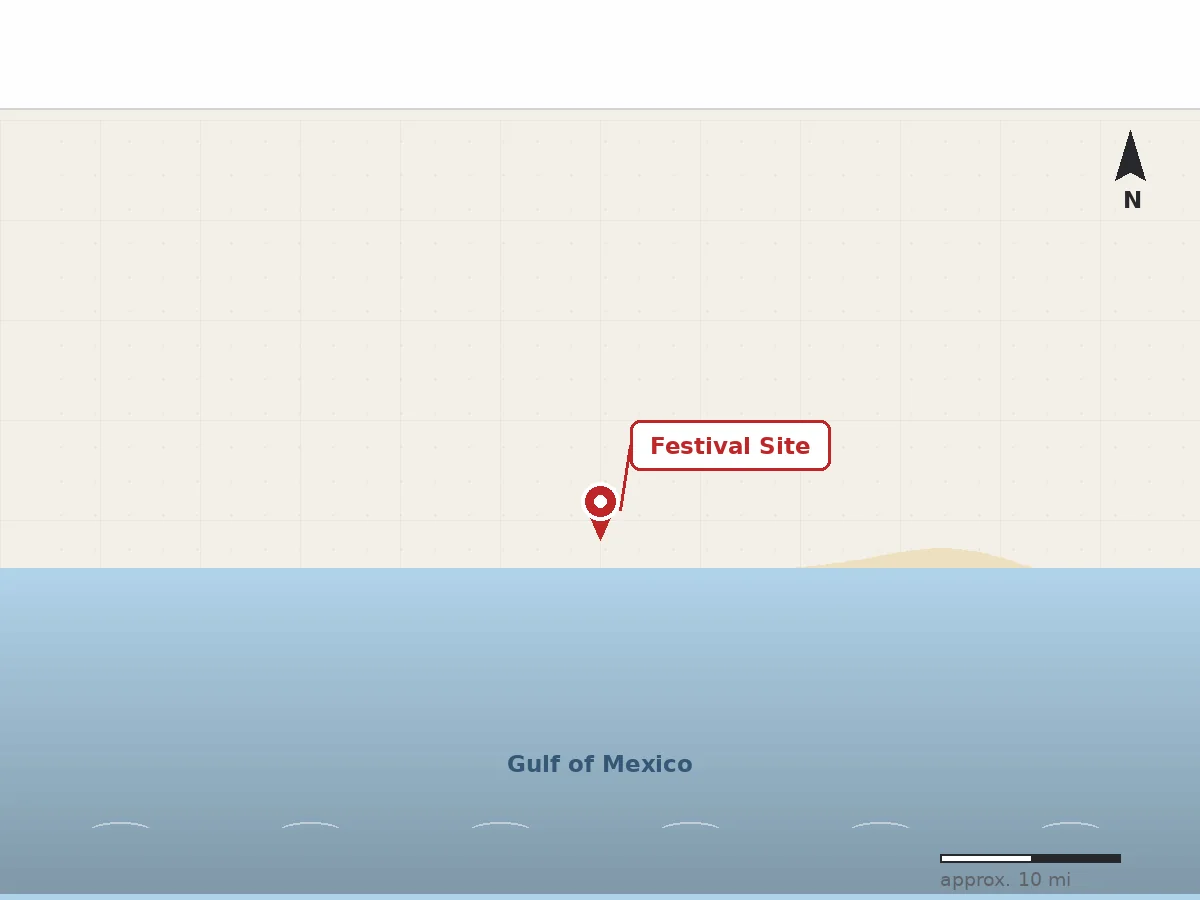
The Boone County Fair takes place in the Boone County area of Northern Kentucky, with Burlington — the county seat — as the nearest anchor town and the usual reference point for drivers heading to the grounds.
Boone County Fair Questions, Answered
Is the Boone County Fair free to enter?
General gate admission is typically free, so you can walk in, tour the barns, and enjoy most of the grounds without paying at the entrance. Food, carnival rides, games, and some grandstand events cost extra. Bring a mix of cash and card, since smaller booths sometimes prefer one over the other.
What food should I not miss?
Start with whatever the local church and civic booths are selling — pies, cakes, chili, and soups are usually the most distinctive things on the grounds. From the commercial stands, smoked meat, hand-breaded tenderloins, kettle corn, and a lemon shake-up are the reliable classics. Split items so you can try more than one.
When is the best time to eat at the fair?
Mid-afternoon is the sweet spot: short lines, fresh fryers, and open seating. Evenings bring the best atmosphere and the live music, but the food row gets crowded quickly. If you want both, eat early and stay late for the entertainment.
How much time should I budget for a visit?
A single evening covers the food row and a walk through the barns. Give the fair a full afternoon and evening if you want rides, exhibits, and a grandstand event as well. Families with young children often split the visit across two shorter trips rather than one long day.
The Next Chapter for the Boone County Fair
Boone County keeps growing, and the fair keeps adjusting. Expect continued pressure on parking and space, more variety in the food row as the county’s population diversifies, and a steady effort to keep the agricultural core — the barns, the exhibits, the youth programs — at the center of the event rather than at its edges.
For visitors, that means the fair of the next few summers will likely look familiar and taste a little different each year. The midway will still smell like fried dough, the barns will still be quiet in the morning, and the food row will still be the place where a fast-growing county eats together.
Last updated: October 2026
If you go for one reason, go for the food — but stay long enough to walk the barns and hear a band. The Boone County Fair is where a county founded in 1798 still gathers, and the smell of the midway is the invitation.