Anderson County Kansas Anderson County Fair Festival
If you have never been to a Kansas county fair, the Anderson County Fair is a comfortable place to start. It belongs to the Anderson County area of east-central Kansas, the kind of rural county where a summer fair still works as a reunion, a livestock show, a bake sale, and a Friday night out all at once. This is an orientation for the first-timer: what the fair is, how it fits into a county founded on August 25, 1855, what to expect from the food and entertainment, and how to plan a visit without guessing.
Anderson County is home to 7,836 people as of the 2020 census, spread across 584 square miles, with Garnett as the county seat. That scale matters. Nothing here is so large that you will feel lost in a crowd, and nothing is so small that the fair feels like an afterthought. Bring a folding chair, cash for the booths, and a willingness to talk to strangers.
Your First Look at the Anderson County Fair
Before you plan anything, here are the details a first-timer needs most.
| Area | Anderson County area, Kansas |
| County | Anderson County, Kansas |
| County seat | Garnett |
| Population | 7,836 (2020 census) |
| Region | East-central Kansas |
| Typical timing | A summer weekend, usually in July or early August |
| Admission | Generally free at the gate; some activities charge separately |
| Setting | Rural, open-air fairgrounds with barns and exhibit space |
| Features | Typically livestock shows, exhibits, a midway, fair food, and evening entertainment |
| Organizer | Local volunteers and community organizations |
What the Anderson County Fair Is, in Plain Terms
The Anderson County Fair is the county’s annual summer gathering — a few days when the barns, exhibit halls, and midway fill up and the surrounding towns empty into one place. It belongs to a tradition that runs through nearly every Kansas county: an agricultural fair built around competition and display rather than spectacle alone.
For a first-timer, the important thing to understand is that a county fair here is participatory. Locals enter things. A neighbor’s kid shows a goat; someone’s grandmother wins a ribbon for a pie; a farm family displays produce. Visitors are welcome to watch, eat, and wander, but the fair makes more sense once you realize that most of what you see was raised, baked, or built by people who live within a short drive.
For another look at how a community turns its own traditions into a gathering, see the Allen County Kentucky Allen County Fair Festival for a useful comparison.
Expect a mix of old and new: traditional livestock judging and static exhibits alongside carnival rides and evening programming. Gate admission is typically free, though individual activities may charge their own fees.
Fair Tradition in a County Founded in 1855
Anderson County was founded on August 25, 1855, and named for Joseph C. Anderson, placing it among the earlier counties organized in the Kansas Territory. Garnett became the county seat, and the county grew around farming across 584 square miles of rolling east-central Kansas prairie.
County fairs in Kansas took shape alongside that settlement. They began as agricultural exhibitions where farmers compared crops and breeders compared stock, and they doubled as social occasions in a place where neighbors might live miles apart. Over time the format widened: youth organizations added projects, community groups added baking and domestic arts competitions, and evenings filled with entertainment.
The Anderson County Fair carries that lineage. It is not a theme park or a music festival with a farming theme. It is a county fair in the older sense, where the show ring and the exhibit hall are the center of gravity and everything else arranges itself around them. That continuity, more than any single attraction, is what regulars come back for.
A First-Timer’s Walk Through the Anderson County Fair
Fair Food and the Booths That Fund Local Groups
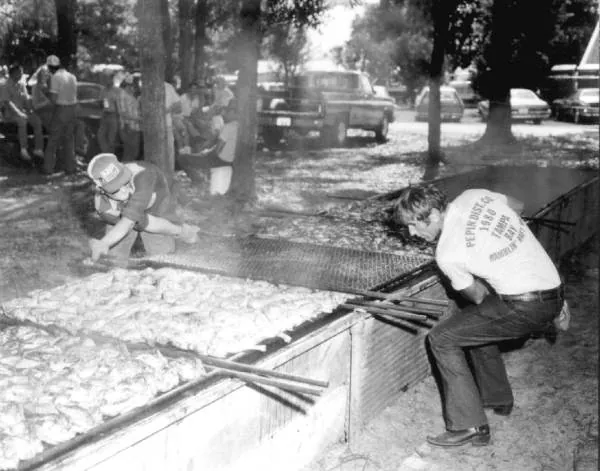
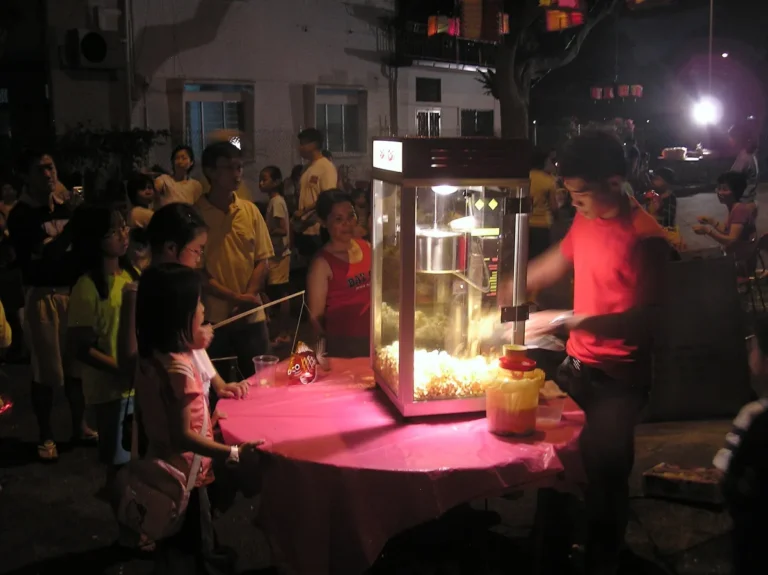
Fair food here follows the classic Kansas template: grilled burgers and sausage, funnel cakes, cotton candy, snow cones, kettle corn, and pie by the slice. Much of it is sold by local civic groups, churches, and clubs, which means your lunch money often goes back into the community rather than to an outside vendor. Bring cash in small bills — some booths may not take cards, and small bills move lines faster. If a local organization is selling something homemade, that is usually the best eating on the grounds.
Music, Grandstand Entertainment, and Evening Programming
Evenings are when the fair shifts gears. Expect some combination of live local music, a grandstand event, and carnival rides lit up after dark. Programming changes from year to year, so check the published schedule rather than assuming a particular act. The rhythm stays consistent: families with young children arrive early, the crowd thickens around supper, and the grounds stay busy until the lights go down.
Livestock Shows, Exhibits, and Things for Kids
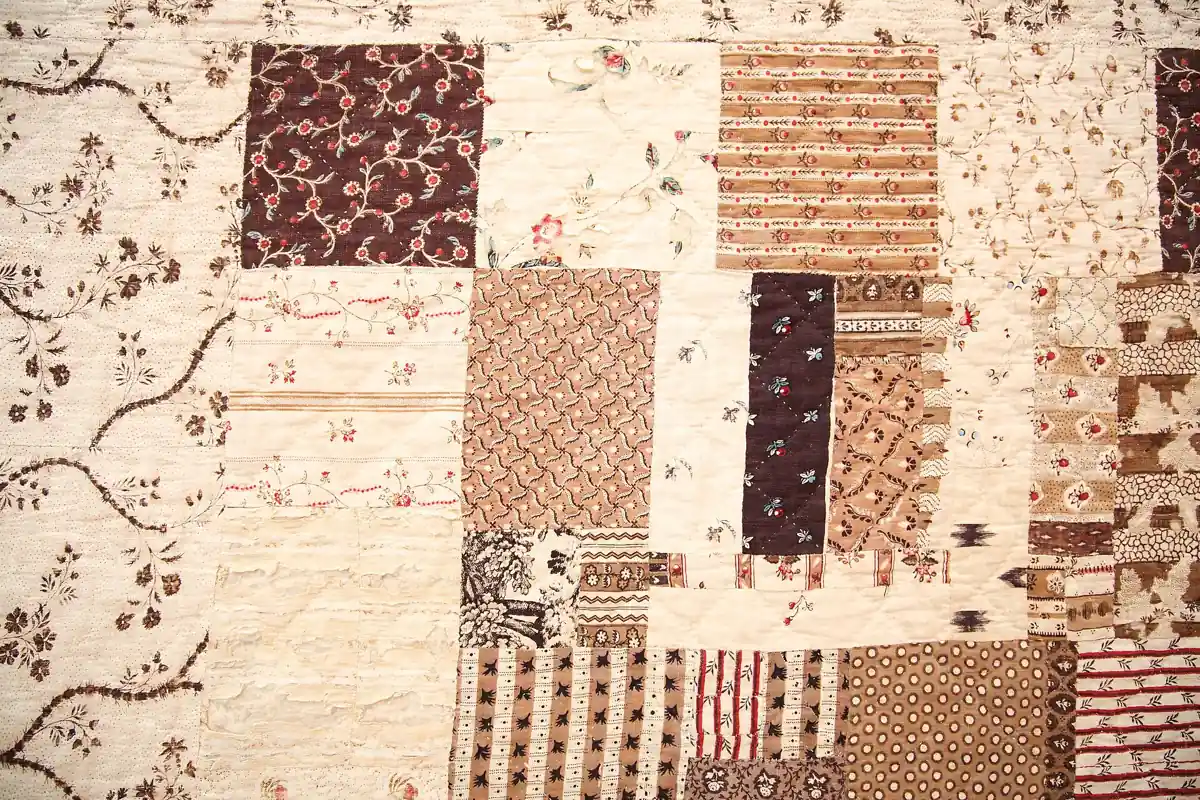
Family activity at a county fair is mostly hands-on and mostly free. The barns are open to walk through, and exhibitors are usually happy to answer questions about an animal. Exhibit halls hold judged entries — baking, canning, photography, quilting, vegetables, flowers, and youth projects. Small children gravitate to the rides and games, while older kids often end up in the barns. One tip: visit the barns before the rides, not after.
Planning an Anderson County Fair Weekend
Getting to the Anderson County Area
Garnett, the county seat, sits in east-central Kansas within a reasonable drive of the Kansas City area, Emporia, Ottawa, and Iola. Most visitors come by car, and the approach through farmland is part of the experience. Fuel up before you arrive, since rural stations thin out after dark, and plan the drive in daylight if you are coming from out of state.
Where to Stay Near Garnett
Lodging in a county of 7,836 people is limited. Expect small-town motels, guest rentals, and campgrounds rather than a large hotel cluster, with more options in bigger cities an hour or so away. Many fairgoers stay with family or treat the fair as a day trip. If you want an overnight during fair week, reserve early — waiting is the most common first-timer mistake.
Parking at the Fairgrounds
Parking at county fairs is usually free and usually on grass. Arrive early on the busiest evenings, follow the volunteers directing traffic, and note a landmark near your car — fairgrounds look different after dark. If the ground is wet, wear shoes you do not mind muddying.
What Admission and a Day at the Fair Cost
Gate admission to the Anderson County Fair is typically free, which is a large part of why it works as a low-cost family outing. Costs come in smaller pieces: carnival rides and games, food, raffle tickets, and occasionally a grandstand event. Set a rough cash budget per person, keep small bills handy, and nothing at the end of the night will surprise you.
Kansas Summer Weather and What to Bring
Fair weather in Kansas in July or August means heat, humidity, and a real chance of an afternoon thunderstorm. Bring water, sunscreen, a hat, and a light rain jacket. Evenings cool off enough that a long-sleeved layer is welcome. If storms threaten, fair organizers typically adjust or delay outdoor programming, so watch local announcements.
A Sample Weekend at the Anderson County Fair
Here is a first-timer’s template. Adjust it to whatever the year’s schedule actually says.
Friday afternoon: arrive a couple of hours before supper, park, and walk the exhibit hall while it is cool and uncrowded. The open-class entries tell you what the county grows, bakes, and makes.
Friday evening: eat at the booths, then head to the grandstand or the music area. Finish with a walk through the midway after dark, when the lights are at their best.
Saturday morning: this is the heart of the fair. Livestock shows start early and the barns are at their busiest. Watch a judging class even if you know nothing about cattle or goats; someone nearby will usually explain what the judge is looking for.
Saturday afternoon: revisit the exhibits, buy something from a local group’s stand, and let kids spend their ride tickets before the evening crowd arrives.
Saturday evening: stay for the last night’s entertainment and the general wind-down.
How the Anderson County Fair Compares Nearby
Anderson County’s fair sits in a cluster of similar small-county fairs across eastern Kansas. The Allen County Fair in Iola, the Coffey County Fair in Burlington, and the Franklin County Fair in Ottawa all follow the same broad pattern: livestock, exhibits, a midway, and a grandstand. What separates them is mostly scale and distance. Ottawa, as a larger town, tends to draw bigger crowds and a fuller slate of entertainment, while Iola and Burlington feel closer in size and temperament to Anderson County’s event.
The practical upshot for a first-timer is that you are not choosing between wildly different experiences. Pick the fair closest to where you are staying, or pick Anderson County’s because Garnett and the surrounding countryside make for an easy, unhurried day. If you enjoy it, a neighboring fair the following weekend makes a pleasant comparison.
Your First-Timer’s Checklist for the Anderson County Fair
Bring cash in small bills, a refillable water bottle, sunscreen, and a hat. Wear closed-toe shoes you do not mind getting dusty. Charge your phone before you leave, but expect spotty service in crowded areas. Confirm the current schedule before you drive out, since programming shifts year to year and weather can move things around.
Leave pets at home — livestock and crowds are a bad combination. Bring a light jacket for the evening and a tote bag for anything you buy. If you plan to stay overnight, book lodging well ahead. Finally, be patient with parking and food lines; both move faster than they look.
Beyond the Fairgrounds in Garnett and Anderson County
Garnett and the surrounding countryside reward a slower look. The town serves as the county seat and the commercial center for a wide farming area, with a courthouse square, local shops, and small restaurants that fill up on fair weekend. Driving the county roads in daylight is its own attraction: 584 square miles of fields, pastures, and hedge rows, punctuated by small towns and grain elevators.
If you have an extra half-day, spend it on the roads between Garnett and the county line rather than rushing home. Stop for pie at a small café, look at the older downtown buildings, and let the scale of the place sink in. On fair weekend, a good share of the county’s 7,836 residents pass through the same gates. That is the appeal — you are not visiting a tourist attraction, you are visiting a community at its most social.
The Fair as Anderson County’s Annual Homecoming
The Anderson County Fair matters because it is one of the few annual events that pulls the whole county into one place. In a county founded in 1855 and still organized around agriculture, the fair keeps a public record of what people grow, raise, bake, and build. It also gives young exhibitors a stage; a ribbon won at a county fair is often the first recognition a kid receives for work done with animals or in a workshop.
Beyond competition, the fair is a reunion. Families plan around it, former residents come back, and local businesses sponsor classes and events. For a first-timer, that is the best reason to go — not to be entertained for a few hours, but to see how a rural Kansas county keeps its ties intact.
The Anderson County Fairgrounds on the Map
The Anderson County Fair takes place in the Anderson County area of east-central Kansas, with Garnett, the county seat, as the nearest town and the practical reference point for anyone driving in.
Anderson County Fair Answers for Newcomers
When is the Anderson County Fair held?
The fair is a summer event, typically on a weekend in July or early August. Exact dates shift from year to year, so confirm the current schedule before you plan travel. If you are coming from a distance, aim for a Friday or Saturday, when programming is fullest.
Is there an admission fee?
Gate admission is generally free, which makes the fair an affordable family outing. Individual activities — carnival rides, games, some grandstand events, and food — cost extra. Bring cash in small bills for booths that may not accept cards.
Can I bring children, and is the fair family-friendly?
Yes. County fairs are built for families. Barns, exhibits, and the midway all welcome children, and many activities are designed for younger visitors. Watch kids closely around livestock, and plan a break in the shade during the hottest part of the afternoon.
What should I wear to a Kansas county fair?
Comfortable, washable clothes and closed-toe shoes. Expect heat, dust, and grass underfoot. Bring sunscreen and a hat for the day, plus a light layer for the evening once the sun drops.
What’s Ahead for the Anderson County Fair
County fairs across Kansas have to keep earning their place. They compete with screens, summer travel, and busy work schedules, and they depend on volunteers who are harder to recruit in small communities than they once were. The fairs that thrive tend to be the ones that hold on to tradition while adding something new — a different grandstand act, a refreshed midway, a class for a project that did not exist a generation ago.
For the Anderson County Fair, the fundamentals are strong: a county of 7,836 people that still turns out, an agricultural base worth celebrating, and a volunteer culture that has kept the event running for generations. Expect the format to evolve and the core to stay the same.
Last updated: October 2026
Go once, and you will understand the appeal better than any description can manage. The Anderson County Fair is not trying to impress outsiders; it is a county showing itself to itself, with the gates open. Bring a chair, buy something from a local booth, watch a livestock class you know nothing about, and stay until the lights come on over the midway.