Warren County Indiana Warren County Fair Festival
The Warren County Fair rewards a little preparation and punishes none of it. It belongs to a county of 366.40 square miles in west-central Indiana, founded in 1827 and anchored by the county seat of Williamsport, where farmland, small towns and the Wabash River set the pace. If this is your first year, think of fair week as a countywide reunion with livestock, carnival lights and a grandstand.
This orientation is written for the first-timer. It covers what the fair is, how it fits into the county’s story, what to eat and see, how to get there, where to sleep, what the weather will do, and how to build a weekend around it. Nothing here assumes you already know the grounds, the traditions or the parking lot.
Warren County Fair Basics, Table First
| Town / area | The Warren County area, Indiana |
| County | Warren County, Indiana |
| County seat | Williamsport |
| Population | Small and rural — farmland, villages and a handful of small towns |
| Region | West-central Indiana, Wabash River valley, along the Illinois state line |
| Typical timing | A week in summer, most often in July |
| Admission | Set each year by the fair; confirm gate and ride pricing before you travel |
| Setting | Rural fairgrounds with barns, show rings, an exhibit hall, a midway and a grandstand |
| Features | Livestock shows, 4-H exhibits, carnival rides, grandstand events and fair food |
| Organizer | A local fair board supported by community volunteers |
A Rural County Fair, Explained for the Uninitiated
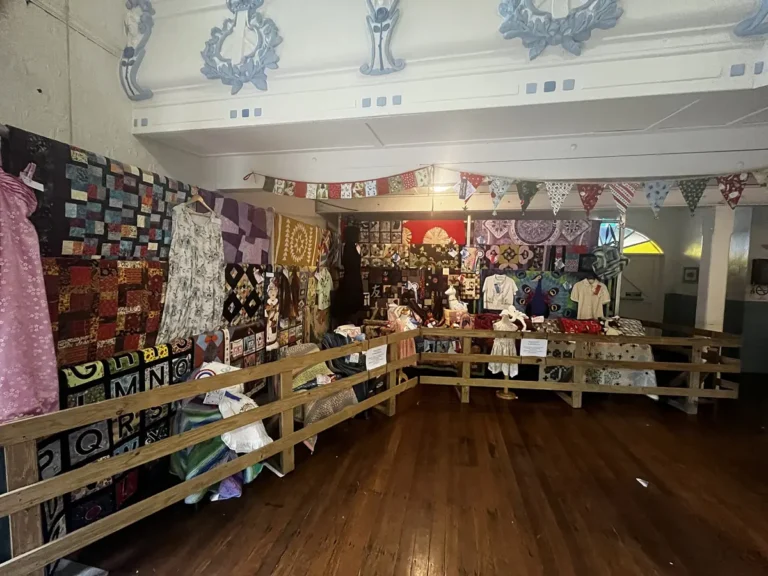
Strip away the lights and a county fair is a working agricultural showcase with a carnival attached. In Warren County that means 4-H members and farm families bringing cattle, swine, sheep, goats, poultry and rabbits into the barns while the exhibit hall fills with baking, canning, photography, quilting and woodworking. FFA chapters, school groups and local businesses show up alongside them. The judging is real, the ribbons matter, and much of what you see was made or raised by someone within a short drive of the grounds.
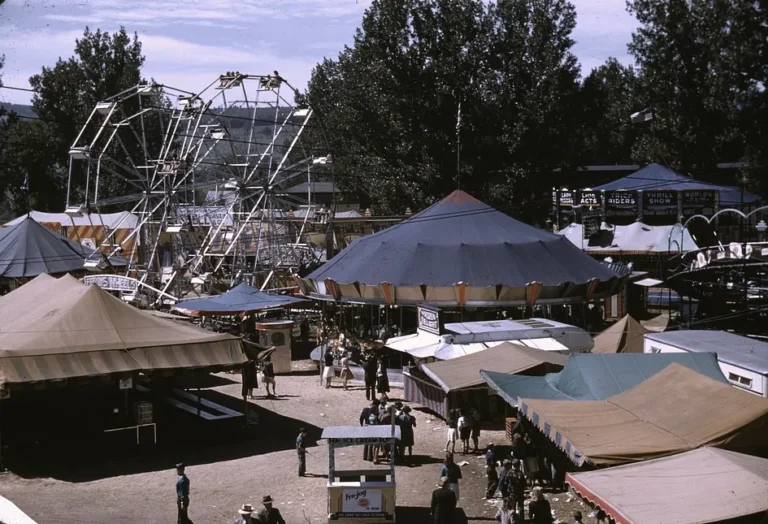
Physically, expect the classic layout: barns and show rings on one side, an exhibit hall in the middle, food trailers and a midway on the other, with a grandstand for evening events. Everything is walkable, but the walk between the far barn and the far end of the midway is longer than it looks, especially in July heat.
Timing matters more than first-timers expect. The fair generally runs about a week in summer, most often in July, and the exact week shifts from year to year, so check the current season’s schedule. Afternoons are calmer and better for watching animals; evenings bring the crowds, the rides and the grandstand.
For another look at how a community turns its own traditions into a gathering, see the Warren County Indiana Summer Street Fair Festival for a useful comparison.
From an 1827 County to Modern Fair Week
Warren County was founded in 1827, with Williamsport as its county seat, and agriculture shaped nearly everything that followed. Fields, livestock and small-town commerce set the rhythm of the calendar long before anyone hung a string of carnival bulbs. The fair sits directly in that lineage: a county whose year still turns on planting, harvest and the livestock cycle.
Across the Midwest, fairs like this one grew out of nineteenth-century efforts to improve farming — agricultural societies, granges, and eventually the youth clubs that became 4-H. The structure that emerged has barely changed: exhibition, competition, carnival, community. What varies is the character of the place, and Warren County’s version is unmistakably rural.
The modern fair is a volunteer production. Barn superintendents, gate crews, food stand workers and show announcers are largely neighbors. That is why the fair feels less like an event and more like a family reunion that happens to have a Ferris wheel — and why so many families have shown animals here across three or four generations.
Your First Afternoon at the Warren County Fairgrounds
The fair is small enough to see in a day and rich enough to fill three. Here is how the main pieces work.
Fair Food Worth Planning Your Day Around
Expect the canon done well: breaded pork tenderloin sandwiches, corn dogs, elephant ears, funnel cakes, lemon shake-ups, nachos, grilled burgers and soft-serve. Church groups, civic clubs and commodity associations often run the stands, which is part of the charm — your lunch money circulates locally. Eat before the dinner rush or after it, keep some cash for the smaller booths, and share portions if you want to sample more than one thing.
Grandstand Nights and Live Entertainment
The grandstand is where the fair becomes a night out. Programming changes year to year and often leans on motorsport-style events, pulls, and live music, with smaller stages or roaming performers filling the gaps earlier in the day. Seating is usually first-come, so claim a spot before the main event starts. If a specific act or show is the reason for your trip, confirm it on the fair’s schedule rather than assuming last year’s lineup.
Livestock Barns, 4-H Exhibits and Kid-Friendly Rides
The barns are the heart of the fair, and they are open to anyone willing to walk through quietly. Ask before touching an animal, keep fingers out of pens, and watch for gates and buckets underfoot. The exhibit hall is the quiet counterpoint — ribbons on jam, photographs, vegetables and crafts. For children, there are usually rides, games, and small hands-on activities, plus the simple thrill of watching a show ring fill up.
Planning a Warren County Fair Trip From Out of Town
A few logistics decide whether your first visit feels easy or harried. None of them are complicated.
Roads Into Warren County and Where to Point the Car
Warren County sits on Indiana’s western edge, with Vermilion County, Illinois, across the Wabash River to the west, Benton County to the north, Tippecanoe County to the east and Fountain County to the south. Williamsport, the county seat, is the natural anchor for navigation. Most visitors arrive by car on state highways and county roads, so load the route before you leave — rural roads get dark and signage is sparse. A GPS plus the fair’s own posted directions is the safest combination.
Where to Sleep Near Williamsport and Beyond
Lodging inside the county is modest, so many out-of-town visitors base themselves in Lafayette or West Lafayette to the east, or Danville, Illinois, to the west, then drive in for the day. If you prefer to stay close, book well ahead of fair week — small-town room inventory fills quickly when a county gathers in one place. Exhibitors should ask the fair directly about any on-site camping arrangements.
Parking Without the Guesswork
Plan on grass and gravel lots around the grounds, often with volunteers directing traffic. Arrive before the evening rush if you want a short walk to the gate, and note your lot and row before you head in, because every field looks alike after dark. Visitors with mobility needs should ask at the gate about the closest drop-off point.
Gate Prices, Ride Tickets and Everyday Costs
Admission and ride pricing are set fresh each year, and fairs of this size typically mix daily gate fees with weekly passes or unlimited-ride armbands. Budget separately for food, games and grandstand events. Cards are accepted in more places than they used to be, but cash still moves fastest at small stands and 4-H booths.
July Heat and Indiana Thunderstorms
Late summer in west-central Indiana means hot, humid afternoons with storms building toward evening. Wear breathable clothing, bring a hat and sunscreen, and carry a refillable water bottle — shade on a fairground is scarce and the barns hold heat. A light rain layer is worth the pocket space. Shows may pause for lightning, so build some slack into your plan.
A Sample Fair Weekend, Hour by Hour
Start your first day mid-afternoon, when the grounds are manageable. Pick up a schedule at the gate, walk the barns while animals are up and the light is good, then drift through the exhibit hall. Eat early, before the dinner lines form, and let the midway carry you into dusk. Finish at the grandstand with whatever the evening program offers.
Day two belongs to the morning. Livestock shows and judging start early, coffee is hot, and the grounds belong to families and exhibitors rather than crowds. Browse the vendor buildings, catch a tractor or equipment display, and take a second pass at the food row for something you skipped. If the fair schedules fireworks or a closing concert, that is your evening anchor.
Save the last morning for whatever you missed — a craft booth, a second elephant ear, a conversation with an exhibitor about a prize-winning heifer. Leave before the final rush and you will exit the lot in minutes instead of an hour.
How the Warren County Fair Compares With Nearby Options
Set beside the larger events in Lafayette and West Lafayette, Warren County’s fair is smaller, easier to park at, cheaper to wander through and far more agricultural. Compared with other small-town county fairs in Fountain County to the south, around Attica and Covington, or Benton County to the north, the difference is mostly setting and scale — the Wabash valley, a 366.40-square-mile county, and a crowd where strangers are rare. If you want headline acts and a sprawling midway, drive to a metro. If you want a tenderloin, a barn full of cattle and a seat at the grandstand, stay exactly where you are.
Pack the Car: A Warren County Fair Checklist
A short list, checked once, prevents most first-timer frustrations.
| Cash and one card | Small stands and 4-H booths may prefer cash |
| Sunscreen, hat, water bottle | Open grounds with limited shade |
| Comfortable closed-toe shoes | Gravel, grass and long walks between barns and midway |
| Light rain layer | Afternoon storms are common in summer |
| Printed or saved schedule | Show times and grandstand acts change daily |
| Parking note or photo | Fields look identical after dark |
| Wipes or hand sanitizer | Barns and petting areas |
| Bug spray | Evenings near livestock and grass |
Beyond the Fairgrounds: The Wabash Valley and Warren County
Warren County is small, but it is not empty. Williamsport anchors the county seat, the Wabash River forms the western edge, and the communities of West Lebanon and Pine Village give the county its small-town texture. Farm stands, grain elevators, county roads and old downtown blocks are the scenery between the fairgrounds and home.
If you are turning a fair day into a weekend, add a river drive, a stop for pie in a small-town diner, and a look at the county’s rural architecture. To the south, Parke County’s covered bridges and Turkey Run State Park make an easy second day. To the east, Purdue University and the Lafayette area offer museums and restaurants. To the west, Danville, Illinois, is a straightforward drive across the state line.
What Fair Week Means to a 366.40-Square-Mile County
In a county this size, the fair is one of the few events that genuinely pulls everyone into the same place. Grandparents watch grandchildren show animals. Businesses sponsor ribbons. Fire departments and churches run food stands. Volunteers spend their vacation days parking cars and wiping tables.
That matters beyond sentiment. 4-H projects teach record-keeping, public speaking and animal husbandry. Vendor dollars stay local. And for a week each summer, a rural county gets to show off what it does best — raise things, build things, bake things and bring them to the same fairground to be judged.
Where in Indiana the Warren County Fair Sits
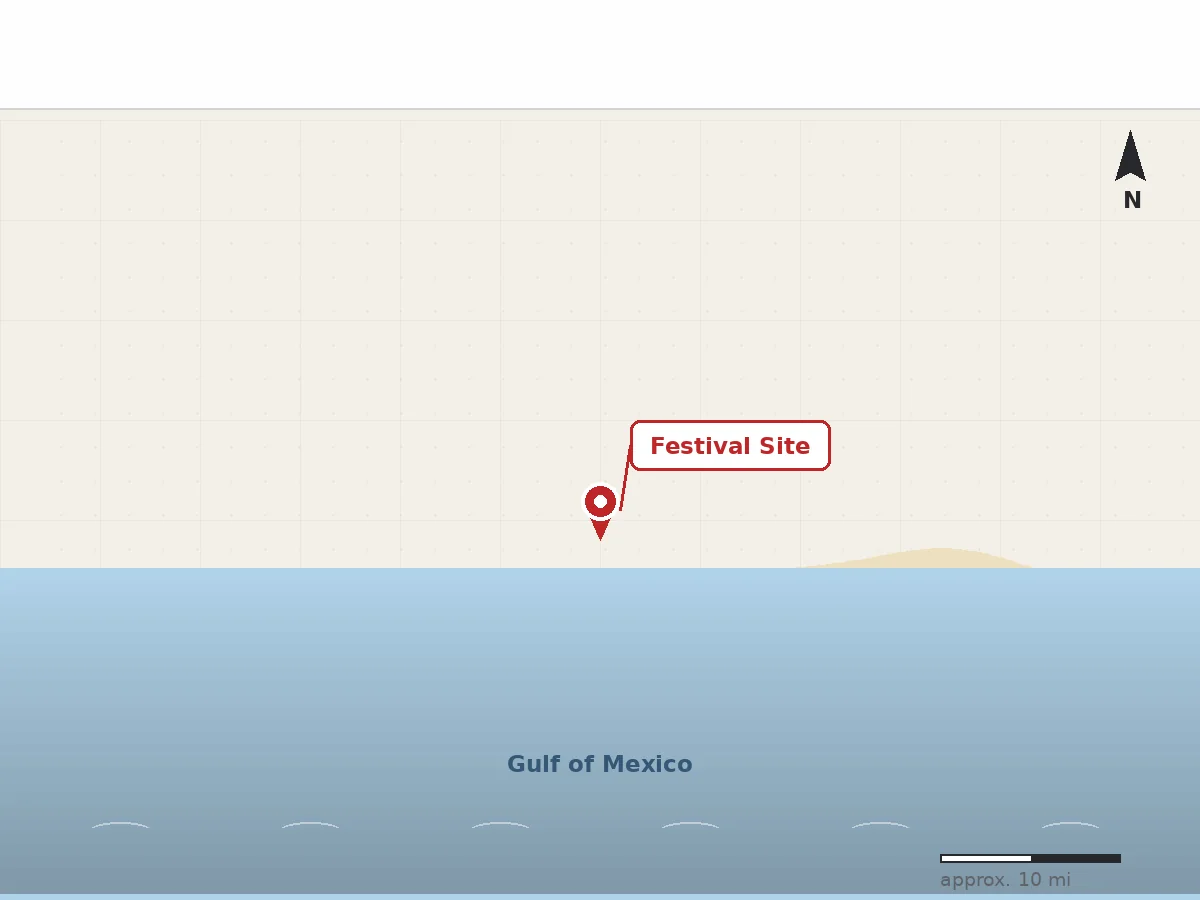
The Warren County Fair takes place in Warren County, Indiana, a 366.40-square-mile county in the west-central part of the state whose county seat is Williamsport.
What First-Timers Ask About Warren County Fair Week
Is the fair free to attend?
Gate policies are decided each year, so check the current season’s information before you travel. Even when admission is modest, budget separately for rides, games, food and grandstand events, and keep some cash on hand for the smaller stands.
How long does it run, and when should I show up?
In most years the fair runs about a week in summer, often in July. Weekday afternoons are the calmest stretch; weekend evenings are the busiest. Livestock shows and judging happen earlier in the day, while grandstand events and the midway peak after dinner.
Is it a good outing for young children and older visitors?
Yes. The grounds are compact and family-oriented, with rides, animals and short distances between attractions. Strollers work on most paths, though grass and gravel can be rough. Bring water, plan an afternoon break in the shade, and ask staff at the gate about the closest accessible parking.
What should I wear and bring?
Comfortable closed-toe shoes, sun protection, a refillable water bottle, a light rain jacket and some cash. Around the barns, dress for dust and heat rather than for a photo shoot, and wash your hands after visiting the animals.
What the Next Fair Seasons Might Bring
County fairs everywhere are adapting. Expect more card readers at the gate, more shade and seating, better accessibility, wider entertainment lineups and a continued push to recruit younger volunteers. The Warren County Fair will likely keep its agricultural core intact while adjusting the details — schedules, ticket options, vendors and grandstand programming. The practical move is to watch the fair’s own announcements as summer approaches, then treat the printed schedule as your guide once you are on the grounds.
Last updated: October 2026
A first visit to the Warren County Fair is easy to overthink. Bring water, wear good shoes, walk the barns before the midway, eat something fried, and save a seat at the grandstand. In a county founded in 1827 with Williamsport as its seat, this is still the week that brings everyone to the same patch of grass.