Union County Indiana 4-H Fair Festival
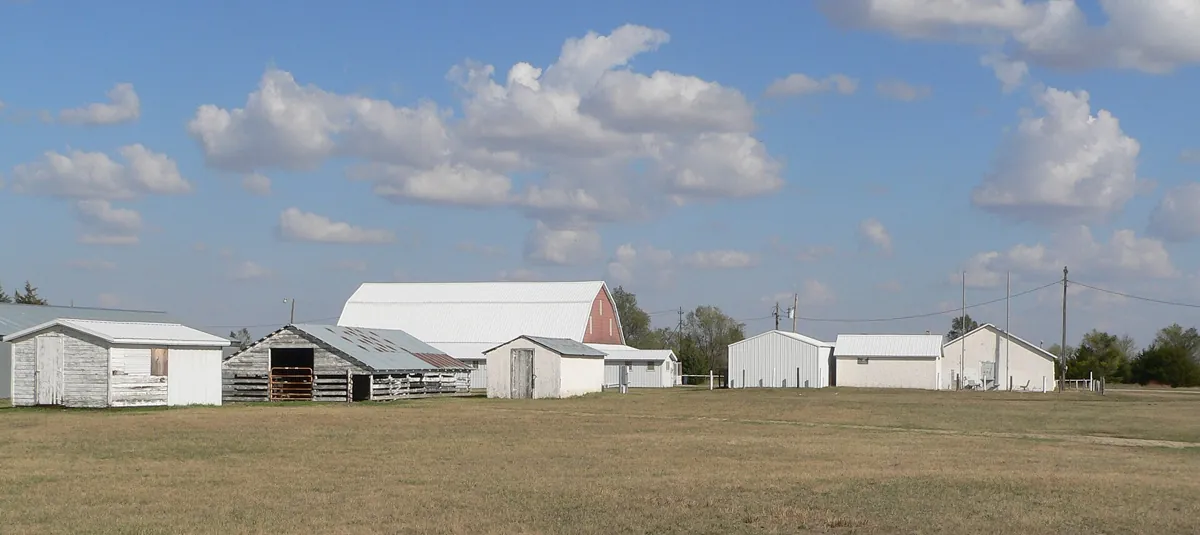
Liberty, Indiana is a courthouse-square town set in the rolling farmland of eastern Indiana, and it has long served as the seat of Union County. The county is small by every measure: 165.18 square miles of land and a population of 7,087. That intimacy shapes daily life here, and it shapes the summer event that pulls the widest cross-section of residents together, the Union County Indiana 4-H Fair.
For one week in the heart of summer, the fairgrounds become the county’s shared living room. Livestock trailers roll down quiet roads, grandparents claim folding chairs under the show barn, teenagers check on projects they have been working on since spring, and the smell of fryer grease drifts across the grounds after dusk. It is a county fair in the classic Hoosier mold, and it belongs to a place where almost everyone knows almost everyone.
Union County 4-H Fair: The Essentials in One Table
| Town / place | Liberty and the surrounding Union County area |
| County | Union County, Indiana |
| County seat | Liberty |
| Population | 7,087 county-wide |
| Land area | 165.18 square miles |
| Region | Eastern Indiana, close to the Ohio state line |
| Typical timing | A week in July in most years, ahead of the state fair season |
| Admission | Gate admission is typically free; food, games, and rides cost money |
| Setting | Rural fairgrounds with show barns, an exhibit hall, and a grandstand area |
| Organizer | Union County 4-H clubs, families, and community volunteers |
What the Union County Indiana 4-H Fair Is, in Plain Terms
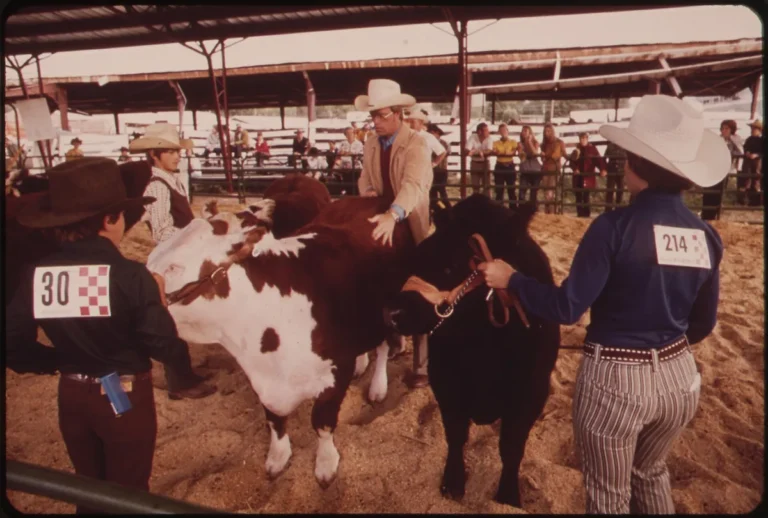
At its core, this is a youth exhibition wrapped inside a community festival. 4-H members from across Union County bring animals, still exhibits, and project work to be judged, then display the results for anyone who wants to look. Beef, dairy, swine, sheep, goats, poultry, and rabbits all have their turns in the show ring. Elsewhere on the grounds, tables fill with garden produce, baked goods, photography, sewing, woodworking, and craft projects that members have spent months preparing.
The fair is also the county’s largest public gathering of the year. Families come for the barns and stay for the food stands, the grandstand events, and the chance to run into neighbors they have not seen since last summer. Admission at the gate is typically free, which keeps the week accessible for a county of 7,087 people, though visitors should plan on spending a little money on concessions, carnival rides, and raffle tickets.
How Fair Week Grew Up Alongside Liberty and Union County
County fairs in this part of Indiana trace their lineage to the agricultural societies of the nineteenth century, when farmers gathered to compare livestock, swap seed, and argue about yields. Union County followed that pattern like its neighbors did, with township-level exhibits and school groups showing off the best of a growing season. The courthouse square in Liberty was the civic heart of it all, and the fair became the annual moment when the countryside emptied into town.
For another look at how a community turns its own traditions into a gathering, see the Tipton County Indiana Pork Festival for a useful comparison.
The 4-H idea arrived in the early decades of the twentieth century, when boys’ corn clubs and girls’ canning and tomato clubs began organizing young people around practical projects. Those clubs matured into the national 4-H program, and county fairs became the natural stage for their work. In Union County, as elsewhere across the Midwest, the local fair gradually shifted from a purely agricultural exhibition into a youth-centered one, with judging, record books, and project demonstrations at the center of the week.
Over the decades the grounds themselves grew up around the event. Show barns replaced open-air pens, an exhibit hall gave still projects a home, and a grandstand created a stage for evening entertainment. Mechanization changed the farm economy and shrank the number of working farms in the county, but it did not shrink the fair. Instead, the project list widened to include photography, computers, robotics, food science, and creative writing, so a member who has never set foot on a tractor can still find a category to enter.
Inside Fair Week: What to Expect on the Grounds
Fair week has a rhythm. Mornings belong to judging and livestock weigh-ins, afternoons to project viewing and the midway, and evenings to the grandstand and the auction. Visitors can wander freely through most of the grounds, and no one minds questions from people who have never been inside a show barn before.
Fair Food: Tenderloins, Funnel Cakes, and 4-H Stands
Food is where a small county fair outperforms its size. Expect breaded pork tenderloins that hang over the bun, corn dogs, hand-cut fries, walking tacos, elephant ears, and soft-serve ice cream. Local 4-H clubs and church groups often run their own concession stands, which means the money spent at the window tends to circulate right back into the county. Lines move fastest in the late afternoon and get long after the grandstand lets out.
Entertainment: Grandstand Nights, Talent, and Local Music
Evening programming is the fair’s social anchor. Grandstand events in past seasons have leaned on traditions that work in small counties: truck and tractor pulls, a demolition derby, motocross or ATV racing, and a rodeo night. Between those, expect talent shows, karaoke, and local bands playing country and classic rock. The 4-H auction and the crowning of fair royalty are their own kind of theater, and they fill the bleachers without any outside act at all.
Family Activities: Barns, Projects, and the Midway
For families with young children, the petting areas and barn aisles are the main draw, followed closely by the midway rides and games. Older visitors gravitate toward the exhibit hall, where the county’s quilts, pies, vegetables, and photographs are displayed with ribbons attached. There are usually quieter corners too, including shaded seating near the show barns where parents can rest while kids watch a livestock class from the rail.
Planning Fair Week in Liberty: Roads, Rooms, and Rain Plans
Union County is compact, which makes fair week unusually easy to navigate. Almost everything you need is a short drive from the courthouse square in Liberty, and the surrounding countryside is laid out on a simple grid of county roads.
Getting to Liberty and the Fairgrounds
Liberty sits in the middle of Union County, reached by state highways that connect it to neighboring county seats in every direction. Drivers coming from the north arrive through Wayne County, from the west through Franklin County, and from the south through Fayette County. From the east, the Ohio state line is close enough that a fair week trip can start in Preble County, Ohio. Once in town, follow the fairground signs rather than your phone’s fastest route.
Where to Stay Near Union County
Lodging inside Union County is limited, and that is worth knowing before you book. Most out-of-town visitors base themselves in larger nearby communities and drive in for the evening, or stay with family and friends in the area. Campers often prefer the fairgrounds experience itself, since many county fairs in Indiana set aside space for self-contained rigs during fair week.
Parking and Traffic During Fair Week
Parking is generally on grass lots adjacent to the grounds, and it is usually free. The busiest windows are the hour before the evening grandstand event and the half hour after it ends. Arriving early solves most of it. If you park in a field, remember where you left the car, because rows of trucks and trailers look alike after dark.
Admission, Tickets, and What Things Cost
Gate admission to county 4-H fairs in Indiana is typically free, and Union County follows that tradition. Your spending is concentrated in concessions, midway rides and games, raffle tickets, and any grandstand event that charges separately. Bringing cash is still smart in a county this size, even where cards are accepted.
July Weather and What to Bring
Fair week lands in the hottest, most humid stretch of an Indiana summer. Plan for sunscreen, a refillable water bottle, and a hat for the daytime, plus a light jacket or long sleeves for mosquito-heavy evenings near the barns. Afternoon thunderstorms are common, so a compact rain shell and shoes you do not mind getting muddy are worth packing.
Two Days in Liberty: A Sample Fair-Week Itinerary
Start on a Friday afternoon by parking near the main gate and walking the barns before the crowd builds. Watch a livestock class, then head to the exhibit hall to see the still projects while the light is still good. Eat dinner from a concession stand around six, take a slow pass through the midway, and claim a bleacher seat for the evening grandstand event.
Return on Saturday morning for the coolest hours of the day, when the show ring is busy and the grounds are quiet enough to talk with exhibitors. Grab a late breakfast, let younger kids ride the midway before the heat peaks, and spend the afternoon at the auction or watching a talent showcase. Stay for the evening entertainment and leave after the lights come on, which is when a county fair looks its best.
Union County’s Fair Next to Its Neighbors
Union County’s fair is smaller than the ones staged in surrounding counties, and that is its advantage. The Wayne County fair up in Richmond draws a bigger crowd and a fuller grandstand schedule, while the Franklin County fair in Brookville pairs its livestock shows with the recreational pull of Brookville Lake. Fayette County’s fair in Connersville sits in a larger town with more commercial vendors, and across the state line the Preble County fair in Eaton, Ohio, offers a comparable small-county experience.
What Union County offers instead is walkability, short lines, and a genuine sense that you are watching your neighbors’ kids succeed. If you are touring county fairs across eastern Indiana and western Ohio, this is the one where you will actually talk to the people showing the animals.
Fair-Week Checklist for Union County Visitors
| Check the schedule | Grandstand events vary by night, so plan your visit around the one you want. |
| Bring cash | Concessions, games, and raffles are easier with small bills. |
| Wear closed shoes | Barn aisles and grass lots stay dusty or damp. |
| Pack water and sunscreen | July afternoons on an open fairground are unforgiving. |
| Arrive early for grandstand nights | Parking and bleacher seating fill quickly. |
| Keep dogs at home | Livestock areas are not a good place for pets. |
| Bring a folding chair | Handy for the show barn and the shaded edges of the grounds. |
| Plan a meeting point | Cell service can be spotty when the grounds are packed. |
Beyond the Fairgrounds: Liberty, Union County, and the Whitewater Valley
Fair week is a good excuse to see the rest of Union County. The courthouse square in Liberty is the place to start, with its historic commercial buildings and small-town pace. From there, the county opens into some of the best rural driving in eastern Indiana, with barns, fencerows, and wooded creek bottoms that reward a slow afternoon. The Whitewater Valley region around Union County is known for covered bridges and quiet back roads, and the East Fork of the Whitewater River drains much of the surrounding farmland.
Antique shoppers and history buffs will find nearby towns worth a detour, and the larger cities within an hour’s drive add museums, restaurants, and additional summer events. Many fairgoers turn the trip into a weekend: one evening at the fair, one morning exploring the county’s back roads, and a picnic somewhere along the way.
What Fair Week Means to a County of 7,087
In a county with 7,087 residents and 165.18 square miles of land, institutions have to do more than one job. The 4-H Fair is a youth development program, an agricultural showcase, a reunion, a fundraiser, and the closest thing the county has to a shared annual calendar. Volunteers who judge projects, staff concession stands, and haul equipment are the same people who coach Little League and serve on township boards.
That overlap is why the fair has staying power. When a member wins a ribbon in the show ring, the applause comes from people who know the family, the farm, and the years of work behind it. Few events in modern life still work that way, and it is the reason families plan summer travel around fair week rather than the other way around.
Where to Find the Union County 4-H Fair
The Union County 4-H Fair takes place at the fairgrounds serving Liberty, the county seat of Union County in eastern Indiana, close to the Ohio state line.
Fair Week in Union County: Common Visitor Questions
Is the Union County 4-H Fair free to attend?
Gate admission at Indiana county 4-H fairs is typically free, and that is the norm here as well. You will still spend money on food, midway rides and games, and any grandstand event that sells its own tickets, so bring some cash along with your lawn chair.
What time of year does the fair take place?
The fair is held during a week in July in most years, which places it in the middle of Indiana’s county fair season and ahead of the state fair. Exact dates shift from year to year, so check the current schedule before you plan travel.
Do I need to be involved in 4-H to attend?
No. The fair is open to the public, and most people in the stands are not exhibitors. Walking through the barns, browsing the exhibit hall, and eating at the concession stands are all fair game for anyone who shows up.
Is the fair a good fit for young children and older visitors?
It is one of the easier county fairs to navigate with either. The grounds are compact, walking distances are short, and there are shaded spots near the show barns. Families with strollers and visitors who prefer to avoid long walks will find the layout manageable compared with larger fairs.
The Next Seasons of the Union County 4-H Fair
County fairs everywhere are adapting to smaller farm populations, tighter volunteer schedules, and audiences raised on screens. Union County’s answer has been to widen what counts as a project, adding technology, photography, and creative categories alongside the traditional livestock and home economics entries. That keeps the fair relevant to members whose families do not farm.
Expect the essentials to hold steady: a week in July, free gate admission, barns full of animals, an exhibit hall full of ribboned work, and a grandstand that fills after sunset. In a county of 7,087 people, that continuity is the point. The fair will keep changing at the edges while staying recognizable to anyone who grew up attending it.
Last updated: October 2026
If you are looking for an Indiana county fair that still feels like a neighborhood gathering, put Union County on your summer list. Come for the tenderloins and the tractor pull, stay for the show barn, and leave understanding why a county this small treats one week in July as its biggest event of the year.
One Comment