Sullivan County Indiana Rotary Corn Festival
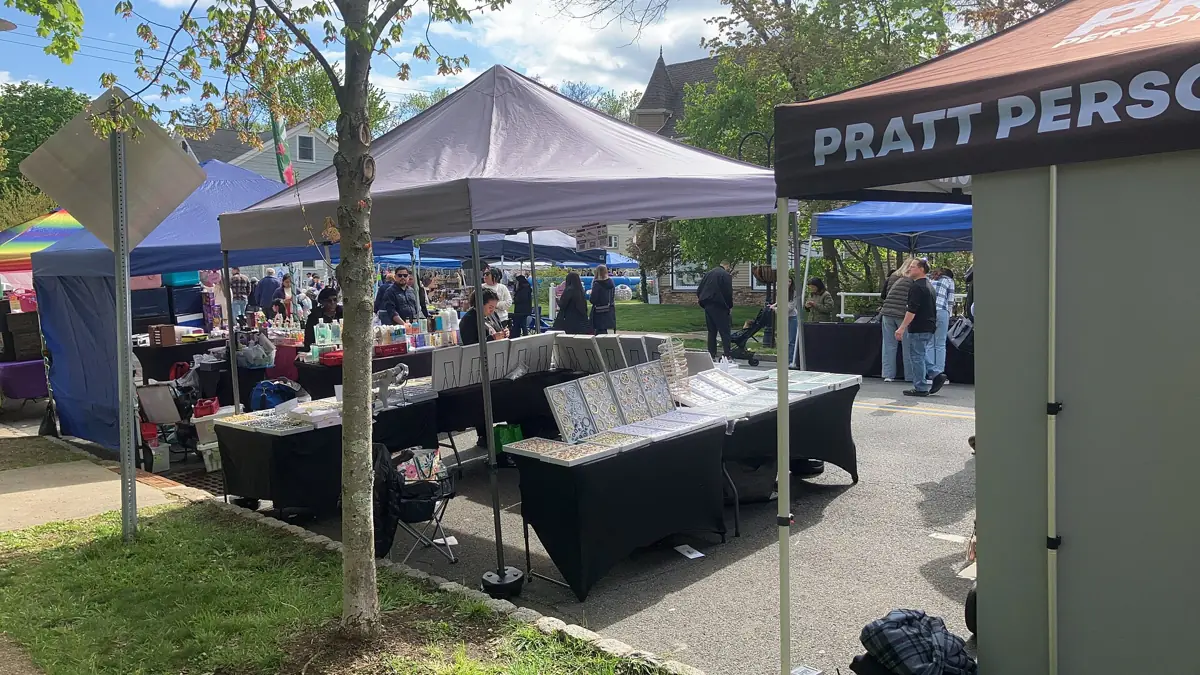
First-timers chase novelty. Return visitors chase rhythm. In Sullivan County, Indiana, the Rotary Corn Festival has a rhythm you only notice the second time around: the same corner where roasted-corn smoke drifts, the same folding chairs claimed before the crowd arrives, the same neighbor who remembers your name and asks after your family. Knowing where to park, which tent to visit before the line forms, and when to sit down in the shade is worth more than any printed schedule.
Sullivan County is farm country — 454.12 square miles of it, created on January 15, 1817 and organized the following month. A festival built around corn makes sense in a place where the crop has shaped the landscape, the work calendar, and the small talk for two centuries. The county’s towns sit close enough together that a Saturday here can feel like a family reunion with better food.
What follows is the returning visitor’s version of the Rotary Corn Festival: what to expect, how to plan, and what keeps people coming back.
Rotary Corn Festival Essentials: Timing, Terrain, and Admission
Start here if you want the practical picture before the atmosphere.
| Item | Detail |
|---|---|
| Town / area | The Sullivan County area, Indiana |
| County | Sullivan County, Indiana |
| County seat | Sullivan |
| Population | A small, rural county; the festival draws from across its 454.12 square miles |
| Region | Southwest Indiana |
| Typical timing | A weekend during corn season, generally summer into early autumn |
| Admission | Typically free to enter; food, raffles, and some activities cost extra |
| Setting | Small-town festival grounds surrounded by farmland |
| Features | Corn-focused food, live entertainment, family activities, vendor and community booths |
| Organizer | Local Rotary volunteers with community groups |
A Returning Visitor’s Read on the Rotary Corn Festival
The Rotary Corn Festival is a community celebration built around one crop, run by local Rotary volunteers with help from churches, school groups, farm families, and small businesses. It is not a mega-festival, and that is the point. You can walk the whole thing in an afternoon and still run into someone you meant to call three months ago.
For another look at how a community turns its own traditions into a gathering, see the Sullivan County Indiana 4-H Fair Festival for a useful comparison.
Corn is the theme, the ingredient, and the excuse. Expect sweet corn and roasted corn, corn dogs and cornbread, cornmeal baked into things you did not expect, and at least one friendly contest that turns a vegetable into a sport. Local vendors fill in the rest with tenderloins, lemonade shake-ups, and the kind of pie that sells out early.
The crowd is a mix: families with strollers, teenagers working booths, grandparents holding prime shade, day-trippers from neighboring counties who heard the corn was worth the drive. Because admission is typically free, people drift in and out all day, which keeps the mood relaxed rather than rushed.
For a return visitor, the appeal is familiarity plus small upgrades — a new food truck, a different band, a rebuilt playground nearby. The bones stay the same; the details shift just enough to make the walk interesting again.
From a January 1817 County to a Corn Festival Weekend
Sullivan County was created on January 15, 1817, and organized the following month. The land that became the county — 454.12 square miles of it — was prairie and timber, the kind of ground that rewards a farmer who plants corn and waits. Corn became the reliable crop: it fed families, fattened livestock, and could be sold or stored when prices were better.
For the next century and a half, corn shaped the county’s calendar. Planting and harvest set the rhythm of school years, church suppers, and neighborly favors. Small towns built their social lives around the same cycles, and a good harvest was reason enough for a gathering.
The Rotary Corn Festival grew out of that habit of gathering. Rotary clubs in Indiana have long tied their identity to service — scholarships, civic projects, help for local causes — and a corn festival fits the model neatly. It celebrates the crop that built the county while raising money and goodwill for the people who still live there. The festival’s name carries both halves: the club that organizes it and the crop that inspired it.
What is striking, looking back, is how little the format needed to change. Tents, food, music, kids’ games, and a raffle table have carried the event across decades, because that formula does exactly what a county festival is supposed to do: put neighbors in the same field on the same afternoon.
What Fills a Rotary Corn Festival Weekend
A day here has a shape: food first, music in the background, kids in motion, and shade whenever you can find it.
Corn on the Cob and Everything Fried Nearby
Food is the center of gravity. The corn — boiled, roasted, buttered, and salted — is why most people come, and the lines prove it. Around it you’ll find the full small-town menu: breaded pork tenderloins, corn dogs, curly fries, elephant ears, kettle corn, and lemonade shaken by hand. Church groups and civic clubs often run their own stands, which means the money circulates locally.
Go early for the best selection and the shortest wait. Return visitors know which stand sells out first and plan their loop accordingly, eating something small while walking and saving the main meal for when the first rush thins.
Music, Tents, and the Sound of a Small-Town Crowd
Live entertainment usually anchors the afternoon and evening: local and regional bands, a sound system that carries across the grounds, and people who brought lawn chairs specifically for this. Between sets, the noise is conversation — the low hum of a county catching up with itself.
Vendor tents ring the site with crafts, farm-themed goods, raffle tickets, and information tables from local organizations. It is worth a slow lap before you buy anything; the same item often appears at two booths at two prices.
Family Activities That Wear Kids Out Before Dark
Family programming is where a corn festival earns its reputation. Expect games, inflatables, pedal tractors or similar farm-themed activities, face painting, and contests that reward enthusiasm more than skill. Corn-themed competitions — husking, eating, guessing games — tend to draw the biggest crowds because anyone can enter.
Older visitors are looked after too: seating near the stage, shaded areas, and a pace that never demands much walking. Strollers handle the grounds fine in dry weather, less so after rain.
Planning a Sullivan County Corn Festival Trip
The logistics are simple, but a little foresight saves an hour of circling and a sunburn.
Getting to the Sullivan County Area
Sullivan County sits in southwest Indiana, within easy reach of several regional hubs by way of the area’s highways and county roads. Most visitors drive, and there is no need for a complex transit plan. Set your route before you leave, because rural cell coverage can be spotty in pockets, and the last few miles are usually two-lane roads shared with farm equipment.
Where to Stay Overnight
Lodging inside the county is limited and fills fast on festival weekends. Options include small local motels and a handful of short-term rentals; beyond that, travelers commonly base themselves in a larger neighboring city and drive in for the day. Book well ahead if you plan to stay, and confirm the cancellation policy — weather can change plans.
Parking Without the Circling
Expect field or lot parking near the grounds, often free, with volunteers directing traffic. Arrive before the midday peak for the shortest walk, and note where you parked — rows of cars in a grass field all look alike by dusk. If rain is in the forecast, wear boots you don’t mind muddying.
Admission, Food Money, and Other Costs
Admission is typically free, which is part of why the festival draws such a broad crowd. Budget for food, drinks, raffle tickets, kids’ activities, and vendor purchases. Cash still moves faster at some stands, though cards are increasingly accepted. Bring small bills for the church and club booths.
Weather, Heat, and What to Wear
Corn season in southwest Indiana means heat and humidity, with the chance of an afternoon storm. Dress light, bring a hat, and carry water. Sunscreen matters more than you think on an open field with little shade. A light rain jacket beats an umbrella if the wind picks up.
A Sample Rotary Corn Festival Weekend in Three Parts
Day one. Arrive late morning and park while the lots are still easy. Walk the vendor row once without buying, then eat: corn first, everything else second. Spend the afternoon at the stage with a lawn chair, and use the early evening for the contests and the raffle drawing. Leave before the final rush and you’ll be on the road in minutes.
Day two. Come back for the quieter hours. Mid-morning is when volunteers are still setting up, the corn is freshest, and you can actually talk to the people running the booths. This is the best window for photos, for asking questions about the county, and for letting kids play without a crowd.
Day three or an extended stay. Use it for the surrounding area — a slow drive through farm country, a stop in one of the county’s small towns, a meal at a local diner. It turns a single event into a weekend.
How the Corn Festival Stacks Up Against Neighboring Traditions
Sullivan County’s celebration is smaller and more local than the big regional festivals that pull from across the state. Terre Haute, to the north, offers a busier calendar of city events, concerts, and a university-driven cultural scene — more choices, less intimacy.
Vincennes, to the south, leans into its French colonial and Revolutionary War history, with historic sites and heritage programming that appeals to a different kind of day trip. Parke County, to the northeast, is known for its covered bridges and autumn tours, a draw built on scenery rather than food.
The Rotary Corn Festival’s advantage is focus. It does one thing — a corn-season community gathering — and does it without pretension. If you want a polished, ticketed production, look elsewhere. If you want to eat corn in a field with people who know each other, this is the right stop.
The Return-Visitor Prep List for the Rotary Corn Festival
A short list, refined over several visits.
| Bring | Why it matters |
|---|---|
| Cash in small bills | Faster at church and club stands |
| Lawn chairs or a blanket | Seating near the stage fills early |
| Sunscreen and a hat | Open grounds with limited shade |
| Refillable water bottles | Heat and humidity are the norm |
| Comfortable shoes | Grass, gravel, and a lot of standing |
| A tote bag | For vendor purchases and corn to take home |
| Phone charger or battery pack | Long days drain batteries fast |
| Rain jacket | Afternoon storms move through quickly |
Beyond the Festival: The Rest of Sullivan County
The county covers 454.12 square miles, and most of it is working farmland — the kind of landscape that rewards a slow drive. County roads run straight through corn and soybean fields, past barns, grain elevators, and small-town squares that haven’t changed much in decades.
Spend an extra half day on the things a festival crowd never sees: a local diner breakfast, a library or historical collection with records reaching back to the 1817 founding, a walk through one of the county’s small towns. Ask a volunteer at the festival for a recommendation — those answers are usually better than any list.
Nearby, larger cities offer museums, shopping, and restaurants if you want a contrast to the fields. Many visitors combine a festival day with a stop in one of them on the way home.
What the Corn Festival Means to Sullivan County
In a county of small towns and long drives, the festival functions as a shared living room. It is where the fire department, the schools, the churches, and the farm families all show up on the same afternoon — a rare thing in a place where everyone’s schedule usually runs in a different direction.
The money raised stays local, and the volunteers who run it are the same people who coach the teams and staff the food pantries. That overlap is why the festival feels less like an event and more like a habit the county keeps.
For the Rotary club that gives the festival its name, it is also a demonstration of what service looks like when it is fun: a project that pays for itself in goodwill and gives a rural county a reason to gather. Corn is the excuse. Community is the product.
Where the Rotary Corn Festival Sits in Sullivan County
The Rotary Corn Festival takes place in the Sullivan County area of southwest Indiana, within a short drive of the county’s small towns and surrounding farm country.

Rotary Corn Festival Answers for First-Time and Repeat Visitors
Is the Rotary Corn Festival free to attend?
Admission is typically free, so you can walk in without buying a ticket. Plan to spend on food, drinks, raffle tickets, and activities once you’re inside; those sales are what support the groups running the stands.
When should I arrive to avoid the crowds?
Mid-morning is the sweet spot. Vendors are set up, lines are short, parking is easy, and the heat hasn’t settled in yet. Late afternoon and early evening draw the biggest crowds, especially around the stage and the contests.
Is the festival suitable for young children and older visitors?
Yes. The grounds are walkable, family activities are a core part of the programming, and seating is available near the entertainment. Strollers and wheelchairs manage well in dry weather; after heavy rain, grass and gravel can be soft.
How long should I plan to stay?
Most visitors spend three to five hours, which covers food, a lap through the vendor tents, and time at the stage. If you want the evening entertainment and the contests too, plan for most of a day.
The Next Chapters for the Rotary Corn Festival
Community festivals survive by adapting without changing what people love. Expect the corn to stay at the center, the volunteers to keep showing up, and the format to evolve slowly — a few new vendors, a different lineup on stage, maybe a fresh activity for kids.
The bigger question for Sullivan County, as for rural places everywhere, is how to keep the next generation involved. A festival that gives teenagers work at the booths and gives young families an affordable afternoon out has a better chance of lasting than one that chases scale. The Rotary Corn Festival already works that way.
Last updated: October 2026
The Rotary Corn Festival will not try to impress you. It will hand you an ear of corn, point you toward a chair in the shade, and let the county do the rest. Come once for the food. Come back for the people you meet the first time.



One Comment