Randolph County Indiana Randolph County Fair Festival
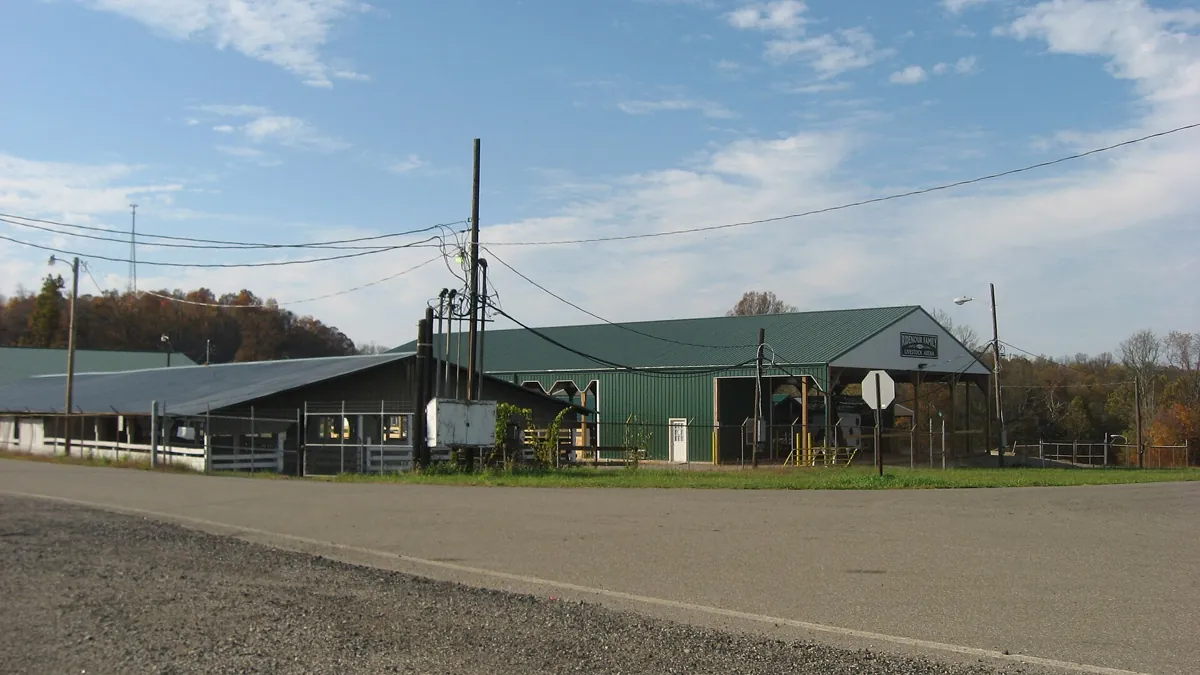
The Randolph County Fair rewards a little forethought. It lands in the thick of an Indiana summer, it draws on a county of 24,502 people spread across 453.31 square miles, and it compresses livestock shows, 4-H projects, carnival rides, grandstand nights, and fair food into one fairgrounds site serving Winchester. You can wander in cold and still have a fine evening. You can also arrive with a plan and see three times as much of it.
This guide is written for the second kind of visitor — the one who wants to know which direction to approach from, when the barns are busiest, what to eat first, and how to build a fair weekend that still leaves room for the rest of Randolph County.
Randolph County Fair Basics for Winchester-Area Visitors
| Town / place | The Randolph County area, with Winchester as the hub |
| County | Randolph County, Indiana |
| County seat | Winchester |
| Population | 24,502 |
| Region | East-central Indiana, close to the Ohio state line |
| Typical timing | A multi-day run in mid-summer |
| Admission | Generally free at the gate; rides, food, and some grandstand events cost extra |
| Setting | Rural fairgrounds with barns, show rings, a track, and midway space |
| Features | Livestock shows, 4-H exhibits, carnival rides, grandstand entertainment, fair food |
| Organizer | A local fair board supported by 4-H clubs and county volunteers |
What the Randolph County Fair Actually Is
The Randolph County Fair is the county’s annual agricultural showcase, held on fairgrounds serving Winchester, the county seat of Randolph County, Indiana. Its spine is the same as it has been for generations: 4-H members bring livestock and static projects, open-class exhibitors enter baking, canning, vegetables, flowers, and crafts, and judges work through barns and exhibit halls before most of the public has even arrived for the evening.
Around that core sits the part casual visitors come for — a midway with rides and games, food stands, and grandstand programming that shifts from year to year. A local fair board runs the week with help from 4-H families and volunteers who spend their days setting pens, staffing check-in tables, and cleaning up long after the last ride stops.
Because the fair serves a largely rural county, its rhythm follows farm life more than a tourism calendar. Mornings belong to exhibitors and judges. Afternoons fill with families and strollers. Evenings, when the lights come up and the grandstand fills, the fairgrounds start to feel like a small town square with a Ferris wheel attached.
For another look at how a community turns its own traditions into a gathering, see the Putnam County Indiana 4-H Fair Festival for a useful comparison.
From an 1818 County Seat to a Summer Fair Tradition
Randolph County was founded in 1818, and Winchester has served as its seat of government ever since. Across 453.31 square miles of farmland, small towns, and tree-lined county roads, the fair became the one stretch of the year when every township showed up in the same place at the same time.
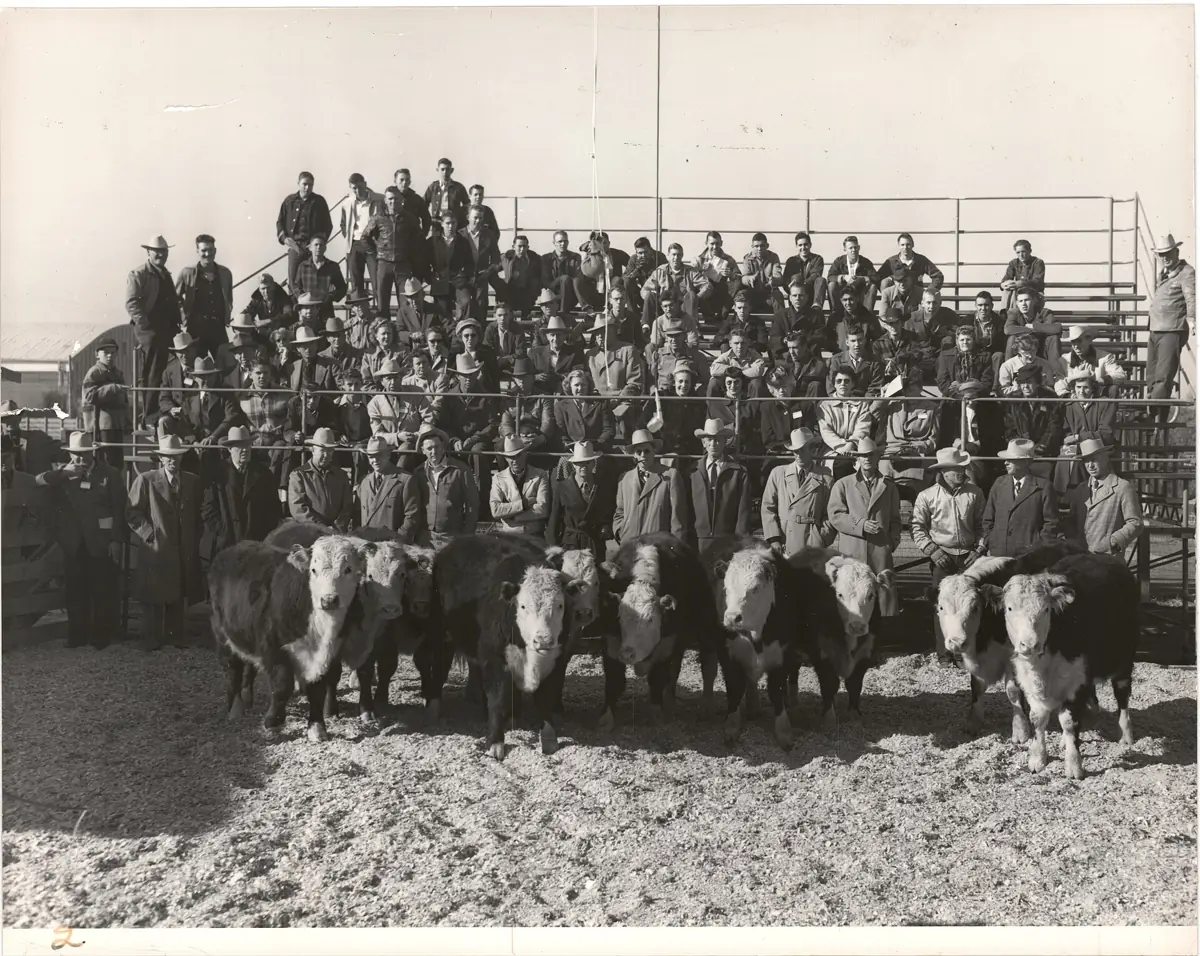
Its history is a story of continuity rather than spectacle. County fairs across Indiana grew out of agricultural societies that wanted growers and breeders to compare notes, swap stock, and settle arguments about the best ears of corn. Randolph County followed that pattern. Early fairs leaned heavily on livestock judging and produce displays. As the decades passed, the grounds gained barns, exhibit halls, a track, and eventually a midway, while 4-H became the organizing force behind much of what happens in the barns.
The names on the exhibitor lists changed. The categories barely did. A blue ribbon for a market hog, a jar of peaches, or a hand-stitched quilt still carries real weight here, and many families who show today are the third or fourth generation to do it on the same grounds.
A Day Inside the Randolph County Fairgrounds
The fair is compact enough to walk in an afternoon and layered enough to fill a full day. Here is how the pieces usually fit together.
Fair Food, Local Vendors, and the Stands Worth Queuing For
Expect the Indiana fair canon done well: breaded pork tenderloins, corn dogs, elephant ears, funnel cakes, lemon shake-ups, and soft-serve. Beyond the midway trailers, church groups and local organizations often run their own stands, and those are frequently the best value on the grounds. Portions are large, so splitting a few items across a group stretches both the budget and the appetite. Bring small bills — cash moves faster than cards at the busiest windows.
Music, Grandstand Nights, and Evening Entertainment
The grandstand is the fair’s evening anchor, with a lineup that varies year to year and often includes local and regional bands alongside motorsport-style events and other crowd-pleasers. Seating in the grandstand itself is usually the cheapest way to watch, while trackside space fills first on the biggest nights. If a specific show is the reason for your trip, plan to arrive well before the posted start and treat the earlier hours as your walk-around time.
Family Activities, 4-H Exhibits, and the Livestock Barns
Kiddie rides, games, and the animal barns carry most of the family load. The barns are free to walk through and genuinely educational — most exhibitors are happy to answer questions about feeding schedules and breeds. Go early or near dusk when animals are active and the aisles are cooler. Teach kids to ask before touching, to keep fingers out of pens, and to wash hands after leaving the barn area.
Logistics for a Randolph County Fair Trip
Most of what goes wrong at a county fair is a logistics problem, not a fun problem. A few decisions made in advance solve nearly all of it.
Driving In: Routes to the Winchester Fairgrounds
Winchester sits on U.S. 27 running north-south and Indiana State Road 32 running east-west, which makes the county seat easy to reach from Muncie, Richmond, and the Indianapolis area to the west, and from the Dayton, Ohio area to the southeast. If you are coming from the interstate corridor south of the county, plan a straightforward state-road approach through the neighboring towns rather than expecting a direct exit. Rural roads around the fairgrounds narrow quickly once you leave the main routes, so let the posted signs and volunteer traffic direction guide the final mile.
Where to Stay Around Randolph County
Lodging inside Randolph County is limited, so book early if you are staying overnight. Winchester has the closest options; a wider range of hotels sits in Muncie, Richmond, and along the interstate corridor to the south. Some fairgoers camp or bring RVs, but availability and hookups change from year to year — confirm details with the fair before you load the camper.
Parking on and Near the Fairgrounds
Expect grass and gravel lots with volunteer attendants directing traffic. Arrive before the evening grandstand if you want a short walk, and expect the closest spaces to vanish within an hour of the gates getting busy. Carpooling helps on the heaviest nights. Note where you parked — rows of trucks and trailers look identical after dark.
Admission, Ride Costs, and Cash Strategy
Gate admission is typically free, which makes the fair an easy low-risk stop. Money goes toward rides, midway games, food, and grandstand events, and those costs add up quickly with kids in tow. Set a per-child ride budget before you walk in, and carry cash in small denominations for vendors who do not take cards.
Mid-Summer Weather and What to Wear
Mid-summer in east-central Indiana means heat, humidity, and the real chance of an afternoon thunderstorm. Wear light clothing, closed-toe shoes for the barns, and a hat. Bring sunscreen, refillable water, and a light layer for the evening, when the temperature drops and the mosquitoes arrive. If storms roll in, the barns and exhibit halls make good shelter while you wait it out.
A Sample Randolph County Fair Weekend, Start to Finish
Friday afternoon: Arrive early and walk the exhibit halls first, while they are quiet. Static entries — photography, baked goods, garden produce, crafts — are easiest to appreciate before the crowds build.
Friday evening: Grab food before the grandstand crowd does, then claim a seat for the night’s show. Afterward, ride the midway while the lights are on and the lines are shorter.
Saturday morning: Come back for the livestock shows. Judging starts early and the barns are at their most active. This is the best window for kids who want to see animals up close.
Saturday afternoon: Eat lunch from a local organization’s stand, let the kids loose on the kiddie rides, and take a slow pass through the commercial tents.
Saturday evening: Return for the biggest grandstand night of the run, or skip it and use the quiet hours to explore Winchester instead.
Sunday: Wrap up with a final barn walk, a last elephant ear, and an early exit before the closing-night traffic stacks up.
How the Randolph County Fair Compares with Neighboring Fairs
Randolph County’s fair sits in a cluster of similar events across east-central Indiana. Jay County to the north, Wayne County to the east, Henry County to the southwest, and Delaware County to the west all run their own fairs with the same agricultural foundation. Compared with the larger county fairs closer to Muncie and Richmond, Randolph’s version tends to feel smaller, more agricultural, and less commercial — fewer national vendors, more local clubs, and a shorter walk between the barns and the midway.
The Indiana State Fair in Indianapolis is the obvious outlier: much bigger, much longer, and a completely different kind of outing. Within the county itself, the towns of Union City, Farmland, Parker City, and Lynn each hold their own community events through the year, and those small gatherings share the same volunteer-driven character as the county fair.
Randolph County Fair Prep Checklist
Cash in small bills, plus a rough per-person spending limit set before you arrive.
Closed-toe shoes you do not mind getting dusty, and a change of clothes for kids who find the barns irresistible.
Sunscreen, hats, refillable water bottles, and insect repellent for after dark.
A printed or screenshotted schedule of grandstand events, since signal can be patchy in rural areas.
A meeting point plan for your group, agreed on before you walk through the gate.
A fully charged phone and a car charger, especially if you are staying for the evening show.
Beyond the Fairgrounds: Randolph County Between Sessions
The fair is a good excuse to see the rest of the county. Winchester, the county seat, has the courthouse-square feel typical of an Indiana county town founded in 1818, with local restaurants and shops worth a slow lap. From there, the county opens into flat, productive farmland dotted with small towns — Union City on the Ohio line, Farmland, Parker City, Lynn, and others — each with its own grain elevators, ball fields, and diners.
Drive the county roads in the late afternoon and you will understand the fair better: this is a landscape of working farms, and the fairgrounds are where that work gets displayed, judged, and celebrated once a year. Give yourself an extra hour or two outside the gates and the week makes more sense.
Why the Fair Still Anchors a 24,502-Person County
In a county of 24,502 residents spread over 453.31 square miles, people do not cross paths by accident. The fair is one of the few recurring events that pulls every corner of Randolph County into one place. For 4-H families, it is the payoff of months of work. For local businesses and clubs, it is a fundraiser and a reunion. For kids, it is the week the summer is measured against.
That is why the fair survives on volunteer labor and modest gate revenue. It is not built to impress outsiders. It is built to hold a county together for a few days, and it does that job well.
Where the Randolph County Fair Sits on the Map
The Randolph County Fair takes place on the fairgrounds serving Winchester, the county seat of Randolph County in east-central Indiana, within easy reach of the surrounding townships by county road.
Randolph County Fair Questions, Answered Directly
Is admission to the Randolph County Fair free?
Gate admission is typically free, which is part of the fair’s appeal for families. You will still pay for carnival rides, midway games, food, and some grandstand events, so budget for those rather than for a ticket at the entrance.
When does the fair usually run?
It is a mid-summer fair, usually held as a multi-day run rather than a single weekend. Exact dates shift from year to year, so check the current schedule before you plan travel around it.
What is the best time of day to visit?
Morning is best for livestock shows and quiet exhibit halls. Late afternoon is best for families and rides. Evening brings the grandstand crowd, the brightest midway, and the longest food lines.
What should I prioritize if I only have one evening?
Walk the barns and exhibit halls first while they are still open, eat before the grandstand rush, then finish on the midway. That sequence covers the fair’s three main textures — agricultural, social, and carnival — in a single loop.
What’s Ahead for the Randolph County Fair
County fairs everywhere are balancing tradition against cost. Insurance, entertainment, and maintenance all get more expensive, while the volunteer base that runs the week keeps getting thinner. Randolph County’s fair is not immune to that pressure, but its agricultural core gives it a stability that purely entertainment-driven events lack. As long as 4-H families keep entering projects and livestock, the fairgrounds will keep filling each summer.
For visitors, that means the smart approach is the same as it has always been: check the schedule, plan around the grandstand, arrive early, and leave room in the day for the parts of the fair that do not appear on any program.
Last updated: October 2026
The Randolph County Fair is not trying to be a destination resort, and that is precisely its charm. It is a working county’s summer gathering, held on grounds that have hosted the same rituals for generations, and it asks nothing more of you than a free afternoon, a little cash, and a willingness to walk slowly past the barns. Plan the logistics, then let the evening take over.