Pulaski County Indiana Pulaski County Fair Festival
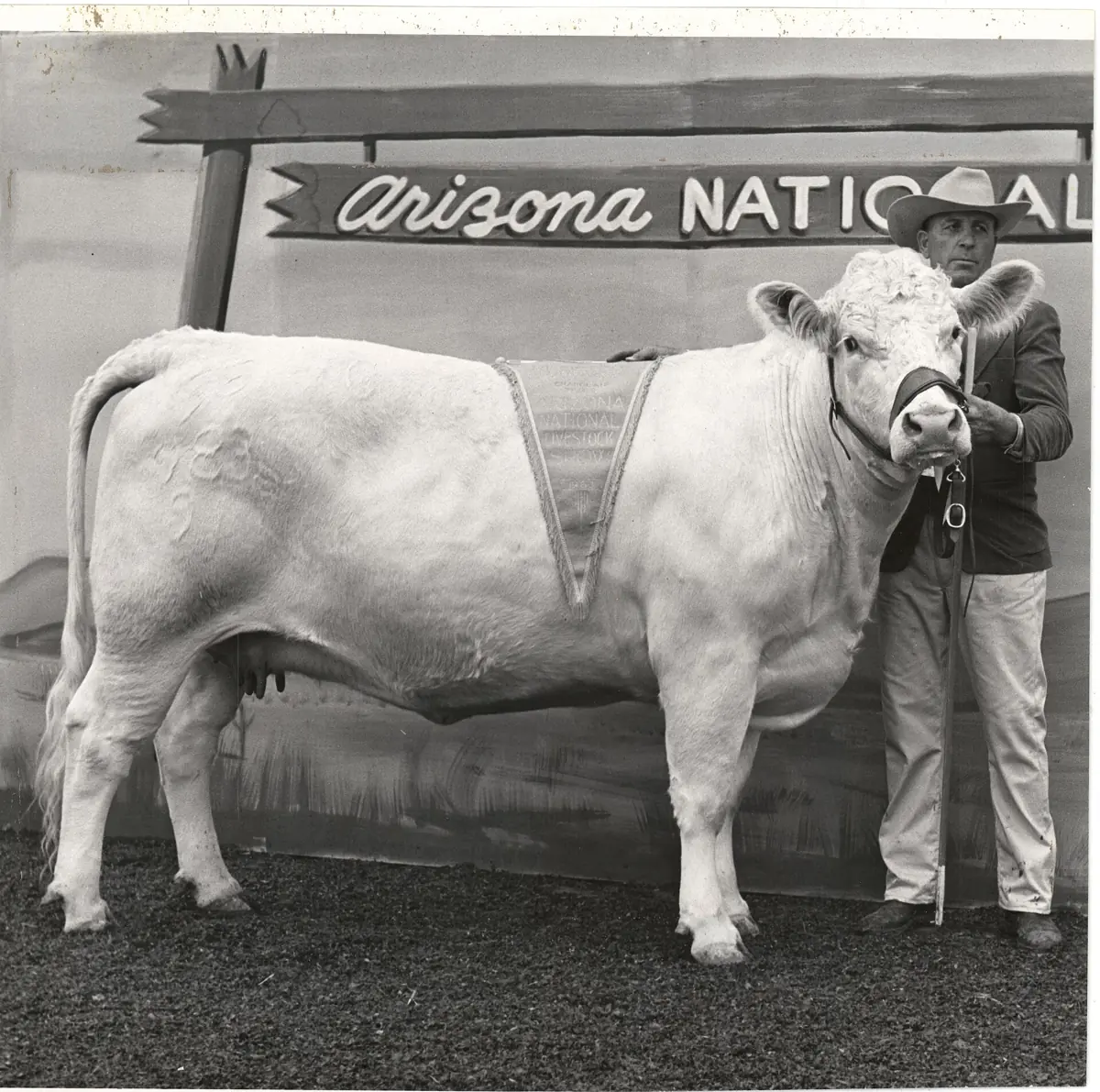
Pulaski County is a quiet corner of north-central Indiana — 12,514 residents spread across 434.53 square miles of farmland, small towns, and river bottom. For a few days each summer, though, the county’s fairgrounds become the busiest place around. The Pulaski County Fair pulls families from Winamac, the county seat, and from every township beyond it for livestock shows, carnival rides, tractor pulls, and the kind of food that only tastes right when you eat it standing up.
This is a fair built by neighbors for neighbors. You will see 4-H members washing animals before the sun is fully up, grandparents claiming the same bleacher seats they have used for years, and volunteers flipping burgers to help pay for next summer’s event. If you are passing through Pulaski County during fair season — or you grew up here and moved away — the fair is the quickest way to understand what this community values.
Pulaski County Fair Basics: Town, Timing, and Costs
| Town / area | Pulaski County area, Indiana |
| County | Pulaski County |
| County seat | Winamac |
| Population | 12,514 (county-wide) |
| Region | North-central Indiana |
| Typical timing | Summer, usually a weekend in July or August |
| Admission | Generally free entry, with rides, food, and some events priced separately |
| Setting | County fairgrounds with barns, exhibit halls, a midway, and a grandstand |
| Signature features | 4-H livestock exhibits, carnival rides, tractor pulls, fair food, community booths |
| Organizer | Local volunteers and the county fair association |
What the Pulaski County Fair Is All About
The Pulaski County Fair is a traditional county fair in the fullest sense of the word. Its center of gravity is agriculture: beef and dairy cattle, swine, sheep, goats, poultry, and rabbits, most of them raised by 4-H members who have spent months preparing for a few minutes in the show ring. Around those barns, the fair adds everything that turns an exhibition into a community holiday — a midway with rides and games, concession trailers, a grandstand for evening programming, and exhibit halls full of canned goods, quilts, photography, and school art.
The fair belongs to the whole county rather than to one town. Winamac is the anchor, but families drive in from across Pulaski County’s 434.53 square miles, from small communities and rural townships where the nearest neighbor might be half a mile of corn away. That geography shapes the atmosphere. During planting and harvest, neighbors may go weeks without crossing paths; at the fair, they end up sharing a picnic table and comparing notes on the growing season.
Expect a modest, friendly scale rather than a mega-fair crush. Lines are short, volunteers outnumber paid staff, and it is entirely normal to run into three people you know before you reach the ticket booth. For visitors from outside the county, that is exactly the appeal.
For another look at how a community turns its own traditions into a gathering, see the Pulaski County Indiana Northern Indiana Power From the Past Festival for a useful comparison.
A Fair Rooted in Pulaski County Farm Country
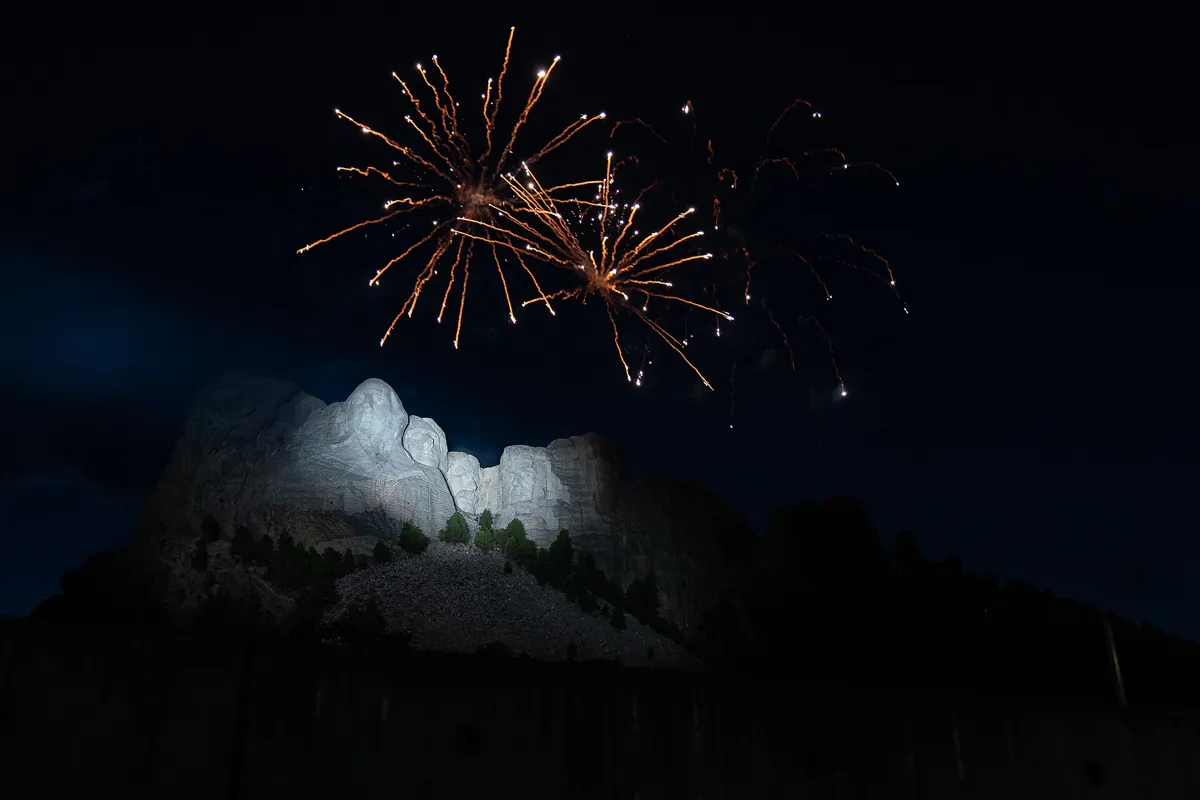
Like most Indiana county fairs, the Pulaski County Fair traces its origins to the agricultural society movement of the 1800s, when farmers organized exhibitions to compare crops, livestock, and machinery. Those early gatherings were part classroom and part social occasion, and the formula proved durable enough to survive wars, depressions, and the slow mechanization of the family farm.
When 4-H clubs spread across rural Indiana in the early twentieth century, the county fair became their natural showcase. Suddenly the fair was not only about prize hogs and seed corn; it was about young people learning to keep records, speak in public, and finish what they started. That youth focus remains the spine of the modern event, even as the midway, grandstand shows, and food stands have grown around it.
Fairgrounds themselves are living things. Barns get rebuilt, grandstands get replaced, exhibit halls get repainted, and ride operators come and go with the season. What has stayed constant in Pulaski County is the rhythm: entries judged in the morning, ribbons handed out in the afternoon, livestock auctioned and families reunited in the evening, then the grounds swept clean for another year.
Inside the Fairgrounds: Food, Music, and Family Fun
A fair day here follows a loose pattern. Mornings belong to exhibitors and judges, afternoons to families with small children, and evenings to the grandstand crowd. You can move between all three without much effort, which is part of the charm of a fair this size.
Fair Food with a Pulaski County Accent
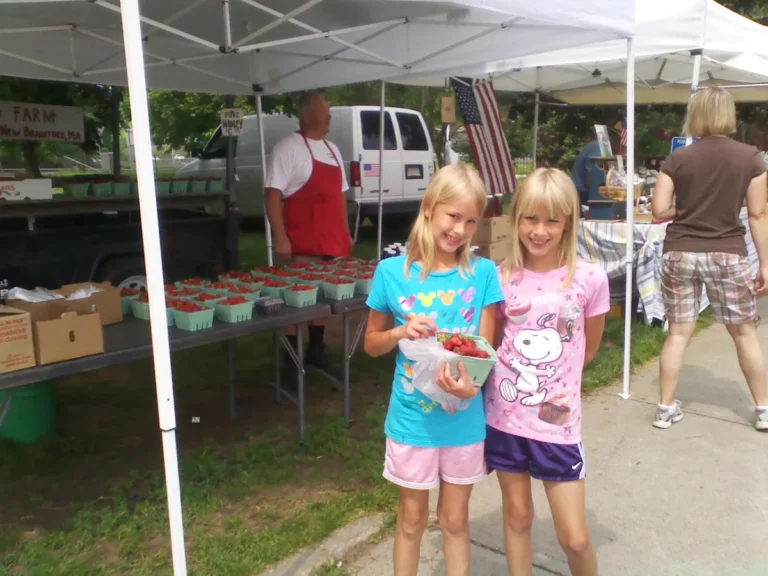
Food is the great equalizer at any county fair, and this one leans into the classics: breaded pork tenderloins, corn dogs, funnel cakes, elephant ears, lemon shake-ups, and pork burgers grilled by local groups. Church and 4-H stands often sell pie by the slice, and the smell of onions and fried dough hangs over the midway from mid-afternoon onward. Bring cash for the smaller booths, where card readers are not always part of the setup.
Music, Grandstand Events, and Evening Entertainment
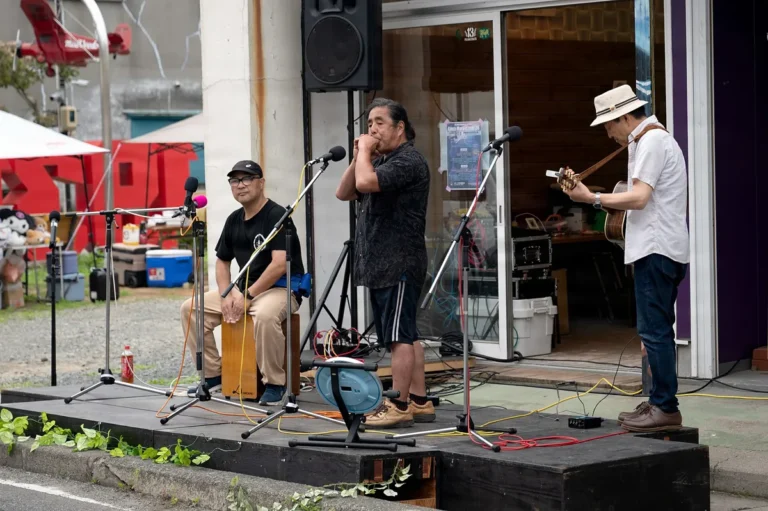
Evening is when the grandstand fills. County fair programming in this part of Indiana typically includes tractor pulls, demolition-style events, and other crowd-pleasers, often paired with live music from local and regional bands. Announcements echo across the grounds, kids drift toward the lights of the midway, and the barns quiet down as exhibitors finish their chores. Check the current year’s schedule, since grandstand lineups rotate and some events carry a separate ticket.
Family Activities for Kids and 4-H Families
For young children, the fair is a series of small adventures: riding the carousel, petting a calf, watching a rabbit judging class, and picking out a ribbon-winning tomato in the exhibit hall. Rides and midway games anchor the kid-friendly side, while the barns offer a free, genuinely educational hour. Parents of 4-H members will recognize the schedule instinctively — weigh-ins, showmanship classes, and the auction — and anyone curious about farming is welcome to watch and ask questions.
Planning a Fair Weekend in Pulaski County
Getting to Winamac and the Fairgrounds
Winamac sits at the center of Pulaski County, reached by the state and U.S. highways that converge on the county seat. From there, fairgrounds are a short drive, with signage typically posted during fair week. If you are coming from outside the county, plan on a rural drive past corn and soybean fields — it is a pleasant one, and the last few miles make the arrival feel like an event in itself.
Where to Stay in and Around Pulaski County
Lodging inside Pulaski County is limited, so many visitors book rooms in larger nearby towns such as Logansport, Rochester, or Plymouth and drive in for the day. Campers and RV owners often prefer to stay within easy reach of the grounds and make the fair part of a longer summer trip. Book early during fair weekends, when regional demand for rooms picks up.
Parking and Getting Around the Grounds
Fairground parking is usually on grass or gravel, with volunteers directing traffic. Arrive before the evening grandstand event if you want a spot close to the gate, and consider carpooling with neighbors — it eases congestion and makes the walk back to the car more sociable. Once inside, the grounds are walkable; wear shoes you do not mind getting dusty.
Admission, Ride Wristbands, and Everyday Costs
Gate admission at county fairs in this region is generally free, with money spent instead on food, rides, games, and grandstand events. Ride wristband promotions and family nights are common ways to stretch a budget, and concession prices are usually reasonable compared with larger urban fairs. Bring small bills, set a spending limit for the kids, and treat the auction and exhibit halls as free entertainment.
Fair-Weather Planning in Northern Indiana
Late summer in north-central Indiana means heat, humidity, and the occasional fast-moving thunderstorm. Sunscreen, a refillable water bottle, and a light rain jacket cover most scenarios. If storms roll through, barns and exhibit halls offer shelter, and fair boards typically adjust the schedule as needed. Cooler evenings are common, so a hoodie in the car is never wasted.
A Sample Saturday and Sunday at the Pulaski County Fair
Saturday morning: Arrive mid-morning and head straight for the barns, when exhibitors are still grooming animals and the day is at its coolest. Watch a showmanship class, then walk the exhibit hall to see photography, baking, and garden entries.
Saturday afternoon: Lunch from the concession row — a tenderloin, an order of fries, and a lemon shake-up — then let the kids loose on the midway. Pick up a schedule at the gate so you know when the livestock auction and grandstand events begin.
Saturday evening: Claim grandstand seats early, eat dinner from a different stand than you did at lunch, and stay for the music and the lights of the midway after dark. This is the fair at its most photogenic.
Sunday: Return for a slower day. Visit the animals one last time, buy something from a community booth, and let the kids finish whatever ride they have been talking about since Saturday. Leave before the evening crowd and you will beat the traffic out of the parking area.
How the Pulaski County Fair Compares to Nearby County Fairs
Fairgoers in this part of Indiana have plenty of options within an hour’s drive, including county fairs in neighboring Fulton, Jasper, and Starke counties, with Rochester, Rensselaer, and Knox serving as their respective hubs. Larger fairs tend to offer bigger grandstand names, more midway rides, and heavier crowds.
The Pulaski County Fair trades that scale for something else: shorter lines, easier parking, and a stronger sense that you are among people who know one another. Visitors who want a full-throttle carnival experience may prefer a bigger county’s event. Visitors who want to talk with a 4-H parent about a project pig, or eat pie at a stand run by a church group, will find this fair suits them better.
Packing and Prep for a Pulaski County Fair Weekend
Keep the list simple: cash in small bills, sunscreen, hats, refillable water bottles, bug spray for the evening hours, and closed-toe shoes for the barns. A light jacket handles the temperature drop after sunset, and a tote bag is useful for exhibit-hall purchases and fair food.
Before you leave home, check the current year’s fair schedule for grandstand times and any ticketed events, charge your phone for photos and meetups, and agree on a reunion spot in case your group splits between the midway and the barns. If you have relatives in the county, call ahead — fair week is when everyone is easiest to find.
Beyond the Fairgrounds: Pulaski County and the Tippecanoe River Valley
The fair is a good excuse to see more of the county. The Tippecanoe River winds through the Pulaski County area, giving the landscape a softer edge than the surrounding flat farmland, and the countryside between Winamac and the county’s smaller communities rewards a slow drive. Downtown Winamac, as the county seat, is where you will find the courthouse square, local shops, and a few places to eat.
Families often stretch fair weekend into a fuller trip: a morning at the river, an afternoon at the fair, and a Sunday drive on county roads. In a county of 12,514 people, that pace is the point.
Why the Pulaski County Fair Still Matters in Winamac
For a county this size, the fair is more than entertainment. It is a fundraiser for churches, clubs, and scholarships, a showcase for young people learning responsibility, and one of the few occasions when the entire county gathers in one place. Volunteers who spend months organizing it are the same people who coach Little League and serve on township boards.
The fair also carries memory. Parents who once showed livestock now watch their children do the same, and grandparents who remember older grandstands now sit in newer ones. That continuity is what keeps a small county fair alive when bigger attractions are an hour away.
Where the Pulaski County Fair Takes Place
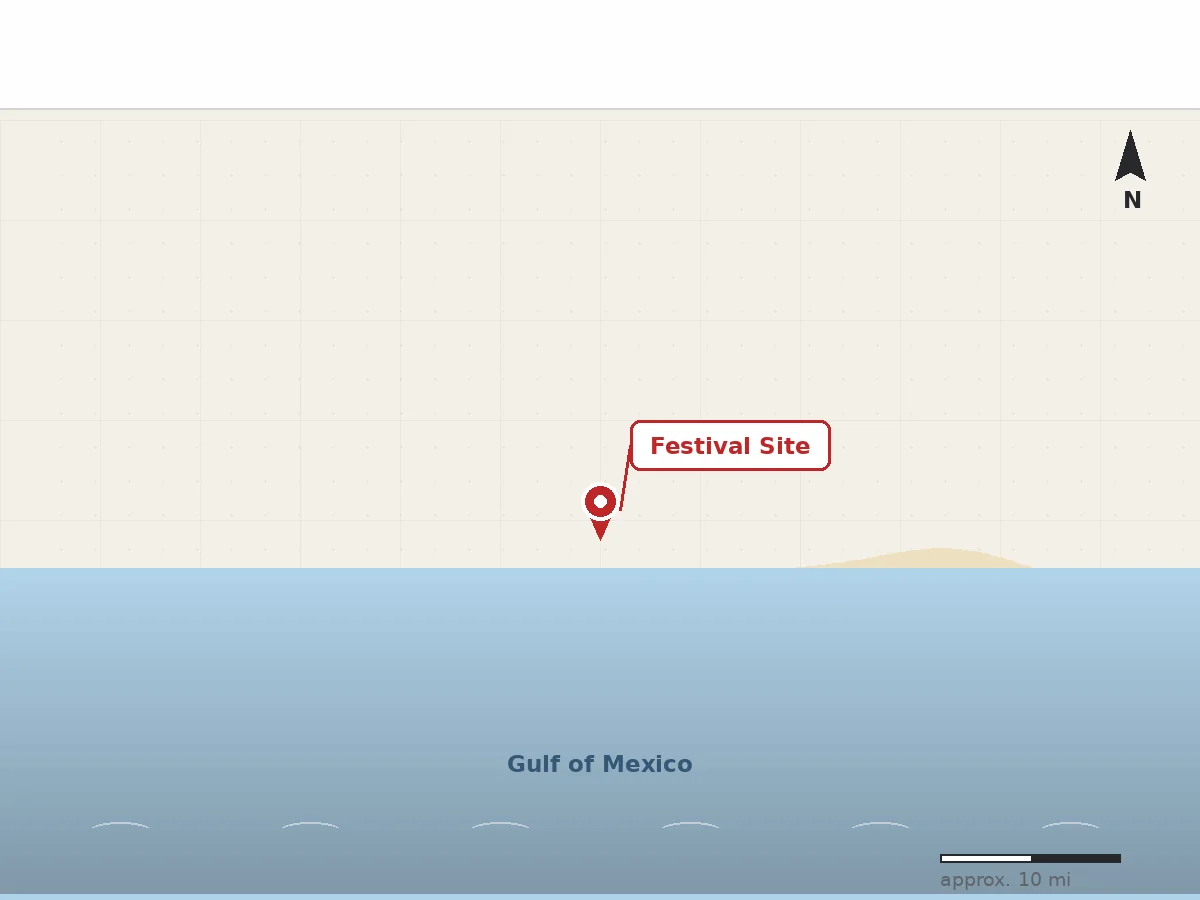
The Pulaski County Fair is held at the county fairgrounds in the Pulaski County area of north-central Indiana, with Winamac — the county seat — serving as the main reference point for visitors driving in.
Pulaski County Fair Questions from First-Time Visitors
When is the Pulaski County Fair usually held?
It is a summer event, typically scheduled across a weekend in July or August, following the traditional county fair calendar in Indiana. Because the dates shift from year to year, check the current season’s schedule before planning your trip.
How much does it cost to attend?
Gate admission at fairs of this kind is generally free, with spending concentrated on food, rides, games, and certain grandstand events. Budget for concessions and ride wristbands, and keep cash handy for smaller booths.
Is the fair a good outing for young children?
Yes. Kiddie rides, midway games, animal barns, and exhibit halls fill an afternoon easily, and the grounds are compact enough that walking does not wear out small legs. Strollers handle most paths, though grass and gravel areas can be bumpy after rain.
What happens if it rains during fair week?
Summer storms in northern Indiana tend to move through quickly. Barns, exhibit halls, and concession buildings provide cover, and organizers adjust the schedule when weather demands it. Bring a light rain jacket and plan around the radar rather than canceling your visit.
Looking Ahead to Future Pulaski County Fairs
County fairs survive by adapting. Across Indiana, fair boards are balancing traditional livestock shows with new attractions, updating facilities, and finding ways to keep younger volunteers involved. The Pulaski County Fair faces the same questions: how to honor the agricultural roots that built it while giving first-time visitors a reason to come back the next summer.
The likely answer looks a lot like the present — a fair that remains free to enter, rooted in 4-H and community groups, and small enough that a first-time visitor can walk the whole grounds in an afternoon and still leave feeling like a regular.
Last updated: October 2026
For anyone who calls Pulaski County home, the fair is a fixed point in the summer calendar — a few days when the barns smell like sawdust and livestock, the midway glows after dark, and half the county ends up standing in the same food line. Come for the rides, stay for the showmanship classes, and leave understanding why a county of 12,514 people keeps showing up year after year.