Perry County Indiana 4-H Fair Festival
Tell City sits on a long bend of the Ohio River, and as the county seat of Perry County it sets the rhythm for the towns around it — Cannelton upriver, Troy and Leopold back in the hills, Derby stretching toward the national forest. Perry County was founded on November 1, 1814, and today covers 386.29 square miles of southwestern Indiana, home to roughly 19,170 people. That population is spread thin enough that a county fair still works as a genuine reunion, and the biggest one of the year is the 4-H Fair.
By the time mid-summer arrives, the fairground becomes the county’s shared living room. Barns fill with animals, exhibit halls fill with projects, and families who have not crossed paths since the last fair do exactly that. The Perry County Indiana 4-H Fair is not a spectacle staged for outsiders; it is a working county fair that happens to welcome anyone who shows up.
Perry County 4-H Fair: A Snapshot from the Ohio River Hills
| Festival | Perry County Indiana 4-H Fair |
| Town / area | The Perry County area, anchored by the county seat |
| County | Perry County, Indiana |
| County seat | Tell City |
| Population | 19,170 |
| Region | Southwestern Indiana |
| Typical timing | A stretch of days in mid-summer, most often July |
| Admission | Typically free to the fairgrounds |
| Setting | A county fairground with livestock barns, an exhibit hall, a show ring and a midway |
| Run by | The Perry County 4-H program and its volunteer leaders |
What the Perry County 4-H Fair Actually Is
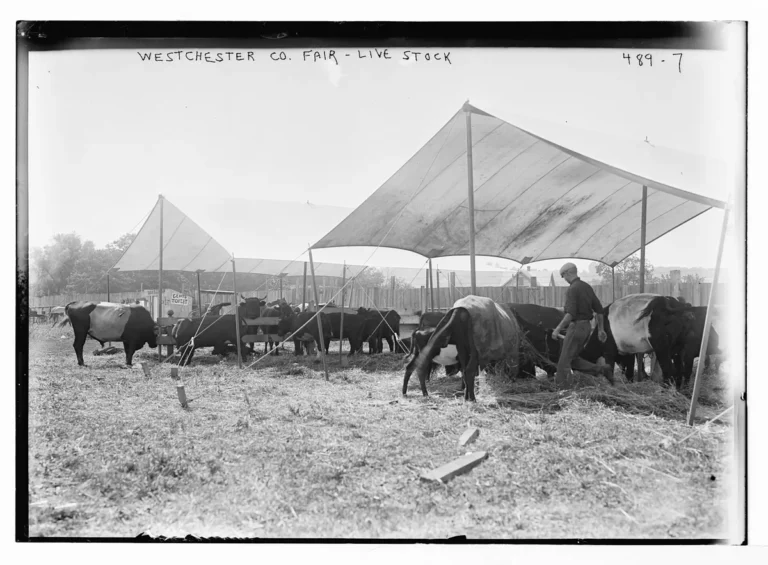
The fair is the county’s annual showcase for young people who spend the year raising animals and finishing projects. Members of Perry County 4-H clubs bring market hogs, beef cattle, sheep, goats, poultry and rabbits, alongside static exhibits in photography, sewing, baking, woodworking, gardening and small engines. Every entry is judged, ribboned and displayed, and the exhibit hall becomes a walk-through record of what local kids learned since last summer.
It is also a community event in the older sense. Open-class entries let adults compete beside the youngest exhibitors, the livestock auction turns months of feeding and grooming into real money for teenagers, and the midway and grandstand pull in people with no connection to 4-H at all. Admission to the grounds is typically free, with spending concentrated on food, rides and games rather than a gate fee.

How Fair Week Became a Perry County Habit
County fairs in Indiana predate 4-H by decades. Nineteenth-century agricultural societies organized exhibitions where farmers compared seed corn, draft horses, butter and fruit, and where neighbors judged one another’s work in public. Perry County, founded in 1814 and shaped by river trade and hill farming, fit that pattern comfortably — its economy rested on what could be grown on ridges and bottomland and moved by boat.
For another look at how a community turns its own traditions into a gathering, see the Parke County Indiana Covered Bridge Festival for a useful comparison.
4-H arrived in the early twentieth century as a way to bring practical agriculture and home economics to young people. Over the following decades, club work merged into the county fair schedule, and the fair gradually became a youth-centered event with a carnival attached. The basic shape of fair week has barely changed since: entry day, judging, a few evenings of grandstand entertainment, and an auction near the end.
What has changed is the audience. A county of about 19,170 people is small enough that the fair stays a county-wide gathering rather than a regional attraction, and that intimacy is the point. The families who exhibit are often the grandchildren of exhibitors, and the volunteer base that keeps the whole thing running comes from those same families.
Inside Fair Week: What a Day at the Fairgrounds Looks Like
A day at the fair moves in phases: quiet mornings in the barns, busy afternoons in the exhibit hall and show ring, and evenings when the midway lights come on and the grandstand fills.
Fair Food Along the Midway
Food is where a county fair earns its reputation. Expect the standard southwestern Indiana lineup — breaded pork tenderloins, corn dogs, elephant ears, funnel cakes, lemon shake-ups, nachos and ice cream — sold from trailers and club-run stands. Several booths are staffed by local 4-H clubs and community groups, which means the money often circulates straight back into the county.
Grandstand Nights and Local Entertainment
Evenings bring the loudest hours. Grandstand programming at county fairs in this part of Indiana tends toward tractor pulls, demolition derbies, motocross and live music, with a fair queen or royalty recognition folded into the schedule. Small stages and barn-side performances fill the gaps, and much of the talent is local — church groups, school bands and regional cover acts rather than national names.
4-H Projects, Livestock Shows and Things for Kids
For families, the draw is the show ring and the barns. Kids can watch hogs being washed, goats being clipped and rabbits being judged, then wander the exhibit hall to see photography, baking and craft entries. Carnival rides, games and a petting area round out the afternoon. It is a low-pressure way to introduce children to farm animals and to the idea that the person showing a calf might be their own age.
Planning Your Trip to the Perry County Fairgrounds
Getting to Perry County from Anywhere in the Region
Perry County sits in southwestern Indiana along the Ohio River, reached most easily by car. Tell City is the county seat and the natural reference point for the drive, with Cannelton, Troy and Leopold all within a short run of it. If you are coming from a larger city, plan on a rural highway drive with the last stretch on two-lane roads — scenic, but not fast.
Where to Stay Around Tell City and Cannelton
Lodging in the county is limited, and fair week is one of the busiest stretches of the summer. Tell City has the largest concentration of motels and rental options; smaller communities nearby offer a handful of inns and campgrounds. Book early if you are staying overnight, or treat the fair as a day trip from a larger base and drive in for the evening.
Parking at the Fairgrounds
Parking at county fairgrounds in this region is generally on-site and on grass, with volunteers directing traffic during peak evening hours. Arrive before the grandstand event starts if you want a spot close to the gate, and expect a short walk from the outer rows. Wear shoes you do not mind getting dusty.
Admission, Wristbands and What You’ll Actually Spend
Admission to the fairgrounds is typically free, which keeps the event accessible for local families. The real costs are food, carnival rides and games, and any grandstand ticket that requires one. Ride wristbands or bundles are common at fairs of this size, so check what is offered at the gate rather than budgeting for individual tickets.
Mid-Summer Weather in Southwestern Indiana
Expect heat and humidity, with afternoon thunderstorms a real possibility through mid-summer. Mornings and evenings are the comfortable hours. Bring water, sunscreen and a hat, and keep a light rain jacket in the car — a passing storm rarely cancels a fair evening, but it can soak one.
A Sample Fair Weekend in Perry County
Start Saturday morning in the barns, when exhibitors are washing and clipping animals and the grounds are still quiet. Move to the exhibit hall mid-morning to see the static projects before the crowds arrive, then grab lunch from a club-run food stand. The afternoon belongs to the show ring and the midway, with younger kids burning energy on rides while older ones watch livestock judging.
Stay for the evening. Dinner from a second food stand, a seat at the grandstand for whatever is running that night, and a final walk past the lighted midway. If you have a second day, come back Sunday for the auction and the closing events — the mood is different, more reflective, and it is the part of fair week that local families take most seriously.
How the Perry County Fair Stacks Up Nearby
Tell City’s own Schweizer Fest celebrates the town’s Swiss heritage with a street festival feel, food vendors and music — a civic celebration rather than an agricultural one. The Perry County 4-H Fair is the opposite: barns, ribbons and livestock, with the midway as a bonus. Visitors who like one often enjoy the other precisely because they are so different.
Compare it, too, with neighboring county fairs in this corner of Indiana. Fairs in counties with larger population centers tend to run longer and book bigger grandstand acts; Perry County’s version stays smaller, cheaper and easier to navigate in an afternoon. Farther east, the Santa Claus area trades on holiday-themed attractions, an entirely different kind of summer draw.
A Short Checklist Before You Drive to Perry County
Confirm the week before you go, since fair dates shift year to year. Bring cash for food stands and games, plus a card as backup. Pack water, sunscreen, hats and closed-toe shoes. Charge your phone, but expect spotty signal in crowded areas. If you are meeting family, pick a landmark — the exhibit hall door or the main gate — because the grounds get busy after dark.
Beyond the Fairground: Perry County’s Ohio River Corner
The fair is a good excuse to see the rest of the county. Tell City’s riverfront and downtown reward a slow walk, Cannelton’s historic mill district speaks to the county’s industrial past, and the Hoosier National Forest spreads across the eastern side of Perry County with trails, bluffs and overlooks above the Ohio. Local wineries and farm stands dot the back roads between the towns.
Pair a fair afternoon with a morning drive along the river, or with a stop in one of the small communities that sent exhibitors to the fairground. In a county of 386.29 square miles, nothing is more than a short drive from anything else.
Why Fair Week Still Anchors Perry County
In a county with about 19,170 residents, institutions that bring everyone to the same place at the same time are rare. The 4-H Fair is one of them. It is where a teenager learns to speak to an adult judge about a project, where a first-year exhibitor learns to lose gracefully, and where the auction turns a summer of chores into a college fund.
It is also an economic and social anchor for the towns around it — food stands, vendors, volunteer groups and local businesses all count on fair week. More than that, it is a continuity: the county’s farming identity, its youth programs and its civic habits all pass through the same fairground once a year.
Locating the Perry County Fairgrounds
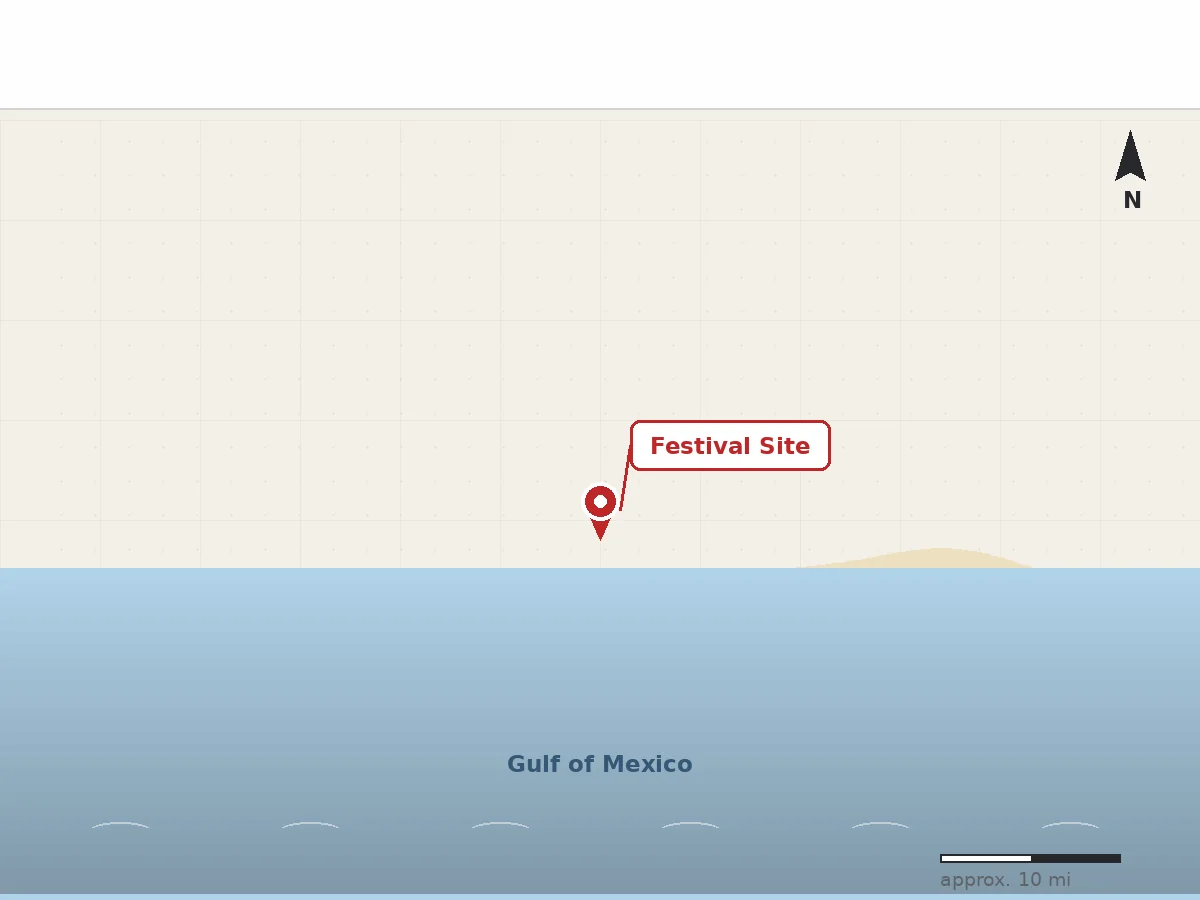
The Perry County Indiana 4-H Fair takes place at the county fairgrounds in Perry County, southwestern Indiana, within a short drive of Tell City, the county seat.
Answering a Few Perry County Fair Questions
When does the Perry County 4-H Fair usually take place?
It is a mid-summer event, most often held across several consecutive days in July, typically including a weekend. The exact window moves from year to year, so check locally before planning a trip around it.
Do visitors need to buy tickets in advance?
Generally no. Admission to the fairgrounds is typically free, and spending happens on site for food, rides, games and any grandstand events that require a ticket. That makes the fair easy to visit on impulse.
What should I bring to the fairgrounds?
Cash, water, sunscreen and comfortable closed-toe shoes cover most of it. Add a light layer for the evening, a rain jacket for passing storms, and a camera if you plan to spend time in the exhibit hall or around the show ring.
Is the fair worth visiting if I am not connected to 4-H?
Yes. The food, the midway, the grandstand and the animals stand on their own, and the small scale means you can see the whole fairground in an afternoon without fighting a crowd. It is a genuine look at how this corner of Indiana spends its summer.
The Next Chapter for the Perry County 4-H Fair
County fairs everywhere are balancing tradition against change — rising costs, thinner volunteer ranks and younger families with less free time. Perry County’s fair faces the same pressures, and its response has been consistent with its history: keep the agricultural core intact, keep admission low, and let the midway and grandstand carry the entertainment load.
What seems likely to endure is the structure itself. As long as Perry County has 4-H members raising animals and finishing projects, there will be a week in mid-summer when the fairground fills up and the county shows up to watch. That continuity is the fair’s real asset, and it is not easily replaced.
Last updated: October 2026
For anyone passing through southwestern Indiana in mid-summer, the Perry County 4-H Fair offers something increasingly hard to find: a county fair that is still, unmistakably, for the county. Come for the tenderloin and the tractor pull, stay for the auction, and you will leave understanding a place that has been holding this week since long before anyone thought to call it an attraction.

One Comment