Iowa County Iowa Iowa County Fair Festival
The Iowa County Iowa Iowa County Fair Festival is the kind of summer event that rewards people who have been before. You know to arrive early for the livestock barns, to keep cash handy for food stands, and to leave room for one more lap through the exhibits before the evening grandstand program begins. It is a county fair in the truest sense: rooted in Iowa County, Iowa, anchored by the county seat of Marengo, and shaped by the rhythms of rural life across 587.492 square miles.
Iowa County Fair Quick Facts for a Summer Return
| Town / place | Iowa County area; county seat is Marengo |
| County | Iowa County, Iowa |
| Population | 16,662 (2020 census) |
| Founded / land area | Created February 17, 1843; organized July 1, 1845; 587.492 square miles |
| Region | Iowa County, Iowa |
| Typical timing | Summer, during Iowa’s county fair season |
| Admission | Generally free; some activities may have separate costs |
| Setting | Rural fairgrounds in the Iowa County area |
| Features | Livestock shows, 4-H/FFA exhibits, food stands, grandstand events |
| Organizer | Local fair board and community volunteers |
What the Iowa County Fair Is Really Like
The fair is a countywide gathering rather than a single-town event. Marengo serves as the county seat, and the fair draws families, farm kids, alumni, neighbors, and day-trippers from across Iowa County. Because the county’s population was 16,662 at the 2020 census, the fair feels personal. You are likely to see the same exhibitors in the barns in the morning and the same volunteers flipping burgers by evening.
Returning visitors often describe the Iowa County Fair as a place where the schedule matters less than the ritual. The day starts with animals being washed, fed, and walked. By midday, project displays and food stands are busy. In the evening, the grandstand and midway areas take over. It is not a sprawling state fair, and that is part of its appeal: you can park once, walk the grounds, and still feel like you have seen the whole thing without rushing.
For anyone who grew up around county fairs, the sensory details arrive first: sawdust, livestock feed, fried food, diesel from the tractor pull, and the hum of conversation under a metal building. For newcomers, the fair is an easy introduction to Iowa County’s agricultural and community life. The county was created on February 17, 1843, and organized on July 1, 1845, so the fair sits within a long local tradition of marking the summer season together.

From 1843 County Roots to a Summer Fair Tradition
Iowa County’s official story begins in the 1840s. The county was created on February 17, 1843, and organized on July 1, 1845. Marengo became the county seat, and the surrounding townships developed around farming, small-town business, and civic life. County fairs grew from that same impulse: a time to compare crops, show livestock, share skills, and gather after the work of the season.
For another look at how a community turns its own traditions into a gathering, see the Ida County Iowa Ida County Fair Festival for a useful comparison.
The Iowa County Fair does not need a single origin date to make sense. Its history is written in the continuity of the institution itself. Generations of 4-H and FFA members have walked animals into the same sorts of barns. Local businesses have sponsored classes, ribbons, and grandstand acts. Volunteers have sold tickets, parked cars, judged exhibits, and cleaned up after the last event. The fair has changed with the times, but its purpose remains close to the county’s roots.
In a county of 587.492 square miles, the fair also serves as a meeting point. People who live miles apart on gravel roads run into each other under the fairground lights. Former classmates catch up. Grandparents watch grandchildren show a calf or display a photograph. That social function is as important as any single attraction, and it is why returning visitors treat the fair as a fixed point in summer.
What Returning Fairgoers Notice at the Iowa County Fair
Fair Food That Tastes Like Summer in Iowa County
Food is one of the main reasons people come back. Expect the classic county fair lineup: pork producers’ sandwiches, corn dogs, funnel cakes, lemonade, soft-serve ice cream, pie, and coffee from volunteer-run stands. Some years bring specialty items or local church groups selling baked goods. The best strategy is to eat early, walk the barns, then return for something sweet before the evening program. Prices are usually reasonable, but individual vendors set their own costs, so bring small bills along with a card.
Grandstand Sounds and Local Entertainment
The grandstand is where the fair shifts into evening mode. Depending on the year, visitors might find tractor pulls, motocross, demolition derby-style events, live music, or other family entertainment. Local and regional performers often share the stage with youth performances and community groups. The exact lineup changes season to season, so returning visitors keep an eye on local fair announcements. What stays consistent is the atmosphere: bleachers filled with neighbors, kids running between seats, and the smell of popcorn mixing with night air.
Family Activities Beyond the Livestock Barns
The livestock barns are the heart of the fair, but they are not the only family draw. Children gravitate to the midway rides and games, the petting areas, and the youth project buildings. 4-H and FFA exhibits show everything from woodworking and photography to baking and horticulture. Older visitors often spend time reading every ribbon and comment card. For families, the fair works best when you alternate between active areas and quieter ones: barns in the morning, rides in the afternoon, grandstand in the evening.
Planning a Return Trip to the Iowa County Fair
Getting to the Iowa County Area
The fair takes place in the Iowa County area, with Marengo as the county seat and the main civic reference point. Most visitors arrive by car, following local roads into the fairgrounds. If you are coming from outside the county, plan your route around Marengo and watch for temporary fair traffic signs. Because this is a rural county, cell service can be spotty in places, so it helps to screenshot directions before you leave.
Where to Stay Around Marengo and Iowa County
Lodging in the immediate Iowa County area is limited, so many returning visitors treat the fair as a day trip or stay with friends and family nearby. Others base themselves in a surrounding community and drive in for the day. If you need a hotel, book early during fair season, since summer weekends fill up across the region. Camping may be available through local arrangements in some years, but it is best to confirm details before relying on it.
Parking Around the Fairgrounds
Parking is usually part of the fair experience, with volunteers directing cars into grass lots or designated areas. Arrive early for the best spots, especially on the busiest evenings. If you have mobility concerns, ask about accessible parking when you arrive. Tailgating is generally not the focus here; people come to walk the grounds, visit the barns, and find a seat at the grandstand. Keep an eye on children in the parking areas, where traffic can be steady.
Admission, Tickets, and Fair Spending
Admission is generally free, though some activities, rides, food, and grandstand events may have separate costs. That means your budget depends on how much you eat, ride, and buy from vendors. Bring cash for smaller stands and a card for larger purchases. If you are traveling with a family, set a loose spending plan before you go. The fair is affordable compared with many larger events, but the midway can add up quickly.
Iowa Summer Weather and What to Pack
Iowa summer weather can be hot, humid, and changeable. Afternoon thunderstorms are possible, and fairgrounds often have limited shade. Pack sunscreen, a hat, refillable water bottles, and comfortable shoes. A light rain jacket or poncho is smart if you plan to stay through the evening. Bug spray can help after sunset. If you are showing livestock, bring extra clothes and supplies for the barns, because the day can be long and messy.
A Sample Fair Weekend for Returning Visitors
Start Friday evening with a walk-through. Arrive before the dinner rush, check the barns, and scope out the food stands. Watch the grandstand program if something catches your eye, then leave before the parking lot gets crowded. Saturday morning is the best time for livestock shows and youth exhibits. The animals are fresh, the barns are active, and the fairgrounds feel quieter than they will later.
On Saturday afternoon, take a break from the sun. Visit the project buildings, grab lemonade, and let kids try a few rides. Returning visitors often use this window to catch up with people they know. Saturday evening is for the grandstand, fair food, and one last loop through the midway. Sunday is slower and more relaxed, ideal for returning to favorite exhibits, watching final shows, and saying hello to exhibitors before the fair wraps up.
How the Iowa County Fair Compares Nearby
Compared with a large urban festival, the Iowa County Fair is smaller, more agricultural, and more rooted in local routine. Compared with a neighboring county fair, it shares the same summer rhythms—livestock, 4-H, grandstand, and fair food—but it carries the distinct identity of Iowa County and its county seat, Marengo. Compared with a weekend in one of Iowa’s larger cities, it offers a slower, county-scale experience where you can park once and walk everywhere.
That scale is the advantage. You do not need a full day just to navigate the grounds. You can see the barns, eat lunch, watch a show, and still have time to drive through the Iowa County countryside. For returning visitors, the comparison is not about which fair is bigger. It is about which fair feels like yours.
A Returning Visitor’s Iowa County Fair Checklist
Check the local fair schedule before you go, since dates and grandstand events can vary from year to year. Bring cash for food stands and small vendors. Wear closed-toe shoes for the barns and gravel areas. Pack water, sunscreen, and a hat. Charge your phone, but expect to use it less than you think. If you are meeting people, choose a clear landmark near the barns or grandstand.
Plan for weather: heat, humidity, rain, and wind can all show up in the same weekend. Keep a light jacket in the car. If you have young children, bring a stroller or wagon and set a meeting spot in case you split up. Finally, leave room in your day for spontaneity. The best county fair moments often happen between the scheduled events—a conversation in the bleachers, a child meeting a calf, or an unexpected slice of pie.
Beyond the Fairgrounds: Iowa County Between Events
Iowa County covers 587.492 square miles, and the fair is only one way to experience it. Marengo, the county seat, is the natural starting point for a wider look at the area. Around the county, you will find farmland, small communities, local businesses, and the kind of quiet roads that make a summer drive feel unhurried. If you have traveled to the fair from out of town, add an extra hour to your trip and explore the countryside.
The county’s population was 16,662 at the 2020 census, which means the fair is not lost in a crowd. It is a community event in a place where people still know the value of showing up. Between fair seasons, the same networks that make the fair work—volunteers, families, farms, schools, and local organizations—keep Iowa County connected.
The Fair’s Role in Iowa County’s Summer Rhythm
County fairs matter because they turn a county into a neighborhood for a few days. The Iowa County Fair gives young exhibitors a stage, gives local businesses a gathering, and gives families a reason to mark the calendar. It also preserves skills and traditions that might otherwise fade: animal husbandry, baking, woodworking, gardening, and public speaking. These are not just competitions. They are lessons passed from one generation to the next.
For Marengo and the surrounding communities, the fair is a civic handshake. It is where the county’s agricultural identity meets its social life. It is where old residents and new residents cross paths. It is where the year’s work gets displayed, judged, celebrated, and then talked about over a pork sandwich. That is why returning visitors do not simply attend the fair. They plan around it.
Where the Iowa County Fair Fits on the Map
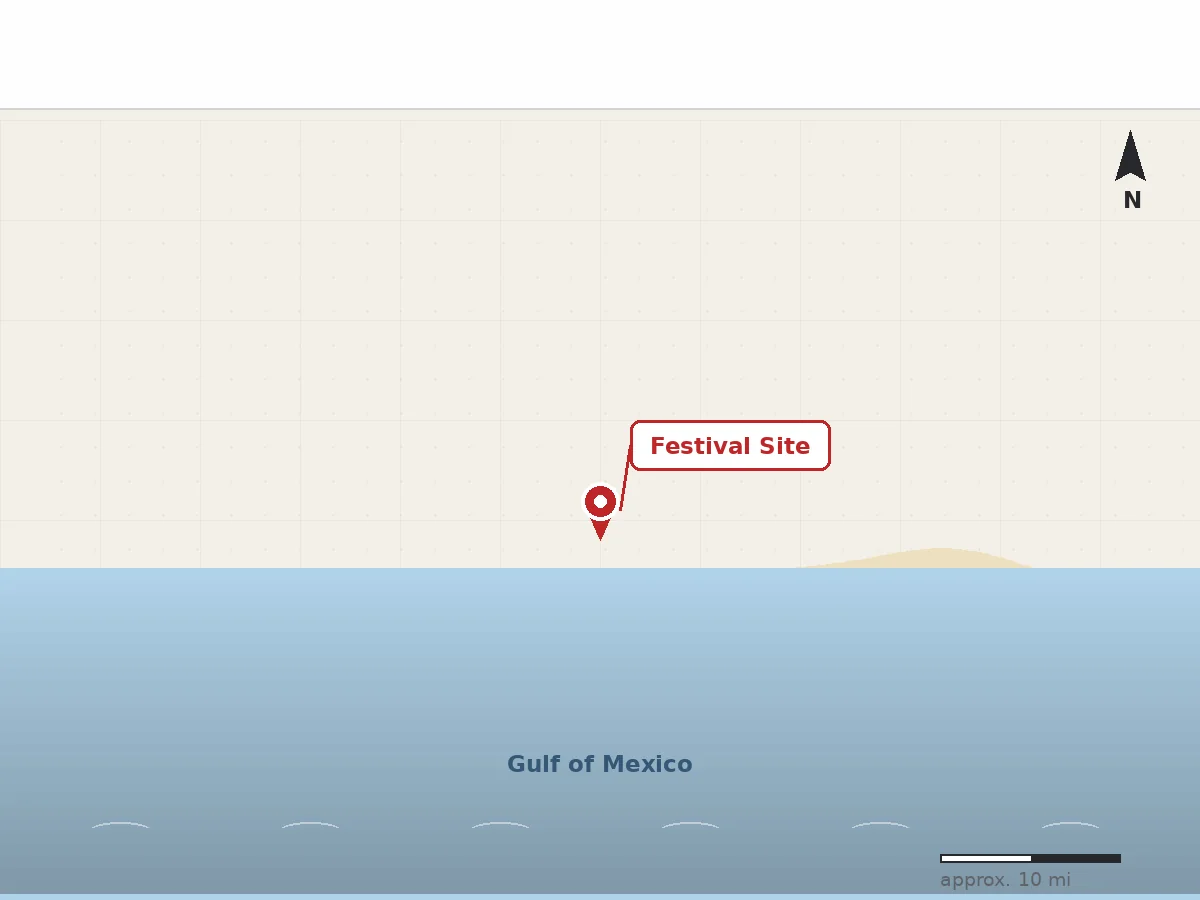
The Iowa County Fair is held in the Iowa County area of Iowa, with Marengo serving as the county seat and central reference point for visitors.
Iowa County Fair Questions From Repeat Visitors
When is the Iowa County Fair usually held?
It is typically a summer event, falling during Iowa’s county fair season. Exact dates can shift from year to year, so returning visitors watch local announcements rather than relying on a fixed calendar. Most people plan around a weekend in summer and keep the rest of the schedule flexible.
Is admission free at the Iowa County Fair?
Admission is generally free, though some individual activities, rides, food, and grandstand events may have separate costs. Bring small bills for vendors and a card as backup. If you are budgeting for a family, decide in advance how much you want to spend on rides and treats.
What should first-time visitors not miss?
The livestock barns, 4-H and FFA exhibits, fair food, and grandstand entertainment are the traditional anchors. Returning visitors often start in the barns before the midway gets busy, then work their way toward the food stands and project buildings. Leave time to sit and watch people—it is part of the experience.
Where is the fair held?
It takes place in the Iowa County area, with Marengo as the county seat and main civic anchor. Local signs and fairgrounds directions guide visitors once they are in the area. If you are coming from out of town, route yourself toward Marengo and follow fair traffic from there.
What the Next Iowa County Fair Seasons Could Look Like
County fairs across Iowa continue to balance tradition with changing audiences. The Iowa County Fair’s future will likely depend on volunteer energy, youth participation, local sponsorship, and the willingness of families to keep showing up. Some things may modernize: online schedules, card readers, social media updates, and new grandstand acts. Other things should remain recognizable: barns, ribbons, fair food, and neighbors talking under the lights.
For returning visitors, the best approach is to stay flexible. Watch for local announcements, support the stands and exhibits you enjoy, and bring someone who has never been. The fair has survived because each generation finds its own reason to return. As long as Iowa County’s families, farms, and communities keep investing in it, the fair will keep its place in the summer rhythm.
Last updated: October 2026
The Iowa County Fair remains a summer tradition worth planning around, not because it tries to be everything, but because it knows exactly what it is: a county gathering in the heart of Iowa County, with Marengo as its county seat and a community that still believes in the value of showing up.