Grant County Indiana Grant County Fair Festival
Fair food keeps its own calendar in east-central Indiana. When the Grant County Fair settles into its grounds, the smell of frying dough, grilled onions, and kettle corn drifts across a county founded in 1831. Grant County covers 414.90 square miles and counts 66,674 residents, with Marion serving as the county seat and the main crossroads for anyone heading in for a night of rides, livestock barns, and paper cones of fries.
This guide is built for eaters first: what gets fried, what gets judged, and how to shape a weekend around the food without missing the grandstand, the exhibit halls, or the family tents. Come hungry, bring a little cash for the stands, and give yourself more time than you think you need.
Grant County Fair Essentials: Marion, Indiana and the Numbers Behind Fair Week
The fair draws on the whole county rather than a single town, so it helps to know the geography before you plan a visit.
| Town / area | Grant County area, centered on Marion |
| County | Grant County, Indiana |
| County seat | Marion |
| Population | 66,674 |
| Region | East-central Indiana |
| Typical timing | Summer, most often during a stretch of July or early August |
| Admission | Typically free to enter; food, rides, and games priced separately |
| Setting | Traditional outdoor fairgrounds with exhibit halls and open show areas |
| Features | Livestock and agricultural exhibits, carnival rides, fair food, grandstand entertainment |
| Organizer | Local agricultural and community organizations across Grant County |
What the Grant County Fair Is, and Why It Fits Grant County
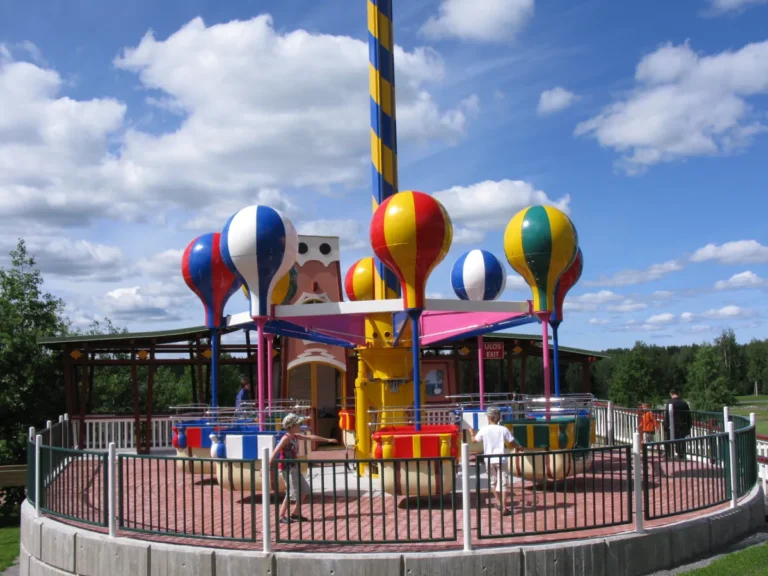
The Grant County Fair is a traditional county fair in the fullest sense: an annual gathering of farmers, families, vendors, and teenagers on summer break, spread across a fairground built for walking. Livestock and agricultural exhibits share space with carnival rides, midway games, concession trailers, and a grandstand that fills after sunset. Because Grant County is largely rural — 414.90 square miles of farmland, small towns, and working corridors — the fair works as a county-wide reunion as much as a carnival.
Marion, the county seat, sits near the center of that map, and the population of 66,674 spreads across communities that otherwise rarely share a single event. That is the fair’s real function: one long weekend when everyone from across the county converges on the same patch of grass. Expect a mix of generations, from grandparents claiming seats early to kids sprinting toward the rides the moment the gate opens.
For another look at how a community turns its own traditions into a gathering, see the Gibson County Indiana Gibson County Fair Festival for a useful comparison.
How the Grant County Fair Grew Alongside Grant County Since 1831
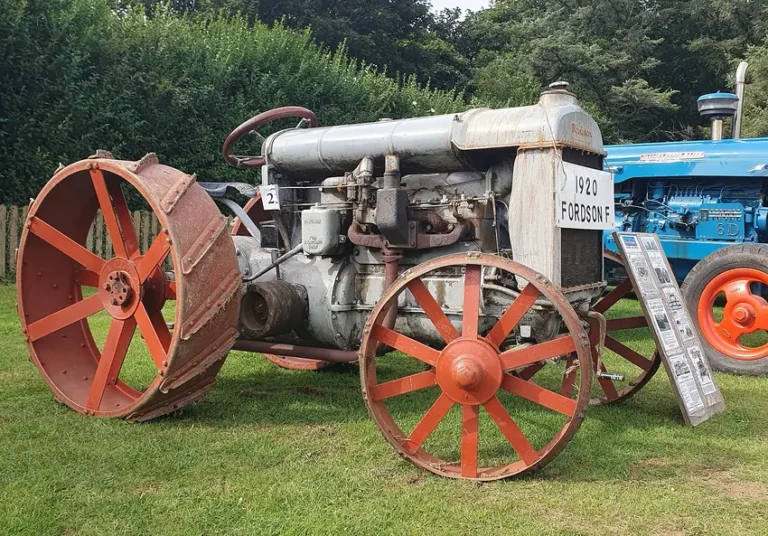
Grant County was organized in 1831, and its agricultural identity took hold almost immediately — this was corn, soybean, and livestock country long before anyone bothered to name it that. County fairs across Indiana grew out of the same impulse: a yearly showcase where farmers compared animals, equipment, and crops, and where neighbors turned work into a social occasion.
The Grant County Fair carries that lineage into the present. The judging rings, exhibit halls, and prize lists may look different from their nineteenth-century ancestors, but the structure is unchanged. A young exhibitor still walks an animal in front of a judge. A baker still waits for a ribbon on a pie. A family still buys a bucket of fries and calls it dinner.
Over the decades, an entertainment layer grew on top of the agricultural core — rides, music, midway attractions — but it never replaced it. That balance is why the fair still reads as genuinely local rather than as a traveling carnival that happens to be parked in Grant County for a week.
Tastes, Sounds, and Small Rituals at the Grant County Fairgrounds
A fair day here moves in phases: morning livestock, afternoon exhibits and rides, evening food and entertainment. The food is the thread running through all of it.
Fair Food Worth Building Your Day Around
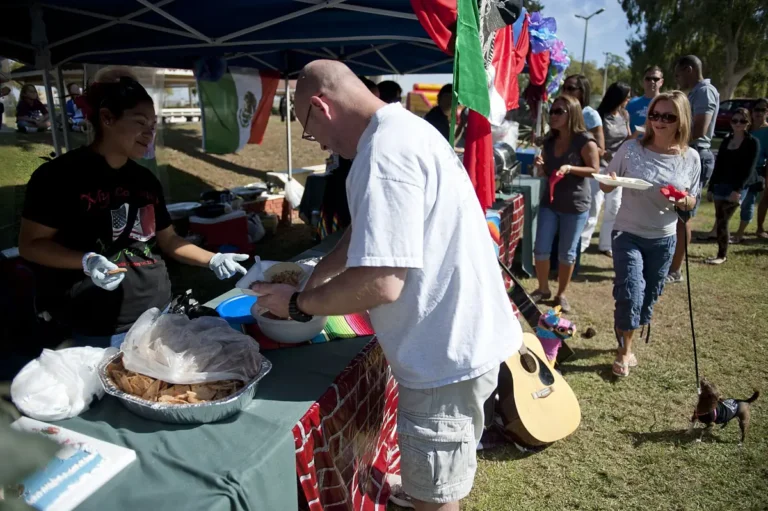
The concession row is where most visitors spend the most time and the most money. Expect the classics done properly: elephant ears dusted in cinnamon sugar, hand-dipped corn dogs, tenderloin sandwiches pounded wide enough to hang over the bun, fresh-cut fries in paper boats, lemon shake-ups, and soft-serve. Funnel cakes, kettle corn, and cotton candy cover the sweet side. Church and civic groups often run their own stands, which is where you find the pies, noodles, and hot sandwiches that taste like somebody’s actual kitchen. Strategy matters: eat the fried food early while lines are short, then circle back for dessert after dark when the midway lights come on.
Grandstand Music and Evening Entertainment
Evenings at the fairgrounds follow a familiar rhythm. The midway gets louder, the food row gets busier, and the grandstand draws a crowd for whatever is scheduled that night — a local band, a tribute act, a talent showcase, or a motorsport-style event. Seating fills quickly on the biggest nights, so claim a spot before you eat rather than after. Smaller stages and open areas around the grounds often host acoustic sets or a DJ, which makes a good fallback when the grandstand is packed.
Family Activities Beyond the Midway
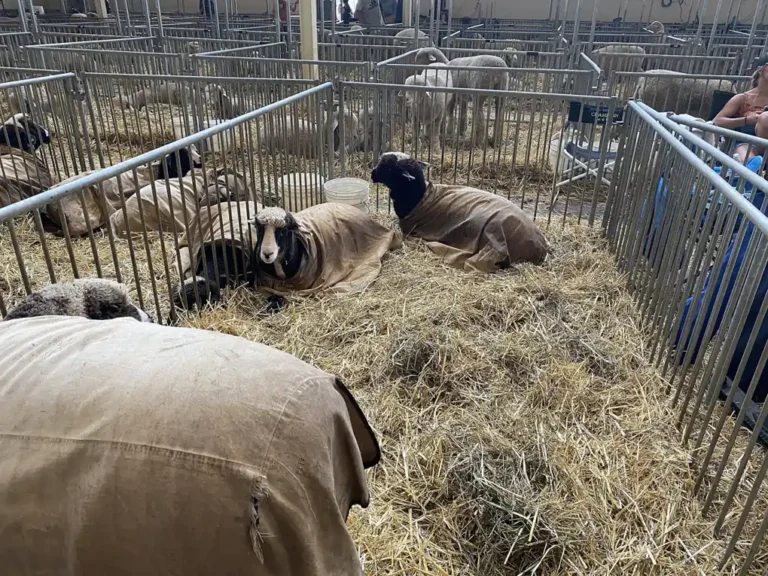
Beyond the rides, the grounds hold the slower stuff families often end up loving most: youth project displays, open-class entries in baking and canning, livestock barns where kids can get close to animals, and hands-on activities in the family areas. Stroller traffic is heaviest in the late afternoon, and the noise level drops noticeably in the barns — a useful break for anyone traveling with small children or grandparents.
Planning a Grant County Fair Visit from Marion or Out of Town
Most fair planning comes down to four things: when to arrive, where to park, what you will pay for, and what the weather is doing. Get those right and the rest of the day takes care of itself.
Getting to the Grant County Area
Grant County sits in east-central Indiana, and Marion is the county seat and the main hub. Most visitors arrive by car, using the state highways and county roads that converge on Marion, then following local signage toward the fairgrounds. Traffic thickens in the hour before evening entertainment, so an early afternoon arrival usually means an easier drive and a shorter walk from your parking spot.
Where to Stay Around Marion
Marion is the practical base for an overnight fair trip, with the widest choice of hotels and motels in the county. Smaller communities nearby offer quieter options, though inventory is limited and fair week fills rooms quickly. Book early if you plan to stay a full weekend, and treat the fair as an evening activity rather than something you drive two hours home from after the grandstand lets out.
Parking Near the Fairgrounds
Fairground parking is usually a mix of on-site lots and nearby grass fields, often staffed by local groups collecting a small fee. Arrive before the dinner rush for the closest spaces, note a landmark near your car, and expect a walk if you come late. Carpooling with neighbors is both a courtesy and a practical strategy on the busiest nights.
Admission, Tickets, and What You’ll Actually Spend
Entry to the fairgrounds is typically free, which makes the fair an easy outing for families on a budget. The money goes to food, rides, games, and grandstand events, so set a rough budget per person before you go. Ride wristbands or multi-ride deals, when they are offered, usually beat paying per ride. Bring some cash — many concession and game stands still prefer it, and on-site ATMs can run dry on peak nights.
Summer Weather and What to Wear
Fair season in Indiana means heat, humidity, and the occasional thunderstorm. Wear light clothing, broken-in shoes for gravel and grass, and a hat for the afternoon sun. Bring a light rain layer for evening storms and sunscreen for the daytime. If weather rolls in, the exhibit buildings and barns offer shelter, and rides generally pause until conditions clear.
A Sample Fair Weekend in the Grant County Area
Friday afternoon: arrive a couple of hours before dinner, park while lots are still open, and walk the livestock barns and exhibit halls before the crowds build. Grab an early tenderloin or corn dog, then claim a grandstand seat. Friday evening: ride the midway after dark, finish with a lemon shake-up, and head out before the final rush.
Saturday: come back late morning for the quieter side of the fair — project displays, animals, and the food stands that sell out by evening. Eat lunch at a civic group’s booth, then take a break during the hottest hours. Return for the evening entertainment and a second pass at the dessert row.
Sunday: a shorter visit works well. Walk the grounds, buy from the vendors you skipped, and catch the final grandstand event before heading home through Marion.
How the Grant County Fair Compares with Nearby Fairs and Towns
Neighboring counties such as Howard to the west, Wabash to the northwest, and Delaware to the east all run their own summer fairs, and each has a slightly different personality. Some lean harder into grandstand concerts; others emphasize livestock and agricultural judging. The Grant County Fair sits somewhere in the middle, with a food row that punches above its size and an agricultural core that still matters.
Compared with larger regional festivals, this one stays walkable and affordable: free entry, modest parking, and a footprint you can cover in an afternoon. Marion gives it a real downtown and hotel base, which smaller county fairs in the area often lack.
Grant County Fair Checklist: What to Bring and What to Leave Home
| Pack this | Why it earns its place |
| Cash in small bills | Many food and game stands still prefer it; ATMs get busy |
| Refillable water bottle | Summer heat on gravel and asphalt adds up fast |
| Sunscreen and a hat | Afternoon sun hits the open midway hard |
| Comfortable closed-toe shoes | Long walks between barns, rides, and the food row |
| Light rain jacket | Evening storms move through quickly in Indiana summers |
| A tote or small bag | Useful for kettle corn, ribbons, and vendor purchases |
Beyond the Fairgrounds: Marion and the Rest of Grant County
Pair a fair visit with time in Marion, the county seat and the county’s largest population center. A morning in town for breakfast and errands makes a good counterweight to an evening at the fairgrounds, and the drive between them is short.
The rest of Grant County rewards slow driving. This is 414.90 square miles of farmland, small towns, and rural roads, with roadside stands selling sweet corn and tomatoes in season. If you are visiting from outside the county, giving yourself an extra hour to wander between towns is one of the better decisions you can make.
Why Fair Week Still Matters Across Grant County
In a county of 66,674 people spread across dozens of communities, shared events are scarce. The fair is one of the few things that pulls the whole map together: exhibitors, volunteers, vendors, church groups, and families who otherwise might never cross paths in the same week.
It also works as a cultural handoff. Money spent at concession stands and booths circulates locally, teenagers get their first summer jobs on the midway, and children learn where food actually comes from by standing next to a steer or a prize-winning pie. That combination — commerce, tradition, and education in one place — is hard to replicate, and it is why the fair keeps coming back.
Where the Grant County Fair Sits in the Grant County Area
The Grant County Fair takes place in the Grant County area of east-central Indiana, with Marion, the county seat, serving as the nearest hub for directions, lodging, and services.
Grant County Fair Questions, Answered Before You Drive In
When is the Grant County Fair held?
Timing follows the Indiana county fair pattern: a summer run, most often during a stretch of July or early August. Because dates shift from year to year, check the current schedule before you plan travel, and treat the fair as a weekend-sized outing rather than a single fixed date.
Does it cost anything to get in?
Admission is typically free, and the grounds are open to walk. Your spending happens inside: food, drinks, rides, games, and grandstand events. Parking may carry a small fee depending on who is managing the lots that year, so keep a little cash on hand.
What food should a first-timer try?
Start with a tenderloin sandwich or a corn dog, add fresh-cut fries, and finish with an elephant ear or funnel cake. Lemon shake-ups are the standard drink on a hot afternoon. If a church or civic group is running a stand, order there too — those booths tend to sell the homemade pies and hot dishes that define a county fair.
Is the fair a good fit for young children and older visitors?
Yes, with a little pacing. Afternoons are best for the barns, exhibit halls, and family activities; evenings are louder and busier around the midway. Bring a stroller or wagon, plan a rest in the shade, and use the livestock barns as a calm break from the noise.
What’s Ahead for the Grant County Fair
County fairs survive by adapting without losing their center. The agricultural judging, the youth exhibits, and the food row will keep anchoring the Grant County Fair, while entertainment lineups and midway offerings shift with each generation of fairgoers. Expect continued emphasis on family-friendly programming, local vendors, and the kind of hands-on agricultural education that has been part of Grant County since 1831.
Last updated: October 2026
If you only do one thing at the Grant County Fair, eat slowly and walk the whole grounds first. The food tastes better after you have seen the animals, heard the grandstand, and watched the midway lights come up over a county that has been doing this since 1831.

One Comment