Fountain County Indiana Fountain County Fair Festival
Some county fairs feel staged for visitors. The Fountain County Fair feels like a family reunion with a midway bolted on. I’ve been circling back to it for years, and the rhythm never really changes: the same families parked in the same barn aisles, the smell of fried dough drifting over gravel, a hog show starting before the morning heat breaks. Fountain County sits in west-central Indiana, with Covington as its county seat, and for a few days each summer the whole 397.88 square miles seems to drain toward the fairgrounds. Nobody here is performing for tourists. That is exactly the appeal.
What follows is the version of the fair I’d hand a friend who has never been — where to stand, what to eat, when to show up, and why a fair in a county of 16,479 people still fills a parking lot every summer.
Fountain County Fair Facts: Covington, Indiana at a Glance
| Festival | Fountain County Fair |
| Location | Fountain County area, near Covington, Indiana |
| County | Fountain County, Indiana |
| County seat | Covington |
| County population | 16,479 |
| County land area | 397.88 square miles |
| County founded | 1826 |
| Typical timing | Summer, usually a multi-day run in July or early August |
| Admission | Typically free at the gate; vendors, rides, and some events set their own prices |
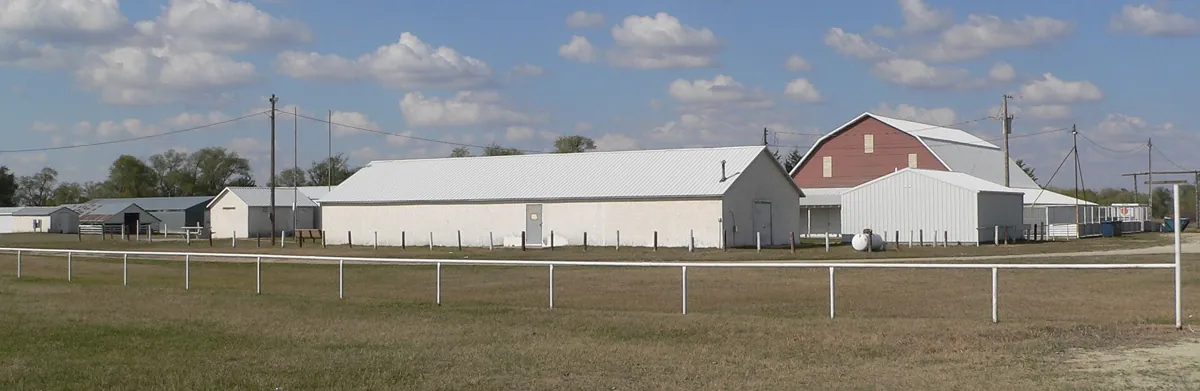
| Setting and features | Rural fairgrounds with livestock barns, 4-H exhibits, a midway, a grandstand, and food stands |
The Fair at the Heart of Fountain County, Indiana
Drive into Fountain County in fair season and you can feel where the week’s energy is pooling. This is farm country — corn and soybeans, small towns like Covington, Attica, Veedersburg, Hillsboro, and Kingman, and long stretches of two-lane road where the biggest landmark is a grain elevator. The fair is the one week when all of those separate communities land in the same place at the same time.
What makes it different from a big-city festival is the ownership. The kids showing animals are the same kids bagging groceries in town the rest of the year. The announcer in the show ring probably taught at the local school. The pie being judged in the exhibit hall was baked that morning by someone’s grandmother. There’s no barrier between the event and the community hosting it, and that is why returning visitors keep coming back even after they’ve moved away.
If you’re new, understand the shape of the thing. Fair week is a multi-day run, with daytime hours dominated by livestock shows, project judging, and barn traffic, and evenings bringing the midway, grandstand entertainment, and the densest crowds. Show up in the morning and you’ll see the fair working. Show up at dusk and you’ll see it celebrating.
For another look at how a community turns its own traditions into a gathering, see the Fountain County Indiana Covington Apple Fest Festival for a useful comparison.
From an 1826 County to a Modern Fair Week
Fountain County was organized in 1826, with Covington established as the county seat — the same year, in a sense, that the county’s civic calendar began. County fairs across Indiana grew out of nineteenth-century agricultural societies, formed to share better seed, better breeds, and better methods with farmers who otherwise worked in isolation. That tradition is the soil the Fountain County Fair grew from.
The fair has changed with the county rather than against it. Livestock and grain displays once carried the whole event; today they share the grounds with 4-H project exhibits, carnival rides, tractor pulls, demolition derbies, and vendor food. What hasn’t changed is the calendar logic: the fair sits in summer, after crops are in and before harvest pulls everyone back into the fields.
Generations of families have handed down the same roles — barn superintendent, exhibit hall volunteer, gate greeter, concession stand parent. Because the fair board and volunteers turn over slowly, the event carries continuity that a rented festival can’t manufacture. Returning after a decade away, you’ll notice new paint and new rides, but the same faces checking the same clipboards.
On the Ground at the Fountain County Fair
Here’s how I’d split the experience, whether you’re there for one evening or the full run.
Fountain County Fair Food: What I Eat Every Year
Fair food here is classic Indiana: pork burgers and tenderloins, corn dogs, elephant ears, funnel cakes, lemon shake-ups, hand-dipped ice cream, and whatever the 4-H food stand is running that year. The local stands are the ones worth your cash — church groups, booster clubs, and service organizations run many of them, so the money stays in the county. My routine is a pork burger early, something fried mid-evening, and a shake-up for the walk back to the truck. Bring cash. Some vendors take cards, plenty don’t.
Music, Grandstand Nights, and Local Entertainment
Evenings are when the fair gets loud. The grandstand typically anchors the night with motorsports, a demolition derby, a tractor pull, or a concert, while smaller stages and wandering acts fill the gaps around the midway. The entertainment leans local and regional rather than national touring, which is part of the charm — you’re watching people from your own corner of Indiana perform for a hometown crowd. Claim grandstand seats early on the big nights; bleachers fill fast once the sun drops.
Family Activities and 4-H Tradition in Fountain County
For families with young kids, the sweet spot is late afternoon: the midway is running, the barns are open, and the crowd hasn’t peaked. Beyond rides, the real attraction is the barn aisle. Watching a nine-year-old walk a calf into the ring, or a teenager explain a woodworking project to a judge, is the most Fountain County thing you’ll see all year. Add in the exhibit hall — canned goods, quilts, photography, vegetables — and you have a couple of hours that cost almost nothing and hold a child’s attention better than a screen.
A Returning Visitor’s Weekend at the Fountain County Fair
Friday afternoon. Arrive mid-afternoon, park, and walk the barns before the evening rush. Find the exhibit hall, see what won ribbons, then grab an early dinner from a local stand while lines are short.
Friday evening. Head to the grandstand for the night’s main event, then wander the midway after. This is the loudest, most crowded stretch of the week — go in expecting to move slowly and enjoy it.
Saturday morning. Come back early for livestock shows and judging. The barns are cool, the coffee is hot, and you’ll hear more real conversation about the county than anywhere else. Spend an hour in the exhibit hall while you’re there.
Saturday afternoon. Take a break from the grounds. Drive into Covington for a look around, or head toward the Wabash River for shade and quiet. Fair food is better on a rested appetite.
Saturday evening. Return for the final night: rides, music, one last elephant ear, and the slow walk back to the car while the lights shut down barn by barn.
Planning a Fountain County Fair Trip from Covington Outward
Getting to the Fountain County Fairgrounds
The fairgrounds sit in the Fountain County area, with Covington — the county seat — as the natural anchor for anyone coming from out of town. Most visitors arrive by car on state and county roads, and signage around town makes the final approach straightforward. If you’re coming from a distance, route yourself through Covington and follow the local traffic from there.
Where to Stay Around Fountain County
Lodging in the immediate area is limited, so plan ahead during fair week. Small-town options exist in and around Covington, Attica, and Veedersburg, with larger hotel selections in the surrounding region if you’re willing to drive. Campers and RV owners often prefer to stay close to the grounds; confirm availability early rather than assuming a spot will be open.
Parking on the Fairgrounds
Parking is typically on grass and handled by volunteers directing traffic. Arrive before the evening rush — early evening on weekends is when lots fill and the walk gets longer. Wear shoes you don’t mind getting dusty, and remember where you parked; after dark, one grass lot looks much like another.
Admission and What Things Cost
Gate admission is typically free, which is one reason local families come multiple nights in a row. Your money goes to rides, food, raffles, and vendor goods instead. Some grandstand events may carry a small charge, so it’s worth checking locally before you go. Bring cash for concessions and a little extra for the 4-H and booster stands.
Fountain County Weather and What to Wear
Summer in west-central Indiana means heat, humidity, and the occasional fast-moving thunderstorm. Dress light, bring a hat, and carry water. Evenings cool off enough that a light layer helps. If storms roll through, fairground events often pause and resume, so don’t leave immediately — find cover and wait it out.
How the Fountain County Fair Compares Nearby
Fountain County’s fair is a hometown event, and it’s useful to know what it isn’t. The Parke County Covered Bridge Festival, held each October in nearby Rockville, is a regional draw with bus tours and craft traffic — bigger, more tourist-facing, and in a different season entirely. The Indiana State Fair in Indianapolis is a much larger production with headline concerts and a full-scale midway; it’s a day trip, not a neighborhood evening. Closer to home, towns like Attica and Veedersburg run their own community events through the year, but the Fountain County Fair remains the countywide gathering. If you want scale, go to Indianapolis. If you want to understand Fountain County, come here.
Packing and Prep Notes for Fair Week in Fountain County
Bring cash, a refillable water bottle, sunscreen, bug spray, and comfortable closed-toe shoes. Pack a light rain jacket and a small towel if rain is in the forecast. Leave the coolers and pets at home unless the fair advertises otherwise, and keep a paper or screenshot of the fair schedule — cell service in crowded areas can get sluggish.
If you’re showing animals or supporting a 4-H member, add a fan, a water bucket, a change of clothes, and a folding chair for the barn aisle. Those families put in long days, and the difference between a good week and a rough one is usually preparation.
Beyond the Fairgrounds: Covington, Attica, and the Wabash
Build an extra half-day into your trip. Covington is the county seat and worth a slow drive through, with a classic small-town courthouse square and streets that show off the county’s 1826 roots. Attica, on the Wabash River, has its own historic downtown character. South of the county line, Turkey Run and Shades state parks offer trails and sandstone canyons that make a natural pairing with a fair weekend. Farm stands and rural drives fill the gaps in between. This is a county of 397.88 square miles with 16,479 people in it — you’ll cover a lot of it in an afternoon.
Why Fair Week Still Holds Fountain County Together
In a county this size, the fair is not entertainment so much as infrastructure. It’s where scholarships get awarded, where kids learn to speak in public while holding a halter, where volunteer groups raise the money that funds the rest of their year. It’s also one of the few places left where a teenager and an eighty-year-old have a real reason to stand in the same barn aisle and talk. That’s the significance. The rides are replaceable; the week isn’t.
Where the Fountain County Fair Sits on the Map
The Fountain County Fair takes place at the fairgrounds in the Fountain County area of west-central Indiana, with Covington, the county seat, as the nearest anchor town.
Fountain County Fair Questions Returning Visitors Ask
When is the Fountain County Fair usually held?
It’s a summer fair, typically running over several days in July or early August. Exact dates shift year to year, so confirm the current schedule locally before you plan travel around it.
Do I have to pay to get in?
Admission is typically free at the gate. You’ll spend money on rides, food, and vendor goods, and some grandstand events may charge a small fee. Bring cash regardless — not every stand is set up for cards.
Is the fair worth it for young children?
Yes, especially in the late afternoon before the evening crowds build. The barns, the exhibit hall, and the midway all work well for kids, and the atmosphere is relaxed enough that families can move at their own pace without fighting a crush of people.
Do you need to live in Fountain County to attend?
Not at all. The fair is a countywide tradition, but visitors from surrounding counties and out of state are welcome. Come curious, ask questions in the barns, and you’ll be treated like a neighbor.
What the Next Few Years Might Hold for the Fair
County fairs everywhere are balancing tradition against cost. Expect the Fountain County Fair to keep its core — livestock, 4-H projects, local food, grandstand nights — while gradually refreshing entertainment and midway offerings to draw younger families. Volunteer recruitment will matter more than ever, because this fair runs on people rather than payroll. The likeliest future is not reinvention but continuity: a fair that looks familiar in ten years and still fills the barns in July.
Last updated: October 2026
If you go, go twice — once in the morning when the fair is working and once at night when it’s celebrating. That’s the version of the Fountain County Fair that stays with people long after the lights go down, and it’s the reason so many of us keep circling back to a gravel lot in west-central Indiana every summer.